Window Replacement & Repair
Bay Window Installation Cost 2026: Everything You Need to Know
If you’re planning to install a bay window, you're probably wondering how much money you should put aside for this home renovation project.
This guide breaks down exactly what you can expect to pay for bay window installation, so you can plan your window project with clarity.
Quick Answer: How Much Does a Bay Window Installation Cost?
The average bay window installation cost ranges between $2,000 and $7,500 or more, depending on size, materials, and structural work required. Small vinyl box bay windows installed into existing openings usually start around $2,000-$3,000, while larger bays with structural modifications can exceed $7,500.
Labor typically makes up 40-60% of the total cost because bay windows require extra framing, support brackets, and detailed finishing work. Replacing an existing bay window is usually cheaper ($2,500-$4,500) than installing a brand-new projecting bay into a flat wall, which may require permits, engineering, and additional structural reinforcement.
What Is a Bay Window?
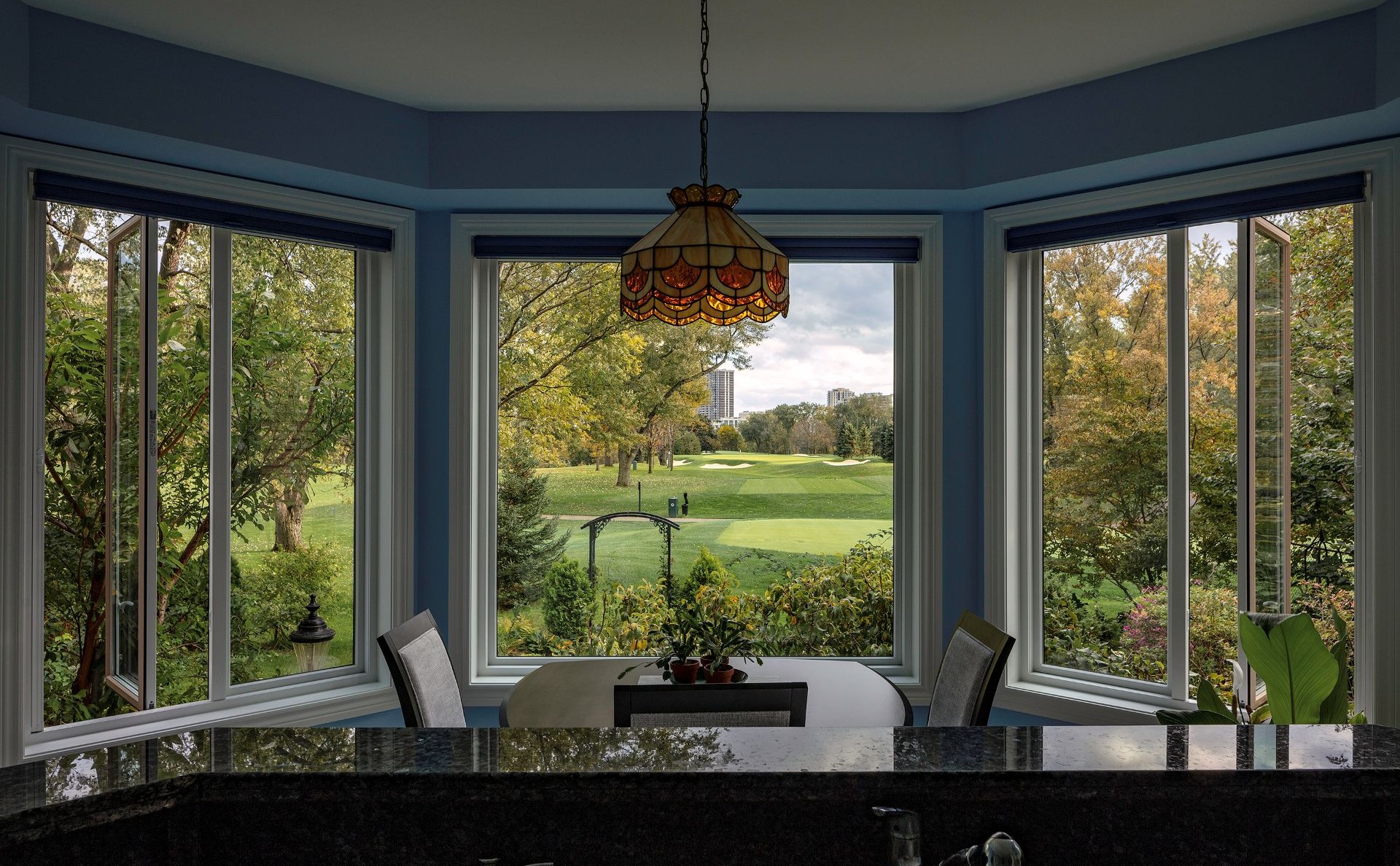
A bay window protrudes outward from the exterior wall and consists of three panels: a fixed window in the center flanked by two operable windows angled outward at 30 to 45 degrees. This outward-projection transforms a flat wall into a functional nook, reading area, or display shelf. The two operable windows in a bay window unit are usually double-hung or casement windows.
There are different types of bay window styles, including:
- Box bay windows, which are shaped like a rectangular box with narrow, flat sides and a flat, wide front
- Oriel bay windows, which don't reach the ground, being supported by corbels, brackets, or similar cantilevers
- Victorian bay windows, which feature three glass panels installed in a rather rounded shape instead of an angular shape
Why Are Bay Windows More Expensive Than Standard Windows?
The higher bay window cost comes down to three main factors. First, you’re paying for multiple window units combined into one assembly rather than a single pane. Second, you're paying for the extra framing and structural support, which will keep the projecting bay from sagging or pulling away from the house over time. Third, finishing work multiplies. You need interior trim, drywall returns, exterior trim, flashing, and sometimes a dedicated mini-roof over the projection.
Unlike casement windows, double hung windows, or picture windows that sit flush with your wall, bay windows require a more complex installation. The bay structure needs proper support, a seat board or interior shelf at the base, angled side jambs, and exterior cladding that ties into your existing siding or masonry. All of these elements add material cost and skilled labor time.
How Much Do Bay Windows Cost on Average?
On average, bay windows can cost between $2,000 and $7,500 or more.
Most contractors quote bay windows by their width in feet and projection depth in inches. A compact 3-foot bay barely extending from the wall costs far less than an 8-foot panoramic bay projecting two feet into your yard.
Cost per square foot for bay window replacement typically runs about $100 to $150 for straightforward replacements in existing openings. However, if your project requires significant structural changes, like enlarging an opening or adding support headers, expect this figure to climb substantially.
If you want to learn more about the cost of replacing windows (all types of windows, not just bay windows), you can read our guide on this topic.
Key Factors That Affect Bay Window Installation Cost
The main bay window installation cost drivers include window size, frame material, glass package, structural changes required, floor level and access, and local labor rates in your area.
Most homeowners end up customizing at least one of these factors based on their home’s architecture, energy goals, or aesthetic preferences. That’s why quotes can vary by thousands of dollars even for similar-looking bays in the same neighborhood. The following subsections break down each factor with average price ranges.
Bay Window Size and Layout
Increasing width and projection depth directly raise both material and labor costs. Larger windows cost more because they require more glass panes, larger seat boards, and more substantial framing to support the added weight and wind load.
For example, converting a 3-foot picture window into a 4-foot shallow box bay might cost $1,800 to $2,500. Replacing an existing 6-foot slider with a 6-foot bay can cost $3,000 to $4,500 in vinyl. But cutting a brand-new 8-foot bay into a blank exterior wall is much more expensive and can reach $5,500 to $8,000 or more once you factor in framing, engineering, and finishing.
Frame Material (Vinyl, Fiberglass, Wood, Aluminum)
Your choice of window frame significantly impacts both upfront cost and long-term maintenance. Here’s how common frame materials compare for a standard 6-foot bay window:
Window Type
Most bay windows consist of one fixed window and two operable windows. The fixed window is usually more affordable because it has no hardware. The operable window price depends on the window style you choose. Most homeowners go for casement windows or double-hung windows. Casement windows are generally more expensive than double-hung windows, but they are also more energy-efficient. Other window styles, like sliding windows or awning windows, are not suitable for bay window units.
Glass Package and Energy Efficiency Upgrades
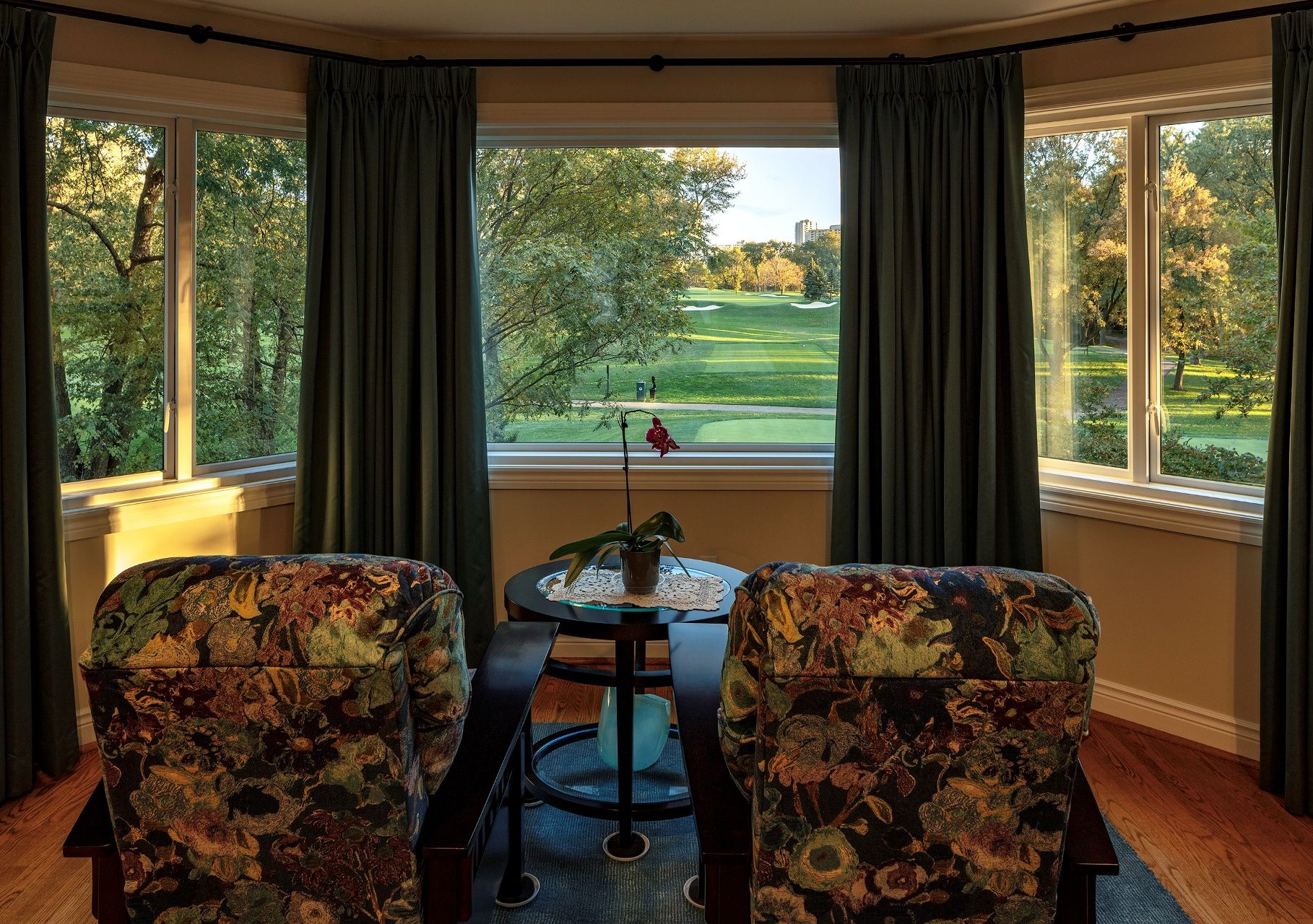
In 2026, most bay windows come with double-pane windows featuring low-E glass and argon gas fills, which is a baseline that delivers solid energy efficiency for most climates. But if you live in a region with a very cold climate, you may want to consider upgrading to triple-pane window glass or specialty coatings. They add to your initial cost but can reduce utility bills for decades.
For a 6-foot vinyl bay window that might cost $3,000 with standard clear glass, you can expect to pay roughly $3,750 for double-pane glass and low-E coatings and approximately $4,300 for triple glass and low-E coatings.
Furthermore, you can also choose either laminated (stays glued together when broken) or tempered (breaks in tiny pieces) glass. Both are more expensive than standard glass, but are definitely worth considering for safety and security.
Structural Changes and Engineering
There's a big difference between a like-for-like bay window replacement in an existing framed opening and cutting a new opening into your exterior wall, both in complexity and cost. You can expect to pay approximately $3,000 to enlarge a window, for example, but the final price really depends on the size of the old window.
Installation Labor, Floor Level, and Access
Labor costs account for 40-60% of the total bay window installation cost, reaching roughly $1,000-$1,500 per window. If the window is on the second floor, labor costs increase by 5-10%.
Conditions that commonly raise installation costs include steep landscaping that limits ladder placement, masonry openings that must be cut or altered, tight interior spaces that make maneuvering full bay windows difficult, and nearby electrical or HVAC components that need temporary relocation.
Building Permits
In many regions, homeowners need building permits when they change the size of a window opening or add a projecting bay structure. Usually, permits cost about $50 to $250, depending on your location and project scope.
Extras
Extras that may appear on your quote include:
- Removal and disposal of old window and debris: often $150–$300 if not already included
- New interior trim, casing, and touch-up painting: $200–$600, depending on finish level
- Exterior siding or masonry repairs around the new bay: $100–$500+ for patching and matching existing materials
Magic experts recommend requesting itemized quotes that list these extras separately so you can compare bids fairly.
Bay vs. Bow Windows: Cost Comparison
While both bay and bow windows project outward from the exterior wall, bow windows are more expensive than bay windows, and can cost between $3,500 and $8,000+. They have four to six panels arranged in a gentle curve. This additional complexity, more glass panes, curved frame construction, and added labor make bow window installation consistently more expensive.
New Bay Window vs. Replacement: What’s the Cost Difference?
Replacing an existing window in the same bay opening costs significantly less than cutting a new bay window installation into a previously flat wall. Bay window replacement costs between $2,500 and $4,500, while a new bay window installation can reach $7,500 or more.
That's because cutting a new opening requires permits in most jurisdictions and may also require electrical rerouting if outlets or wiring run through the affected wall section. Interior finish work can add weeks to your project timeline and hundreds to your budget.
What’s Included in a Professional Installation?
It's always better to know exactly what you’re paying for. This will help you evaluate quotes and make sure that nothing falls through the cracks.
Step 1: Site Visit, Measurements, and Quote
A window installer typically visits your home to measure the opening precisely, check wall structure and insulation, identify obstacles like electrical wiring or HVAC components, and discuss bay window design options, including frame material and glass package.
This initial visit may be free or folded into final pricing. Some contractors credit any consultation fee toward the project if you proceed with them.
Step 2: Manufacturing and Lead Time
Once you approve the details (size, window frame material, glass package, color, and any decorative grilles), the custom bay is ordered from the manufacturer. Standard vinyl-framed bays typically ship in 3 to 5 weeks, while custom wood windows or specialty glass options may require 6 to 8 weeks.
You might be able to speed up the production process for an additional fee, though it may limit your design choices or color options.
Step 3: Removal, Structural Prep, and Installation
On installation day, the crew removes your old window and frame (if applicable), inspects for hidden damage or rot, and installs any required structural reinforcement or header adjustments. If they discover unexpected rot or improper installation from a previous window, the final price can increase, and the installation may take more time to complete.
Most standard single bay window projects are completed in one day. Complex structural changes or second-floor installations can extend to two or more days.
Step 4: Interior and Exterior Finishing
Finishing work transforms a properly installed window into a polished final product. Common tasks include:
- Installing or reinstalling the interior casing, stool, and apron
- Caulking all joints and applying touch-up paint
- Trimming the exterior with aluminum, vinyl, or wood cladding
- Tying exterior trim into existing siding or brick
- Adding or repairing a small roof or canopy over the bay if required
Some contractors include painting and drywall repairs in their standard pricing, while others require you to hire separate trades. This difference should appear clearly in your written quote.
Moreover, always confirm that the cleanup and disposal of the old window and debris are included to avoid surprise fees on completion day.
Bay Window Installation Tips: How Can You Save Money?
To save some money on bay window installation, consider these opportunities:
- Seasonal discounts: many window contractors offer 5-15% off during the slower winter months
- Manufacturer promotions: major brands frequently run rebates or financing specials, especially in the spring
- Energy rebates: local utilities and state programs often provide rebates for ENERGY STAR-certified windows
- Multi-window projects: installing two or three new windows at once can reduce individual window costs through bulk discounts
- Getting quotes from at least three licensed contractors
Is a Bay Window Worth the Investment?
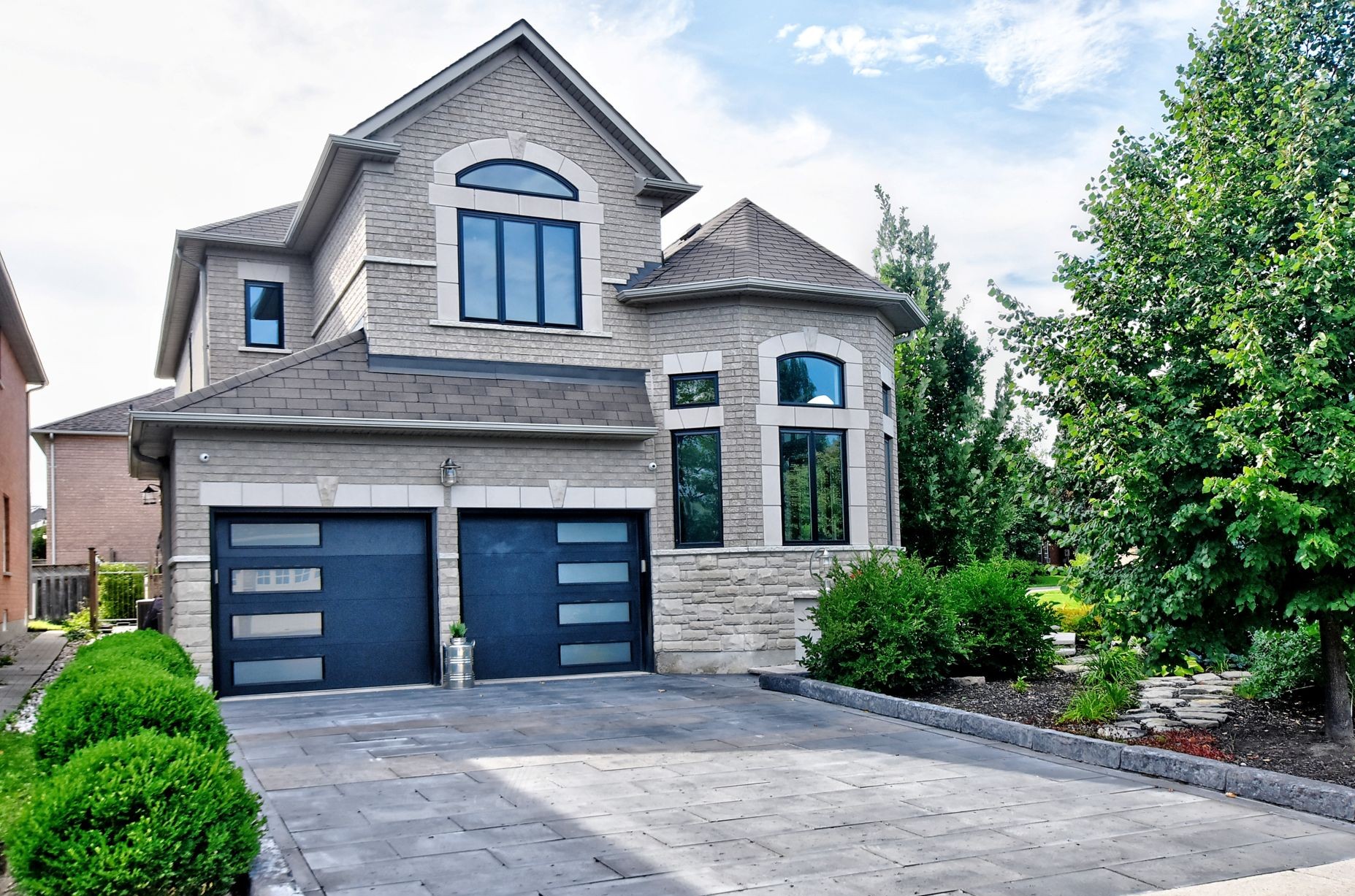
Bay windows are definitely worth the investment if you want to enhance curb appeal, create some extra storage space, have more natural light in your house, and let more fresh air in through the windows. All of these can considerably increase property value, especially if you go for energy-efficient window units.
Plus, energy-efficient units can lower your utility bills for 20 or more years, helping offset part of the initial cost.
So, if you're still not sure whether to install a bay window or not, weigh the long-term comfort benefits, aesthetic improvement, and potential energy savings against the one-time installation costs.
If you plan to remain in your home for several years, a quality bay window often proves to be a worthwhile investment that you’ll enjoy daily.
Contact Magic for Top-Quality Window Replacement!
If you want to replace your bay window or install a new unit, Magic experts are here to help. We offer you the opportunity to book a free consultation, during which one of our experts will walk you through everything you need to know about bay window installation: bay window prices, glazing options, structural requirements, design choices, and more!
Our project managers and installation teams are the best when it comes to fully personalized projects tailored to specific home designs, climate requirements, and homeowner preferences! Plus, our window units come with technologically advanced hardware, unique frames, and high-quality insulated glass units!
Frequently Asked Questions
Is it expensive to put in a bay window?
Yes, bay windows are more expensive than standard windows because they require structural support and a more complex installation. Most projects cost roughly $2,000-$5,000 installed, while high-end versions can reach $7,500 or more.
What is the average labor cost to install a window?
For a standard window, labor typically averages about $200-$400 per window, but complex installation can cost a few hundred more. Bay window installation labor costs are higher, reaching around $1,000-$1,500 because of framing, sealing, and structural work.
How long does it take to install a bay window?
The actual bay window installation takes several hours to a full day. Some complex projects that involve structural changes can take 1-2 days or longer.
What is the cheapest way to get a bay window look?
The most budget-friendly bay window is a small vinyl box bay window (3 to 4 feet wide) installed in an existing opening that requires minimal structural changes. Expect to pay around $1,500 to $2,000 installed for this configuration. Choosing standard glass options over premium upgrades keeps costs at the lower end, but this can increase your energy bills.
Do I always need a structural engineer for a bay window?
Not always. Replacing an existing bay window in the same opening usually doesn’t require engineering review. However, new installations that cut into walls, significantly enlarge openings, or involve upper floors typically require stamped engineering drawings costing $400 to $800.
Can I install a bay window myself to save money?
While technically possible for experienced DIYers to install a bay window themselves, this is significantly more complex than installing standard windows due to structural support requirements, proper sealing challenges, and the risk of water intrusion from improper installation. Most manufacturers also void warranties on DIY installations.