
Energy Efficient Windows
Brickmould Windows: A Complete Homeowner’s Guide
The term brickmould is not the first to come to mind when one thinks about windows. Homeowners usually think of casing instead. Or caulking. Or weatherstripping. But brickmould is just as important, as it protects the window and the house from the elements.
So, if you want to learn more about brickmould windows, keep on reading!
What Is Brickmould on a Window?
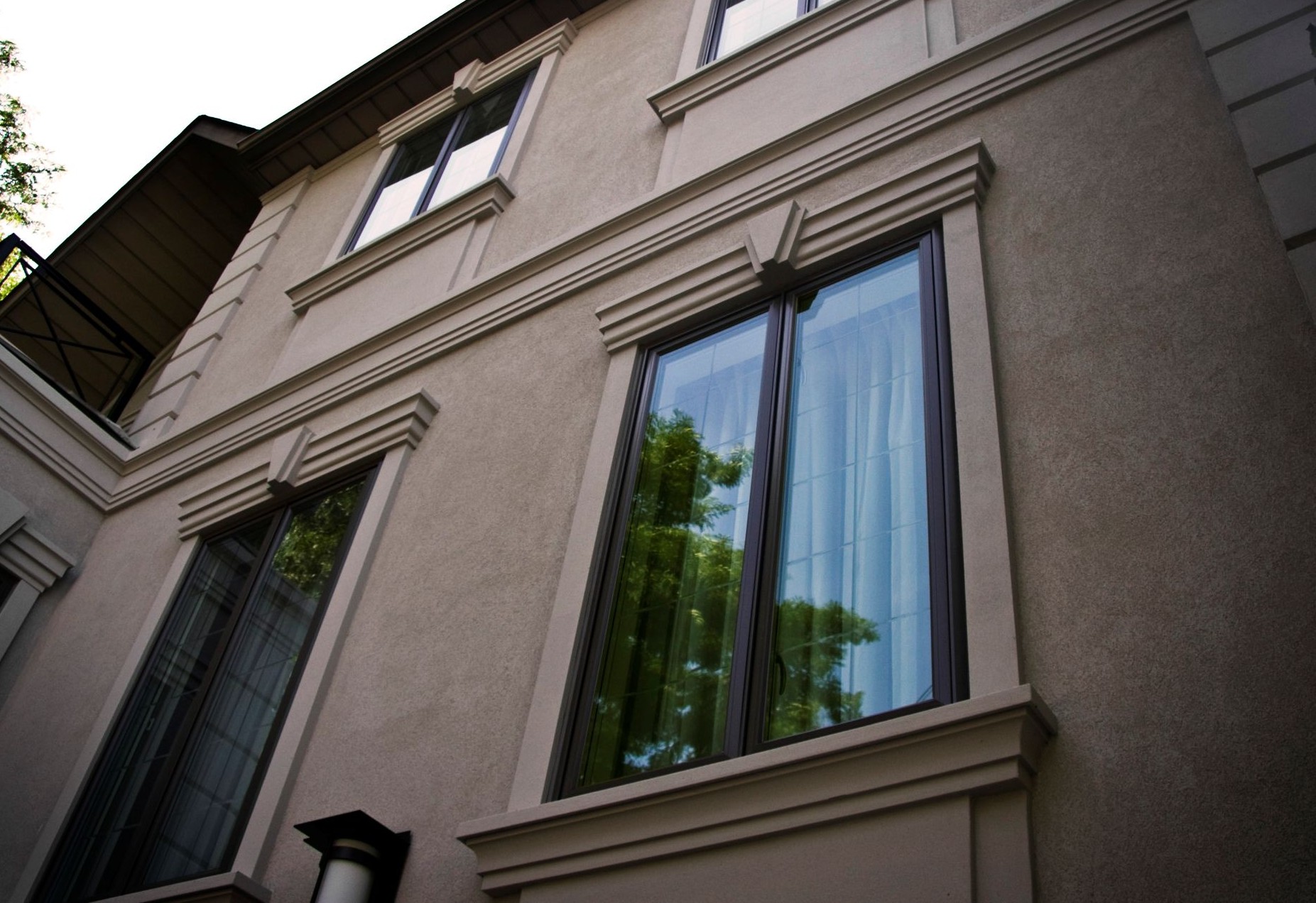
Brickmould is the trim that surrounds the window on the outside to cover the gap between the window frame and the wall, serving as an additional layer of weather protection.
On many modern vinyl and fiberglass windows, brickmould comes factory-integrated, usually welded or mechanically secured during manufacturing. This factory approach reduces installation time by 30-50% compared to field-applied trim and eliminates on-site trimming errors. However, brickmould can also be purchased as separate trim pieces and applied in the field, particularly on wood or aluminum units during custom retrofits.
Brickmould projects 1 to 2 inches beyond the window frame. This overlap covers the rough openings where the window sits in the wall framing. It also conceals fasteners and shims and creates that finished appearance. Visually, brickmould has a slightly raised, contoured profile compared to flat trim boards.
The Aesthetic Benefits of Brickmould Windows
Brickmould does what flat trim often can’t: it frames the glass area with depth and visual interest that enhances otherwise flat siding or brick façades. That dimensional quality transforms windows into architectural features and enhances your home's curb appeal. Plus, brickmould can be customized to match the color of the window or painted to suit personal preferences.
Common brickmould style profiles include:
- Colonial ogee – Traditional curved profile suited for Colonial and Cape Cod homes
- Bevelled – Angled face that adds shadow lines and depth
- Flat-contemporary – Clean, minimal profile for modern appearance homes
Beyond aesthetic appeal, brickmould serves a practical visual function: it hides minor irregularities in masonry cuts and siding edges. Window installations rarely feature perfectly square openings, and brickmould can help create symmetric and polished window profiles.
Functional Benefits of Brickmould
As mentioned earlier, brickmould closes the gap between the window frame and exterior wall, a space typically filled with insulation, backer rod, and sealant. This way, brickmould acts as a shield for your windows and your home, protecting them against air and water infiltration.
Properly installed brickmould creates a weather-resistant barrier that reduces:
- Drafts around the window perimeter
- Moisture intrusion into wall cavities
- Water damage to framing and sheathing
- Insect entry points
It’s worth noting that brickmould itself isn’t a primary structural element because it doesn't hold your window in place. But it contributes significantly to the overall durability and tightness of the opening and also improves energy efficiency by reducing air infiltration.
On older wood windows, rotten brickmould is often the first visible sign of moisture problems around the opening. When you see soft, peeling, or crumbling brickmould, it’s typically a warning that water has been finding its way into places it shouldn’t.
Brickmould and Energy Efficiency
Brickmould doesn’t directly insulate your home. But it absolutely influences how energy-efficient your windows are.
Air leaks around windows are a common source of drafts, discomfort, and higher energy bills. Brickmould helps protect the insulation, sealant, and foam hidden behind it. When that outer layer fails, everything behind it becomes vulnerable.
Well-installed brickmould supports:
- Consistent interior temperatures
- Reduced air infiltration
- Better overall window performance
Poorly installed brickmould does the opposite. It allows air to move freely behind the trim. At that point, even the best window can’t perform as intended.
Brickmould Materials and Styles
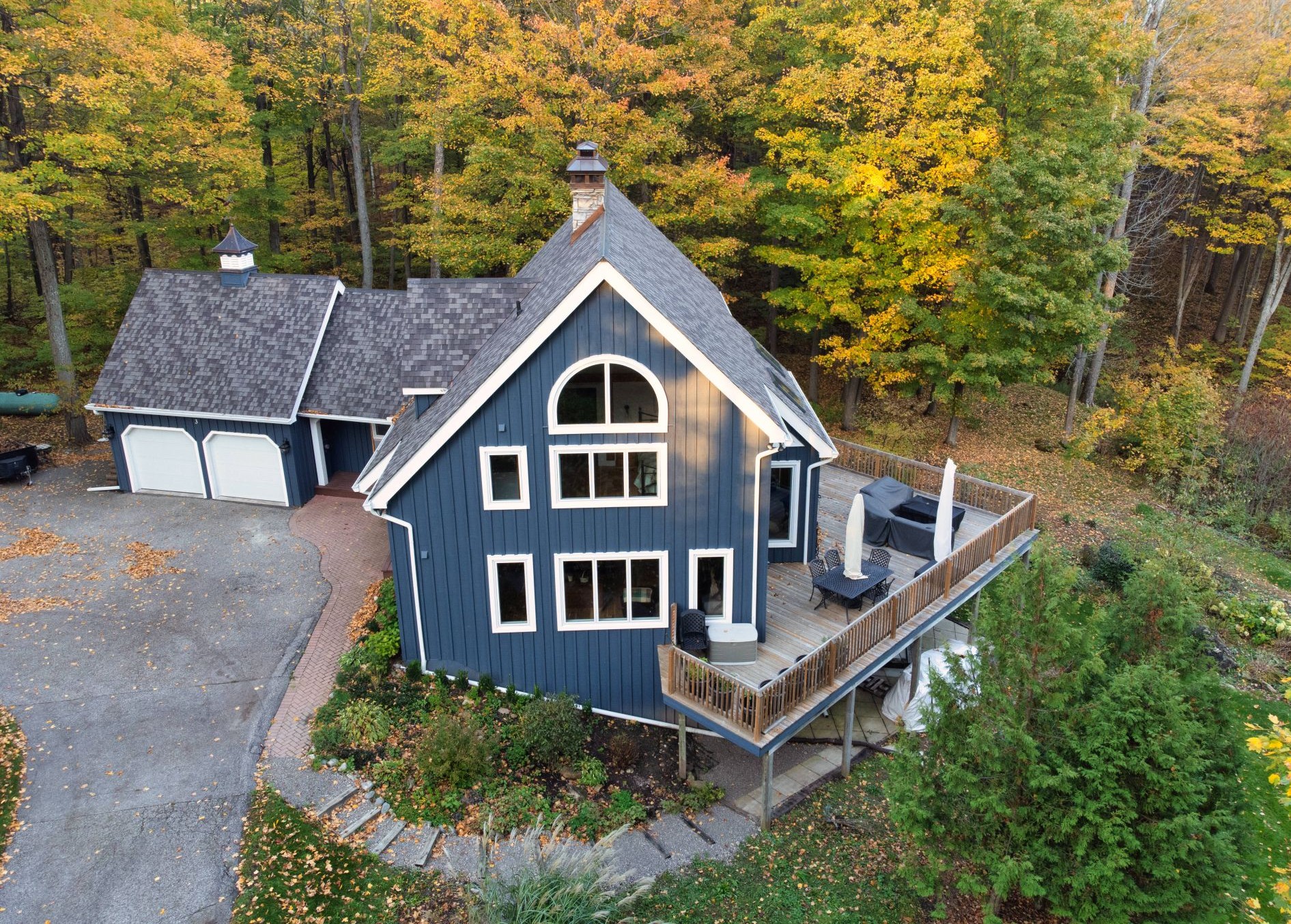
Brickmould is made from wood, composite materials, PVC/vinyl, aluminum-clad, and fiberglass.
Wood Brickmould
Wood brickmould, typically pine, fir, or occasionally cedar, has been the standard choice for years. If you’re working on a historic renovation or live in a neighborhood with strict architectural guidelines, wood may be your only option.
Advantages of wood brickmould:
- Can be milled into intricate, custom profiles
- Accepts any exterior paint color
- Matches the authentic character of historic homes; excellent for a traditional look
- Works beautifully with wood or wood-clad windows
Disadvantages of wood brickmould:
- Prone to rot, swelling, and peeling paint in coastal climates with high humidity
- Requires regular maintenance to remain in good condition
- Must be properly primed and sealed before and after installation
- Requires yearly inspection
Vinyl / PVC Brickmould
PVC brickmould is now the most popular choice, especially given that vinyl frames are a staple in the window industry.
Advantages of vinyl brickmould:
- Completely rot-proof and insect-resistant
- Low maintenance; no painting required
- Usually prefinished in white or popular factory colors
- Excellent durability in various styles
- Cost-effective compared to wood
Limitations to keep in mind:
- Fewer custom profile options than wood
- Can experience expansion/contraction in extreme temperature swings
- Limited color options compared to painted wood
Aluminum Brickmould
Aluminum brickmould is a common choice in regions with heavy rain or snow where weather resistance matters most.
Aluminum brickmould strengths:
- Excellent weather and UV resistance
- Low maintenance requirements
- Precise, consistent profiles
- Good fit for modern and contemporary architectural styles
Considerations:
- Can dent or scratch more easily than other materials
- Dark colors may show damage more visibly
- May feel less warm or traditional than wood
Fiberglass Brickmould
Fiberglass brickmould is a premium option thanks to its durability and weather resistance. It consists of reinforced glass fibers and resins.
Advantages of fiberglass brickmould:
- Paintable
- Resists warping and cracking
- Handles temperature swings without the expansion issues that can affect vinyl
- Low maintenance
- Very low water absorption and low risk of rot and mold
Disadvantages of fiberglass brickmould:
- Higher cost
- Limited aesthetic options compared to wood
- More difficult to install
Composite Brickmould
Composite brickmould is made from engineered wood fibers, plastics, and binding resins. There are different formulations, so the performance varies depending on the materials.
Advantages of composite brickmould:
- Less expensive than fiberglass
- Better designed to mimic painted wood and comes in a range of factory finishes/textures
- Low to moderate maintenance
- Decent weather resistance
Disadvantages of composite brickmould:
- Quality and durability vary depending on the manufacturer and formulation.
- Lower-grade composites can absorb water over time.
- Can dent or scratch more easily than fiberglass
Brickmould vs. No Brickmould Windows

Brickmould windows have integrated exterior trim that arrives pre-attached to the frame. No-brickmould windows, sometimes called “flush” or “flange-only” windows, are installed with nail fins, separate trim, or set flush for a more minimal appearance. However, not using brickmould on windows can expose the frame-wall joint more, especially if detailing is poor.
Benefits of brickmould windows:
- Easier to achieve a finished, polished look
- More forgiving of minor masonry or siding irregularities
- Extra weather protection when properly sealed
- Ready to install without sourcing separate trim
Benefits of no-brickmould windows:
- Cleaner, modern aesthetic with minimal visual mass
- Simpler integration with continuous exterior insulation or rainscreen systems
- Can be easier to flash in certain wall assemblies
- Lower profile suits contemporary architecture
Choose based on your home’s existing style, your local climate, and whether this is a replacement project or new construction. If you’re replacing windows in a 1985 Colonial with existing brickmould, match that profile to maintain visual continuity. If you’re building a modern home with sleek siding, no-brickmould may better suit your vision. But keep in mind that choosing no brickmould windows may require precise, proper installation techniques to prevent water infiltration.
Brickmould vs. Casing

Brickmould is the exterior trim surrounding the window, while casing is the interior trim surrounding the window. Both brickmould and casing cover the gap between the window frame and the wall, but brickmould also has weather protection properties, while casing is installed only for aesthetic reasons.
Interior casing:
- Covers the gap between the window frame and the drywall or plaster
- Made from wood or MDF, painted or stained
- Not designed for UV, rain, or temperature swings
- Primarily aesthetic with light air-sealing function
Brickmould:
- Faces exterior exposure: UV, rain, wind, freeze-thaw
- Made from weather-resistant materials (PVC, treated wood, aluminum)
- Uses exterior-grade sealants and finishes
- Primary functions include weather protection and aesthetics
How “Waterproof” Is Brickmould?
Brickmould is water-resistant, not truly waterproof on its own. Its effectiveness depends entirely on installation quality and ongoing maintenance. Even the best materials can’t protect against poor installation.
Materials like PVC, vinyl, and aluminum don’t rot even when exposed to moisture. The problem appears when water finds its way behind them because of poorly installed or old caulk, missing flashing, or improper installation. That moisture affects the framing and sheathing hidden behind your exterior materials.
Maintenance Tips for Long-Lasting Brickmould
Regular inspection matters a lot to ensure that the brickmould is still weather resistant: at least once a year and after every major storm. Look for cracked caulk, gaps at corners, soft spots in wood brickmould, or staining that suggests water intrusion.
Annual maintenance checklist:
- Walk around your home’s exterior and inspect all the brickmould.
- Look for peeling paint, hairline cracks in caulk, soft wood, or loose sections.
- Check for gaps between brickmould and exterior surface materials.
- Note any discoloration or staining that might indicate moisture problems.
Cleaning:
- Use mild soap and water to remove dirt and mildew.
- Avoid harsh chemicals or pressure washing that can damage finishes.
- Clean painted surfaces gently to preserve the protective coating.
Wood brickmould care:
- Sand and repaint areas with peeling or blistering paint before bare wood is exposed.
- Don’t wait until the damage is extensive; early intervention prevents rot.
- Consider wood preservative treatments in damp climates.
Resealing:
- Apply high-quality exterior caulk whenever you notice cracks.
- Remove old, failing caulk before applying new sealant.
- Use a caulk gun for controlled application.
Red Flags of Poor Brickmould Window Installation
One of the biggest red flags is brickmould that relies on caulk alone. If you see a thick bead of caulk smeared around the trim with no visible flashing above the window, that’s a problem.
Gaps represent another concern. Small, consistent gaps may be intentional on PVC or composite trim to allow for expansion. Random gaps, uneven joints, or corners that don’t meet cleanly usually point to a rushed installation process or poor measuring.
Also, pay attention to how the brickmould sits against the wall. If it looks wavy, twisted, or pulled away in spots, it was not installed correctly.
Other warning signs include:
- Cracked or shrinking caulk within the first year
- Brickmould that traps water instead of shedding it
- Trim installed tight to the siding with no room for movement.
Installing Brickmould: Repair vs. Replacement
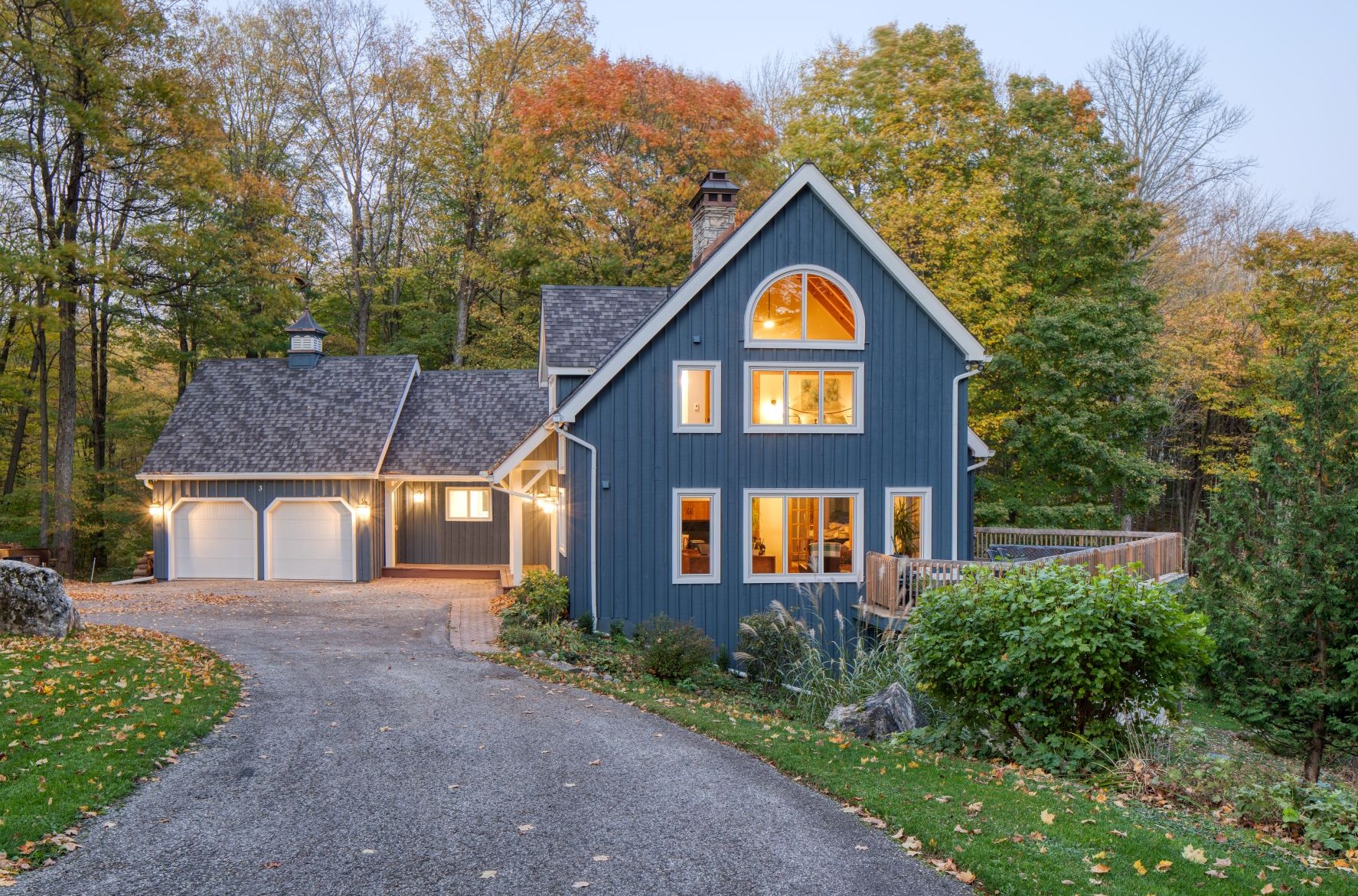
Minor issues like cracked caulk, peeling paint, or small surface blemishes can often be repaired. These are maintenance problems, not structural ones. Address them early, and you can extend the lifespan of the brickmould significantly.
Wood brickmould is the trickiest. Once rot starts, it rarely stays in one spot. You might see a soft corner or bubbling paint, but the damage underneath can be much larger than it looks. In this case, replacement is likely the best choice.
PVC, composite, and fiberglass don’t rot, but they can still fail. Impact damage or water intrusion behind the brickmould can justify replacement even when the material itself looks intact.
Replacement is usually the better option when:
- Wood brickmould is soft or crumbling.
- Water damage keeps returning after repairs.
- Brickmould was installed without flashing.
- You’re replacing the windows anyway.
Planning to Replace Your Windows? Contact Magic!
If you're thinking about replacing your windows, book a free consultation with Magic - the company and installation matter just as much as the materials!
Magic windows and doors are built specifically for Canadian conditions. We're talking about high-performance vinyl, aluminum, and steel frames, excellent energy efficiency, durable finishes, high-security locks, and revolutionary hardware that holds up through free-thaw cycles, heavy rain, and summer heat.
Just as important is how those windows are installed. Proper brickmould integration, correct flashing, clean sealing, and attention to wall conditions are part of a professional install, which Magic teams are proficient at.
As such, if you're looking for a Toronto window company that understands regional climate challenges, offers clear guidance, provides experienced installation teams, and finds fully tailored window solutions, give Magic a call!
FAQs
What does "brickmould window" mean?
A brickmould window is a window that has exterior trim already attached around the frame to cover the gap between the window and the wall. It arrives ready for installation with a finished exterior look, rather than needing separate trim added on site.
What is the difference between casing and brickmould?
Casing is the interior trim around a window and is purely decorative. Brickmould is the exterior trim, and it plays a weather-protection role in addition to making the window look finished. Brickmould is also sometimes called exterior casing.
What are the best Canadian-made windows?
Magic windows are among the best Canadian-made windows, as they feature revolutionary technologies like the Parallex hardware and the Hybrid Fusion Frame designed specifically for the Canadian climate.