Window Replacement & Repair
How to Increase Home Value: 14 Best ROI Upgrades
Whether you're preparing to sell or simply want to build equity over time, knowing how to increase home value is one of the most useful things you can do as a homeowner. The good news is that not every improvement requires a full renovation project with a massive budget. Given Ontario's real estate market, many of the upgrades that add the most value are surprisingly affordable. Some can be done for a few hundred dollars at a time.
This guide covers the home improvement projects that consistently deliver results for Ontario homeowners, from quick cosmetic fixes to larger renovations that increase your living space and energy efficiency.
Key Takeaways: How to Increase Home Value
- A new garage door and a fresh coat of exterior paint are lower-cost projects that still raise resale value.
- Replacing old windows and doors is one of the most reliable ways to increase the value of your home, since it improves energy efficiency and curb appeal at the same time.
- Energy-efficient upgrades like a smart thermostat or energy-efficient appliances help lower utility bills, which matters a lot to buyers shopping in Ontario's climate zone.
- Bigger home renovation projects, like a finished basement or a kitchen renovation, add square footage and livable space, but they come with a higher price tag and should be financed carefully.
- Over-renovating can prevent recovering renovation costs.
14 Best Upgrades: How to Increase the Value of Your Home
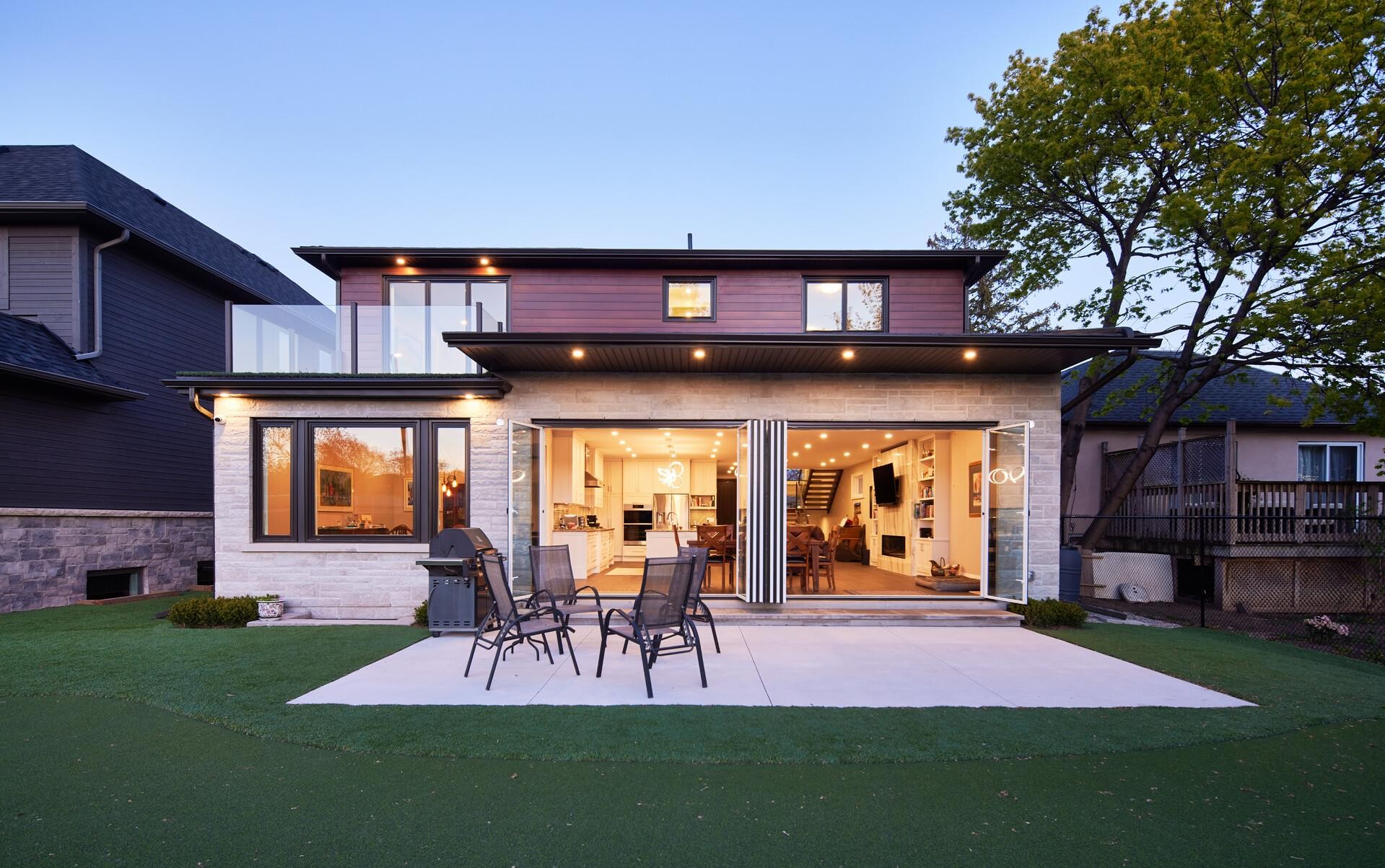
If you're planning a home renovation project, choose the upgrades wisely. Some can really increase the value of your home if that's your goal at the moment.
In the following sections, we'll discuss 14 of the best upgrades to keep in mind if you want to boost your home's value.
1. Start with Curb Appeal
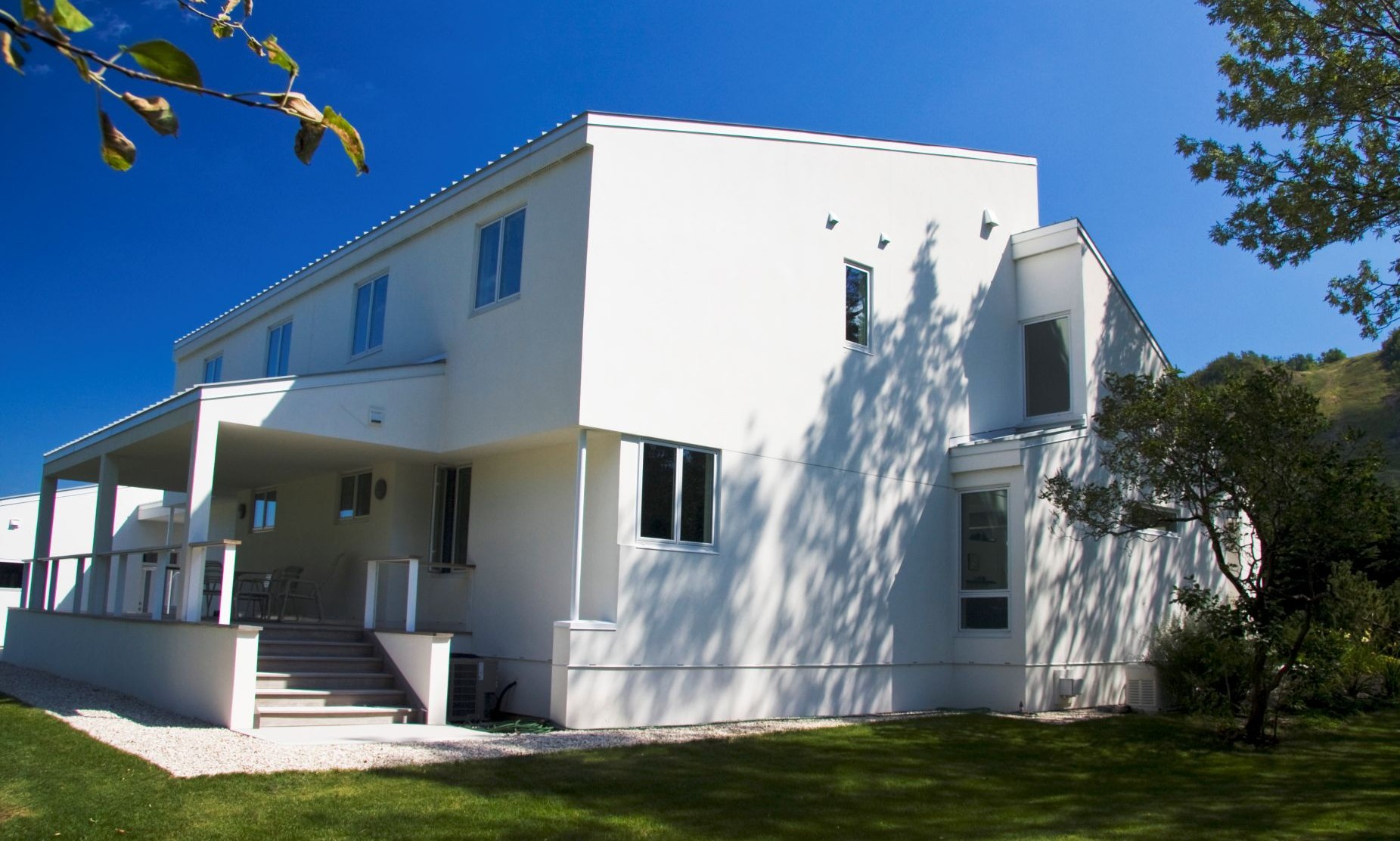
The first thing potential buyers see is the outside of your home. Curb appeal directly shapes buyer expectations before they ever step inside. Plus, improving it to help your home stand out doesn't have to cost much.
For instance, a fresh coat of paint on the exterior is one of the highest-ROI improvements you can make. According to REMAX Canada, exterior paint can yield a return of 60-75%, making it one of the top three best home improvements in terms of value recovery across Canadian markets.
Beyond paint, a few other low-cost curb appeal upgrades go a long way:
- Power wash the driveway, walkways, and siding to remove years of dirt and grime
- Update house numbers and your mailbox for a cleaner, more modern look; updating house numbers costs about $3 per digit.
- Add fresh landscaping; even basic mulching and trimmed hedges improve the overall look; landscaping improvements can deliver a return of up to 200%.
- Replace dated outlet covers and exterior light fixtures
These changes cost a few hundred dollars but make a big difference to prospective buyers.
2. Replace Your Garage Door
If there's one exterior upgrade worth prioritizing, it's a new garage door. According to Zonda's 2025 Cost vs. Value Report, garage door replacement delivers a 267.7% return on investment, the highest of any home improvement project in the study. On average, homeowners spend around $4,672 on a new garage door and see roughly $12,507 added to their home's resale value.
Garage door costs vary depending on material, insulation level, and whether you choose a standard raised-panel model or a carriage-style door. For Ontario homes, an insulated steel or fiberglass door is worth considering, given the climate. Beyond curb appeal, a modern garage door improves security and can contribute to better energy efficiency in attached garages.
3. Upgrade Your Front Door
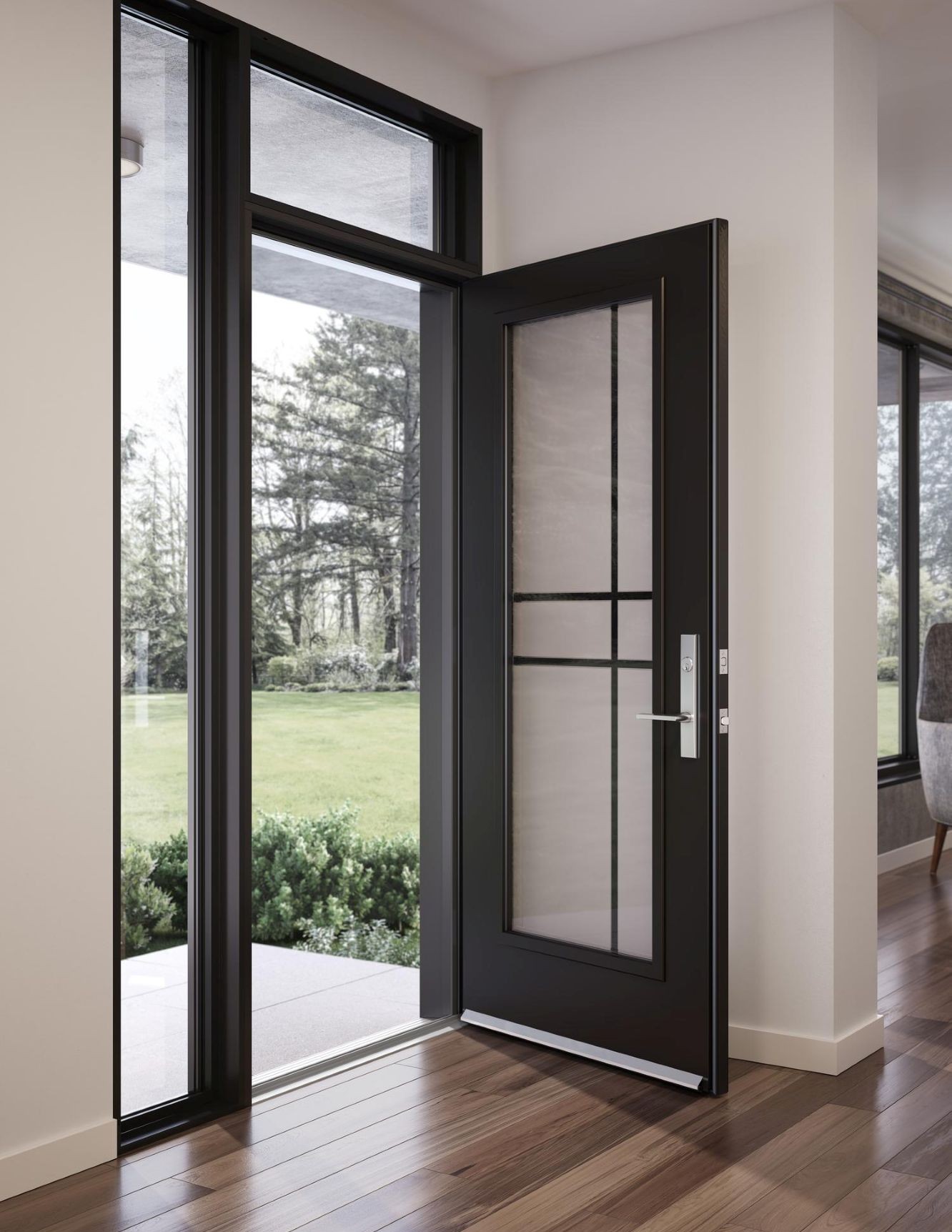
A front door replacement consistently ranks among the highest-ROI exterior upgrades in Canada. Ontario real estate professionals report returns of 85-100%. The same Zonda report mentioned above shows that installing a steel front door can yield 216.4% ROI, being the second-best home improvement to boost home value.
A quality entry door typically runs between $2,000 and $5,000+ installed. Steel doors are among the most popular choices in Ontario because they offer strong security and good insulation values. Magic steel front doors, for example, can withstand 1,600 lbs of force and are engineered with more insulation and more steel than standard doors for better energy efficiency.
Beyond the financial return, a new front door updates the look of your entire exterior. It signals to prospective buyers that the home has been maintained and that the current owners have paid attention to the details.
4. Update Siding
Old, faded, or damaged siding makes a home look neglected, even if everything else has been well-maintained. Replacing it is one of those home improvement projects that most buyers notice right away, since it covers the largest visible surface of the house. Plus, new siding can recover roughly 97% to 114% of its cost at resale.
Beyond looks, siding affects energy efficiency, too. Gaps, warping, or thin, outdated material let in drafts and moisture, which drives up energy costs and can lead to bigger repair bills down the road. Newer siding options come with better insulation built in, which helps reduce energy costs and keeps the home more comfortable through Ontario's cold winters and humid summers.
A few things worth keeping in mind:
- Full replacement versus a fresh coat of paint. If the siding itself is in decent shape but looks tired, a fresh coat of paint can improve curb appeal at a fraction of the cost of full replacement.
- Professional installation matters. Siding that's installed poorly can trap moisture behind it, leading to problems that cost more to fix than the original project. Professional installation helps avoid that.
- Material choice affects resale value differently. Fiber cement tends to signal a higher-end, long-term smart investment to potential buyers, while vinyl is viewed as a practical, lower-cost upgrade that still gets the job done.
5. Install New Windows
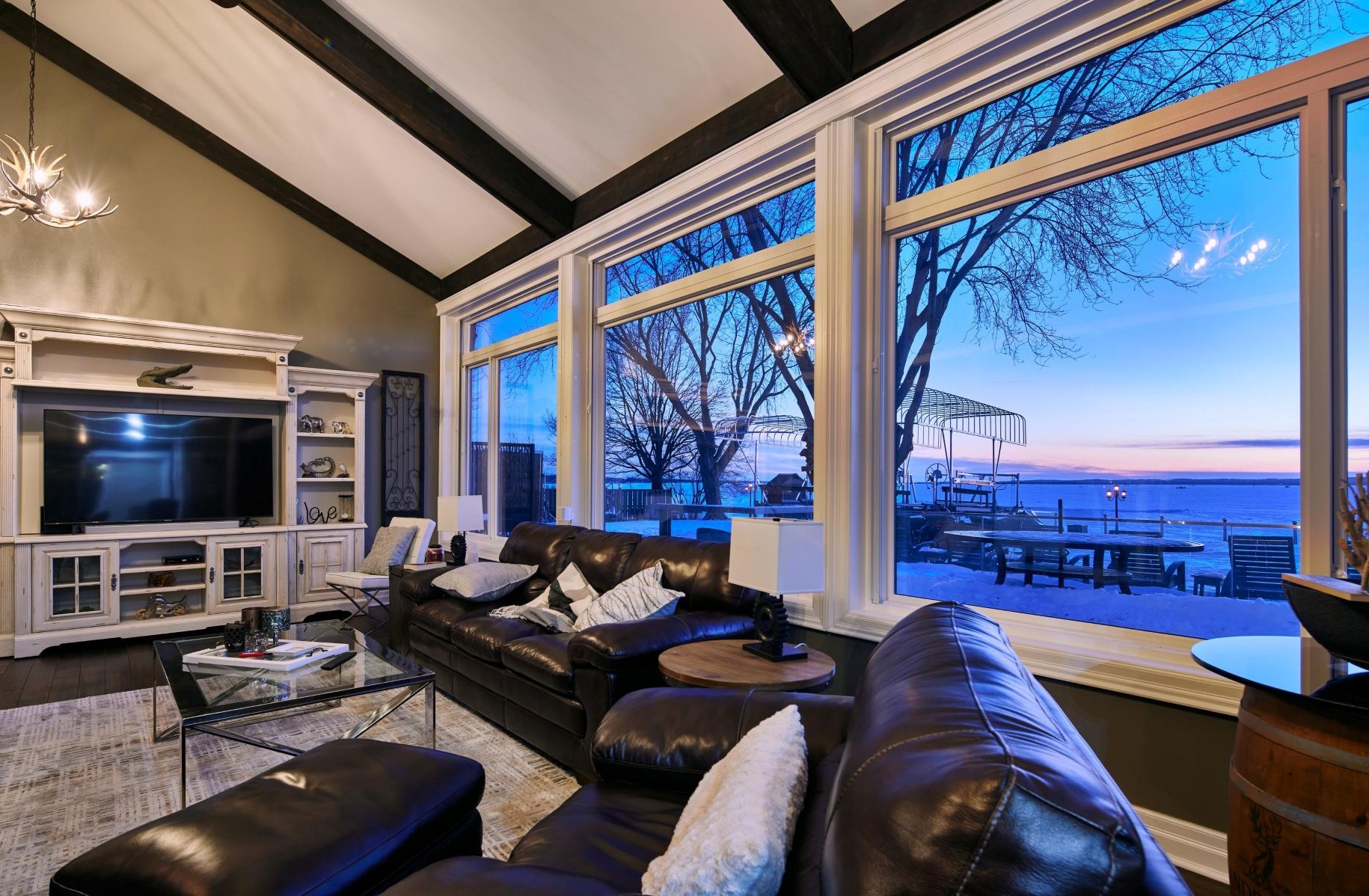
Older windows are a common source of air leaks and heat loss, which drives up energy costs year-round. It goes without saying that in Ontario's climate, that's a big issue. Replacing old windows with modern, energy-efficient double or triple-pane windows can reduce monthly energy bills by up to 15%, which is highly valued in today’s real estate market as homeowners continue to invest in energy efficiency.
A standard-sized vinyl window costs approximately $800-$2,000 fully installed in Ontario, depending on size, style, and glazing options.
Homeowners can expect to recover 50-80% of window replacement costs at resale. For Ontario specifically, energy-efficient vinyl windows deliver an ROI in the 70-80% range.
New windows also contribute to better air quality indoors by reducing drafts, moisture infiltration, and the mould risk that comes with older, poorly sealed frames.
6. Focus on Energy Efficiency
Energy-efficient upgrades are increasingly important to Ontario buyers. Plus, you might be eligible for rebate programs for energy-efficient renovations, which can help you save money on upgrades.
Here are some highly valued upgrades.
HVAC System
Your HVAC system accounts for roughly 43% of your home's energy bill. An outdated or inefficient system raises energy costs, and buyers know it. Therefore, upgrading to a modern, energy-efficient unit reduces utility bills and signals that the home is well-maintained. Given Ontario's climate zone, which includes both cold winters and humid summers, a reliable heating and cooling system is undoubtedly a practical necessity.
Smart Thermostat
A smart thermostat costs between $250 and $400 to install and can cut heating and cooling costs by roughly 10% annually. Buyers see a smart thermostat as a visible sign that the home is set up to reduce energy bills.
Insulation and Air Sealing
Improving insulation and sealing air leaks is one of the less visible but more cost-effective energy-efficient upgrades available. According to Energy Star, homeowners can save up to 15% every year in heating and cooling costs through attic insulation and air sealing improvements.
Energy Star Appliances
Appliances account for around 15% of home energy consumption, so replacing older units with Energy Star-certified appliances can reduce energy costs. This upgrade resonates with buyers who are thinking about their ongoing expenses.
Solar Panels
Solar panels are a longer-term investment, but they're gaining traction in Ontario as energy costs continue to rise. They reduce energy bills and can qualify for government incentives. They're most relevant for homeowners planning to stay in the home for several years before selling, as the payback period is longer than most other energy-efficient upgrades.
7. Minor Kitchen Remodels

The kitchen is where families gather, which is why many buyers focus most of their attention on it. Kitchen remodels are consistently ranked as the top ROI home renovation projects in Canada. A minor kitchen remodel can recover 75-100% of its cost in many Ontario markets, sometimes even more.
The key word here is "minor." A full gut renovation is expensive and rarely recovers its full cost. A smarter approach is to refresh what's already there:
- Paint or reface existing cabinets rather than replacing them
- Swap out hardware for modern fixtures
- Replace countertops with quartz or high-quality laminate
- Update the backsplash
- Install Energy Star-certified appliances
- Improve lighting with updated fixtures
A minor kitchen remodel in the $15,000-$25,000 range typically returns 75-100% at resale in Toronto and surrounding areas. Even a refresh in the $5,000-$10,000 range, like new paint, hardware, and a few updated fixtures, can have a meaningful impact on how buyers perceive the home's overall value.
You can also read our guide that includes a detailed cost breakdown for different kitchen renovation projects.
8. Bathroom Refresh
The bathroom is the other area buyers scrutinize closely. A full bathroom renovation averages a 62% return, but a more modest refresh, such as a new vanity, updated fixtures, fresh tile, and modern lighting, can recover 62-80% of its cost while keeping the project budget manageable. Bathroom remodels typically cost between $2,500 and $30,000.
9. Add or Improve Outdoor Space
Outdoor space matters to Ontario buyers, particularly to families looking for usable areas beyond the interior square footage. A well-designed deck or patio extends the living space of the home and adds to the overall value. These upgrades are immediately apparent to anyone viewing the property. A quality deck addition returns 65-75% of its cost at resale.
A patio is a lower-cost option that still improves the outdoor space. Patios generally return 40-65% of their cost, which is lower than the ROI of a deck installation or renovation but still a positive addition when combined with other improvements.
10. Replace Your Patio Doors
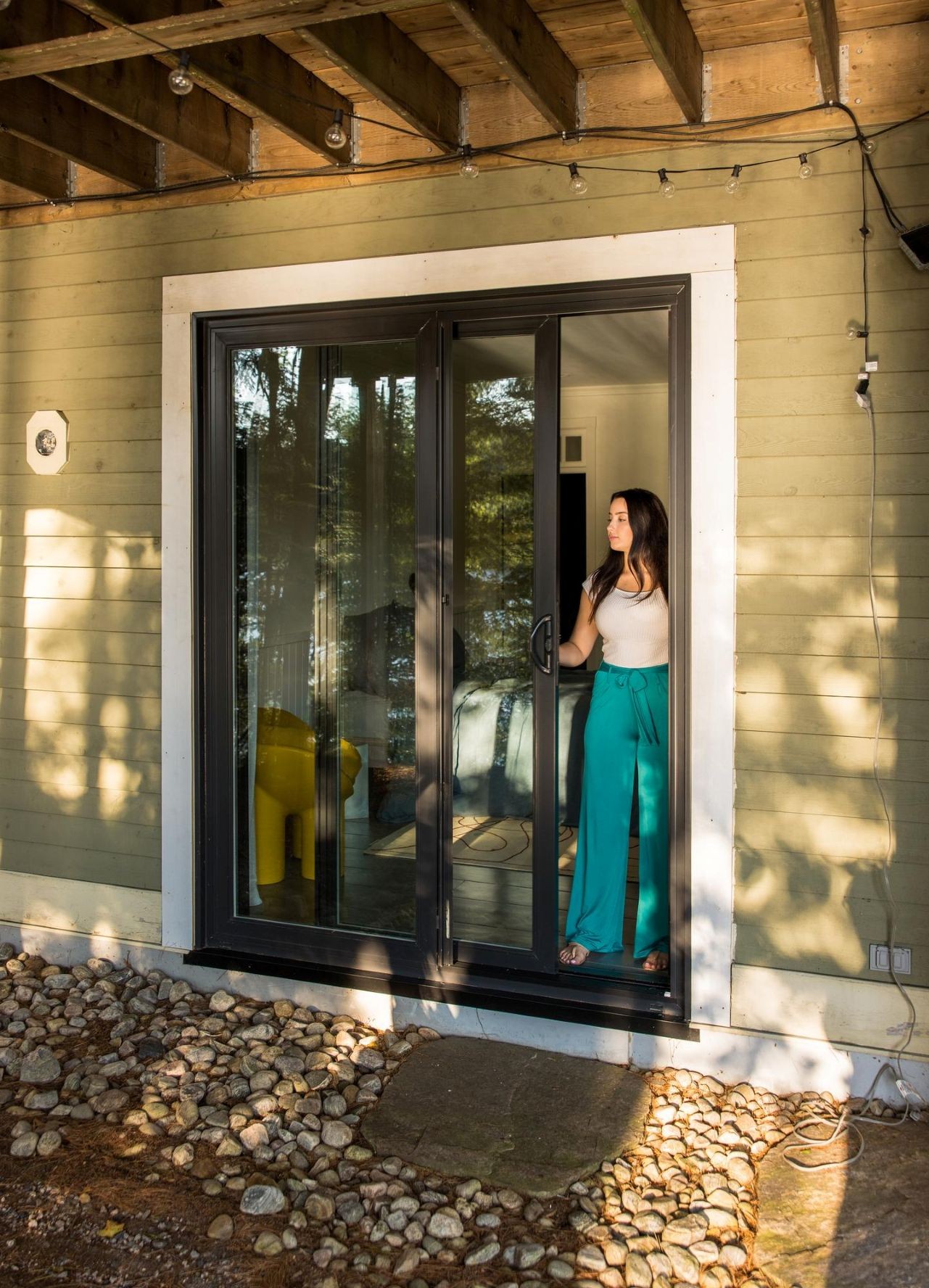
Patio doors are often overlooked in renovation planning, but they're a high-visibility feature in the rooms where families gather most: the kitchen, dining room, and living space. And, ultimately, an outdated or drafty patio door affects the look, the comfort, and the energy bills of the home.
Vinyl sliding patio doors are the most common choice in Ontario, with installed costs typically ranging from $2,000 to $10,000+, depending on size and customization. Glass options, frame finish, and hardware all influence the final price. Like windows, energy-efficient patio doors with good sealing reduce air leaks and help lower utility bills, which is a selling point that resonates with future buyers who are thinking about ongoing energy costs.
Here are the price ranges for different types of patio doors:
11. Consider Finishing the Basement
A finished basement converts unused space into livable, functional square footage. Buyers definitely pay attention to total usable living space when evaluating a home.
On average, finishing a basement can add $40,000 to $50,000 in value. If adding square footage is the goal, a finished basement is usually more cost-effective than a full addition, and it doesn't require the same level of structural work or permitting.
In Ontario, a finished basement typically returns 50-75% of renovation costs at resale, with the number rising if you add a legal bedroom and bathroom or configure the space as an accessory dwelling unit that can generate rental income.
If you're wondering how much it costs to renovate a basement, you can read our comprehensive guide on this topic.
12. Fresh Paint Inside and Out
A fresh coat of paint is one of the simplest and most cost-effective home improvement projects available. It’s also one of the most consistently recommended upgrades by real estate agents across Canada. Interior painting typically has an average ROI of 107%.
A new paint job for an average Ontario home might run a few thousand dollars if you hire professionals, or significantly less if you do it yourself. Either way, it's one of the best returns available on a per-dollar basis.
13. Build a Home Office
A dedicated home office is now a strong selling point for Ontario buyers, especially remote and hybrid workers. After all, 330 million people work remotely worldwide, so home offices are incredibly valued.
You don’t always need to build new square footage. You can just convert an existing space, like a spare bedroom, a corner of a finished basement, or part of an underused room. Focus on a door for privacy, good lighting, enough outlets, neutral fresh paint, and simple storage so the room feels organized and flexible.
If you go beyond a basic conversion, you can finish a basement or convert an attic into an office. This can add usable square footage. Converting an attic into a home office costs $20,000 to $40,000, but it will likely be a good investment if you know there are many remote workers in your area.
14. Maintenance First
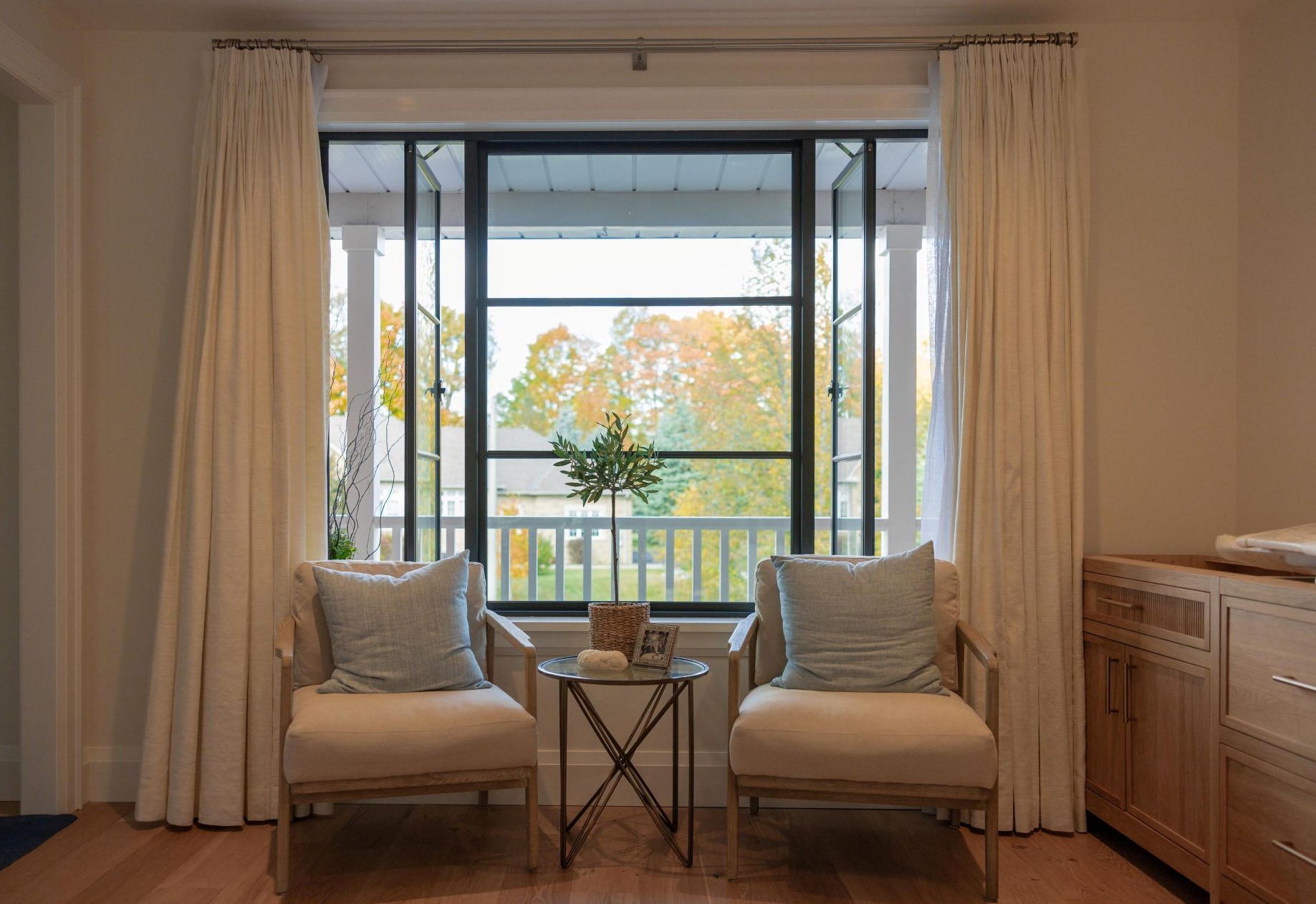
One point worth emphasizing: before investing in cosmetic upgrades, take care of any outstanding maintenance issues. Buyers and their inspectors will find the problems if they exist, such as cracked foundations, aging roofs, water damage, and outdated electrical panels. Those issues will reduce your home's value and make it harder to sell at a higher asking price, regardless of how fresh the paint looks or whether you make any other upgrades.
A real estate professional will tell you that deferred maintenance is one of the biggest value-killers in an otherwise solid home. Address the basics first, then layer on the upgrades that improve curb appeal, energy efficiency, and livable space.
ROI Summary by Project
Talk to a Professional Before You Start
Before committing to any home renovation, it might be helpful to talk to a real estate agent who knows your specific neighbourhood. They can tell you which upgrades buyers in your area are actually asking about, and which ones tend to get overlooked. What increases your home's value in one part of Ontario doesn't always carry the same weight somewhere else.
If you're focused on windows, patio doors, or front doors specifically, it might be worth it to find a company that offers professional installation and energy-efficient options suited to Ontario's climate zone. If you don’t know where to start, contact Magic to book a free consultation.
Financing a Home Renovation Project
Not every homeowner has cash sitting aside for a major renovation project. If that’s your case, you don’t have to give up on your renovation project just yet. There are a few methods Ontario homeowners can rely on to fund home upgrades, including:
- Home equity line of credit (HELOC). This gives you access to your home equity as needed, which works well for projects completed in phases.
- Cash-out refinance. This replaces your existing mortgage with a larger one and gives you the difference in cash, often used for bigger projects like a kitchen renovation or an addition.
- Fixed interest rate or variable interest rate loans. Whether a fixed interest rate or a variable interest rate makes more sense depends on your comfort with changing payments and where rates are headed.
Whichever option you choose, it's worth running the numbers with a financial advisor or a real estate agent to confirm the renovation project will add enough resale value to justify the cost.
FAQs
How much does it cost to upgrade kitchen cabinets?
Updating kitchen cabinets can cost around $10,000 to $20,000. The final price depends on material quality, design, and other factors.
How to increase home value by $50,000?
Increasing your home's value by $50,000 often requires a combination of high-ROI upgrades, such as a kitchen remodel, bathroom renovation, energy-efficient window replacement, improved curb appeal, and adding usable living space. The exact increase depends on your local real estate market, the home's condition, and the quality of the improvements.
What increases a house's value the most?
Kitchen upgrades, bathroom remodels, energy-efficient improvements, and enhanced curb appeal typically increase a home's value the most. Buyers also place a premium on modern windows, updated flooring, functional layouts, and well-maintained exterior features that improve both appearance and performance.
What is the quickest way to add value to your home?
The quickest ways to add value to a home include fresh interior paint, landscaping improvements, replacing outdated fixtures, decluttering, deep cleaning, and upgrading old windows or entry doors. These relatively affordable improvements can make a strong first impression and increase buyer appeal.
What devalues a house the most?
Major structural issues, water damage, outdated systems, poor maintenance, roof problems, and low energy efficiency can significantly reduce a home's value. Visible signs of neglect and outdated features may also discourage buyers and lead to lower offers.
What is the hardest month to sell a house?
In many markets, January is often considered one of the hardest months to sell a house because buyer activity tends to be lower during the winter season. However, local market conditions, inventory levels, and economic factors can affect the best and worst times to sell in your area.