Front Doors
How to Pick a Front Door Color: Easy Tips for Perfect Curb Appeal
Picking a front door color... Now, this is undoubtedly a challenge! There are so many things to consider... Color palettes, hardware hues, finishes, the climate, the door trim, and so many more! How can you really make a choice and then have the peace of mind that it's actually the best choice?
Well, don't worry too much yet! We've prepared some tips on how to pick a front door color: even if they may not lead you directly to your final decision, they'll definitely help you narrow down your choices and maybe they'll inspire you to bring your dream front door to life!
So, let's get down to business!
Consider Your Home's Exterior
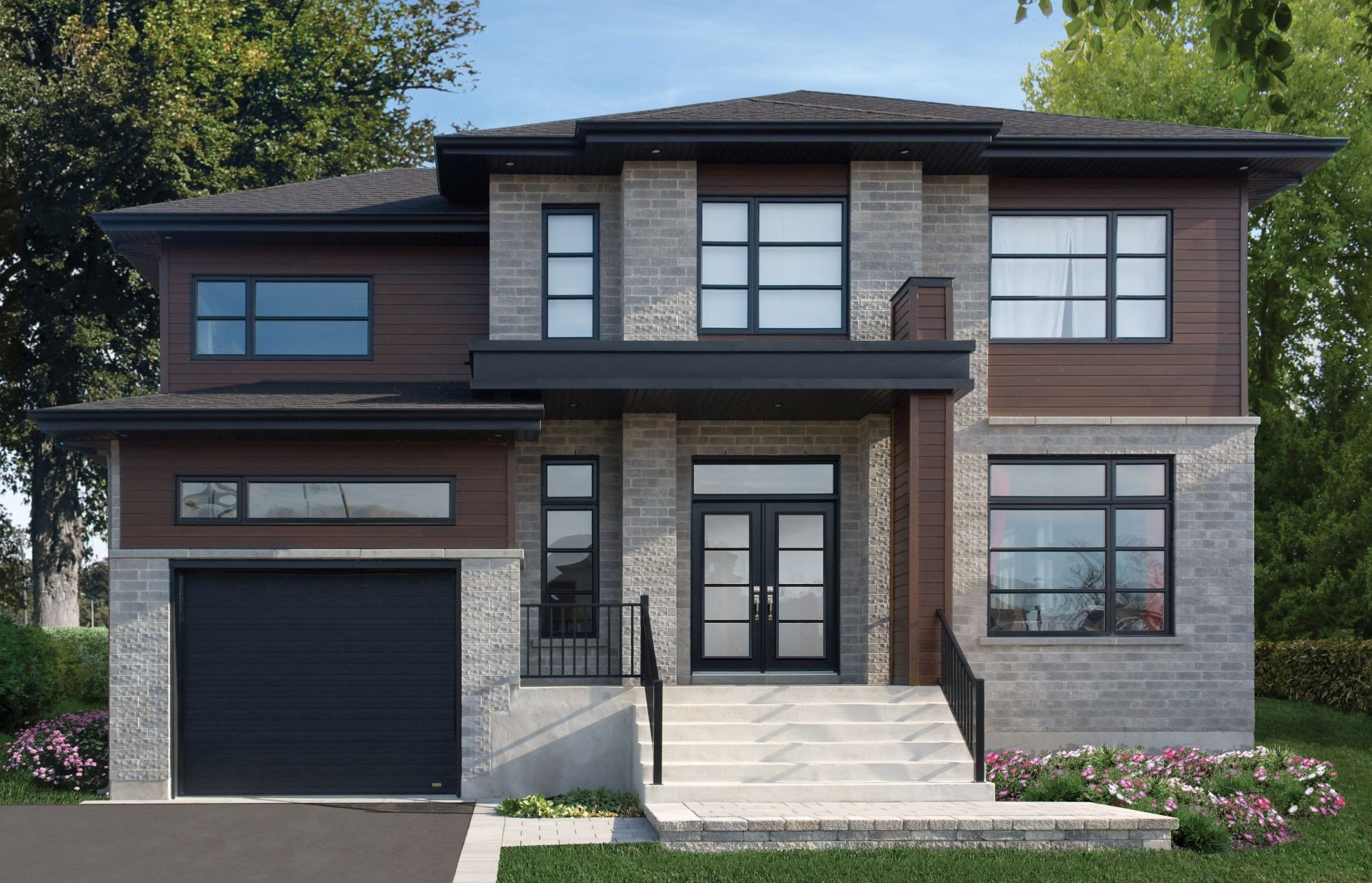
Start by examining the colors and materials that define your home's facade... Brick, stone, siding, roofing, and trim. All of these elements need to be harmoniously combined for a visually pleasing home exterior. Pay close attention to the roof as well. After all, it's often the largest unifying surface.
For example, if your house has a red brick exterior, you can install a deep navy or charcoal front door. If your house has gray siding, you can go for black, white, or even sunny yellow for your front door. Limestone or tan stucco calls for earthy or sun-warmed hues: terracotta or olive, for instance.
To make things easier, you can take a photo of your home's design and use an AI tool to try on different front door colors.
Consider Your Home's Architectural Style
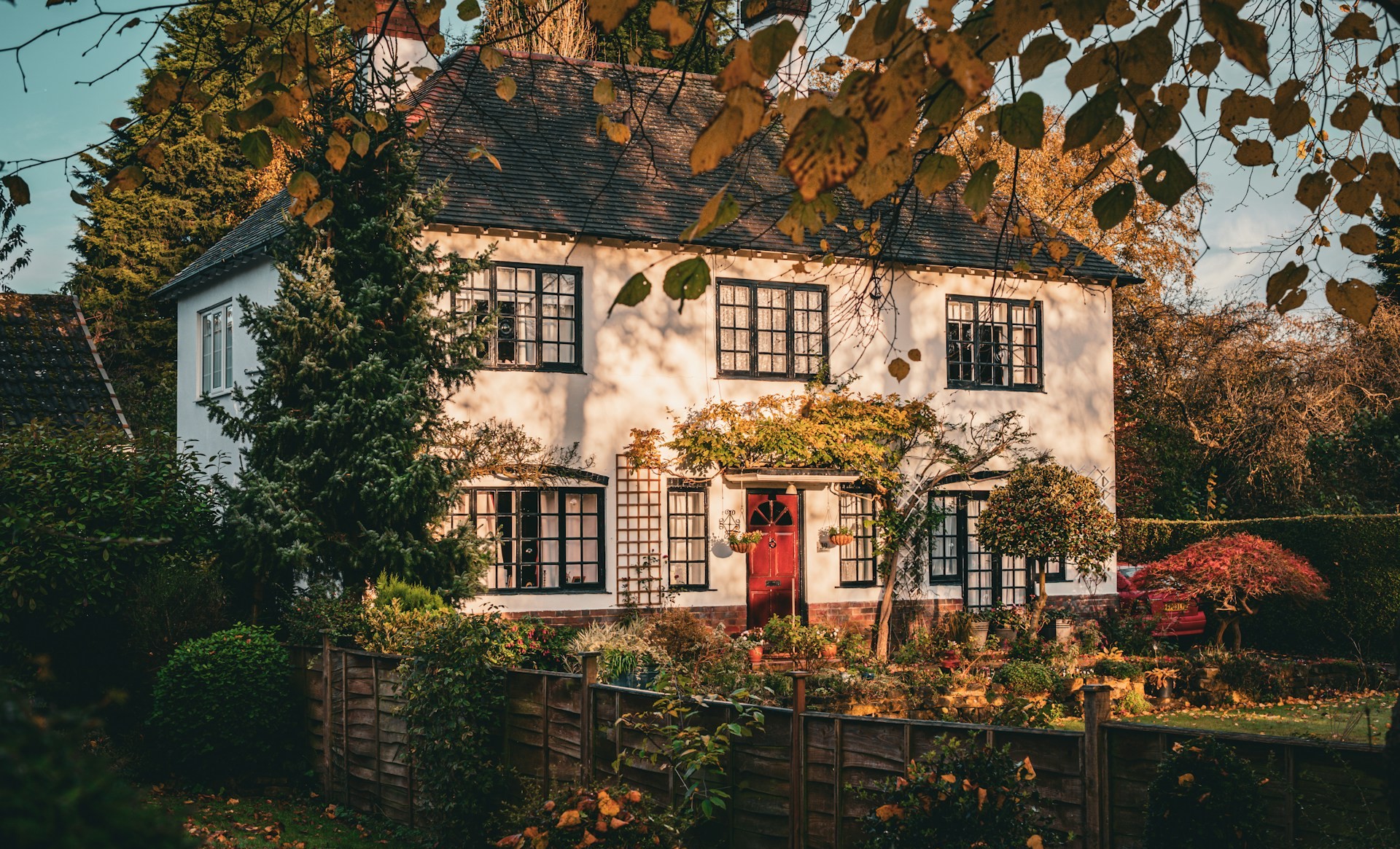
If you want to go the extra mile or if your house has historic value, it might also be a good idea to assess your home's architecture.
For instance, Victorian homes usually feature saturated hues such as deep plum, emerald, or burgundy.
Mid-Century modern homes lean toward colors like mustard yellow, teal, or orange.
On the other hand, Colonial or Georgian homes prefer neutral hues and feature navy, red, or black front doors for a touch of sophistication.
If your house has a minimalist design, you can go for charcoal tones that complement the color and design of steel, glass, or concrete.
Go For Classic Colors, but Make Them Interesting
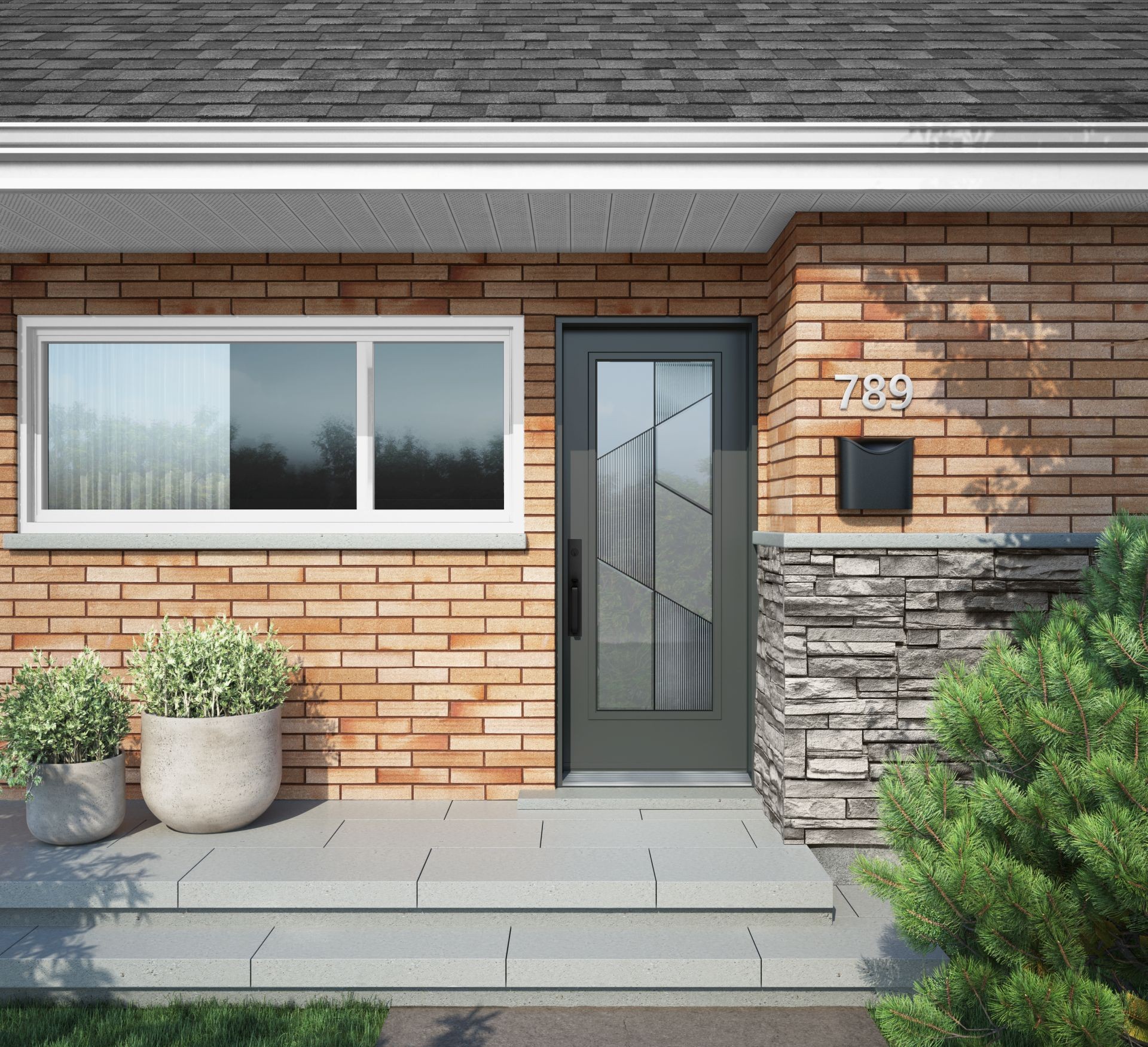
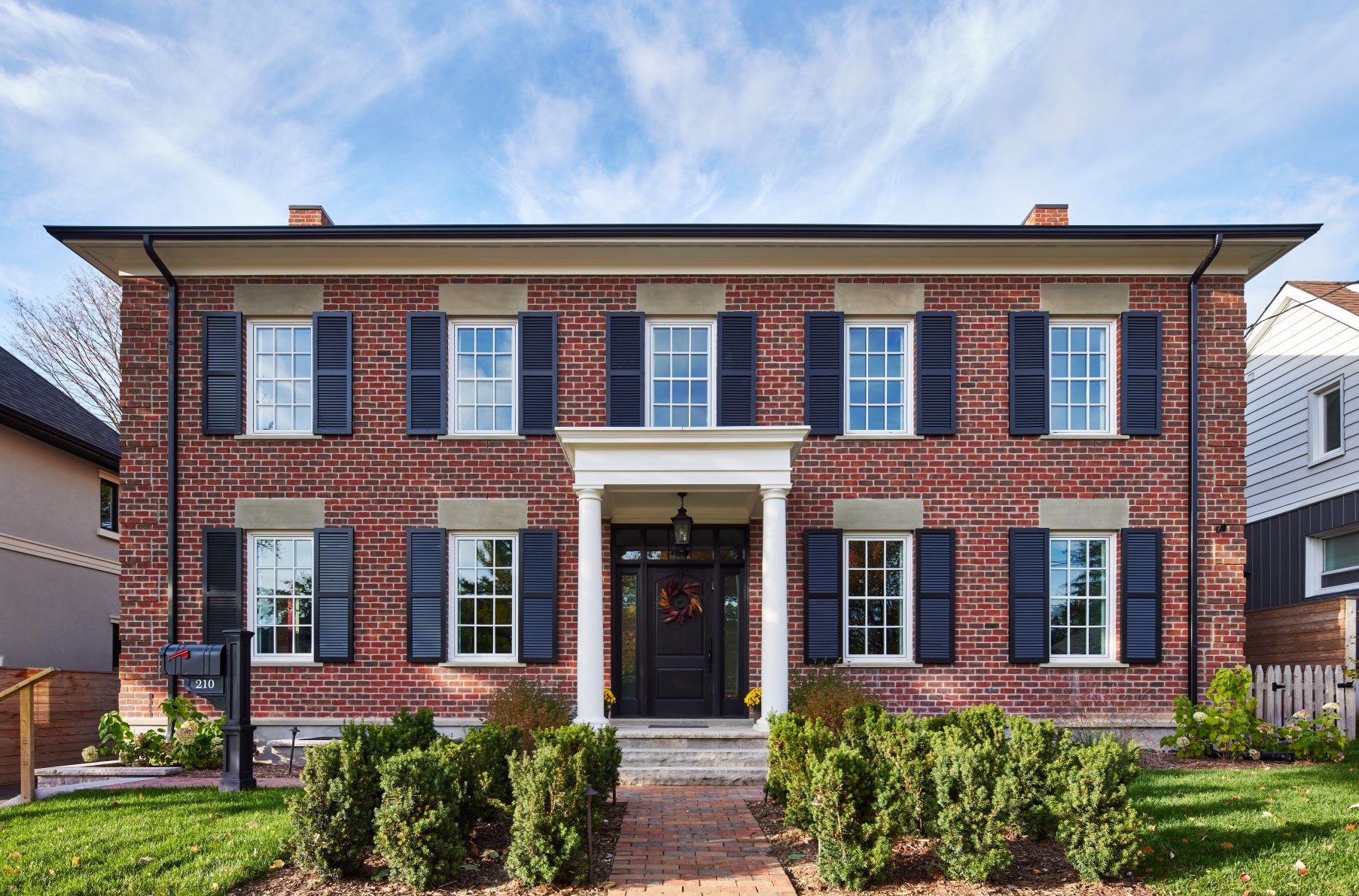
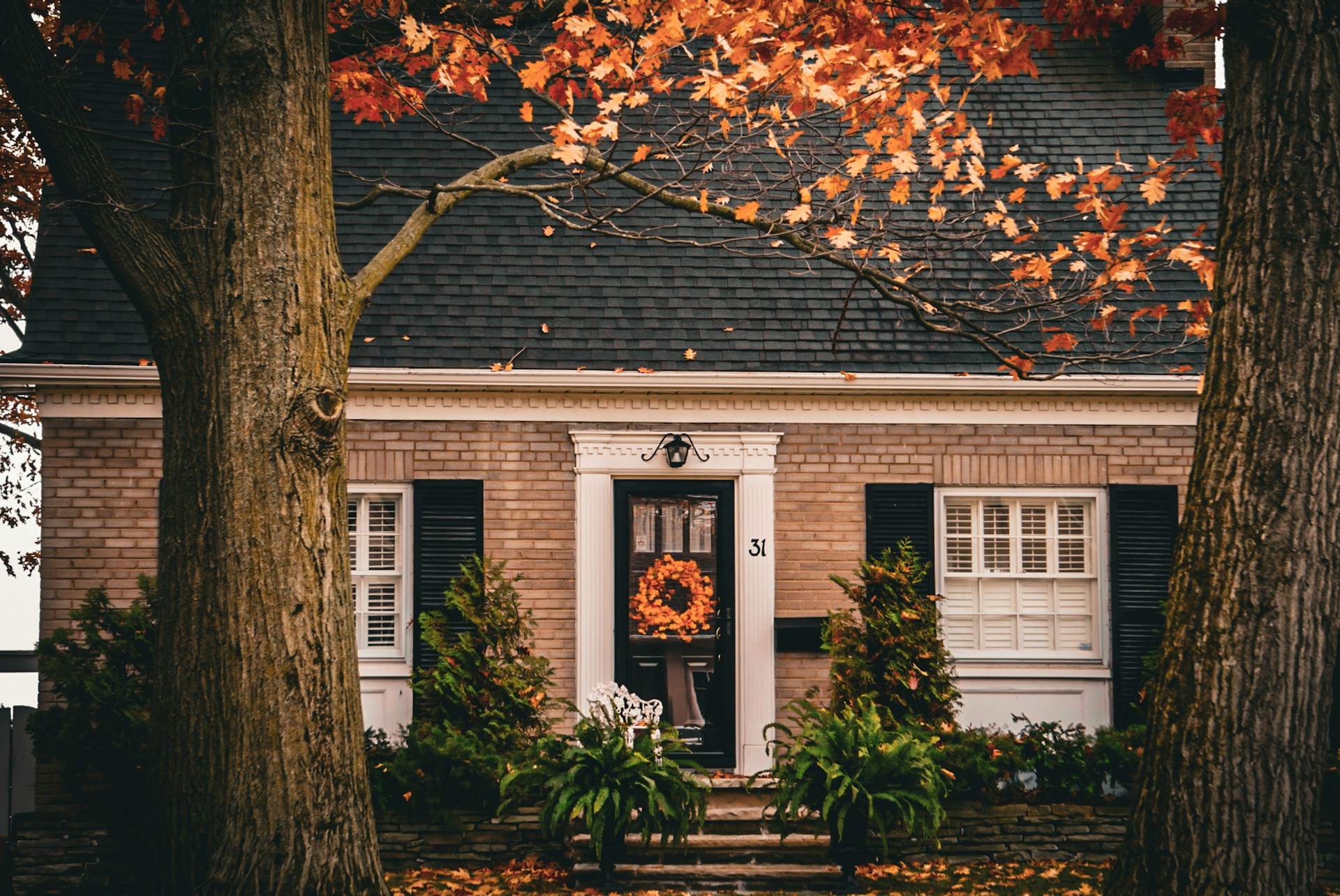
You can't go wrong with a classic colour. But classic doesn't necessarily mean boring, especially if you put some thought into accents. For example, a black door is definitely a timeless choice. But it's undoubtedly not boring if the facade is designed wisely.
Plus, designers rarely use pure versions of classic colors. You can go for a soot black with a hint of green, which feels softer than a jet black. Or you can pick a Prussian blue, which is different from the classic navy. Moreover, you can use a semi-gloss or high-gloss finish on traditional hues, which can totally change the overall look of your front door.
Experiment with Bold Colors
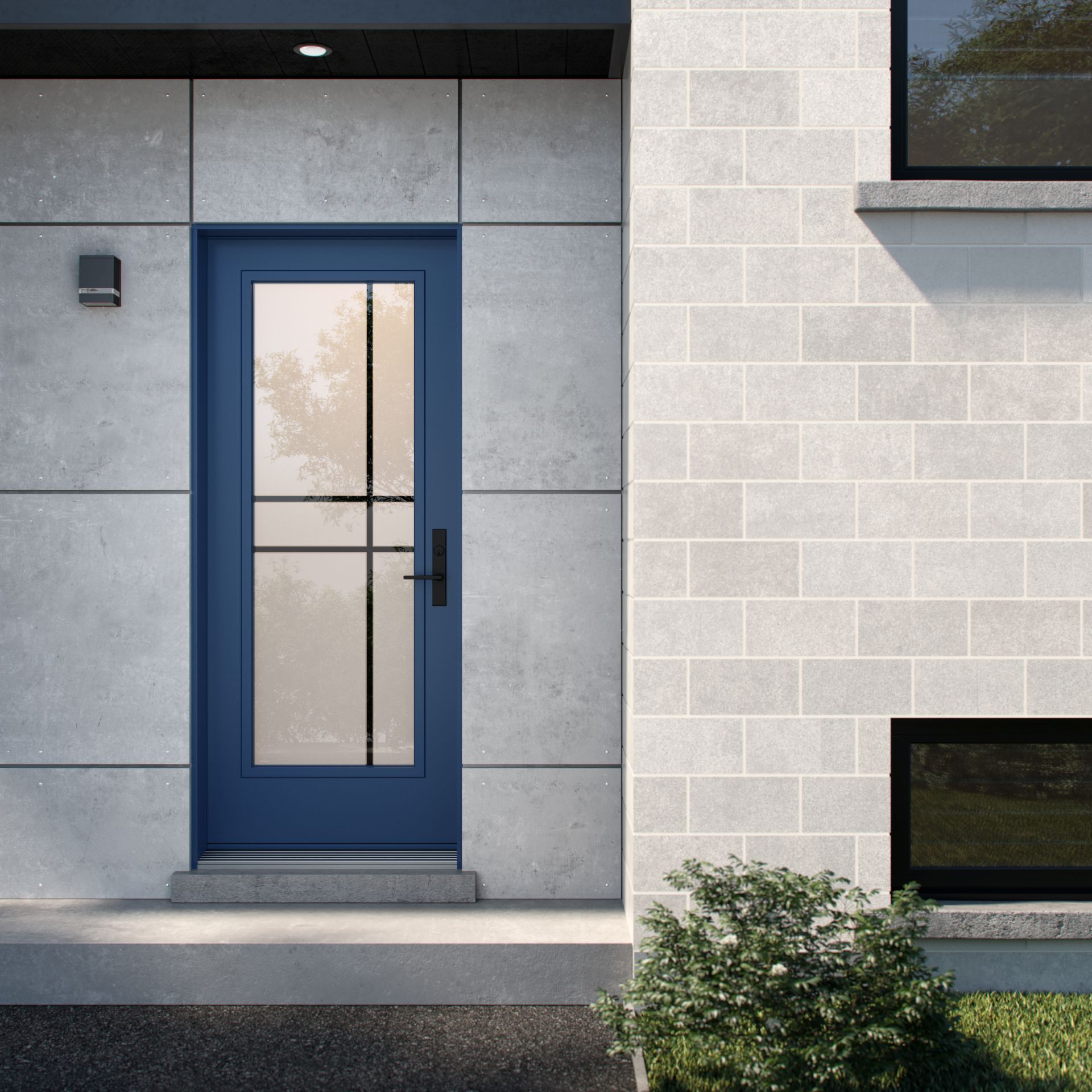
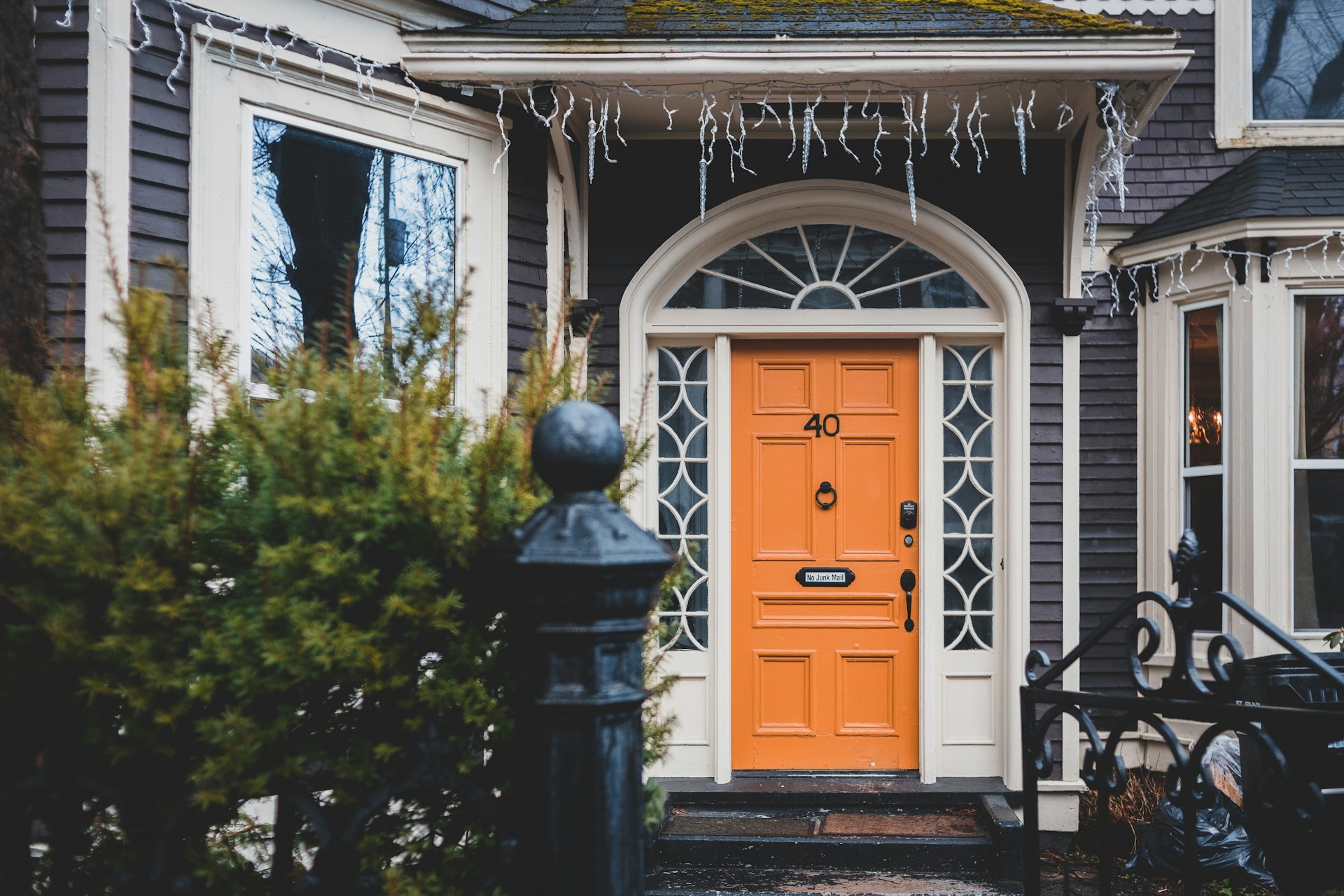
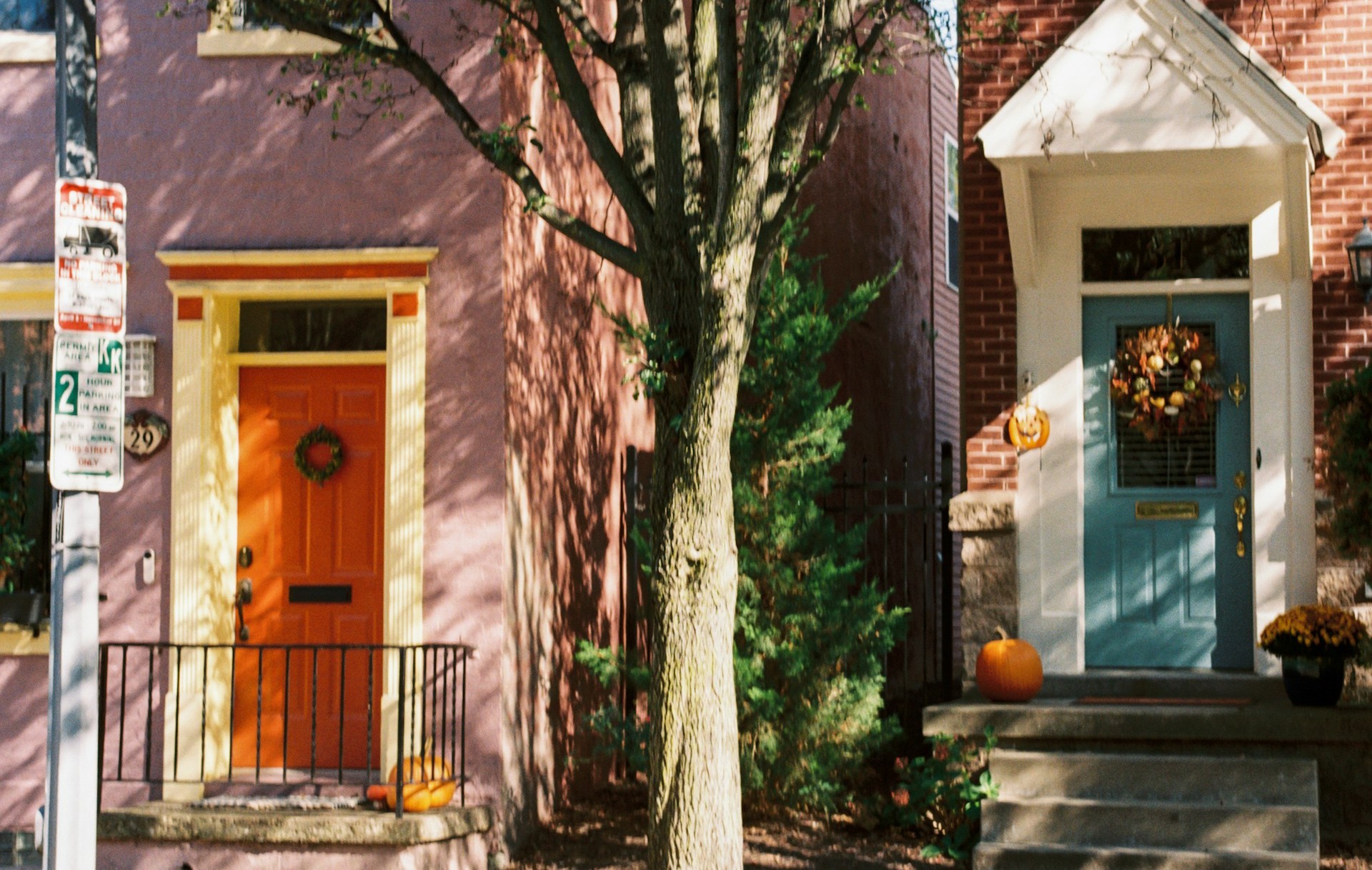
If you really want your house to stand out and if you want your door to add visual interest to the facade, don't be afraid of bold colors! Sometimes they indeed do not pair well with the overall design, which is why you'll have to research color combinations before picking a color.
A coral, for instance, might pair well with a white stucco house located in a region with a warm climate, as it will further brighten it up. But it might feel garish on a cedar-shingled cottage in regions with a colder climate.
And don't forget to take into consideration the door's finishing touches. High-gloss finishes usually highlight a bright door's dramatic statement. Matte finishes subdue saturation. Both can look amazing as long as they fit with other elements of the facade (and, as mentioned earlier, with the climate in your region).
You should also carefully choose the door hardware and trim for subtle accents and a bit of depth. A mustard yellow door, for example, pairs well with matte black hardware and charcoal trim. And then you can also use the same color as your front door for a planter, a mailbox, or an interior foyer accent.
However, if you plan to sell your house, it's best to avoid bold colors to attract more buyers.
Match the Door Color with Trim and Accents
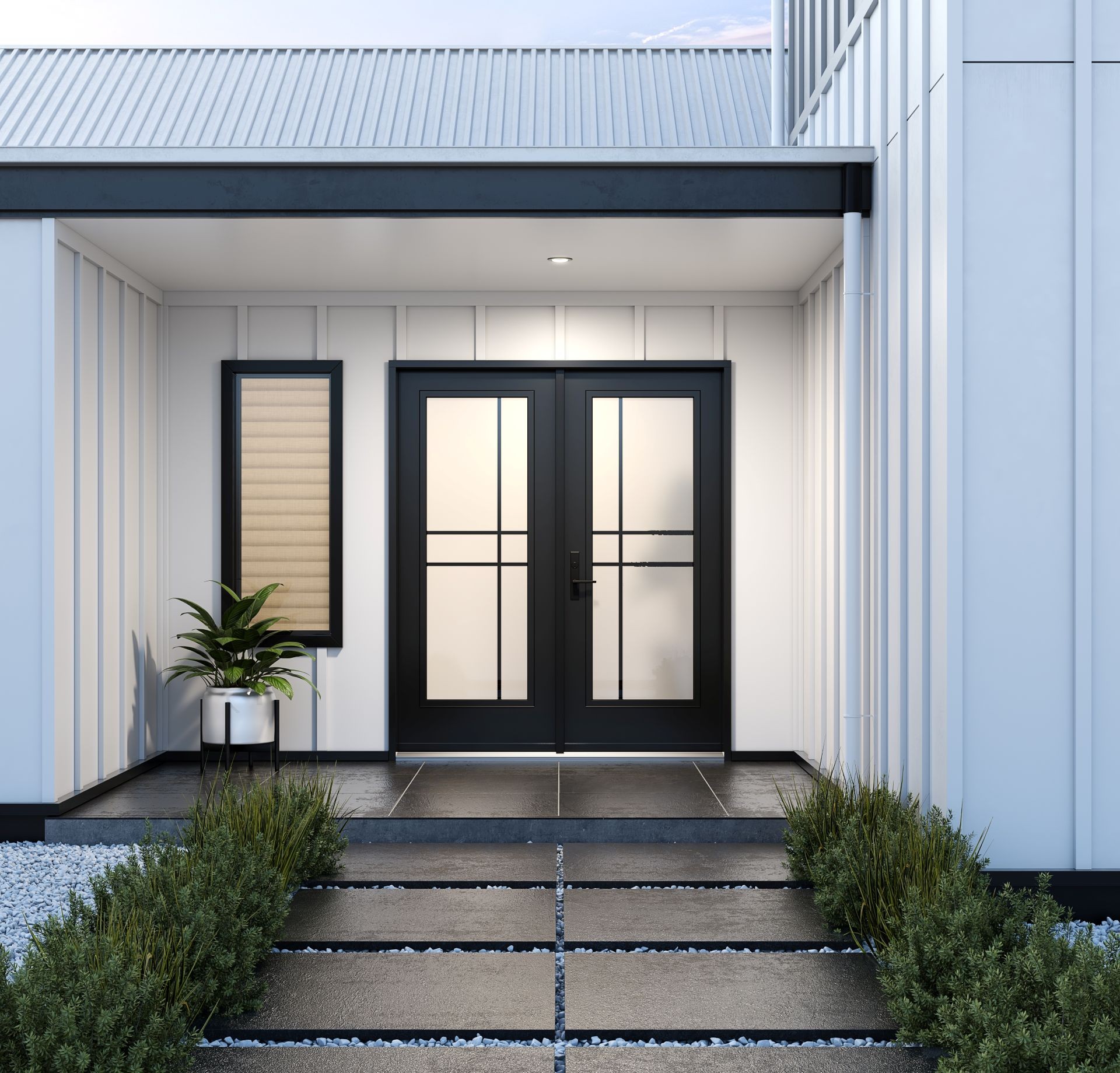
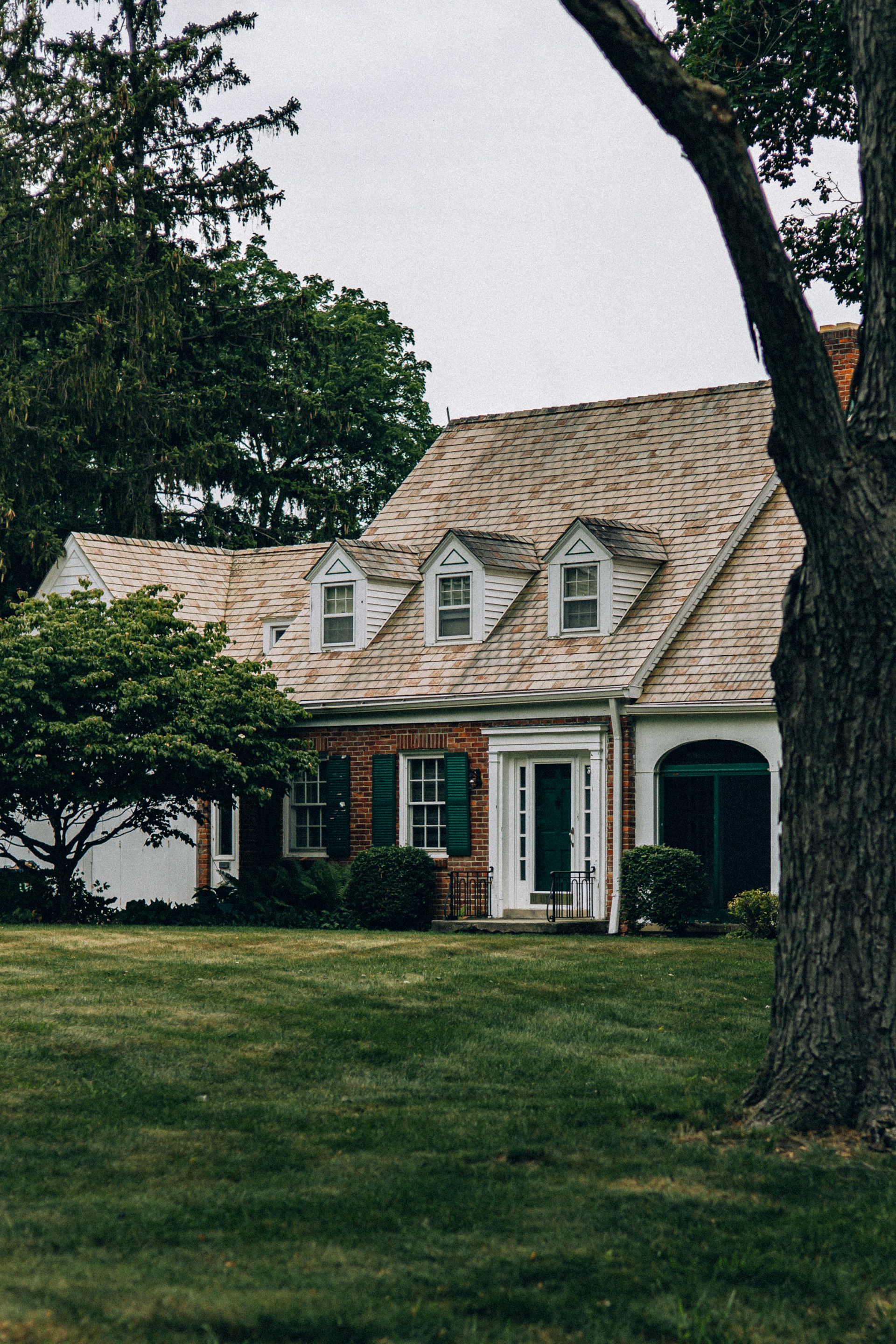
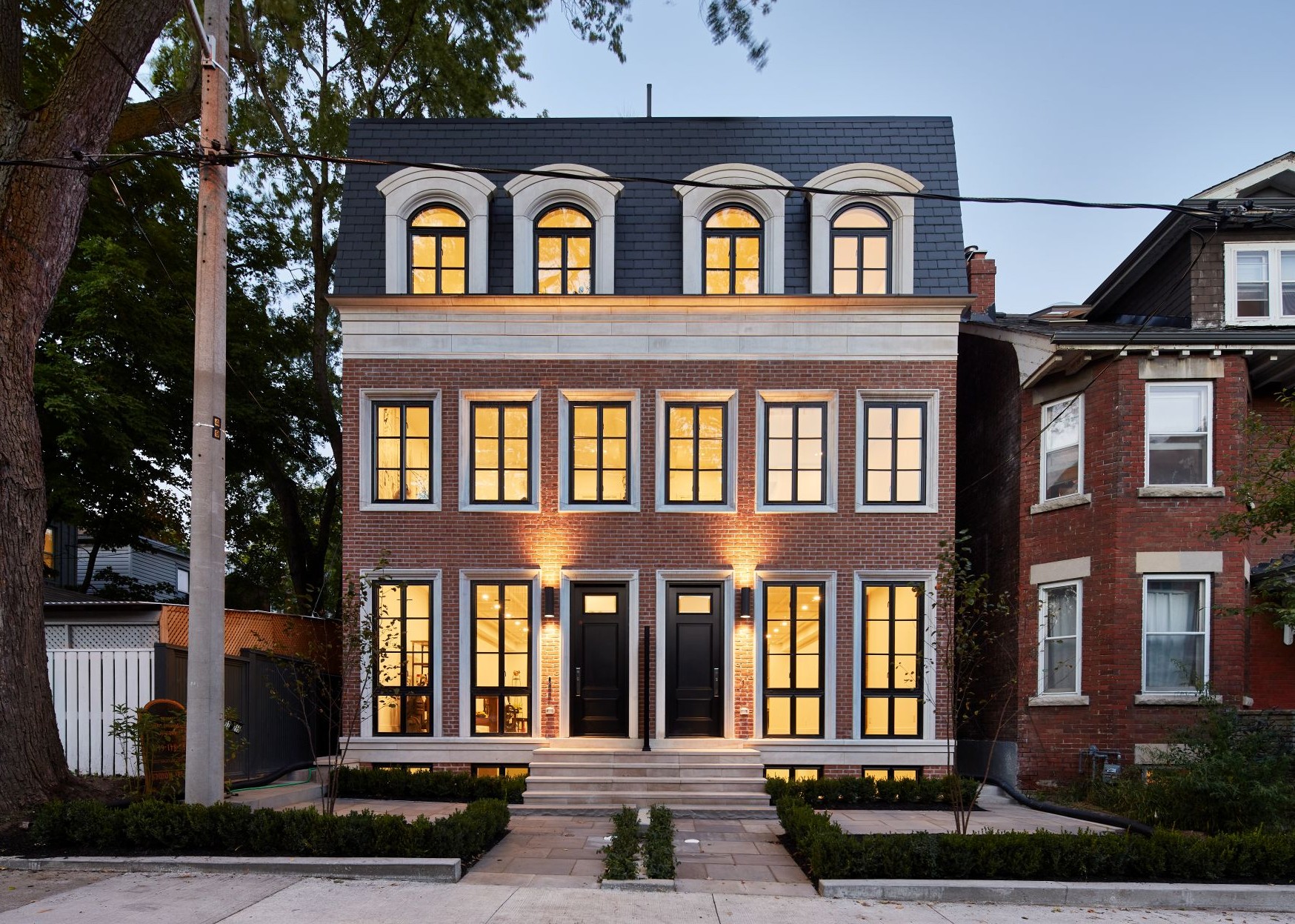
The door, the trim, and the shutters (but not only!) form a visual rhythm on your facade. You can follow the three-color rule in this regard: one dominant colour (usually the siding), one supportive tone (e.g., the door trim and the window trim), and one accent (the door and the shutters).
You can also choose an accent color that differs enough in lightness/darkness from the dominant color. For example, if your trim is cool white, you can install a charcoal or slate door for an elegant contrast and a lasting impression. If your trim is cream, go for deep green or aubergine. Or you can go the other way around: dark trim, light door.
Keep in Mind the Surroundings as Well
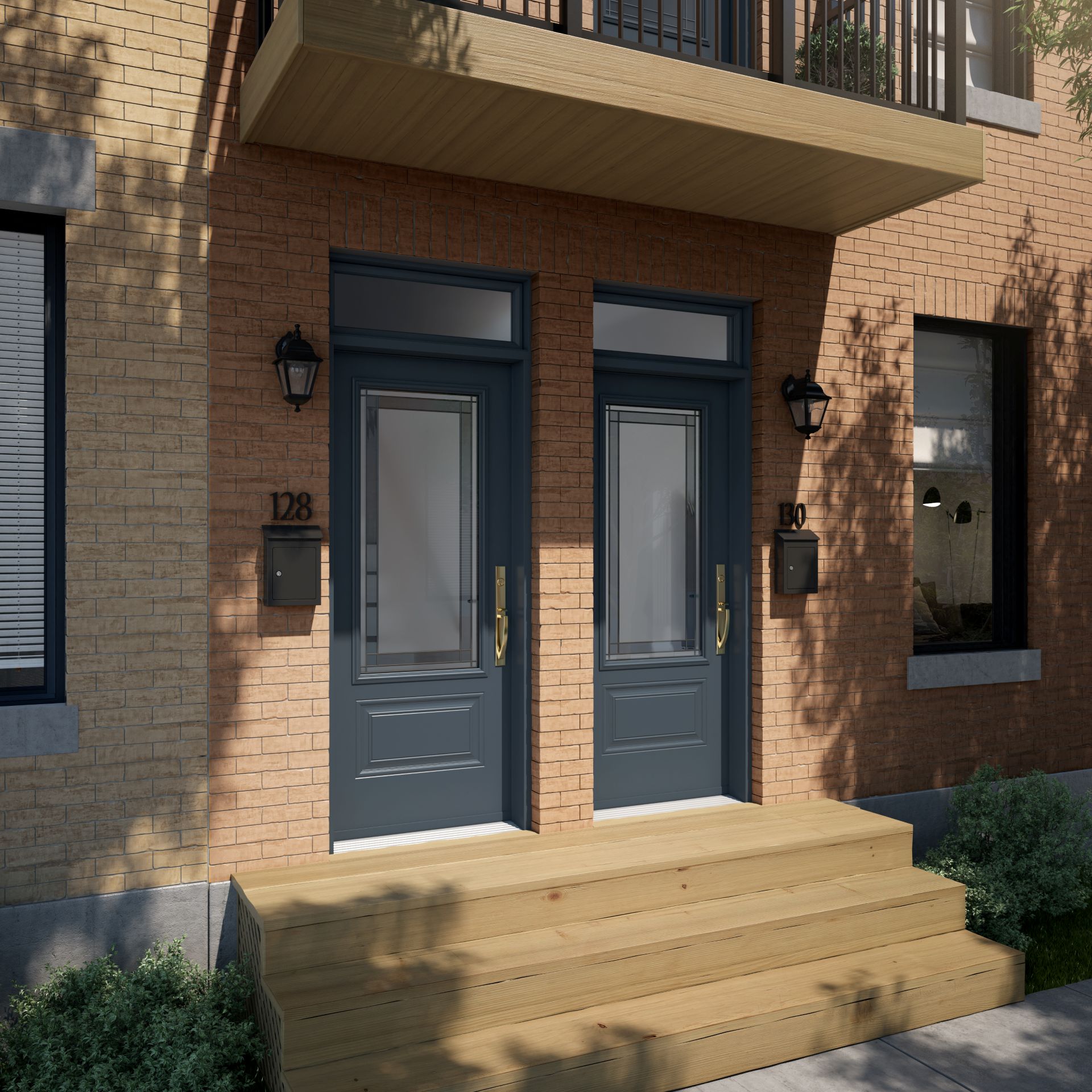

Your home's setting contributes as much to color perception as the paint itself. Think about the landscape, climate, and even the style of other houses on your street (which you can use to draw inspiration from).
If you have lots of flowers in your front yard and you plan to grow them year by year, you can coordinate your front door color with the plants or the green trees.
Or if you live in a coastal region, you might want to go for brighter hues, as salt air and sunlight can desaturate colors quickly.
Contrastingly, in wooded or mountainous environments, people often go for lighter, earthy tones that help the home breathe amid the deep greens and browns of the outdoors.
Test Paint Colors in Different Lighting
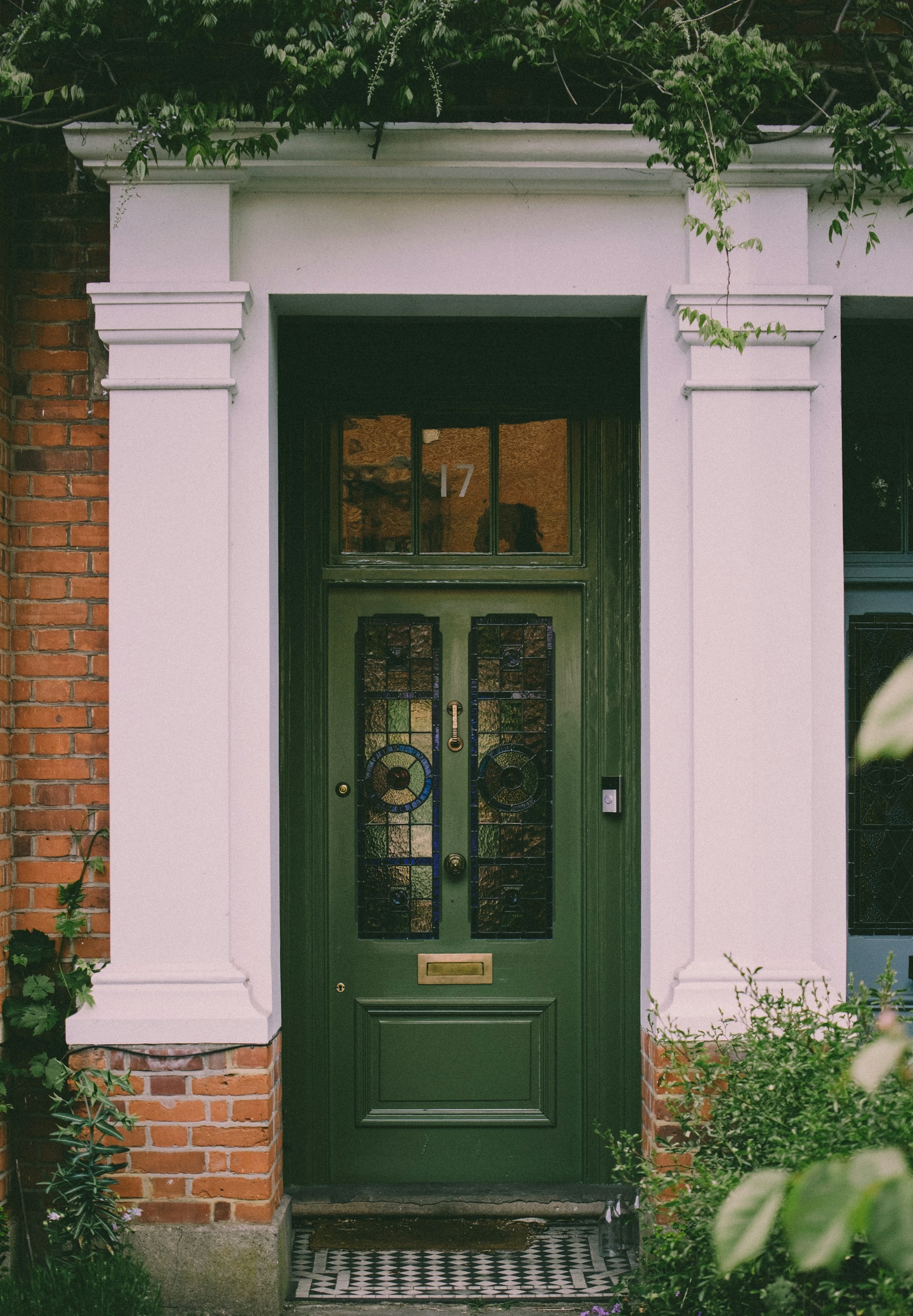
Professionals never finalize exterior door colours without real-world testing because the colours do not have the same effect in different lighting conditions. The hue shifts depending on light direction, season, and even surface texture.
For instance, north-facing facades receive cooler, bluish light, and colours can appear duller and may need warming up (warmer gray instead of dark gray or green). Conversely, south-facing doors bathe in golden light, so bright front doors can look a bit exaggerated.
And the finish matters just as much: gloss reflects more light, matte absorbs it. In short, you have to test everything before actually purchasing your new door or having your existing door painted.
Use the Color Wheel to Choose a Front Door Color
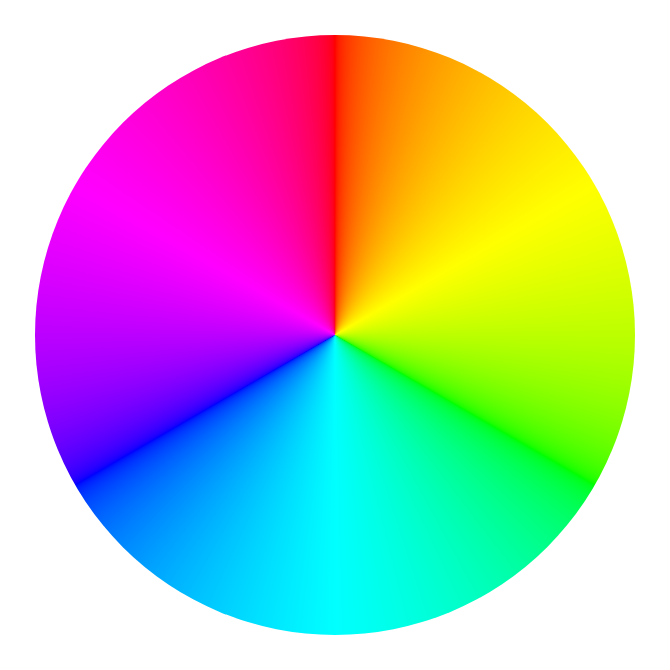
Designers often use the color wheel to choose color palettes. But don't think of it as a rigid rulebook for picking a door color. Instead, it can give you directions on how you can combine colours.
- Complementary colors (opposites) create a dynamic contrast: e.g., red and green are complementary colors; a coral door on a blue-gray or light blue house can serve as a big statement for your home's architecture.
- Analogous colors (next to each other) feel more calming: e.g., a sage door on a beige home.
- Tetradic schemes (four colors, a pair of complementary color pairs): e.g., yellow, purple, red, and green; it can be difficult to work with this scheme because it involves using more colors, but you can choose a dominant one and incorporate the others in smaller details like door handles or plants.
- Triadic colors (colors that are evenly across from each other, forming a triangle): red, yellow, and blue.
Don't Forget About Symbolism and Psychology!
Although this doesn't often come to mind when picking colors, it might be worth it to learn about the psychology and symbolism of colors. After all, you'll be seeing your front door every day when you exit and enter your home!
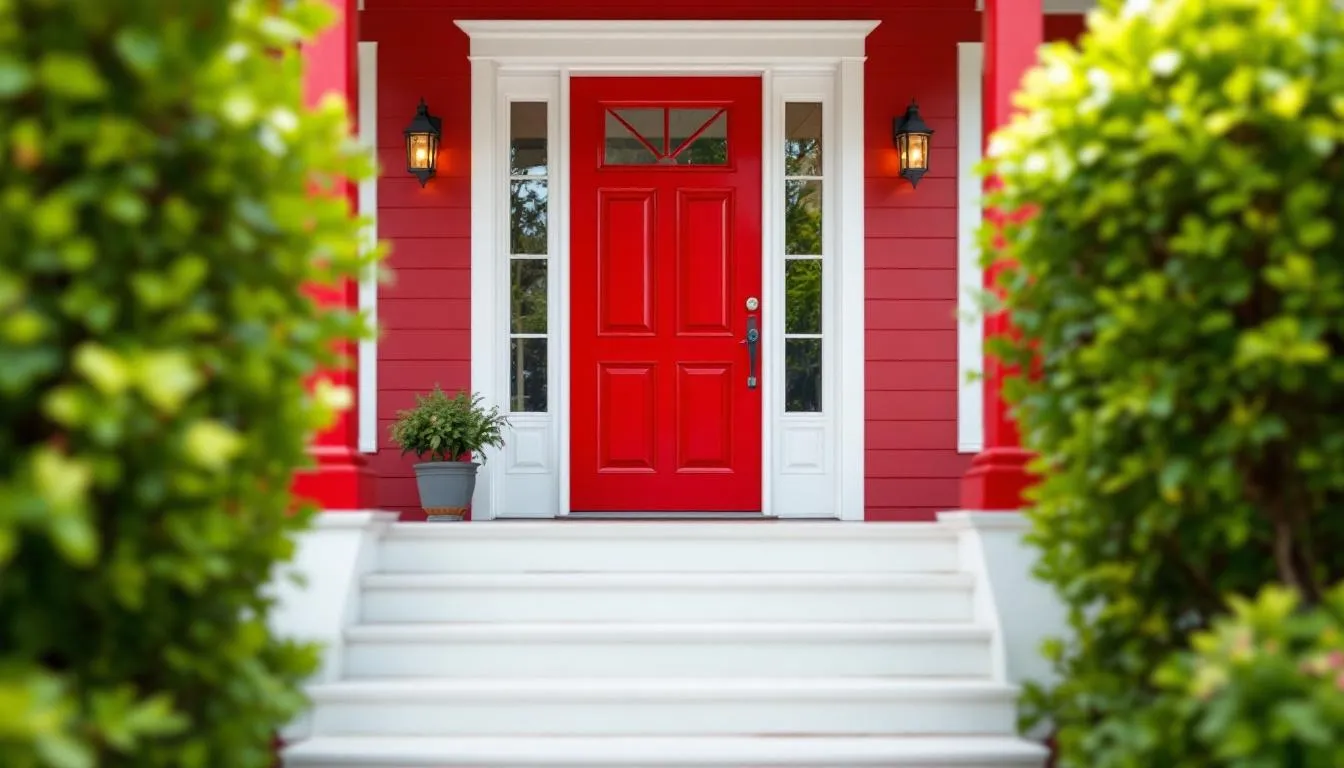
For example, it is believed that red symbolizes energy and passion, but it can also be associated with danger or blood, so the way you perceive it really depends on your preferences and on how you connect the dots.
Blue is the color of the ocean and the sky. It inspires calmness, trust, and stability. However, blue is also often associated with sadness (she's got the blues).
Yellow, on the other hand, emanates optimism and a sense of joy, as it's often associated with sunshine, while green symbolizes nature, healing, youth, and health, although sometimes green can be associated with sickness and jealousy.
Black is often associated with grief and depression. But black exterior doors are actually incredibly popular, and homeowners don't see them as black from a symbolic perspective.
So, the thing is that all these color associations are not universal, but you can try to understand how you resonate emotionally with each color, and then choose the one that aligns with your personal style and with how you want your home to feel.
Think About Maintenance and Longevity
The most beautiful color won't stay that way forever, especially if the door is always in direct sunlight or if the paint is not high-quality and fades or chips quickly. Many people choose UV-resistant exterior paints for south-facing doors, for example. They also prefer semi-gloss finishes, which resist dirt and moisture better. Ultimately, the right paint can truly make a difference in your exterior door's longevity!
Furthermore, keep in mind that dark colors can absorb more heat, which may cause expansion and minor warping over time on certain materials. Lighter tones, on the other hand, reflect light and heat and sometimes offer better durability in harsh climates.
Final Thoughts
Choosing the right front door color is both an art and a science, right? So, as you explore color options, think beyond trends. Focus on what resonates with your home's architecture, with your environment, and most importantly, with you. Test your favorites, observe them in changing light, and picture how they'll look year-round against summer greens, autumn leaves, winter snow, spring rain.
And if you're ready to take your entryway to the next level, Magic can help. Our Ultimate Entry Door can be customized in countless ways, from color and material to glass design and finish, allowing you to create a front door that's truly one of a kind!
Book your free consultation today and get the strongest, most energy-efficient, and most aesthetically pleasing door in the GTA!
Frequently Asked Questions
What are the three colors not to paint your front door?
It is generally recommended to avoid the following colors to paint your front door: neon or super-bright hues like neon lime green or electric blue, very soft pastels like blush pink, and pure white or cool gray.
What color front door means the house is paid off?
In Scottish history, a red front door meant that the mortgage for that house had been paid off.
What is the most popular front door color for 2025?
In 2025, the most popular front door colors are deep/rich blues, such as navy or blue-greens, and earthy greens.
Should I paint my front door the same color on both sides?
It is not necessary to paint your front door the same color on both sides. The exterior color should complement your home's facade, while the interior can coordinate with your entryway space.
Should the front door be lighter or darker than the house?
A front door often blends better when it's darker than the exterior walls. However, in contemporary designs with dark facades, a lighter or brightly contrasting door can also create a striking effect, so ultimately it's up to your preference.
What color is good luck for a front door in feng shui?
Red is considered the most auspicious color in feng shui. It symbolizes prosperity, protection, and welcoming energy. The ideal shade, however, also depends on the direction your door faces: blue for north, green for east, and white for west are other lucky options.