
Energy Efficient Windows
How to Seal Windows for Winter: 9 Best Methods
Winters in Ontario are harsh on our homes; that's a given. So, before the cold season sets in, you should gear up to feel comfortable in your house, protect its integrity, stay healthy, and spend less on your energy bills!
As such, if you want to learn how to seal windows for winter, keep reading! This guide will help you make your windows winter-ready!
Here are 9 tips that will help you seal windows and save money on heating costs!
1. Inspect and Maintain Your Window Frame and Sash

Before you even think about sealing your windows, take some time to inspect your frames and sashes, especially if they're wooden. Many drafts aren't actually caused by gaps you can see. They're often caused by deteriorated frames, cracked glazing putty, or peeling paint that's compromised the integrity of your window.
So, look for signs of rot (soft, discolored, or spongy wood). Press a screwdriver into the frame: if it sinks in easily, that's a red flag. And check for peeling or cracked paint, which exposes the wood underneath to moisture and speeds up deterioration.
If the glazing putty (the material that holds the glass panes in place) is cracked, this is also an issue that can compromise your window's insulating capabilities. If you find minor damage, you can repair it yourself by applying glazing compound after removing the old putty with a putty knife. More severe issues require professional repair or even window replacement.
And don't forget about the sash: it can warp and crack over time. If this is the case, the sash won't press tightly against the frame, causing significant heat loss.
2. Apply Window Insulation Film
One of the most effective (and easiest!) methods to seal windows and doors for winter is applying window insulation film. Here's what you have to do:
- Clean the surface to ensure that the film adheres properly to the glass.
- Apply tape around the perimeter of the window.
- Attach the window insulation film, leaving a few inches on either side.
- Seal it with a hair dryer, which will shrink the film tightly against the window.
- When winter is over, you can remove the window film.
Insulating window films are usually made from polyethylene terephthalate (PET), which acts as a thermal barrier, preventing warm air from escaping your home. It is believed that it can minimize heat transfer by up to 55%. Moreover, some window films have UV protection as well, and they don't alter the window's aesthetics.
Some window insulation film kits include plastic shrink film and magnets you can use to attach the film to the window trim or frame.
3. Replace Weatherstripping and Caulk
Caulking and weatherstripping have to be replaced every few years, so if you haven't done that in a while, it's time to pay a visit to the closest home improvement store. This is also a great opportunity to check if there are no new gaps around your windows that can compromise their energy efficiency.
Keep in mind that weatherstripping is for movable parts, while caulking can be applied only on fixed window parts. Moreover, don't forget that you'll have to remove the old sealant with a utility knife before applying a new layer.
If you notice larger gaps around your windows (typically larger than 1/4 inch wide), use a foam backer rod first to fill them and then apply caulk over it.
If you also have to replace the exterior caulk, make sure to choose a suitable caulk type. For example, polyurethane caulk guns are best for high-stress areas, hybrid caulk is highly durable and weather-resistant, while butyl rubber caulk is the most flexible and durable on the market. On the other hand, acrylic latex caulk is suitable only for interior sealing.
4. Use Spray Foam or Rope Caulk
Here are two other excellent sealing products for windows: spray foam and rope caulk.
Rope caulk is a type of long, thin caulking that, unlike regular caulk, does not harden. It stays flexible and is quite easy to apply.
To apply rope caulk:
- Warm the surface first or place the rope caulk on a warm surface.
- Press the rope caulk into place.
Spray foam, on the other hand, is a different compound: it expands when sprayed onto surfaces, covering gaps and cracks completely, so it's perfect for sealing drafty windows. However, don't forget that spray foam expands, so you'll have to spray just a small amount.
5. Install Window Treatments
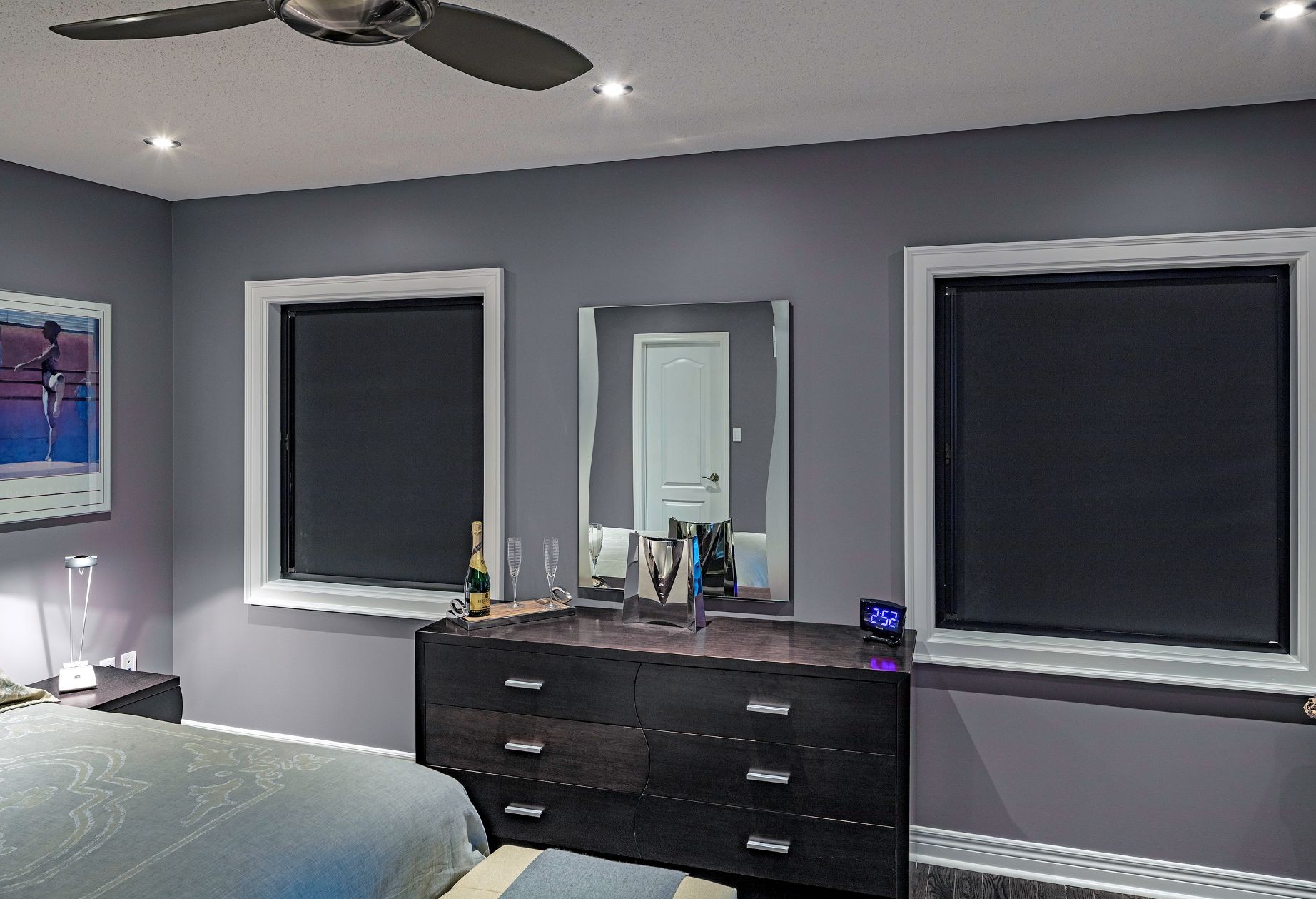
Once you've sealed all the cracks that let cold air in, it's time to equip your windows with some winter clothing. Believe it or not, window treatments can truly help keep your home comfortable in winter, especially if they're designed to act as thermal barriers.
Magic's thermal blinds, for example, are made from insulating materials that can improve a window's energy efficiency by 40%! Plus, they're fully retractable, which means they won't affect your window's aesthetics when insulation is not needed. And you can keep them hidden during sunny days, when you want to reap the benefits of natural light. Another advantage of Magic's thermal blinds is that they're just as useful during the summer, because they can insulate your home against the outdoor heat as well.
Other window treatments worth considering are:
- Honeycomb cellular shades, which have a honeycomb design that traps air within the cells.
- Drapes, especially thick ones made from insulating materials
- Thermal curtains, designed specifically for insulation
- Exterior shutters, which cover the windows completely, thus preventing cold air from sneaking into your house.
6. Install Storm Windows
Storm windows perform exceptionally well at insulating your windows and home against the harsh Canadian winters. Plus, they're not too expensive, can be reused every year, and are quite easy to install: you can install storm windows by popping them up into place. They can be installed both on the outside and on the inside (interior storm windows are sometimes called window inserts).
Moreover, storm windows can also protect your windows and home against UV damage, as well as insulate against noise (reducing outside noises by up to 40-50%, in fact!).
7. Use Bubble Wrap
Bubble wrap acts as an excellent insulator, although it can really affect your window's aesthetics. But if no other solution works for your windows, you can definitely try it. After all, it's one of the most budget-friendly and easy-to-implement solutions! Plus, you can remove the bubble wrap as soon as winter is over.
Here's how you can apply bubble wrap for insulation:
- Spray a bit of water onto the window glass.
- Press the bubble wrap onto the window (with the bubble side against the window).
- Using double-sided tape, secure the edges of the bubble wrap.
- When you remove the bubble wrap, be extra careful! The tape might remove paint.
8. Use Draft Stoppers
You can get draft stoppers (you may have also heard of them as draft snakes) at any home improvement store, and then place them at the bottom of your windows. Speaking of which, that's the disadvantage of a draft stopper - it only works at the bottom of the window.
You can also DIY your own draft stopper: just fill a fabric tube with dry rice.
Another disadvantage of draft stoppers is that they can trap moisture, get moldy, and serve as breeding grounds for pests.
9. Replace Your Old Windows

Naturally, the best method to seal your windows for winter is to actually replace them with a more energy-efficient unit. This is often the only long-term option if:
- Your windows are old (more than 20-25 years).
- Your windows have only one glass pane.
- You're dealing with persistent drafts even though you replace weatherstripping and caulking regularly.
- The frames are warped.
- The sashes are damaged and misaligned.
- The seal within a double-glazed window is damaged (in which case it appears foggy).
- The windows are difficult to open and close.
- The glass is cracked.
- The frames are severely rotten or moldy.
Modern windows like those from Magic are incredibly energy-efficient, and you won't have to think about adding an extra layer of insulating materials during the winter months. New windows feature low-E coatings, double- or triple-glazing, gas fills, energy-efficient window frames, and unique opening and closing mechanisms that ensure an air tight seal and reduce heat loss.
Get in Touch with Magic for a Free Consultation
If you've decided to try one of these DIY window-sealing methods, that's great! Your home will feel warmer and more comfortable this winter!
However, if your windows are old or damaged beyond repair... It might be time to replace them, as the easy fixes mentioned above probably won't be enough to keep you comfortable.
In that case, you can get in touch with Magic for a free consultation! Our team will walk you through every step, starting with a free in-home consultation. One of our experienced product specialists will assess your current windows and recommend a customized solution tailored to your home's needs and your preferences.
Magic takes pride in crafting high-performance windows made specifically for your space, manufactured right here in Ontario!
Frequently Asked Questions
What is the cheapest way to seal windows for winter?
The cheapest way to seal windows for winter is to apply window film or bubble wrap and seal cracks with weatherstripping and caulking.
What do you put on your windows to keep the cold out?
To keep the cold out, you can apply insulating window film on your windows, install thermal curtains, and fill cracks and gaps with weatherstripping and caulking.
How do I stop cold air from coming through my windows?
To stop cold air from coming through windows, fill cracks and gaps with caulk or weatherstripping, use draft stoppers along the window sill, and apply plastic insulation film over the glass.
How can I identify air leaks in my windows?
You can easily identify air leaks in your windows by using a lit incense stick to spot drafts or dampening your hand to feel for cool air around the edges.
What types of weather stripping are recommended for windows?
V-strips, felt strips, tubing, and foam tape are your go-to choices for effective window weather stripping that will eliminate drafts.
How do I install window insulation film?
Here's how you can install window insulation film: use double-sided tape around the frame, press the plastic sheeting on, and then shrink it with a hair dryer for a snug fit.