
Front Doors
Standard Front Door Size: Width, Height & Measurements Guide
The most common standard front door size in Canada is 36 x 80 inches. Other common sizes include 34 x 80 and 36 x 96 inches, while double doors, sidelights, transoms, and custom entryways allow for larger configurations.
If you plan to replace your front door or install one in a new-built, choosing the right front door size is the first step in creating an entryway that balances beauty, function, and performance! After all, your front door does more than welcome guests! It defines your home’s character, influences energy efficiency, and ensures security against Canada’s diverse weather conditions. And its size plays an important role in all that.
This comprehensive guide explores the standard front door sizes in Canada and what factors influence their design and performance!
Key Takeaways
- The most common standard front door size in Canada is 36 x 80 inches. While this measurement fits most homes, front doors can vary from 34 to 45 inches in width and 80 to 96 inches in height. Double doors and oversized entryways allow for greater customization and architectural appeal.
- Every new entry door must meet local standards for width, height, and accessibility, which is why it's important to opt for professional installation. Experts can help you navigate the Canadian building codes and ensure that your front door meets building code requirements.
- Door size impacts energy efficiency and performance. Larger exterior doors or doors with sidelights require stronger insulation and tighter seals to minimize heat loss. Certified energy-efficient models with insulated cores, Low-E glass, and weatherstripping offer superior comfort and savings year-round.
Common Standard Front Door Sizes
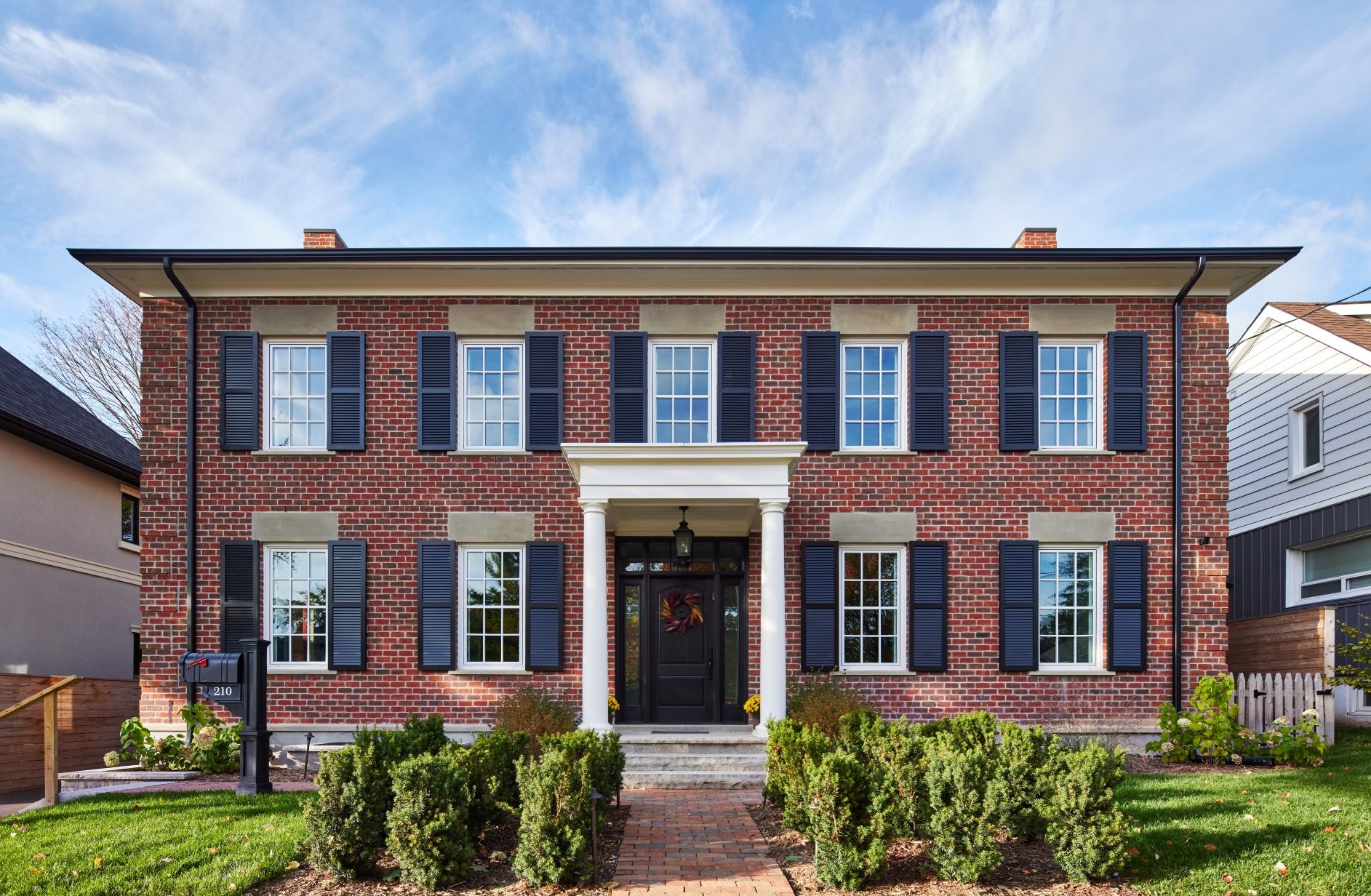
The standard door size in Canada is 36 inches in width by 80 inches in height. However, the size of a front door can be customized as follows:
- Width: from 34 to 45 inches
- Height: from 80 to 96 inches or more
- Standard thickness: usually 2 inches, but can be thicker or slimmer.
However, while this size is undoubtedly the most common, front doors come in a multitude of sizes to fit your particular design or personal style needs. Other common front door sizes include:
- 34 x 80 inches
- 36 x 96 inches
- 60 x 80 inches
- 68 x 80 inches
- 72 x 80 inches
For example, some homeowners prefer a front door with two panels, each measuring 32 inches in width and 80 inches in height.
Front Door Rough Opening Size
The rough opening is larger than the nominal door size because it needs to accommodate the frame, shimming, insulation, and adjustment. Exact rough-opening dimensions vary by door and manufacturer, so check the manufacturer's installation specifications before ordering.
Therefore, if you're shopping for front doors, keep in mind that the sizes mentioned above do not correspond to the actual size of the front door rough opening. Although it varies by manufacturer, the rough opening is often:
- 2 inches wider than the door width
- 2.5 inches taller than the door height
This means that for a 36 x 80-inch door, the rough opening would be approximately 38 x 82.5 inches.
This extra space allows for:
- Proper door frame installation and alignment
- Insulation and weather sealing
- Adjustment for walls that aren't perfectly square
- Expansion and contraction due to seasonal changes
Canadian Building Code and Local Standards
When choosing a new entry door in Canada, it’s important to ensure that your installation meets local building codes. The National Building Code of Canada (NBCC) provides guidelines for exterior doors, interior doors, and garage doors to ensure safety, accessibility, and energy efficiency.
For example, under the NBCC, most doors used as main entry points must have a minimum clear width of 850 mm (approximately 33.4 inches). This is just one of the multiple requirements mentioned in the NBCC, plus the ones mentioned in local building codes. Therefore, it's of the essence to check them thoroughly and work with professionals who are familiar with local building codes and can guide you in selecting the right door size.
It’s also important to note that storm doors, sliding glass doors, and patio doors may have different dimensional and insulation requirements depending on exposure, wind load, and regional climate.
Door Material Considerations for the Canadian Climate
Given Canada's harsh climate, it's essential to choose your front door materials wisely, especially since they can also influence the size of the end product. In the following sections, you'll learn more about some of the most common front door materials in Canada.
Steel Doors
Steel doors are popular in Canada thanks to their exceptional security, durability, and energy efficiency. They resist warping in temperature fluctuations, being one of the most weather-resistant materials on the market, and provide excellent insulation when properly constructed with foam cores. Steel doors are also a more budget-friendly option than fiberglass doors, for example. However, they can be prone to dents and may rust if the finish is damaged.
Steel front doors measure:
- 34-36 inches in width
- 80-96 inches in height
Fiberglass Doors
Similar to steel doors, fiberglass doors excel in Canadian climates due to their resistance to warping, cracking, and rotting. They offer superior insulation properties and can mimic wood grain appearance while requiring minimal maintenance. These doors are particularly well-suited for regions with high humidity or extreme temperature variations. Moreover, fiberglass front doors also offer excellent security features and aesthetic appeal.
Fiberglass front doors measure:
- 34-45 inches in width
- 80+ inches in height
Wood Doors
Wood doors are traditional and aesthetically appealing. They're also highly energy-efficient and come with a myriad of finishes to fit every architectural style. Nonetheless, wood doors require regular maintenance in Canadian climates. They need periodic sealing, staining, or painting to protect against moisture, temperature changes, and UV exposure. Proper maintenance is crucial to prevent warping, cracking, and rot.
Wood front doors usually measure:
- 34-36 inches in width
- 80-96 inches in height
Front Door Customization
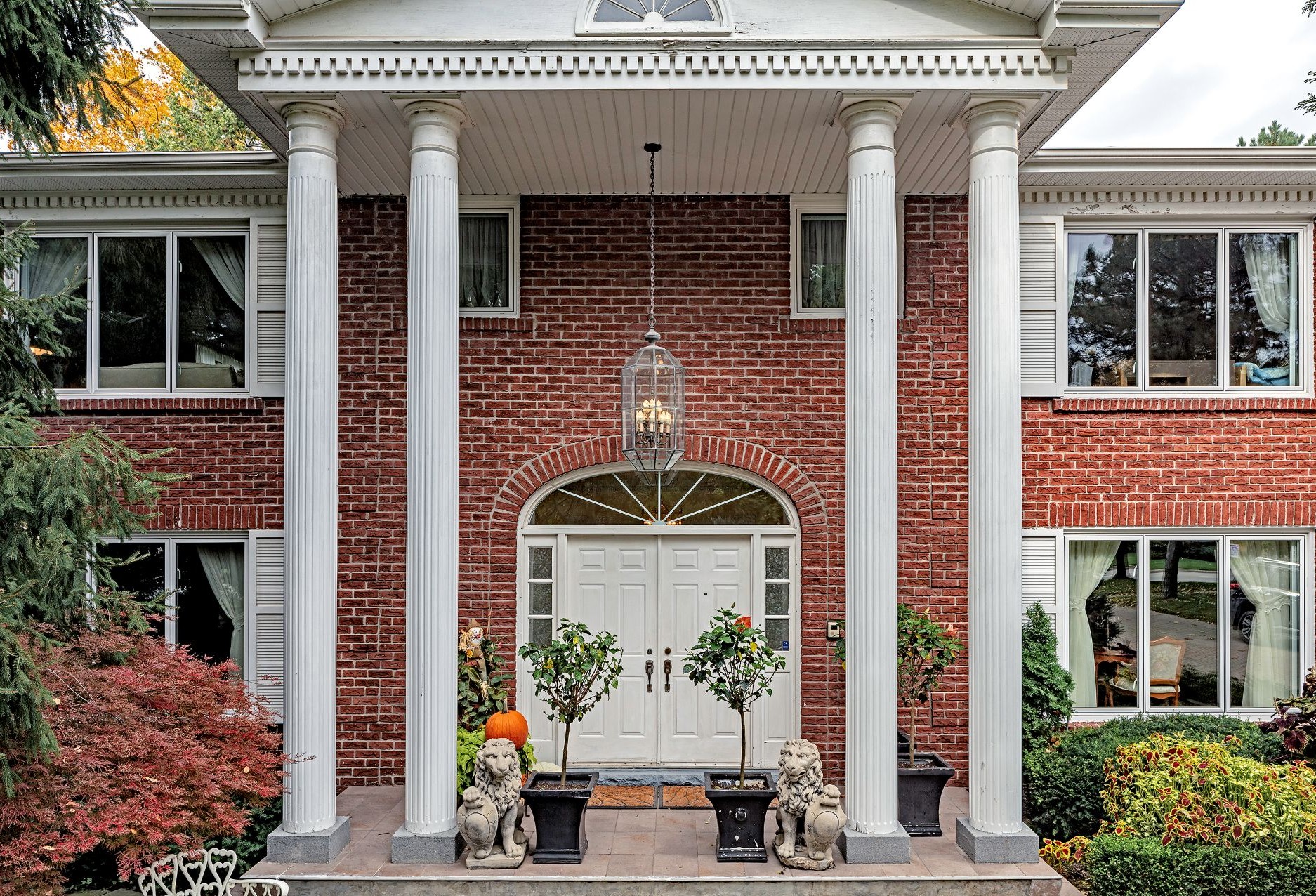
Front doors come in a variety of sizes and styles to suit different architectural needs and personal preferences. They can be customized as follows:
- Glass inserts: decorative or clear glass panels can be added to allow natural light into your entryway while maintaining privacy and style; some homeowners choose to incorporate glazing into the door itself, while others opt for transoms or sidelights, which can affect the front door size.
- Finishes and colors: doors can be factory-painted, stained, or finished on-site in virtually any color to match your home's exterior.
- Hardware and accessories: you can customize your front door with handles, locks, kick plates, knockers, and smart-entry systems for added security and convenience.
How to Measure for a Front Door
Here's how you can measure for a front door:
- Use a tape measure to measure the width of the door in three places from the inside of the door jamb to the inside of the opposite jamb. Write down the smallest measurement.
- Measure the height of the door from the door sill up to the underside of the door header. Write down the smallest measurement.
- Open the door to measure its thickness.
- Measure the width of the door jamb from the backside of the interior trim to the backside of the exterior trim.
- Measure the door diagonally from one corner of the door frame to the opposite corner. This helps you check if the door is square.
- Add 2 inches to the width and 2 inches to the height (or according to the manufacturer's instructions) for the doorway opening (the rough-in measurement).
Energy Efficiency Standards
Whether it's a single door or a double door, the size and construction of your entryway can have a significant impact on your home's energy efficiency. In general, larger doors or those with decorative glass panels tend to lose more heat if not properly insulated.
Here's how door size can influence efficiency:
- Surface area: bigger exterior doors and sliding glass doors have more surface area, which means more potential for heat transfer.
- Material choice: steel and fiberglass entry doors with foam cores typically provide better insulation than solid wood or glass-heavy designs.
- Glass coverage: French doors, storm doors, and patio doors with Low-E or triple-pane glass significantly improve R-values.
- Sealing and installation: a well-installed storm door or properly sealed new entry door can prevent air leakage, even in large openings.
Therefore, Canadian homeowners should prioritize Energy Star-certified doors, which are approximately 15% more efficient than standard doors. These doors meet strict performance criteria tested under Canadian Standards Association (CSA) A440.2 standards.
Security Features and Requirements
Without a doubt, one of the most important things to assess when shopping for a front door is its ability to protect your home against intruders, even more so if you plan to install an oversized front door.
Steel doors, for instance, are among the most secure and durable entry doors, especially if they're thicker than others on the market (e.g., Magic steel doors feature 30% more steel).
Furthermore, if you prioritize security, you can go for reinforced frames. In addition, you can opt for hinges that can be installed with long screws that anchor deep into the wall framing.
You can also invest in:
- Grade 1 deadbolts
- Smart locks
- Strike plates
When looking for entry doors, make sure to confirm with the manufacturer all the details about their product's security features. For example, you can ask whether the door has any security certifications or how exactly it was tested against forced entry. All entry doors in North America should undergo AAMA 1304, a forced entry resistance test required by the North American Fenestration Standard.
Magic front doors, for example, can withstand over 1,600 lbs of force, having been thoroughly tested. This means that they are 3x stronger than standard doors. Why? Because they feature 30% more steel and a proprietary J-bend design that resists folding or buckling under pressure.
Installation and Professional Considerations

Proper installation is crucial for door performance, regardless of size or material. Professional installation ensures proper weatherproofing, energy efficiency, and compliance with local building codes. Keep in mind that many Canadian municipalities require building permits for exterior door installations, particularly when structural modifications are involved.
Key installation factors include:
- Proper flashing and weather sealing
- Correct threshold installation
- Adequate insulation around the frame
- Professional adjustment of hardware and closing mechanisms
Front Door Replacement and Renovation Tips
Replacing your front door or upgrading to a new entry door can dramatically enhance your home’s curb appeal, energy performance, and security. Here are some tips that can help you in the process:
- Measure accurately. Before purchasing, measure the existing door opening carefully, including width, height, and thickness. This is extremely important to ensure that the door fits perfectly and insulates your home properly.
- Check for compatibility. When replacing an older single door with double doors, or upgrading interior doors and closet doors to match your exterior door, verify that the frame and wall structure can support the new configuration.
- Choose the right material:
- Steel doors: high durability and security
- Fiberglass doors: excellent insulation and low maintenance
- Wood doors: classic look, but require more upkeep in Canadian climates
- Add weather protection. Installing a storm door can extend the life of your front door and provide additional insulation during Canada’s cold months.
- Consider energy rebates. Many provinces offer rebates or incentives for upgrading to Energy Star-rated exterior doors, patio doors, or garage doors with improved thermal performance.
Final Thoughts
Choosing the right front door size and material is one of the most important decisions you’ll make for your home! A properly sized and well-installed door not only enhances curb appeal but also contributes to comfort, safety, and energy savings in every season!
At Magic, we take pride in helping Canadian homeowners find their perfect new entry door: designed for strength, style, and performance. Our doors feature 30% more steel, 40% more insulation, and a proprietary multi-pocket compression seal that eliminates gaps for unmatched efficiency! Add in decorative glass, modern finishes, and custom sizing options, and you’ll have an entryway built to impress and endure!
Ready to upgrade your home with a custom-fit front door that performs as beautifully as it looks? Contact Magic today to learn more about our innovative exterior doors, patio doors, and window walls designed specifically for the Canadian climate.
Frequently Asked Questions
What is the standard door size in Canada?
Most single exterior entry doors in Canada follow a standard size of about 36 inches wide by 80 inches tall, with a thickness of roughly 1 ¾ inches.
Is a 36-inch door actually 36?
In practice, a “36-inch door” is often a nominal size; the actual slab may be slightly smaller (for clearance and hardware), allowing the door to fit smoothly within the frame.
Are all front doors 36?
While 36 × 80 inches is a very common front door size, front doors also come in a variety of sizes such as 34 by 80 inches or even taller or wider custom dimensions depending on design and entryway needs.
What size should your front door be?
A front door should be sized to fit the existing door unit and rough opening while providing enough clearance for the frame, shimming, insulation, and weather sealing. A 36 x 80-inch door is a common starting point, but the correct size depends on the existing opening and the specific door system.
What materials are best for energy-efficient front doors?
Fiberglass and steel doors are the best materials for energy-efficient front doors due to their excellent insulation properties, which help reduce energy costs.
Why is professional installation important for front doors?
Professional installation is crucial for front doors as it guarantees a proper fit, enhances security, and minimizes the risk of water damage. Ensuring these factors can significantly extend the door's lifespan and maintain the safety of your home.
How wide is a typical front door in Canada?
A typical front door in Canada is 36 inches wide in Canada. Other common widths include 32 and 34 inches, while wider configurations are available for double doors, sidelights, and custom entryways.
How tall are front doors in Canada?
A typical front door in Canada is 80 inches tall. Taller options, such as 96-inch doors, are also available for larger or custom entryways.