
Window Parts, Materials & Components
Weep Holes in Windows: What They Do & How to Clean Them
Weep holes in windows are small openings in the lower part of a window frame that allow water to drain to the exterior. They help prevent water from accumulating inside the sill or track and are especially common on vinyl and aluminum windows.
It's important to keep them clear of dirt, insects, and sealant. When these drainage holes become blocked, water has nowhere to go. It pools inside the frame, seeps into drywall, and starts causing damage you won't notice until it's expensive to repair.
If you want to learn exactly what weep holes are, how to find them on your windows, how the drainage system works, and how to clean and maintain them step by step, keep reading!
What Are Window Weep Holes?
Weep holes are openings or slits in window frames engineered into the lower exterior section of many vinyl and aluminum frames that allow water collected inside the window drainage system to escape to the exterior. They may appear as small slots, notches, or round openings, depending on the window design.
Weep holes are important window parts, as they primarily drain rainwater and other water that collects in the window's sill or tracks. Depending on the window design, they may also help drain condensation or incidental water that reaches the drainage channel. Without a functioning weep hole system, that water can pool inside the hollow frame, overflow into the interior, and seep into your wall assembly.
Do All Windows Have Weep Holes?
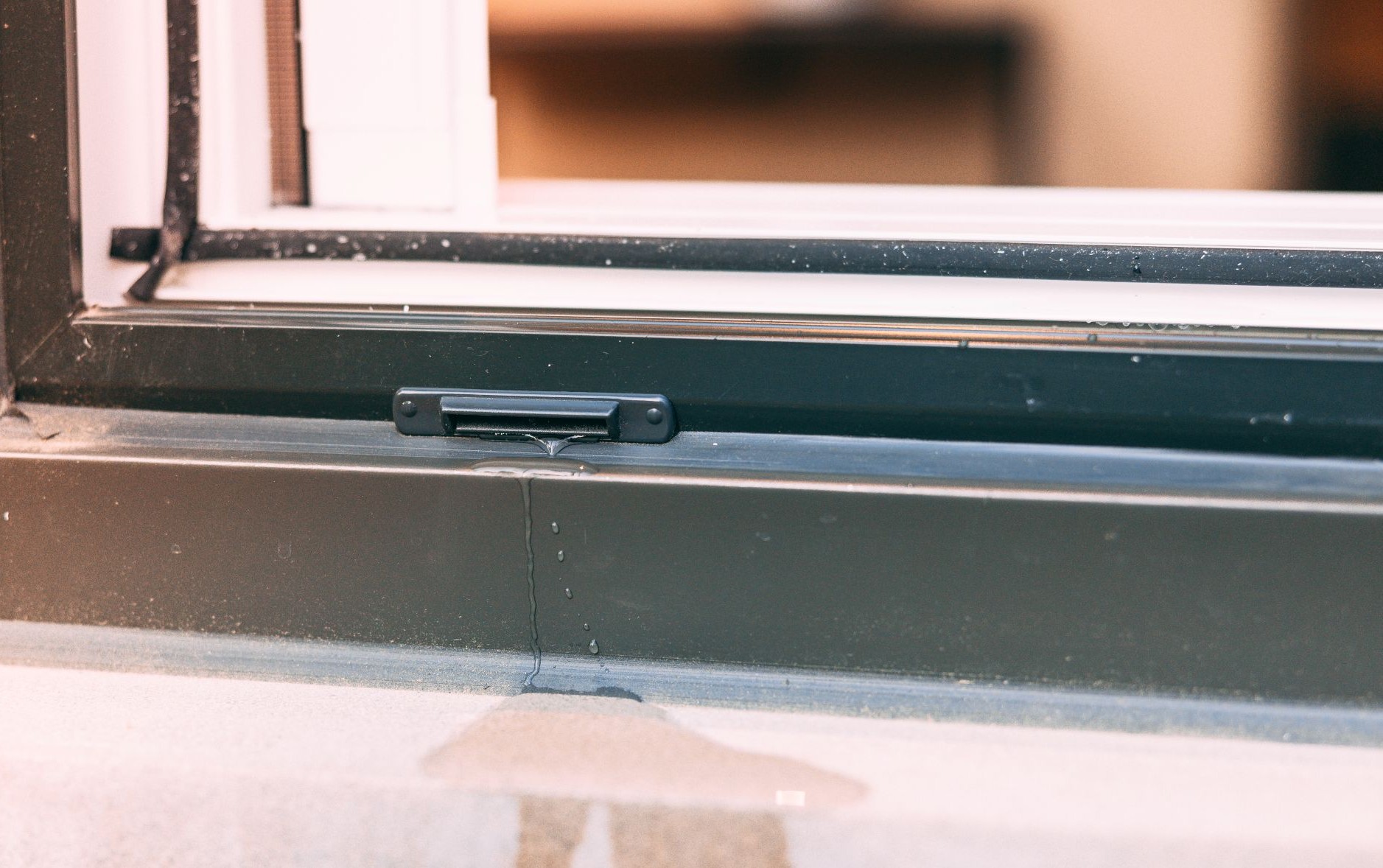
Many vinyl and aluminum windows use weep holes or other drainage openings as part of their sill drainage system. Fiberglass and wood windows may use weep holes, concealed drainage channels, sloped sills, flashing, or other drainage designs depending on the manufacturer and window type.
In some cases, manufacturers hide weep holes in the underside of the frame or behind trim for a cleaner look, so they are not always obvious even when they exist.
Many patio doors, like sliding glass doors and French doors, also have weep holes installed within their drainage systems.
Where to Find Weep Holes on Your Windows?
Here's how to locate weep holes in your windows:
- Look along the bottom rail of the exterior window frame. You'll typically see small slots or circular holes spaced a few inches apart, often near the corners or just above the sill.
- On the interior, open the window fully and inspect the bottom window tracks. Look for small notches or gaps in the track - these are the interior inlets where water enters the drainage cavity before flowing to the exterior. The drainage openings you see inside the track may not line up directly with the exterior openings because water can travel through a concealed channel inside the frame.
- Use a flashlight for better visibility. Caulk, paint, or accumulated dirt can obscure weep hole openings, making them look like solid frame sections.
- If your windows have screens, remove them so you can see the full bottom edge of the exterior frame without obstruction.
How Do Window Weep Holes Work?
Window weep holes work by draining the water collected inside the window sill or track through a controlled path.
Water enters the window's drainage area, flows through internal channels toward the sill, and exits through the exterior weep holes. This prevents water from remaining trapped inside the frame.
The drainage process through weep holes usually works like this:
- Water collects in the window sill or track. In sliding windows, for example, water can collect inside the lower track. In casement windows, the water may go toward the bottom of the frame, where the internal drainage chamber begins.
- Water flows toward the drainage openings. The frame or sill may contain internal drainage channels or cavities that direct collected water toward the exterior openings.
- Water exits through the exterior weep holes. Gravity and the geometry of the sill or drainage channels direct the water toward the exterior openings.
This system is designed to handle everyday moisture from light rain and minor spills. It is not designed to withstand deep standing water or a pressure nozzle aimed directly at the frame.
Common Problems With Window Weep Holes

Homeowners usually deal with these window weep hole problems:
- Clogged weep holes from dirt, dust, leaves, pollen, or insects building nests in the openings. A blockage may cause water to remain in the window track or sill.
- Weep holes that have been accidentally caulked or sealed over during painting or siding work - sealed weep holes can lead to critical water damage, mold growth, and costly repairs.
- Blocked or damaged internal drainage channels. The visible exterior opening may be clear, but the debris or damage might block the internal drainage channels. This might require professional inspection.
- Damaged or missing drainage components. Some window designs use covers or other components around their drainage openings. This can make the drainage system more vulnerable to debris or insects.
- Poor drainage or inadequate slope. In some cases, weep holes are not to blame; improper installation, damaged framing, or an inadequate drainage path can contribute to poor water management within the window system.
When the drainage system cannot remove water effectively, water may pool in the window tracks, overflow into the interior, or contribute to moisture damage around the window. Signs of a drainage problem include standing water that does not drain after heavy rainfall, water appearing on the interior sill, staining around the window, or recurring moisture even when weep holes are clean.
How to Clean Window Weep Holes (Step-by-Step)
Here's a step-by-step guide on how to clean window weep holes:
- Test for blockage. Pour a small amount of water into the interior window tracks and watch whether it drains. If it doesn't, or if it overflows back inside, the weep hole is clogged.
- If the weep hole is covered with caulk, use a putty knife to remove the caulk. You can also use solvents to remove silicone caulk. Make sure that whatever tool you're using can be safely used on your window frame material without damaging it. If you're not sure whether it is safe, contact a professional.
- Clear visible debris. On the outside, use a soft brush or plastic pick to remove debris from the weep holes. You can also use a cotton swab. Avoid steel or metal tools that can gouge the frame. Try to avoid pushing debris further into the hole.
- Loosen internal debris. If the drainage opening is designed to be accessible, use a flexible nylon brush or manufacturer-approved cleaning tool to loosen internal debris. Do not force an object deep into the drainage channel.
- Flush the channel. Flush weep holes with water by slowly pouring it into the interior track again. Confirm that water flows freely out of every exterior opening.
- Clean surrounding tracks. Wipe and vacuum the window tracks so new debris does not immediately wash back into the cleaned drainage holes.
Inspect weep holes twice a year for blockages - once before the wet season and once after. Homes exposed to heavy rain, pollen, dust, leaves, or insects may need more frequent cleaning.
Weep Hole Maintenance Tips and When to Call a Professional
Here's a simple maintenance schedule that can keep your entire window drainage system working and protect your home from water damage:
- Do a quick visual check of weep holes every few months - look for obvious blockages, insect activity, or missing covers.
- Clean window tracks and weep holes thoroughly at least once a year, ideally before the wettest season in your area.
- After repainting, recaulking, or replacing siding, re-check that the drainage system is unobstructed.
- Maintain the area around the exterior sill - trim vegetation and clear ground-level debris that could wash into the openings.
Call a professional if you notice that the water doesn't drain properly even if the weep holes seem clean. You should also seek professional help if you see visible rot around the sill, fogged double-pane glass, or warped frames. A window specialist can test whether weep holes are undersized or mislocated, evaluate the interior drainage path, and determine whether the entire window unit needs to be replaced.
Weep Hole Covers and Other Protection Options

Weep hole covers are small plastic, rubber, or mesh inserts that fit over exterior weep holes. Their job is to keep insects, debris, and drafts out while still allowing water to drain freely. Here's what you need to know about weep hole covers:
- Properly designed small hole covers do not block water flow.
- If your window was originally equipped with a weep hole cover or baffle and it is damaged or missing, contact the manufacturer or choose a compatible replacement designed for that specific frame.
- Missing weep hole covers increase the risk of clogging from outdoor debris, insects, and dust.
- Choose covers sized for your specific frame profile - universal plugs or random sealant are not acceptable substitutes and can restrict drainage.
- Ensure the cover material can withstand UV exposure, moisture, and freeze-thaw cycles in your location.
- Never use caulk, foam spray, or solid plugs as a replacement for proper weep hole covers. You'll create the exact water intrusion problem weep holes are designed to prevent.
Magic's Hi-Flo® Drainage Systems
Magic uses its patented Hi-Flo® Drainage System to improve water management within its window units. The system uses a polycarbonate drain designed to help direct water away from the window while also helping limit air and insect penetration.
Curious to learn more about Magic's advanced window engineering and why it might fit your home? Book a free consultation today!
FAQs
Are weep holes supposed to be open?
Yes, exterior weep holes are designed to remain open so water can drain out. They should not be sealed with caulk, foam, or solid plugs.
Why is water coming out of my window weep holes?
Water coming out of a window's weep hole is a sign that the drainage system is working. During rain, trapped water can enter the sill or track and exit through the exterior openings. If not addressed promptly, it can affect window operation, leak into the wall, and damage the entire window system.
Can window weep holes cause drafts?
Weep holes are drainage openings, and they usually do not cause drafts. That said, some designs rely on open holes, which can cause minor drafts, whereas Magic's Hi-Flo® weeper flaps eliminate air infiltration.
Can I use a vacuum to clean window weep holes?
Yes, you can use a vacuum cleaner to remove loose dirt and debris from around the window track and the exterior of the weep holes. But make sure to use a brush attachment or a low-suction function. Do not insert the vacuum nozzle into the drainage opening and avoid forcing the nozzle into the weep hole, as this could damage the opening.
Why are my window weep holes leaking inside?
If you notice water on the interior side of a window, the weep holes may be blocked, but the problem can also occur elsewhere in the window's drainage system. You might be dealing with a clogged exterior opening, a blocked internal drainage channel, a damaged frame, or an installation problem.
What is the difference between window weep holes and masonry weep holes?
Window weep holes are part of a window's drainage system and allow water collected in the frame, sill, or track to drain to the exterior. Masonry weep holes are openings in materials like brick veneer that allow water inside the wall assembly to drain and, in some wall systems, help provide ventilation to the drainage cavity.