Window Styles & Comparisons
What Are Clerestory Windows? Definition, Benefits, and Design Uses
Natural light affects everything in a home: from energy consumption and visual comfort to mood, privacy, and spatial perception. Yet many home designs fail to balance daylight with usable wall space and privacy, especially on tight urban lots or in rooms where standard windows don't fit. That's exactly what clerestory windows can help with, as they're installed high on the wall, near the roofline.
Clerestory windows have been used for centuries to bring light into large or deep spaces. They introduce abundant daylight, support natural ventilation, and enhance interior openness without compromising privacy.
This guide explores what clerestory windows are, how they work, and why they are increasingly used in modern homes!
What Are Clerestory Windows?
Clerestory windows are high-mounted windows installed near the roofline that bring natural light deep into interior spaces while preserving privacy and usable wall area.
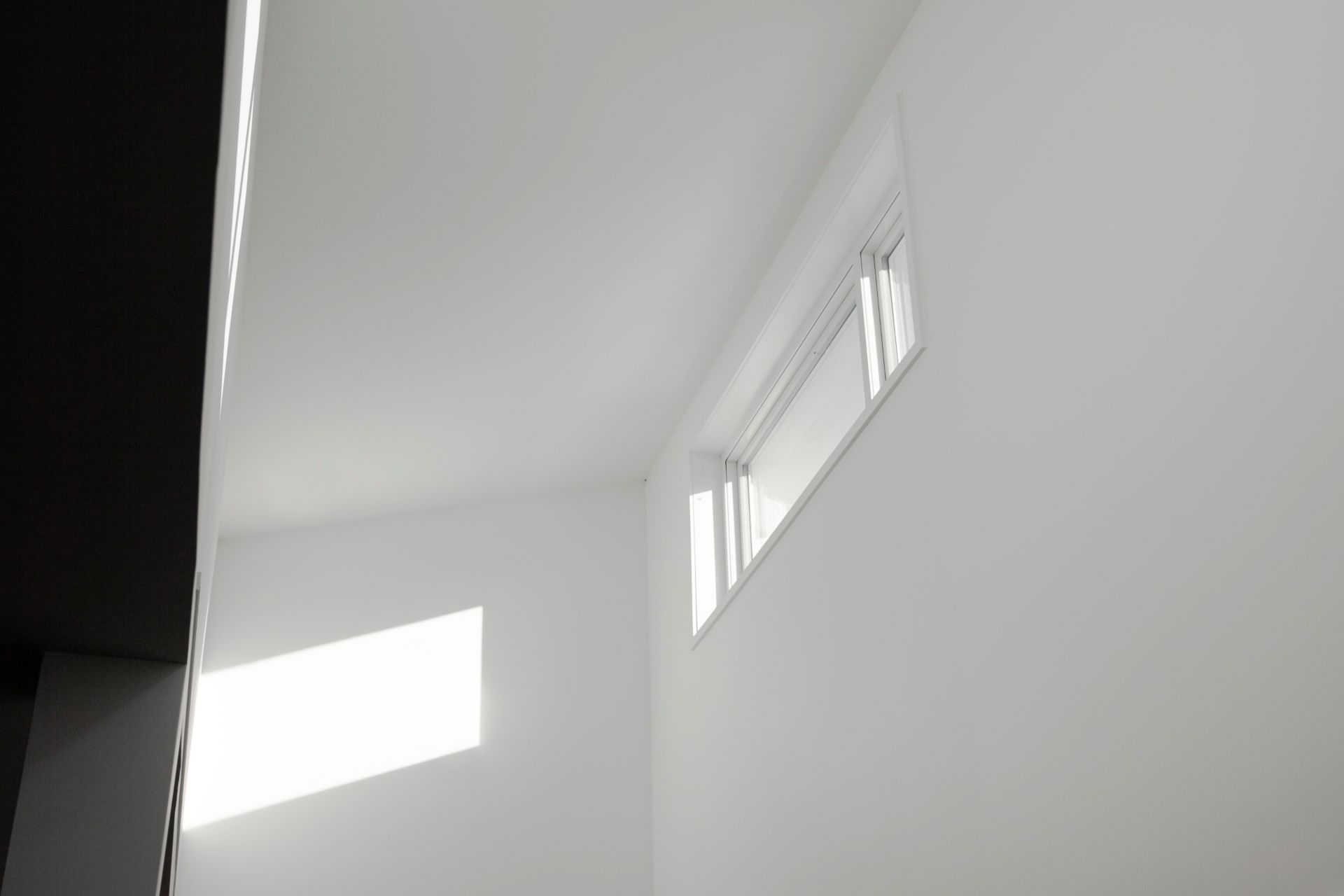
Clerestory windows are usually wider than they are taller and run on wall surfaces above eye level, often 8-12 feet above the floor, creating what architects call a “clear story” of illumination.
These windows are designed to flood interior spaces with natural light while keeping lower walls solid and private. Some clerestories are operable for ventilation. Today, clerestories also serve as passive solar windows, bringing more heat in during the winter.
Clerestory Windows vs. Transom Windows
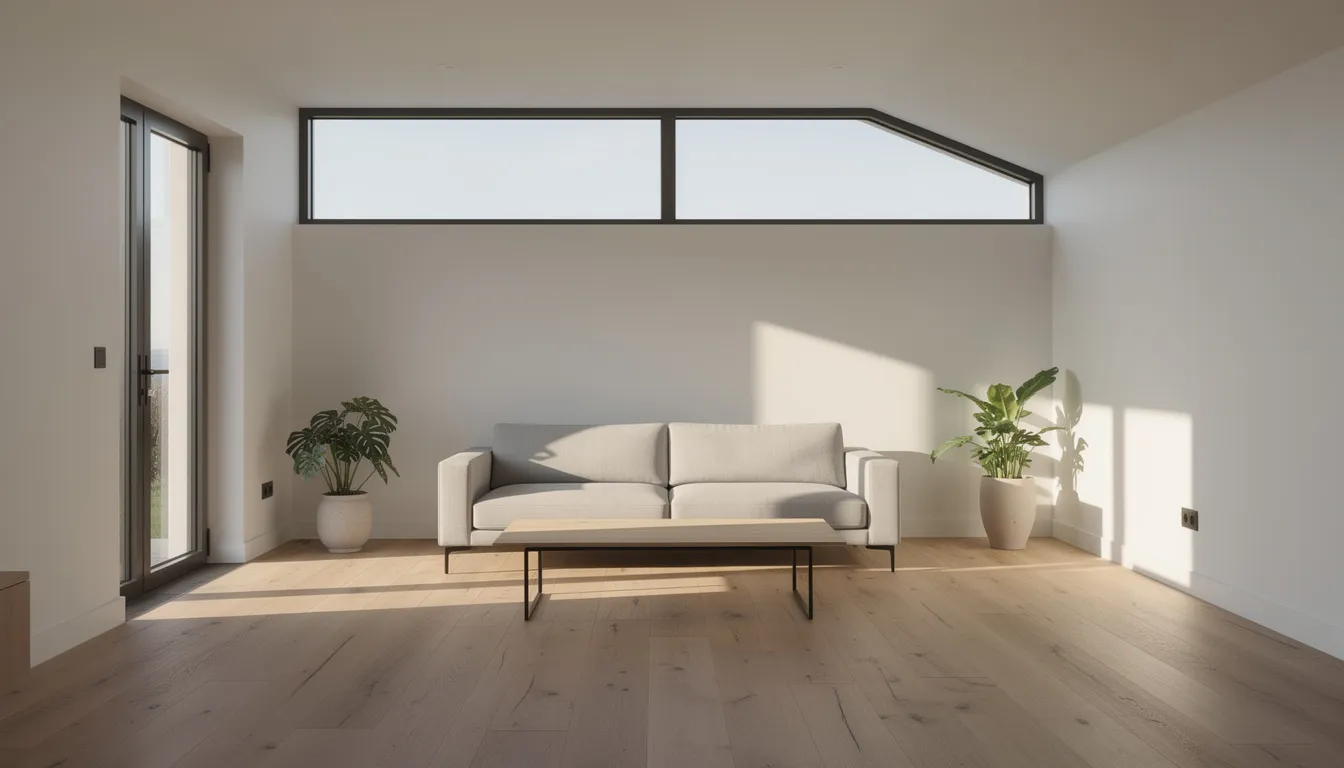
Clerestory windows are positioned high on the wall as standalone window units, while transom windows are installed above a window or a door.
Transom windows serve as decorative accents or modest light sources. They’re usually smaller than a clerestory window and integrated into a door or window assembly.
Clerestory Windows vs Skylights
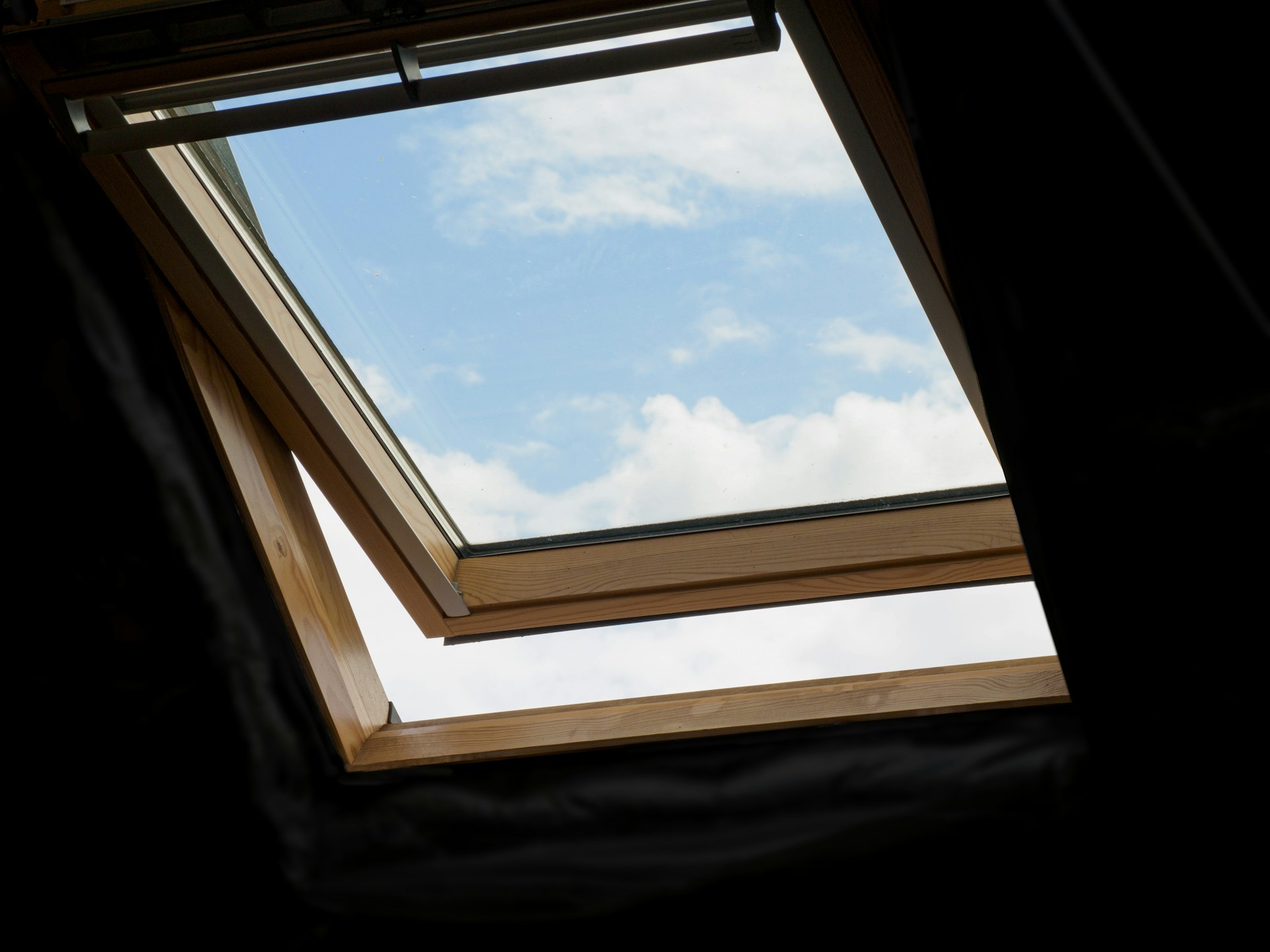
Clerestory windows are installed high on the wall for ventilation and direct light horizontally into a room, while skylights are window units integrated into the roof plane itself, letting in light from directly overhead.
Clerestory Windows Pros and Cons
Clerestory windows offer a unique combination of daylighting, privacy, and architectural interest, but they are not suitable for every project.
Pros of Clerestory Windows
- Abundant natural light without sacrificing privacy. Because clerestory windows are positioned above eye level, they allow daylight to enter while blocking exterior sightlines.
- Reduced reliance on artificial lighting
- Improved ventilation when operable. Operable clerestory windows enhance natural airflow by allowing hot air to escape near the ceiling.
- Preserved wall space. You can use lower walls for furniture, cabinetry, artwork, or appliances.
- Enhanced architectural character. Clerestory windows can make small spaces look larger and brighter.
Cons of Clerestory Windows
- Higher installation cost. Installation often requires structural framing, specialized labor, and sometimes motorized operators.
- More difficult to clean and maintain. Since they're high on walls, cleaning and repairing clerestory windows can be difficult.
- Limited views. Clerestory windows provide sky views rather than landscape views.
- Potential for overheating. Poor orientation or inadequate shading can lead to excess solar heat gain, particularly in summer.
- Difficult to retrofit
How Much Do Clerestory Windows Cost?
Clerestory windows cost between $500 and $1,500 per fixed window and between $1,200 and $3,500+ per operable or motorized unit.
The cost of clerestory windows varies depending on size, glazing, frame material, and whether the units are fixed or operable. Here are the main factors that influence the cost of clerestory windows:
- Glazing type (double vs triple glazing, Low-E coatings)
- Frame material (vinyl, aluminum, fiberglass, composite)
- Motorized or automated opening systems
- Structural modifications to existing walls
- Interior drywall and exterior siding repairs
Clerestory windows are generally more cost-effective when incorporated into new construction or major renovations rather than retrofits.
Keep in mind that in 2026, you might be eligible for window rebate programs, such as the Home Renovation Savings Program, if you choose to install ENERGY STAR-certified clerestory windows in Toronto.
Clerestory Windows Installation
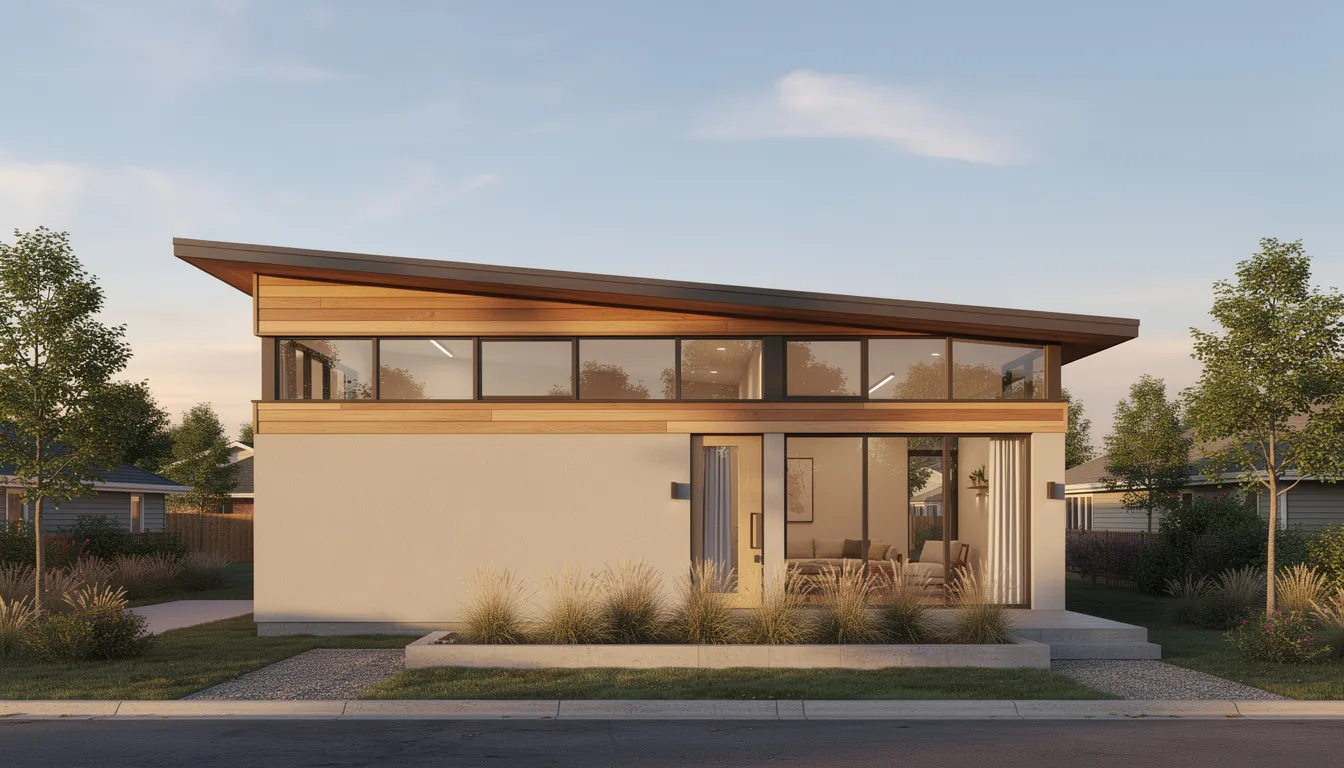
Installing clerestory windows can be quite difficult, especially if the installation implies cutting a new rough opening or retrofitting an existing one. Because of this, professional installation is recommended, particularly in cold climates.
Here are some things to consider when it comes to clerestory window installation:
- Clerestory windows are installed near the roofline, often within load-bearing walls. Proper headers and framing are essential.
- Flashing, air sealing, and insulation must be detailed precisely to prevent air leakage and moisture intrusion.
- Installation often requires scaffolding or lifts, which increases labor costs.
- If motorized operators or integrated blinds are used, wiring must be planned in advance.
Clerestory Windows for Natural Light, Comfort, and Energy Efficiency
Clerestory windows can also serve as functional glass units for daylighting and passive solar control. When designed and installed wisely, they can reduce energy use, improve comfort, and create a healthier indoor environment.
Here's how clerestory windows can improve light, comfort, and energy performance.
Deep Daylight Penetration
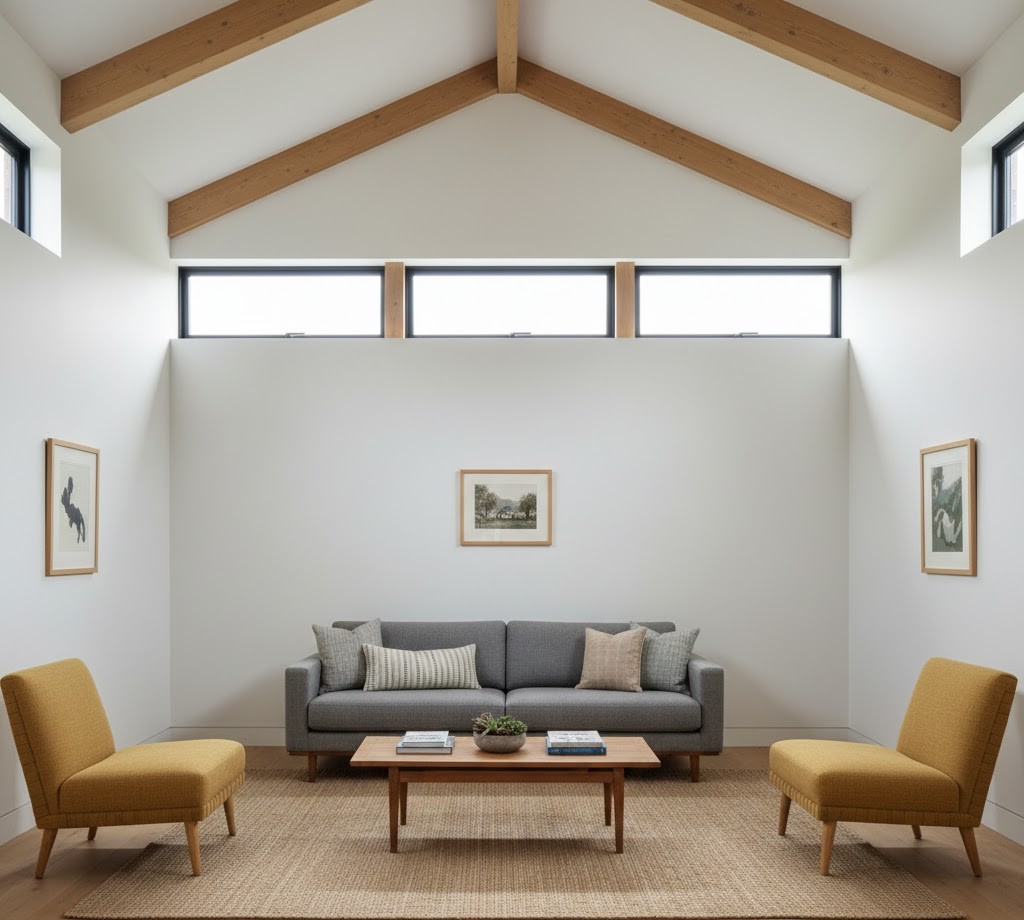
Standard windows at eye level light the areas closest to exterior walls, but they often leave the center of deep rooms dim. Clerestory windows admit light from a higher angle and allow the sunlight to travel further across floors and ceilings. The result is a more even light gradient with fewer dark corners. This reduces the need for lamps and overhead fixtures during daylight hours.
Moreover, clerestory windows can be a great addition to a home office - yet again, if installed strategically.
Passive Solar Strategy
Clerestory windows can be really useful for energy efficiency, especially in cold climates. If installed alongside other energy-efficient windows and doors, south-facing clerestory windows can provide passive solar heating and reduce heating costs by 15-20% in Ontario's cold climate.
The orientation of a clerestory affects comfort, light quality, and energy performance. Here's what you need to know about the orientation of clerestory windows:
- South-facing clerestories (in the northern hemisphere) capture low winter sun, providing passive solar gain that can warm a room naturally. In summer, roof overhangs, recessed thick walls, or exterior shading devices can block the higher sun angle and prevent overheating.
- North-facing clerestories deliver soft, diffuse light with minimal glare, which is ideal for studios, offices, or any space where even illumination matters more than direct sunlight.
- East- and west-facing orientations bring morning or afternoon sun, which can create dramatic light effects but may also cause glare on reflective surfaces or screens.
Lower Energy Bills
For superior energy efficiency in modern homes, clerestory windows have double or triple glazing with Low-E coatings and argon or krypton gas fills. These technologies are consistently recommended for Canadian homes, including those in Toronto, to prevent excessive heat loss in winter and overheating in summer.
Consequently, clerestory windows also help maintain stable indoor temperatures without the need to rely too much on mechanical systems.
Ventilation and Stack Effect
Operable clerestory windows can serve as part of a passive cooling strategy. Because hot air rises, opening high windows allows the warm air to escape near the ceiling, drawing cooler air in through the lower window. This stack-effect ventilation can be remarkably effective in hot climates! Plus, this improves indoor air quality and reduces the need to use the AC.
Where Can You Add Clerestory Windows?
You can add a clerestory window to nearly any space in your home, even on interior walls (if it's structurally possible)! But if you lack creativity today, we're here to help with your project planning! Here are some clerestory window design ideas that might spark your interest!
Living Rooms and Bedrooms
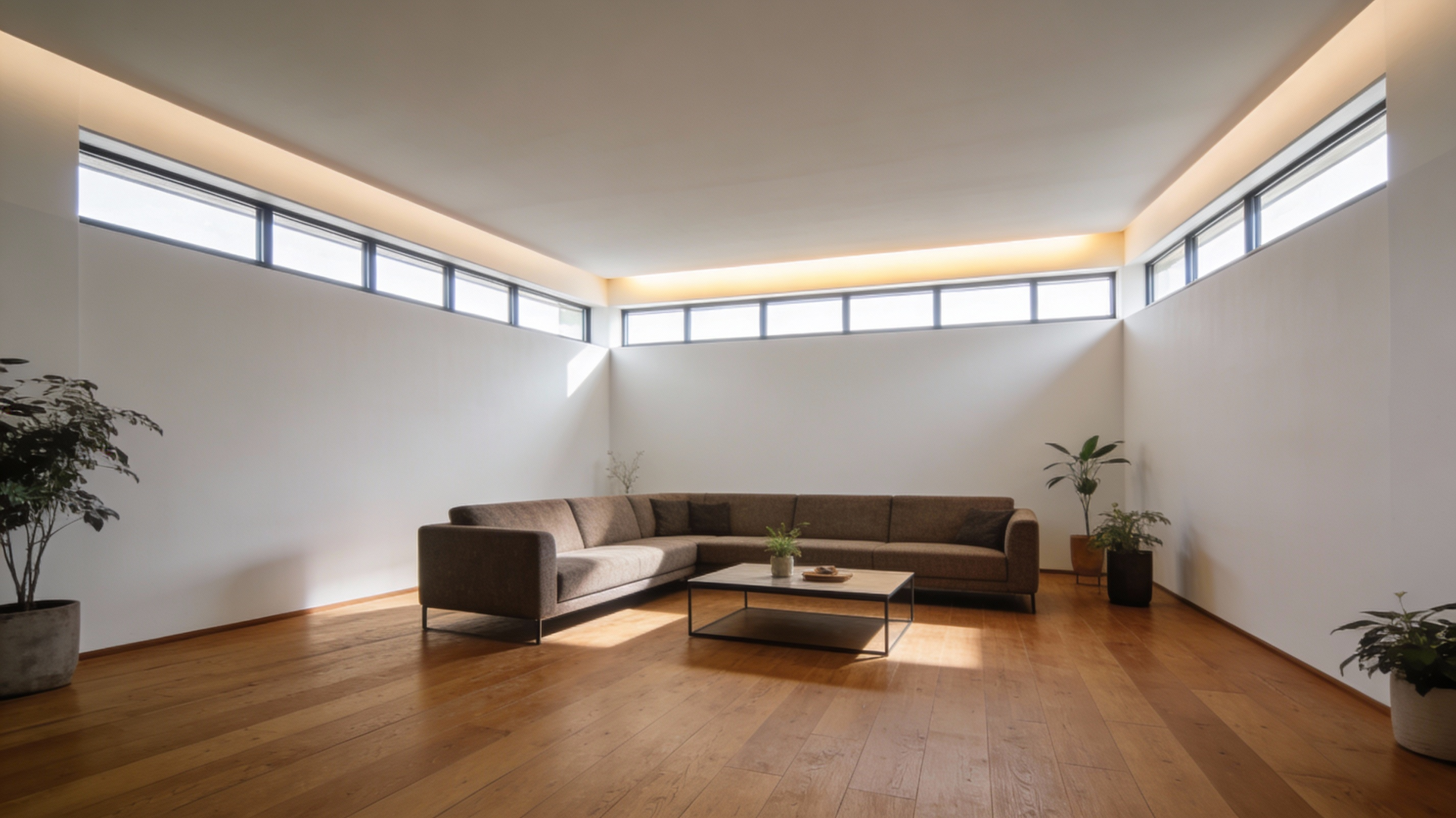
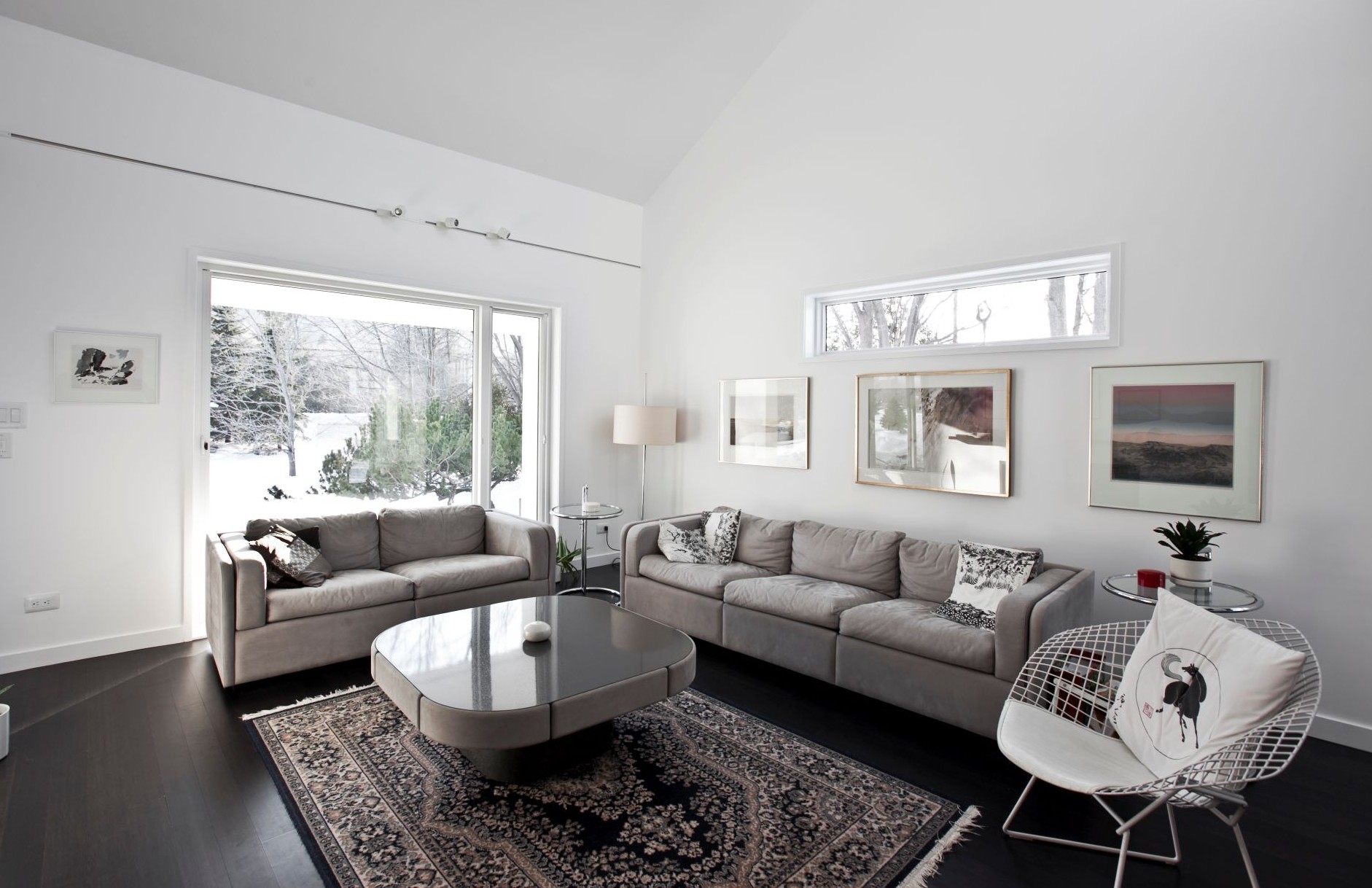
In open-plan living spaces, a clerestory band brings light deep into the room while maintaining solid walls. The walls can be used for seating arrangements, media centers, or built-in storage.
You can also pair clerestories with large patio doors or floor-to-ceiling glass on the opposite wall to create a layered indoor-outdoor connection.
In modern bedrooms, clerestory windows can be paired with traditional, operable windows to reap the benefits of both.
Kitchens
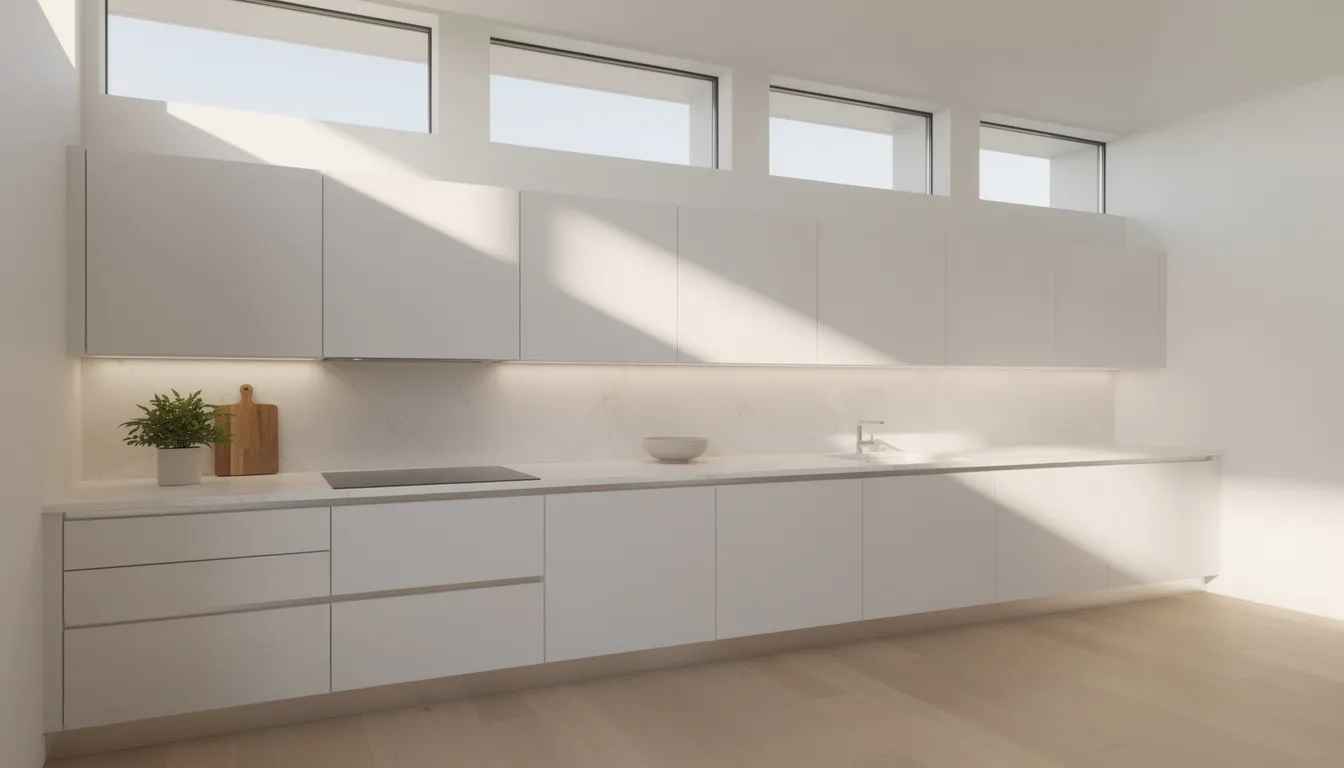
In the kitchen, you can install a strip of clerestory windows above full-height cabinets or over a long backsplash. This delivers natural light to work surfaces without large windows (especially if you don't have enough space for them).
However, keep in mind that clerestory windows might not be enough for a kitchen if installed above cabinets that protrude too much forward, as they can block the light that enters through the window.
Bathrooms
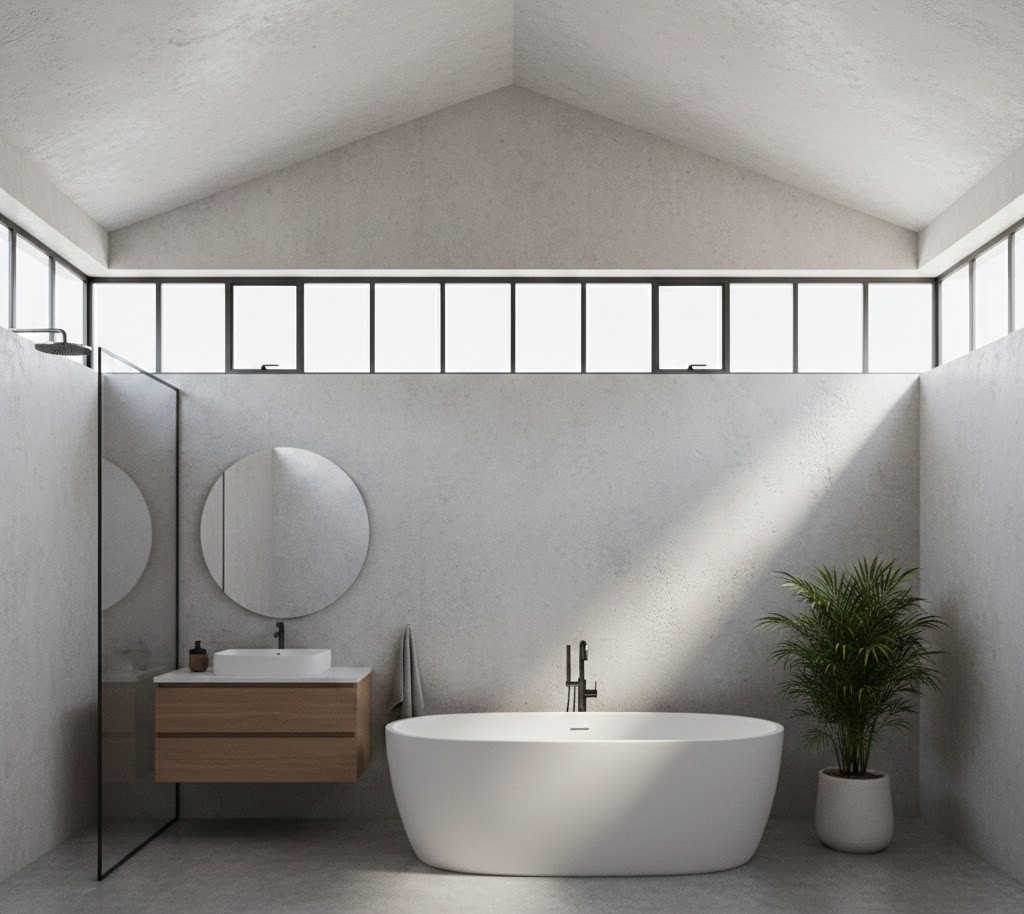
Clerestories are often installed in bathrooms. They can even create a spa-like atmosphere, at the same time maintaining your privacy! Clear glass works in most cases because the windows sit above sightlines.
Hallways and Stairwells
Hallways and stairwells are the best for clerestory windows because they're the darkest spaces in a home. A clerestory window, installed strategically, can make these spaces look much brighter!
Home Offices and Studios
Clerestory windows are excellent for home offices and studios, particularly since they produce no glare if installed correctly. For focused work, go for north- or east-facing clerestories. They deliver steady, low-glare light that illuminates a desk or drawing table without harsh shadows or screen reflections.
Materials, Glazing, and Operation Options
Like with any other window, you have to carefully consider the energy performance, appearance, and maintenance requirements of clerestory windows to make sure they will last for years (even decades). Maintenance requirements are particularly important, given that these windows sit high on walls, so you won't be able to clean them every week.
What Material Is the Best for Clerestory Windows?
Fiberglass and composite materials like the Hybrid Fusion Frame are the best frame materials for clerestory windows because they require little to no maintenance, are energy efficient, and are strong and durable.
However, you can choose among other frame materials. Here are the most common materials used for clerestory windows:
- Vinyl: low-maintenance, energy-efficient, and cost-effective; these frames resist moisture and don’t require painting, so they're excellent for hard-to-reach installations; however, vinyl expands and contracts with temperature fluctuations, so vinyl clerestory windows will have a shorter lifespan than composite clerestories, for example.
- Wood or wood-clad: wood offers warmth and character suited to traditional, mid-century, or Scandinavian-inspired homes; however, wood requires regular maintenance, and it is not recommended for clerestory windows.
- Aluminum or aluminum-clad: aluminum provides slim sightlines and a sleek, modern look, excellent for clerestories; thermally broken aluminum frames improve insulation while maintaining the narrow profiles favored in contemporary and commercial-style homes; however, aluminum does require some maintenance, so make sure to confirm with the manufacturer all maintenance requirements.
- Fiberglass: low maintenance, energy efficient, durable; fiberglass is perfect for clerestory windows, but it comes at a higher price; moreover, fiberglass windows often come in standard sizes only.
- Hybrid Fusion Frame: a combination of vinyl, aluminum, and steel; superior energy efficiency, thermal performance, durability, and strength; low maintenance; perfect for clerestory windows.
What Glazing Option Should You Choose for Clerestory Windows?
If you plan to install clerestory windows, avoid choosing simple glass. Here are the glazing options that work best for clerestory windows:
- Double glazing is standard in most climates; triple glazing improves insulation in cold regions or highly exposed elevations.
- Low-E coatings reduce heat transfer and block UV rays, protecting interior finishes, furniture, and artwork from fading.
- Argon or krypton gas fills between panes improve thermal performance beyond air-filled cavities.
Fixed vs Operable Clerestory Windows
Clerestory windows can incorporate fixed or operable window styles:
- Fixed units offer maximum efficiency and clean lines, with no moving parts to maintain or seal. They’re ideal when the primary goal is daylighting rather than ventilation, but you'll need a ladder to clean the exterior glass surface.
- Awning or hopper windows are the best for clerestory windows. They hinge at the top or bottom, allowing controlled ventilation even during light rain. Awning styles are especially popular for clerestories because they shed water when open.
- Motorized or automated operators make operable clerestory windows practical at heights that would otherwise be unreachable.
- Sliding windows can sometimes serve as clerestory windows if they are not too tall, given that they slide horizontally.
Would Clerestory Windows Work for Your Home?
Do you want more natural light without giving up pdormrivacy or usable wall space? Go for clerestory windows. They are designed specifically for this purpose.
Does your home have high ceilings, vaulted ceilings, or a sloped roofline? Clerestory windows are a yes. They perform best when there is vertical wall height available near the roofline, allowing daylight to penetrate deep into interior spaces and visually enhance ceiling height.
Are you looking to improve energy efficiency and indoor comfort? When oriented and glazed correctly, clerestory windows can support passive solar heating, natural ventilation, and reduced reliance on artificial lighting, particularly in colder climates.
Are exterior views less important than light and privacy? Perfect, clerestory windows are your go-to choice. Because clerestory windows primarily frame the sky rather than landscapes, they are ideal if privacy and daylight matter more than outward views.
Is your budget aligned with a more complex window installation? If so, clerestory windows might be a good option. They require additional framing, higher-performance glazing, and professional installation, which can increase upfront costs compared to standard windows.
The History of Clerestory Windows
The origins of clerestory windows go back to ancient Egypt, where temple builders developed sophisticated techniques for lighting massive interior spaces. The Great Hypostyle Hall at the Karnak Temple Complex featured an elevated center that allowed high openings along the upper walls to bring light into the otherwise dark hall of columns. This is one of the earliest documented uses of clerestory design in architecture.
Greek and Roman builders adapted and expanded the concept of clerestory walls for public buildings like thermae (bathing facility), palaces, and basilicas. Clerestory windows continued to be used in the Romanesque and Gothic periods.
Many Romanesque churches incorporated clerestory windows, usually small and arched, high on their nave walls. The oldest clerestory window from the Romanesque period that is still in place is found in Bavaria, at the Cathedral of Augsburg.
Gothic architecture used clerestories slightly differently. The clerestory level became taller. The windows were proportionally larger in relation to the wall surface, balancing the effect of ribbed vaulting and flying buttresses. For example, the clerestories in Westminster Abbey account for nearly a third of the height of the interior.
In the 20th century, Frank Lloyd Wright brought clerestory design into residential architecture through his Prairie School architecture. Today, clerestory windows are becoming more and more popular among homeowners and architects who are designing bright, private, and energy-conscious living spaces.
Clerestory windows were also often incorporated into the designs of railway passenger cars between the 1860s and the 1930s.
Get the Best Modern Clerestory Windows with Magic!
If you’re considering clerestory windows for your home, it will make all the difference if you choose to work with an experienced manufacturer and installer!
Magic specializes in high-performance replacement windows designed for Canadian climates. Our units deliver superior energy efficiency, durability, and strength. They are also made of low-maintenance materials that are ideal for hard-to-reach clerestory installations.
Based in Ontario, Magic provides expert guidance from design through installation, helping homeowners choose the right frame materials, glazing options, and operating systems for their specific space and climate.
Curious to learn more? Contact Magic today to schedule a free consultation and get expert advice tailored to your project!
Frequently Asked Questions About Clerestory Windows
What is meant by a clerestory window?
A clerestory window is a window installed high on a wall, typically near the roofline. It is designed to bring natural light deep into interior spaces, maintain privacy, and leave more usable wall space. Clerestory windows may be fixed or operable. They are often used for daylighting, air flow, and passive solar gain.
Why is it called a clerestory?
The term “clerestory” comes from the Old French words cler estor. It refers to the upper level of a wall that is pierced by windows to admit light. Historically, this described the elevated central section of large buildings, such as religious structures, where light entered above adjacent rooflines.
What is the difference between a clerestory window and a transom window?
A clerestory window is a standalone window placed high on a wall near the ceiling, while a transom window is installed directly above a door or another window as part of the window or door assembly. Clerestory windows provide significant daylight and invite fresh air in, whereas transom windows typically serve a decorative or supplementary lighting role.
What is another name for a clerestory window?
Clerestory windows are sometimes referred to as “high windows” or “clearstory windows.” In architectural contexts, they may also be described as upper-wall windows or daylighting windows.
Are clerestory windows suitable for existing homes or only new builds?
Clerestory windows can absolutely be added to existing houses, though the process is more difficult than installing a standard window.
Do clerestory windows make rooms too bright or too hot?
Clerestory windows can make rooms too bright or too hot if not installed strategically and if they lack double-glazing, Low-E coatings, and gas fills. More often than not, homeowners enjoy clerestory windows in cold climates, but they can be energy efficient in warmer climates as well.
Can clerestory windows be opened, and how are they operated?
Clerestory windows can be opened. Operable clerestory windows are available in awning, hopper, and sliding configurations. Because these windows sit high on the wall, many homeowners choose motorized versions.
How much do clerestory windows cost compared to regular windows?
Clerestory windows typically cost more than standard windows of similar size because of several factors: the need for structural modifications to create high wall areas, the complexity of installation at heights requiring scaffolding or specialized equipment, and the frequent addition of motorized operators.
Do I need planning permission or permits for clerestory windows?
You might need a building permit for clerestory windows, especially if their installation involves structural changes.