Window Replacement & Repair
Window Prices by Size: Average 2026 Costs for Every Window Type
Thinking about replacing your windows? You're probably already wondering how much it's going to cost. Well, one of the biggest factors that affect the window price is the window size. Standard replacement windows range between $400 and $2,500, while large bay, bow, and custom windows can exceed $4,500. And of course, the material you choose and the complexity of the installation also play an important role.
As such, if you want to learn more about window prices by size, keep reading! This guide will break it all down in a simple way so you can plan your window replacement budget wisely.
Quick Answer: Average Window Prices by Size
Here are the average window prices by size in 2026:
The final price you pay for a window will depend on the window type (casement, sliding, picture, etc.), the glass package you choose, the frame material, and installation complexity. We'll discuss everything below.
How Does Window Size Affect Replacement Costs?

Window size affects the final window replacement cost because it determines how many materials are needed, whether structural modifications are required, and how complex the installation is.
First, larger windows require more materials - more glass, larger frames, and extra sealing.
Secondly, larger replacement windows may require structural modifications to your home, which adds to labor costs. For example, a large bay window needs precise measurements, possible wall modifications, and extra structural support, whereas a standard casement window is much easier to install, even if it's large.
Thirdly, if the window is large and has triple-glazing, labor costs may also increase (adding to the higher price of triple-glazing, of course). These windows are much heavier than double-pane windows and need to be handled with care. They might also require a sturdier frame that can hold the glass in place.
Moreover, local market conditions can significantly affect pricing. In areas with high demand for larger windows, prices may be higher because of increased competition and limited availability.
Standard Window Sizes and Their Costs
Here are the average costs for standard window sizes:
Standard windows tend to be more affordable, not just because of production costs, but also because contractors are very familiar with installing them. Shorter lead times, fewer surprises, and lower labor hours all contribute to the savings.
Window Prices by Popular Sizes

If you already know your window dimensions, this section is for you. Here's what you can expect to pay for the most commonly searched window sizes.
24x24 Window Cost
A 24x24 inch window is a small, square unit commonly installed in bathrooms, basements, and utility rooms. Expect to pay $400-$600 for a standard casement or awning window at this size. Fixed (picture) windows at 24x24 can start as low as $200.
24x36 Window Cost
This is a popular size for bedroom and bathroom windows. A hung or casement window at 24x36 inches typically costs $500-$700. High-quality windows made of materials and with triple-pane glass will push this toward the higher end.
36x48 Window Cost
At this size, you're moving into medium territory. A casement or hung window measuring 36x48 inches usually falls in the $700-$1,300+ range. This is one of the most common window sizes for living rooms and dining areas.
48x60 Window Cost
A 48x60 inch window is a large unit, very common for picture windows and larger hung or casement configurations. Budget $1,000-$2,500+ for this size, depending on the window type and glazing.
60x60 Window Cost
At 60x60 inches, you're solidly in large-window territory. Picture windows at this size typically run $1,600-$3,000+. Operable windows (casement or hung) at 60x60 can reach $2,000-$3,000+, depending on materials.
Floor-to-Ceiling Window Costs
Floor-to-ceiling windows are a premium product. Depending on the size and configuration, expect to invest anywhere from $3,000 to $10,000+ per unit. These often require custom manufacturing and structural work, which contributes to the higher cost.
Window Prices by Window Type and Size
Different window types and sizes can significantly impact window replacement costs. Below, you'll find a price breakdown for different types of windows and their standard sizes.
Casement Window Prices by Size
Here are the average casement window prices by their size:
Casement (crank) windows are popular in kitchens and bathrooms where good ventilation matters. Their sash presses tightly against the frame when closed, giving them excellent energy efficiency, which makes the investment worthwhile even at higher price points.

Sliding Window Prices by Size
Here are the average sliding window prices by their size:
Sliding windows are low-maintenance and easy to operate. They work especially well in rooms where you don't want a window protruding outward, like patios, walkways, or tight exterior spaces. Keep in mind that their horizontal sliding mechanism doesn't seal as tightly as a casement, so they're better suited to milder climates.

Awning Window Prices by Size
Here are the average awning window prices by size:
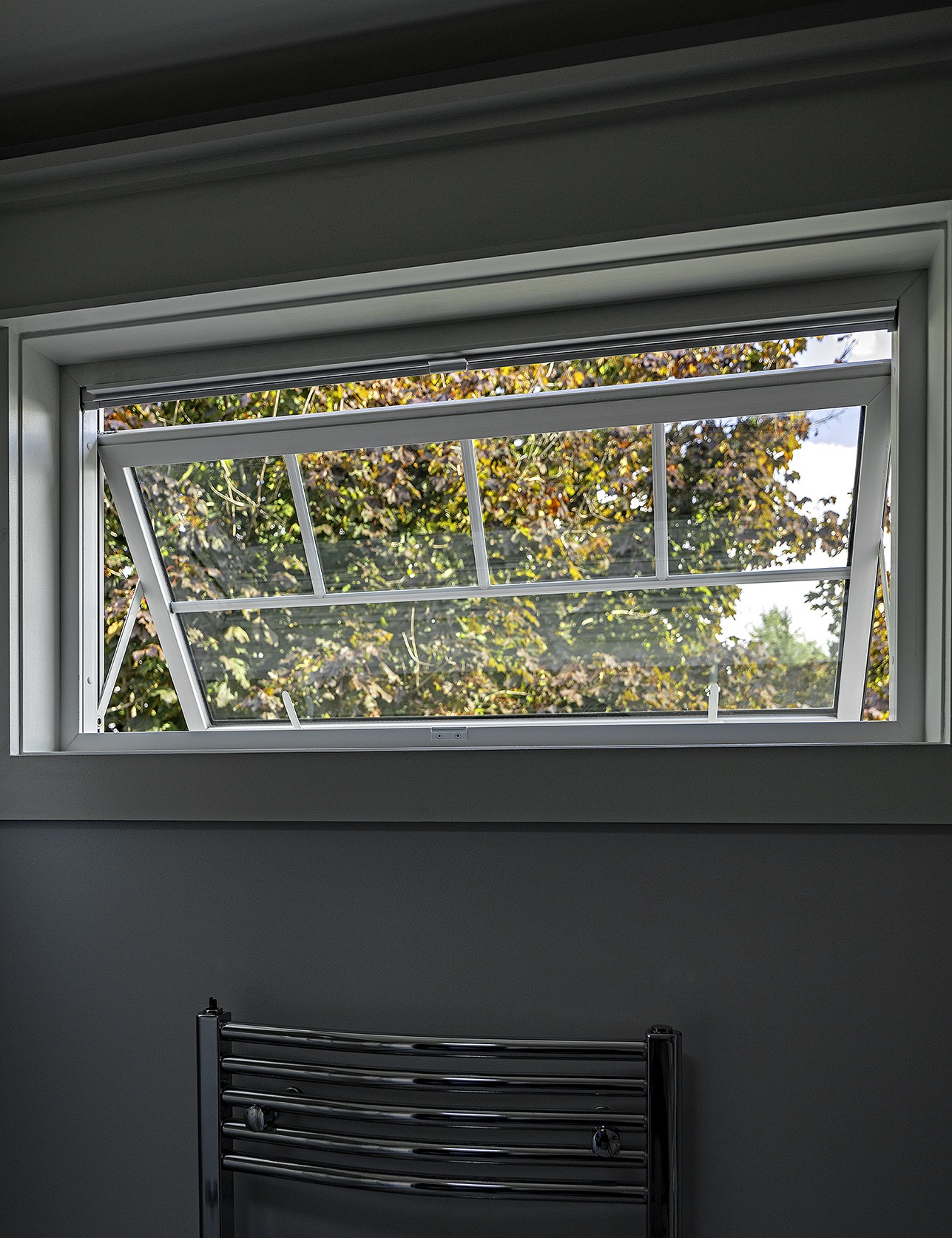
Awning windows are favored for their opening mechanism because they can be left open when it rains. Their opening mechanism resembles that of a casement window, which means that the window sash is pressed tightly against the frame when the window is closed. This translates into superior insulation.
Hung Window Prices by Size
Here are the average hung window prices by their size:
Single-hung windows (one operable sash) cost less than double-hung windows (two operable sashes). Both function similarly to sliding windows but slide vertically instead of horizontally. Note that hung windows may require slightly more maintenance because of their sliding hardware.
Picture Window Prices by Size
Here are the average picture window prices by size:
Picture windows are fixed (non-operable), which actually makes them more energy-efficient since there are no moving parts to seal. They're the go-to choice for maximizing views and natural light. If you want a smaller fixed window, say, 12x12 inches, you can expect to pay as little as $200-$400.

Bay and Bow Windows
A bay or bow window can easily reach or exceed $4,500, and that price depends on several factors: the size of each individual pane, how many glass panes are included, and whether the panes are operable or fixed.
Bay windows project outward from the wall, creating a small alcove inside, which requires structural support and precise installation. Bow windows curve more gently, typically with four or more panes. Both add significant character and resale value to a home, but they do require more planning and a higher upfront investment.
Custom Window Sizes and Their Costs
Custom window sizes cost 25%-75% more than standard window sizes, typically ranging from $500 to $4,500, with oversized units exceeding $8,000. And if your home has non-standard window sizes, you likely won't have a choice but to order custom sizes.
Why the premium? Custom windows require specialized manufacturing to match exact dimensions, which means longer lead times and no off-the-shelf shortcuts. A 36x36 inch casement (not a standard size) can exceed $2,500. An awning window that's taller than it is wide will also carry a higher price tag.
Furthermore, let's not forget about the window shape. If you want a round window, for example, or a triangle one, and you want it to be operable, you may have to pay more. First, uniquely shaped windows are more expensive than standard square or rectangular windows. Secondly, the manufacturing process and the professional installation will likely be more complicated if you want your window to be operable.
Last but not least, while custom windows offer a unique aesthetic and perfect fit, they also require a longer lead time for manufacturing and for the window installation process.
How Does Glass Affect Window Prices and Sizes?
The glass package you choose can add hundreds or even thousands of dollars to your total, especially on larger windows. Here's how the main options compare.
Double-Pane vs Triple-Pane Window Costs
A large double-pane unit might cost $1,500-$2,500, while the same window in triple-pane can reach $2,500-$3,500.
Double-pane windows are the standard choice for most Canadian homes. Triple-pane adds a third glass layer filled with insulating gas, significantly improving thermal performance. On a small window, the price difference may be modest. On a large window, it's more significant.
Low-E Glass Costs
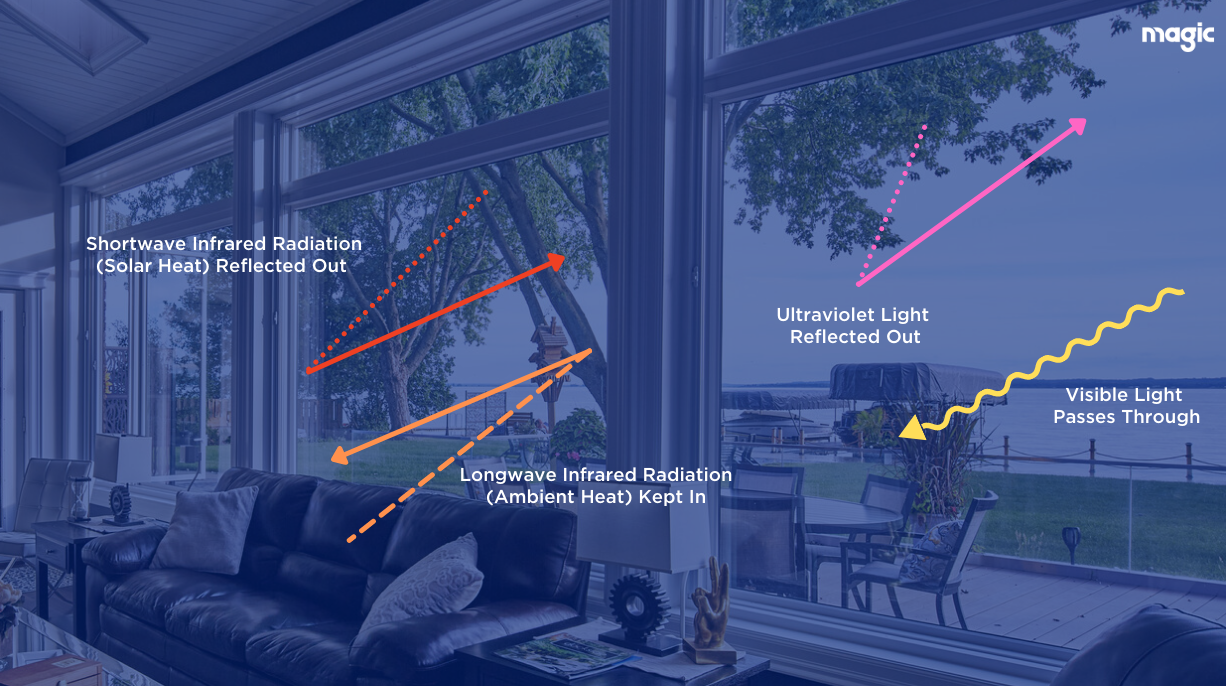
Low-E (low-emissivity) coatings are applied to the glass to reduce heat transfer and UV damage. They add to the cost of any window, depending on how many low-E coatings are added to each window. Triple-pane windows can accommodate two or more Low-E coatings, while double-pane units can only have one.
Tempered vs Laminated Glass
Both tempered and laminated glass enhance the safety of your windows. Tempered glass shatters into small, less dangerous pieces. Laminated glass holds together when broken, thanks to a plastic interlayer. Both options add to the final cost, and as always, larger windows are pricier.
Frame Material Costs by Size
Here's a breakdown of window prices by material and size:
Vinyl window frames are among the most economical options. They are durable, low-maintenance, and offer good insulation. Wood window frames are valued for their aesthetic appeal and excellent insulation properties. However, they require more maintenance compared to other materials. Fiberglass frames are known for their durability and energy efficiency, while aluminum window frames are strong and lightweight but conduct heat easily, which can affect energy efficiency.
Does Window Size Affect Material Choice?
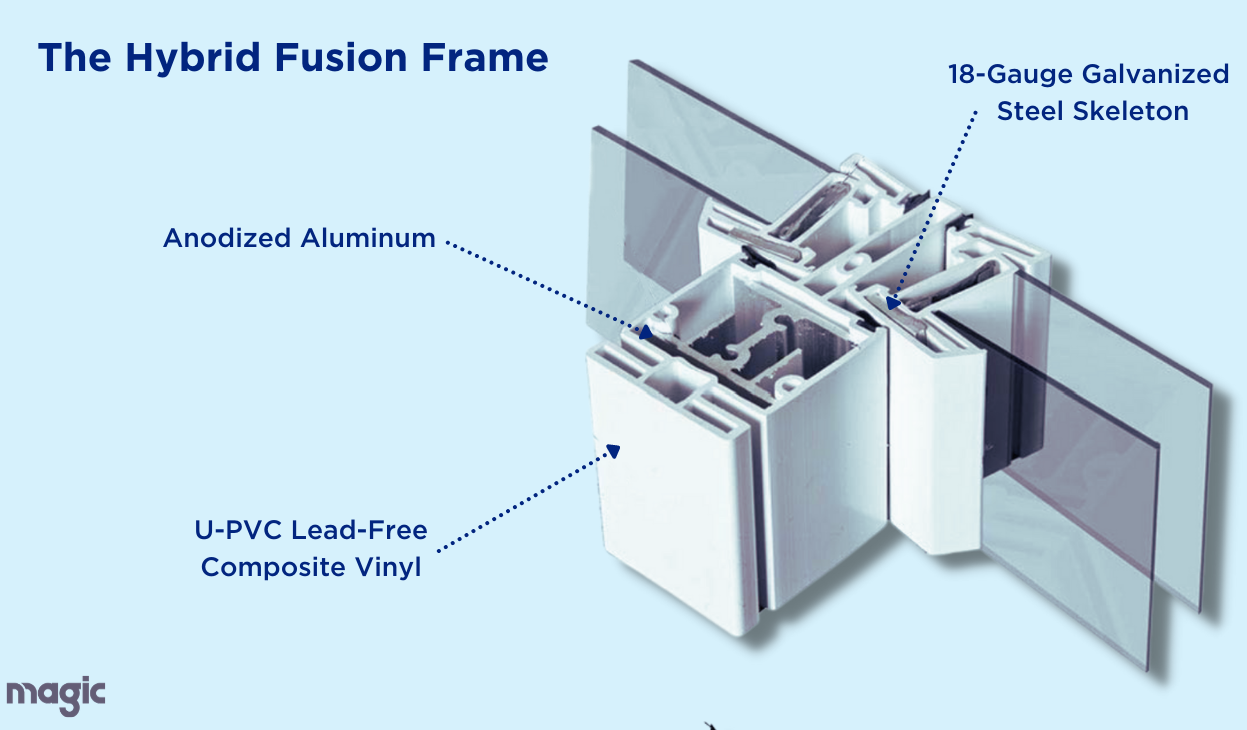
Window size is an important factor when choosing a window frame material. For example, if you want a very large triple-glazed window, you'll need a sturdy window frame that can withstand the weight of the Insulated Glass Unit. At the same time, you'll want the frame to be slim enough to enjoy a large glazing area. Vinyl window frames would not be the best choice, as they're quite bulky and not as strong as aluminum frames, for instance.
In this case, you can go for Magic's Hybrid Fusion Frame, which strikes the perfect balance between strength, durability, and energy efficiency. The Magic window frame material combines aluminum, stainless steel, and vinyl. This makes the window frames incredibly strong and slim. They are also perfect for large glazing areas, even for heavy triple-pane glass!
Window Installation Costs by Size
The average cost range for professional window installation is approximately $100-$250 for a small window and $200-$400+ for a large window. Full-frame replacements (where the entire window frame is removed and replaced) run 10-20% more than retrofit installations (where only the sash is replaced, keeping the existing window frame).
Several factors push installation costs higher:
- Larger windows take more time, require more labor, and are heavier to handle safely
- Higher floors or hard-to-reach locations increase scaffolding and labor time
- Structural modifications, such as widening a rough opening, significantly increase the cost
- Unusual shapes or configurations require more precision and skill
- Disposal of the old window adds to the cost of a full-frame replacement
- Basement windows might require the excavation of a window well at the window opening, especially if the windows are egress windows
Other Factors that Affect Average Window Replacement Prices

Here are some other factors that may affect replacement window costs, regardless of the window size:
- Permits. Large windows and bay/bow windows often require building permits, depending on your local regulations
- Interior trim replacement. In a full-frame replacement, you may need to replace the interior and exterior trim around the window
- Frame repairs. If you're doing a retrofit replacement, the existing frame may need repairs before the new sash can be installed
- Seasonal pricing. Window installation demand peaks in spring and early fall. Booking during the off-season (late fall or winter) can sometimes yield better pricing
- Local labor markets. Installation costs vary by region. Areas with higher demand or limited contractors tend to have higher labor rates
How to Save Money on Window Replacement
Here are a few smart ways to save money on window replacement:
- Replace multiple windows at once. Most contractors offer volume discounts when you're doing a full house replacement. The per-window cost drops considerably compared to replacing one at a time.
- Stick to standard sizes where possible. Modern windows with custom features carry a manufacturing premium. If your existing openings can accommodate a standard size, it's worth considering.
- Book in the off-season. Installation is less in demand during late fall and winter, which can open up better pricing and faster scheduling.
- Look into rebates and incentives. Energy-efficient windows may qualify for federal or provincial rebates in Canada designed for homeowners who invest in energy-efficient upgrades. It's worth checking what's available in your region before you buy.
- Prioritize high-impact windows first. If you can't replace everything at once, start with the windows that affect your energy bills the most — typically the largest windows and those on north-facing walls.
- Get at least three quotes. Installation pricing varies significantly. Comparing quotes helps you understand the market and avoid overpaying.
How to Choose the Right Window Size for Your Home
Window size has everything to do with design and performance, not just costs. As such, when choosing a window size, think about:
- Natural light: larger windows let in more light, can make a room feel more spacious, and can reduce your reliance on artificial lighting. South-facing windows, in particular, can contribute meaningfully to passive solar heating in winter.
- Ventilation: bigger operable windows improve airflow, which is especially valuable in kitchens and bathrooms, where fresh air is a must
- Energy efficiency: larger windows mean more glass area, and glass always transfers more heat than a well-insulated wall. High-performance glazing (triple-pane, Low-E) helps manage this, but it's worth considering whether the largest possible window is your best option.
- Structural limitations: not every wall can accommodate a large window. Load-bearing walls require careful engineering, and widening an opening always adds cost. Your contractor can advise on what's structurally feasible.
- Curb appeal and resale value: well-proportioned windows that complement your home's architecture add genuine value. Oversized windows on a small house, or tiny windows on a large facade, can actually hurt curb appeal. Think about balance.
Get Windows of Any Size with Magic!
At Magic, we prioritize your preferences! Whether you want tiny or extra-large windows, whether you want them to be round, triangle, or arched – we're committed to bringing your dream windows to life!
During a free consultation with Magic, one of our specialists will inquire about your window and door design preferences, assess climate requirements in terms of energy efficiency, and consider your budget to provide you with a solution that is 100% tailored to your house.
So, if you want to replace one window or are planning a full house window replacement project, Magic's waiting for your call!
Frequently Asked Questions
What is the average cost of a standard-sized window?
Replacing a standard window typically costs between $400 and $2,500, depending on the window style, size, and materials.
How much do new windows cost in Canada?
New windows in Canada typically cost $400-$2,500 installed, while bay and bow windows can sometimes exceed $4,500. The final price depends on the window size and style, as well as the quality of the materials.
Which windows are the most expensive?
Bay and bow windows, as well as wood windows, are among the most expensive windows on the market. However, even more budget-friendly options, like slider windows, can be expensive if they come with Low-E glass or other features.
How much do custom-sized windows cost?
Custom-sized windows cost approximately 25%-75% more than standard-sized windows, amounting to roughly $500-$4,500+.
What's the average labor cost to replace a window?
The average labor cost to replace a window is roughly $100-$400+ per window or approximately $55-$65 per hour, depending on size and installation complexity.
Is window replacement cheaper in winter?
Window replacement can sometimes be cheaper in winter because demand tends to be lower than in spring and early fall. Some contractors offer seasonal discounts, shorter lead times, or more flexible scheduling during colder months. However, pricing varies by region and installer, and severe weather conditions can occasionally increase labor complexity.
Does replacing all the windows at once reduce cost?
Whole-house window replacement projects are usually more budget-friendly. Contractors may offer volume discounts, lower mobilization costs, and more efficient labor scheduling for full-house projects compared to replacing windows one at a time. A full replacement can also help improve energy efficiency and maintain a more consistent appearance throughout the home.