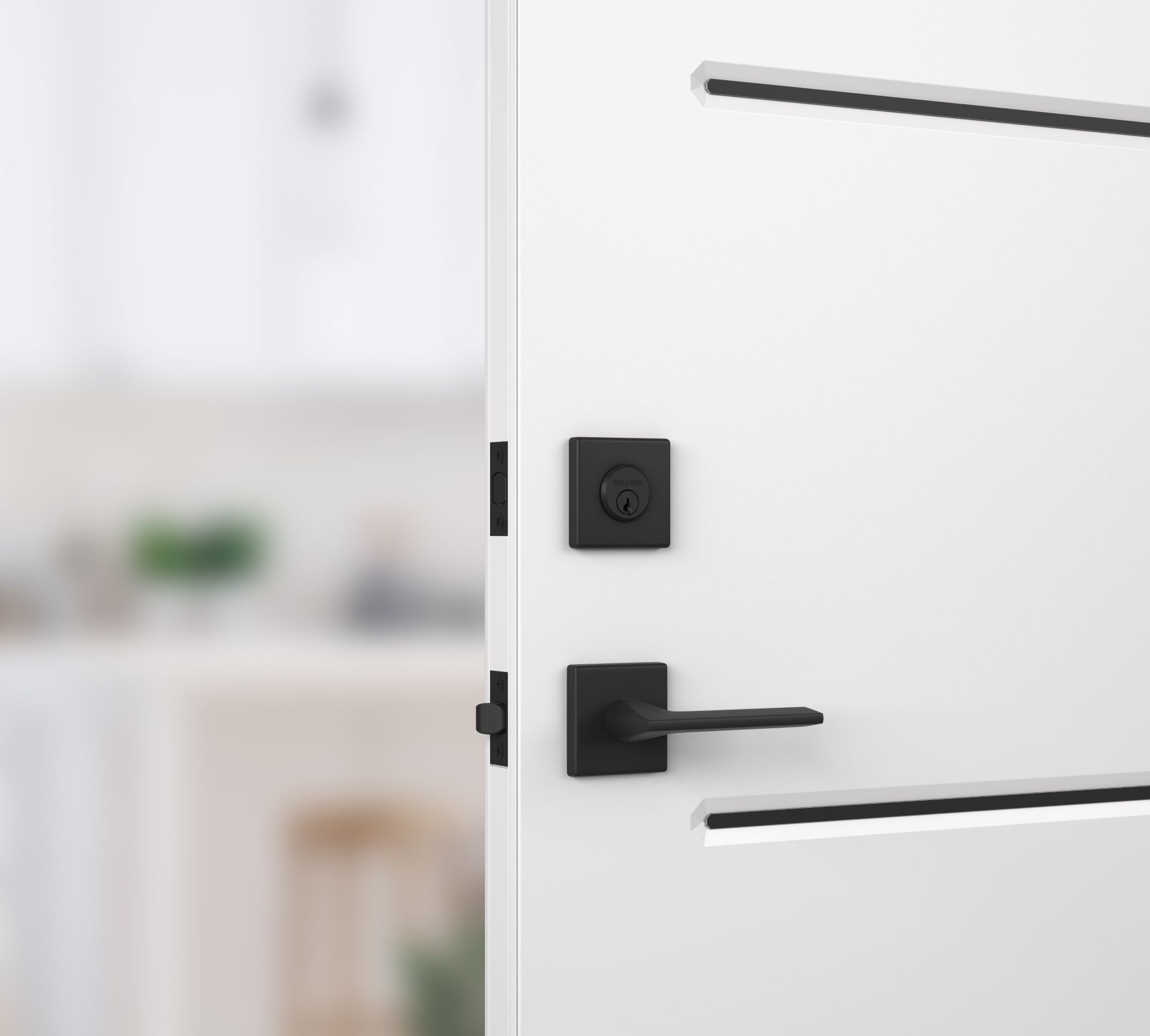
Front Doors
15 Types of Door Locks for Exterior and Interior Doors
If you've ever stood in front of your exterior door juggling groceries, keys, or a frozen lock in the middle of a Canadian winter, you've probably wondered (at least once!) whether your door lock is really doing its job, right? And maybe you've wondered whether there are any other types of locks that perform better...
So, if you want to learn more about different types of door locks (maybe you want to upgrade your door's security or replace the entire door system), keep reading! We've prepared a comprehensive guide that will help you make an informed decision regarding your home's security!
As such, here are 15 types of door locks you should know about!
1. Cylinder Locks
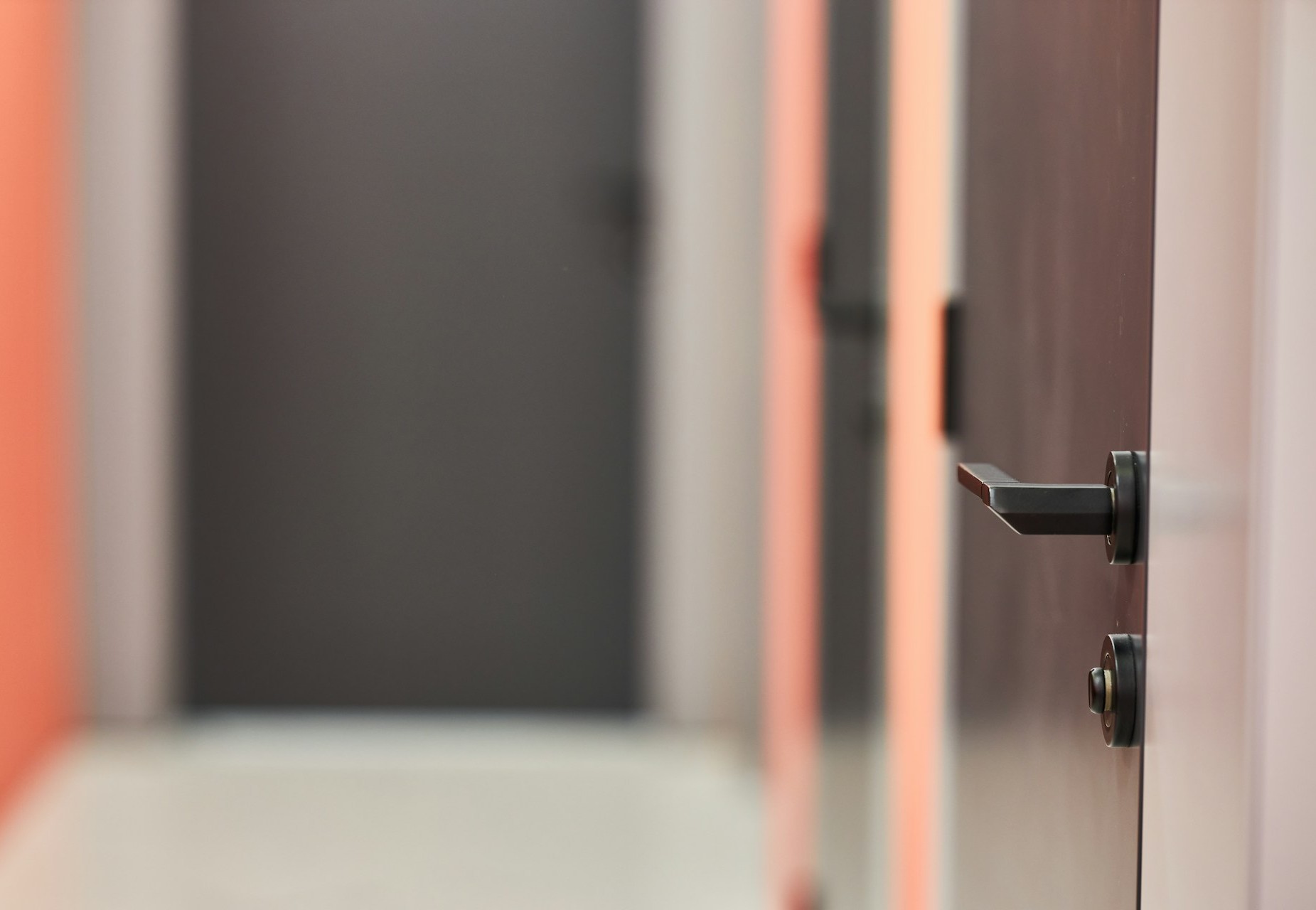
Cylinder locks are among the most commonly found types of locks in residential properties. They have a cylindrical body, which houses a series of pins that, when you insert the key, align in the right position, allowing you to turn the key and unlock the door. There are different types of cylinder locks, including:
- Single-cylinder locks with a thumb-turn knob on the inside and a key-operated cylinder on the outside.
- Double-cylinder locks with key-operated cylinders on both sides of the door.
- Euro cylinder locks with a unique shape that resembles a horizontally stretched keyhole; they can incorporate single-cylinder, double-cylinder, and thumb-turn locks.
- Key-in-knob cylinder locks with the cylinder being in the doorknob itself; this type is also known as a knob lock.
2. Deadbolts
Deadbolts are often used in conjunction with other locks for added security. They feature a sliding bolt that slides into a locking mechanism to lock the door when turned with a key or thumb-turn mechanism from the inside.
On interior doors, deadbolts are usually installed by themselves. On exterior doors, they are installed alongside a key-operated locking mechanism.
3. Mortise Locks
Mortise locks are primarily found in commercial doors or high-security residential applications. They feature a rectangular body that is recessed or mortised into the door. This mechanism provides superior strength and longevity compared to cylindrical locks.
4. Knob Locks
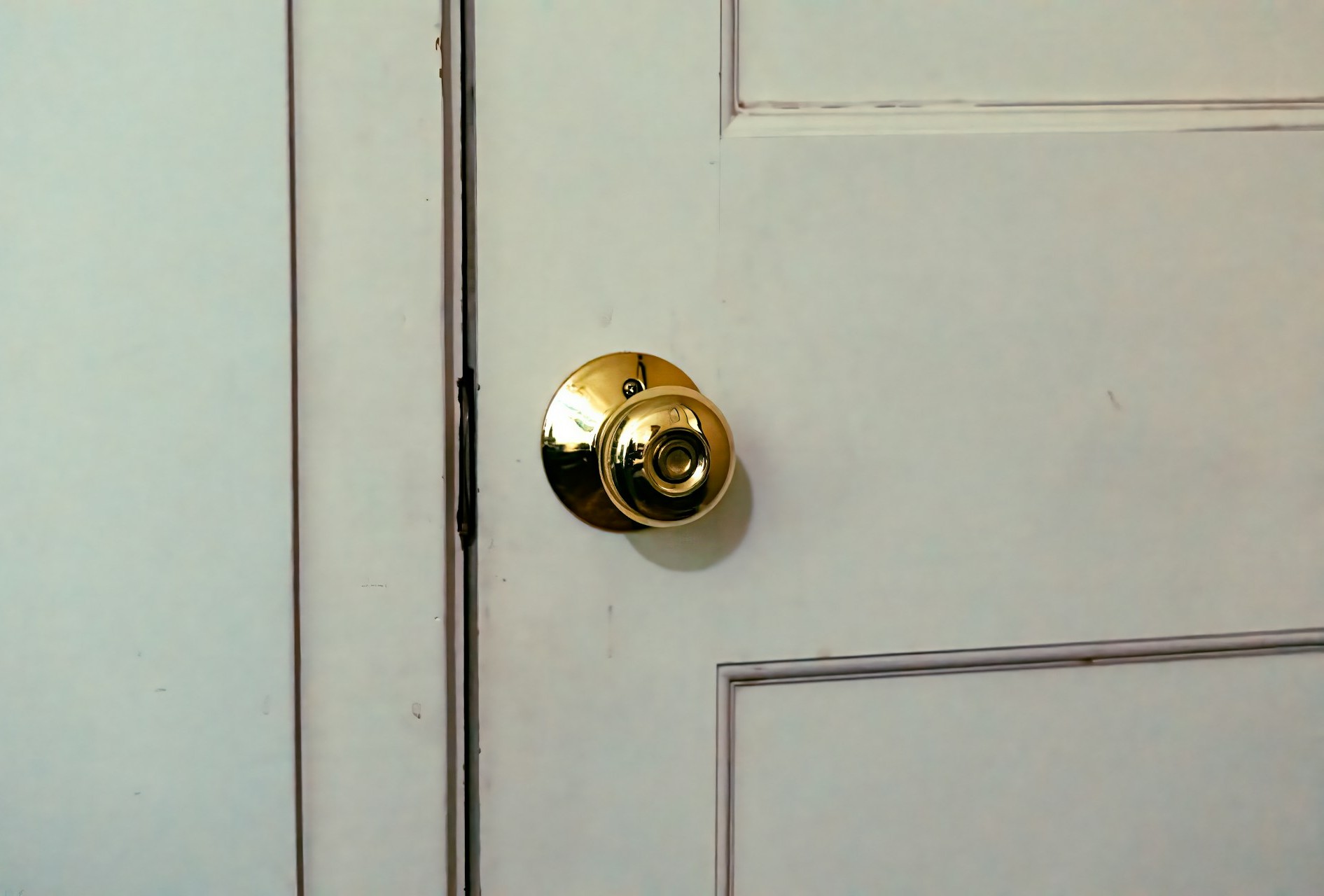
Knob locks are spherical handles found frequently on internal doors in residential properties. The locking cylinder is housed directly within the knob itself. Because of this, they're convenient but relatively less secure compared to deadbolts. Knob locks operate by turning the knob clockwise or counterclockwise to lock and unlock the door.
5. Lever Handle Locks
Lever handle locks are used as both interior and front door locks. They feature a handle on both sides of the door that needs to be pushed down to open the door.
The handle is connected by a spindle that passes through the door and operates the latch mechanism within. When you push down on either lever handle, the spindle rotates, which retracts the latch bolt from the strike plate on the door frame, and the door swings open.
This type of lock is especially useful for accessibility and can complement smart or keyless entry systems on modern homes.
6. Magnetic Locks
Magnetic locks, also known as electromagnetic locks, consist of an electromagnet and an armature plate. This type of lock offers superior security without the need for a key. However, it's primarily used in commercial settings in high-security facilities, for emergency exit doors, in areas requiring restricted access, and in buildings with integrated security management systems.
7. Barrel Bolt Locks
Barrel bolt locks, also known as sliding bolt locks, operate by sliding a cylindrical bolt into a corresponding receiver or catch plate. These locks are installed on the inside of a door. They provide an additional security layer without requiring a key.
The mechanism consists of two main components: a metal sliding bolt housed within a barrel-shaped enclosure and a catch plate fastened to the door frame. When the bolt is pushed forward, it slides into the catch plate, physically preventing the door from opening.
Since barrel bolt locks operate without keys, they cannot be picked or manipulated from the outside.
8. Padlocks
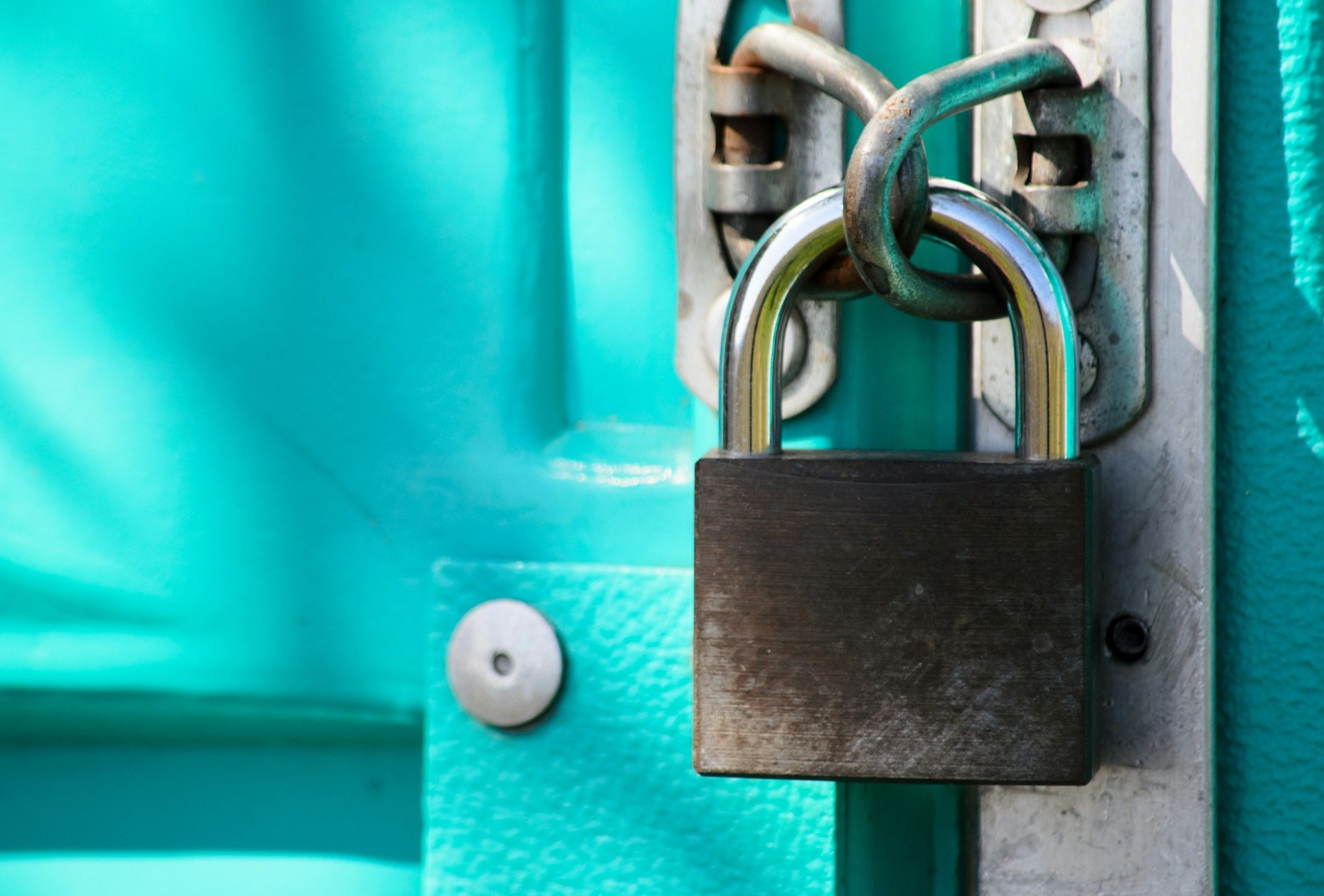
Padlocks are external door locks, most often installed in storefronts, garages, or warehouses. They are freestanding locks, which means they are not permanently attached to a door or wall. There are two main types of padlocks:
- Combination locks, which have a few numbers that open the lock when the correct combination is entered
- Keyed locks, which can be opened using a key
9. Chain Locks
Chain locks serve the same purpose as barrel bolt locks, providing an extra layer of security. These locks consist of a metal chain that connects two components: a chain holder, which is fixed to the door frame, and a chain slider, which is attached to the door.
Chain locks do not fully secure the door, but they do restrict its opening. Because of this, they should not serve as a primary security mechanism on exterior doors.
10. Multi-Point Locks
Multi-point locks are standard on many modern exterior doors. They secure the door at multiple points, usually at the top, middle, and bottom, with a single turn of the key or lift of the door handle. These door lock types are perfect for front doors and sliding doors.
11. Cam Locks
Cam locks have an L-shape mechanism. They aren't typically used for front doors or interior doors. Instead, cam locks are installed on cabinets, lockers, and other enclosures. Cam locks require the use of a key.
12. Rim Locks
While rim locks are not that common in newer homes, they are popular for older homes and secondary entry doors. They can also be used alongside deadbolts for layered protection.
Rim locks are mounted on the interior surface of the door. They automatically latch when the door closes. They can be opened with a knob or handle from the inside and with a key from the outside.
13. Electronic Locks
Electronic locks use an electronic mechanism to secure and unlock doors. They are powered by batteries or a low-voltage electrical connection. So, rather than inserting a key into the door hardware, you enter a PIN code, use a keycard, or simply press a button. The most common types of electronic locks include:
- Keypad locks, which can be opened by entering a numeric code
- RFID or keycard locks, which can be unlocked by tapping a keycard against a reader
- Biometric locks, which can be opened through fingerprint or facial recognition
14. Smart Door Locks
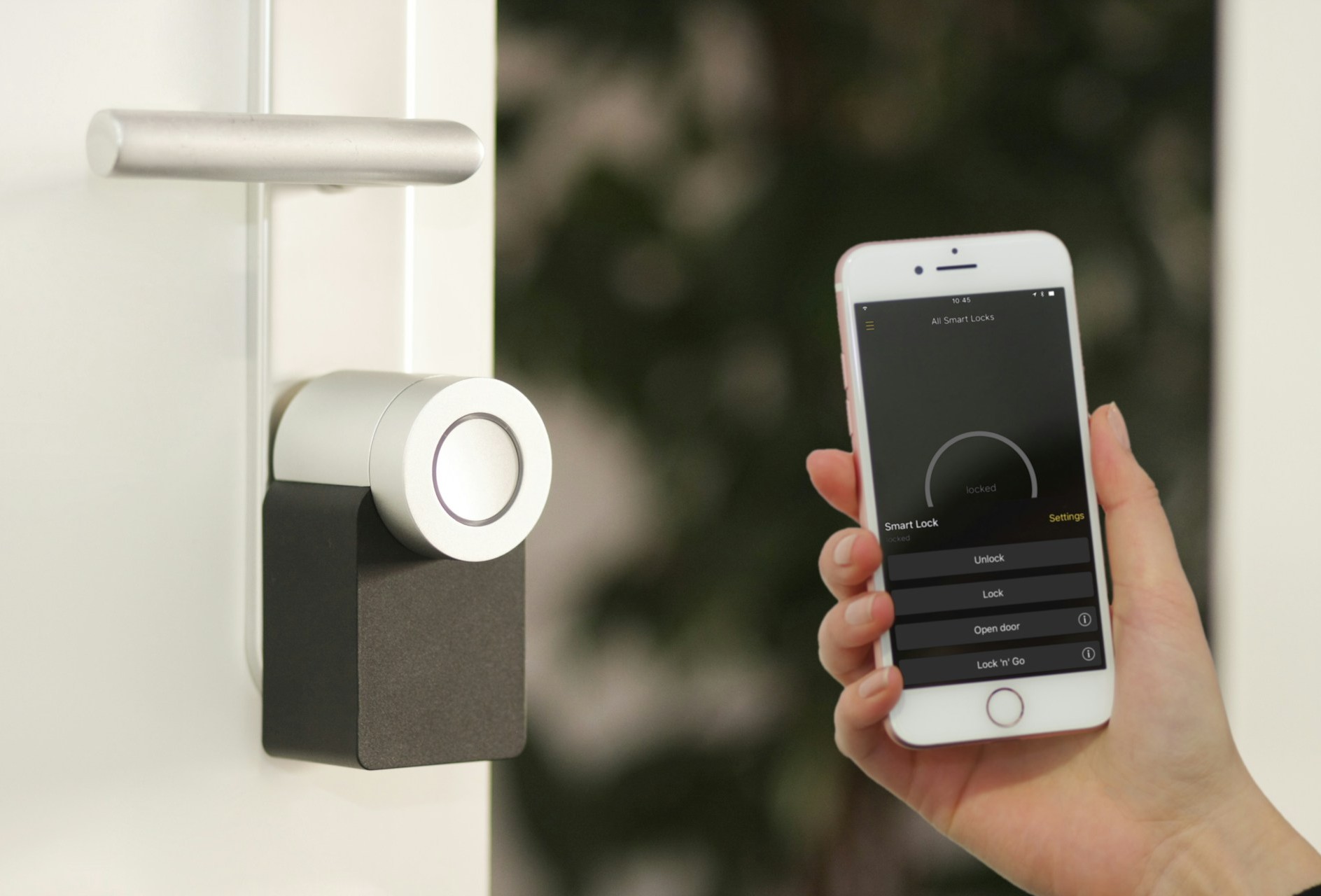
Smart door locks are more advanced than electronic ones. They connect to Wi-Fi, Bluetooth, or a smart home hub, and you can lock and unlock the door remotely using a smartphone, voice assistant, or automation system.
Smart locks usually have a backup keyhole or keypad in case of a power or network outage.
15. Privacy Locks
Privacy locks are installed on interior doors, usually on bathroom or bedroom doors. They are keyless and not designed for security.
Privacy locks can be locked from the inside, usually by turning or pressing a small button or thumb-turn on the knob or lever.
In an emergency, privacy locks can be unlocked from the outside using a simple flathead tool or pin, so you don't have to worry about the safety of your kids if they lock themselves in.
Not Sure What Lock to Choose? Contact Magic!
If you want to replace your front door and are looking for a high-quality system that protects your home year-round (against intruders and weather!), book a free consultation with Magic!
Besides the fact that our front doors feature door locks with the highest security rating in North America, they also feature 30% more steel and a unique "J-Bend" design that resists folding or buckling under pressure. The Magic slab has been tested to withstand over 1,600 lbs of force!
Curious to learn more about our revolutionary front doors? Give us a call!
Frequently Asked Questions
What are the different styles of locks?
Different styles of locks include padlocks, deadbolts, knob locks, lever handle locks, cam locks, and mortise locks.
What is a 7-lever lock?
A 7-lever lock uses seven internal levers that must be precisely aligned by the correct key to unlock the door. This design provides higher security than locks with fewer levers, so 7-lever locks are harder to pick or duplicate.
What is a 5-level lock?
A 5-lever lock uses five levers inside the mechanism to control the bolt's movement.
Are knob locks or lever locks better?
Lever locks are generally better than knob locks for accessibility and security. They are easier to operate and harder to break compared to knob locks.
What are old-fashioned door locks called?
Old-fashioned door locks are called rim locks. They are still found in older homes.
What is the difference between a single cylinder deadbolt and a double cylinder deadbolt?
A single cylinder deadbolt offers key access on one side and a thumb turn inside, whereas a double cylinder deadbolt operates with a key for both sides.
Are smart locks secure?
Smart locks are secure because they feature robust hardware and advanced software. Therefore, they can be a reliable option for modern home security.
What should I consider when choosing a door lock?
When choosing a door lock, prioritize its security level, ease of use, and installation requirements, while ensuring it has been independently tested for security and durability. These factors will help you select a reliable and efficient locking solution.