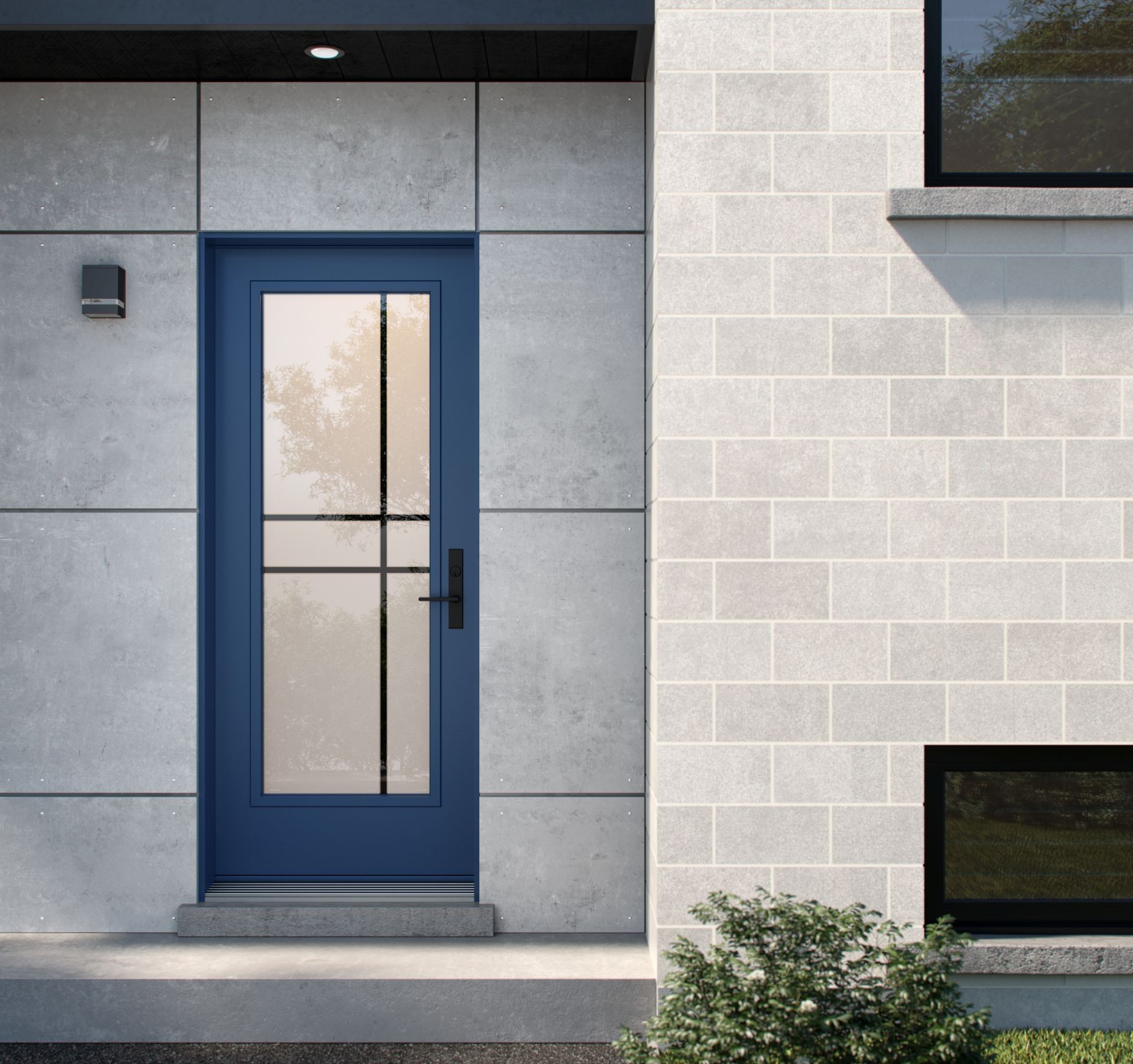
Front Doors
Parts of a Door: Anatomy of a Door
If you’ve ever struggled to describe what’s wrong with your front door (maybe it’s drafty, squeaky, or just doesn’t close quite right), you’re not alone. Most people use their doors every single day without giving much thought to how many parts work together to make them functional, secure, and stylish.
Because of this, we've prepared a comprehensive guide that breaks down all parts of a door, so you’ll know exactly what’s what the next time you’re shopping, troubleshooting, or planning for a door replacement to improve your home's curb appeal.
Key Takeaways
- The door frame includes key components like the door head, side jambs, sill, mullion, threshold, and door stop moulding. Together, these parts provide structural support, alignment, and insulation for the entire door system.
- The main moving section, or door panel, consists of stiles, rails, glazing, astragal, borehole, and door sweep. These pieces shape the door’s appearance, function, and energy performance.
- Essential hardware such as hinges, locksets, handles, latches, deadbolts, and strike plates ensure smooth operation and security.
- Additional door parts include casing, brickmould, transoms, sidelights, kick plates, peepholes, and weatherstripping, which enhance durability, design, and comfort.
Parts of a Door Frame

The door frame is the most important part of a door, as it holds the door unit in place and ensures its functionality and insulation. If the door frame is not sturdy enough or installed incorrectly, the door panels will be prone to misalignment and sagging, which compromises both function and security.
Door frames are commonly made from wood for wooden doors, but other options include aluminum, fiberglass, or composite materials.
These are the key components of a door frame:
- Head jamb. The head jamb is the top horizontal section of the door frame. It connects the vertical jambs to ensure alignment and stability.
- Side jambs. Side jambs are the vertical parts of the door frame, positioned on both sides of the door. They support the weight of the door. The hinge jamb houses the door hinges, which allow the door to open and close. The strike jamb is on the same side as the door knob and the borehole. It houses the strike plate, which is the piece of hardware that the doorknob latch opens into.
- Sill. The sill is located at the very bottom of the door frame, and the door rests on it when it's closed. The sill supports the weight of the door and anchors the frame to the floor, providing a stable foundation. It is only found in exterior doors, facing outwards to prevent dirt and water from coming in from underneath the door.
- Mullion. The mullion, sometimes called the mull, is the part of the door frame that connects two door panels or a door and a sidelight, for example.
- Threshold. The threshold is an integral part of the door frame, and it is also located at the bottom. The threshold sits on top of the sill and acts like a protective cap for it. It is sloped towards the outside to keep water away.
- Door stop moulding. The door stop moulding aligns with the door panel, being attached to the frame. It keeps the door closed tightly when it shuts, preventing it from swinging freely through the opening.
Door Anatomy: The Door Panel
The door panel is the main body of the door, the part that swings open to allow entry and exit. Here are the main parts of the door panel:
- Stiles. The stiles are the vertical sections located on the outside edges of the door sides. The section with the hinges is called the hinge stile. The section with the lock and latches is called the lock stile.
- Rails. The rails are the horizontal pieces of a door panel. A door has top rails, middle rails, and bottom rails. Rails are usually used as decorative elements only.
- Astragal. The astragal is a vertical component installed to seal the space between the door edge or the door frame in a single door unit. In double-door systems, astragals seal the gap between the two panels. An astragal is different from a mullion because the mullion is attached to the door frame, while the astragal is attached to the door itself.
- Glazing. Glazing refers to the glass panes incorporated into the door panel. They can also feature grilles that separate the large glass panes into smaller ones.
- Borehole. The bore hole houses the lockset, and it is drilled into the door panel.
- Door sweep. The door sweep is installed at the bottom of the door, parallel with the threshold, to seal any gaps and keep out wind, rain, and other elements.
Door Hardware

The door hardware includes:
- Hinges. The hinges allow the door to swing in and out. There are different types of hinges, including barrel hinges, concealed hinges, and pivot hinges.
- Lockset. The lockset incorporates the handles, locks, latches, and strike plates.
- Handle. The door handle, also called the doorknob, is used to unlatch the door to open and close it. There are various types of door handles that operate differently.
- Latch. The door latch is the shaft that protrudes from the edge of the panel. It goes into the door frame when the door is closed, securing the panel in place. When you turn the door handle, the latch retracts and the door opens.
- Deadbolt. The deadbolt is similar to the latch. It protrudes from the edge of the panel and into the frame. Deadbolts are only installed in exterior doors and usually serve as an additional security feature. The deadbolt is operated by a thumb turn on the inside and by a key cylinder on the outside.
- Mortise plate. The mortise plate is the vertical hardware component that houses the deadbolt and the latch, improving their strength.
- Strike plate. The strike plate is the vertical piece installed on the strike jamb, adding strength to the door frames.
- Escutcheon. The escutcheon is an ornamental door part. It surrounds the handle and the key cylinder.
Other Door Parts
Beyond the main frame, panel, and hardware elements, there are other door parts that you should know about, including:
- Brickmould. Brickmould is installed on the exterior. Its goal is to conceal the gaps between a window or door frame and the wall surface.
- Casing. The casing, also known as door trim, is the decorative moulding installed on the interior of the door. It covers the gaps between the door frame and the wall, even those resulting from the construction process.
- Weatherstripping. Weatherstripping is a flexible material that lines the edges of exterior doors. It prevents air drafts, dust, and moisture from entering through gaps.
- Transom. The transom is a horizontal window installed above the door. It can be fixed or operable. It allows natural light in and, if it can be opened, is great for ventilation.
- Sidelights. Sidelights are narrow, vertical windows installed on one or both sides of a door. Like transoms, they provide additional daylight into interior spaces and enhance aesthetic appeal.
- Kick plate. The kick plate is a metal plate attached to the bottom of the door. It protects the door from kick damage.
- Door chain. This is an additional security device that allows the door to open slightly for identification without providing full access.
- Dentil shelf. The dentil shelf is installed under a pane of glass. It serves for decorative purposes.
- Peephole. The peephole is installed at eye level in an exterior door. It allows you to see outside without opening the door.
- Flush bolt. The flush bolt is installed in non-active doors. It keeps the door stationary.
- Rain deflector. Rain reflectors are installed on entry doors and have the purpose of deflecting water away from the threshold seal, eliminating the risk of water damage.
Final Thoughts
A door is a carefully engineered system of parts that work together to protect your home, enhance its look, and keep the elements out. And knowing these parts can help you make informed choices about materials, performance, and style.
If you’re ready to explore new doors or want to learn more about how the right door can upgrade your home, contact Magic! Our team is here to help you find the perfect fit — from frame to finish — and make your next door something truly exceptional!
Frequently Asked Questions
What are the parts of a door called?
The main parts of a door include the door slab (or leaf), frame, hinges, handle or knob, lockset, threshold, casing, and weather stripping.
What is the part of the door that opens and closes called?
The part of the door that opens and closes is called the door slab or door leaf. It is the actual movable panel that swings on hinges or slides to open and close.
What is the metal thing at the bottom of a door called?
The metal piece at the bottom of a door is called a threshold or door sill. It helps seal the bottom of the door and prevents drafts, water, and pests from entering. The kick plate is also located at the bottom of the door.
What is the trim around an exterior door called?
The trim around an exterior door is called casing or brickmold. It covers the gap between the door frame and the wall, providing a finished look and helping seal the frame.
What is the purpose of a head jamb in a door frame?
The head jamb serves to connect the vertical jambs at the top of the door frame, providing essential alignment and stability to the structure. Its role is crucial in maintaining the integrity of the door assembly.
How do strike plates enhance door security?
Strike plates significantly enhance door security by reinforcing the locking mechanism and protecting the door jamb from damage and forced entry.
What is the purpose of a transom window above a door?
The purpose of a transom window above a door is to allow additional light into a room or entryway, enhancing brightness and openness.