Window Styles & Comparisons
7 Types of Sliding Windows: Styles, Materials, and How to Choose
Choosing the right windows can completely change how a room looks and feels! With so many products on the market, how do you find the best ones?
Sliding windows remain one of the most popular, without a doubt. That's why today, we'll help you understand whether sliding windows are suitable for your home. We'll discuss all the types of sliding windows and their pros and cons, explain how sliding windows compare to other window types, as well as provide some extra tips for picking windows.
Quick Answer: What Are the Main Types of Sliding Windows?
The main types of sliding windows are single slider (one fixed sash, one operable), double slider (both sashes move), triple slider (three panels, usually two operable), multi-slide (four or more panels that stack open), lift-and-slide (a lift mechanism that seals the sash tightly when closed), pocket sliding (sash slides into wall cavity), and corner sliding (two panels meet at the corner). Each configuration suits different room sizes, ventilation needs, and budgets.
7 Types of Sliding Windows
When people search for types of sliding windows, they are usually asking about sash layout and operability. The three primary configurations are single slider, double slider, and triple slider windows, each designed for different opening sizes and ventilation needs. However, there are several other configurations worth discussing.
The most common types of sliding windows include single slider, double slider, triple slider, multi-slide, lift-and-slide, pocket sliding, and corner sliding designs.
1. Single Slider Windows
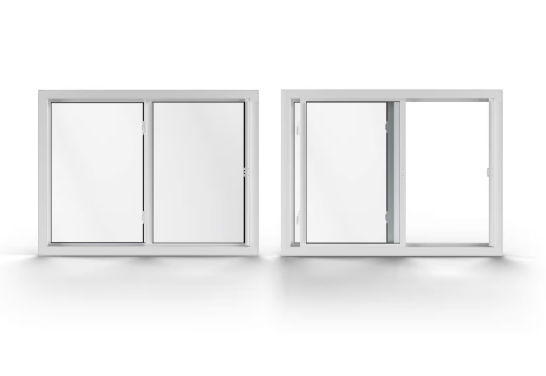
A single slider has two sashes side by side. One is a fixed sash that stays put; the other is an operable sash that slides horizontally along a track. You push it left or right to open. A latch or security lock holds it closed when you don't need airflow.
Single slider windows work great in small bedrooms, bathrooms, home offices, and basements where you need some fresh air but don't have a wide wall or a large budget to work with.
Pros:
- Lower cost than any other sliding configuration
- Smooth operation with minimal effort
- Space-saving design; nothing projects inside or outside
- Works well in limited space situations where a projecting window isn't practical
- Easy to source in standard sizes from most manufacturers
Cons
- Only one operable sash, so ventilation is limited to half the window width
- The fixed sash can make cleaning the exterior panel harder unless the unit has tilt-in sashes
- Best Applications
- Small bedrooms, bathrooms, home offices, and basements where you need some fresh air but don't have a wide wall or a large budget to work with.
Typical cost: $300-$600 installed, depending on size and glass package.
2. Double Slider Windows
Double slider windows look similar to single sliders, but both sashes are operable. Both can slide in either direction along the same track, which gives you more control over airflow. Some double sliders also include tilt-in sashes, so you can clean the exterior glass from the inside.
Double slider windows are usually installed in bedrooms, kitchens, and living rooms. Essentially, you can install them anywhere you want ventilation and easy cleaning access.
Pros:
- Both sashes open for significantly more ventilation than a single slider
- Tilt-in sashes make cleaning easy; you can reach the outside glass from inside
- More flexibility in how you direct fresh air through the room
- Works well in living rooms, kitchens, and bedrooms
Cons:
- Slightly higher cost than single sliders
- Tracks need regular cleaning to keep the sliding mechanism running smoothly
- Two moving sashes mean two sets of hardware to maintain over the years
Typical cost: $400-$800 installed.
3. Triple Slider Windows
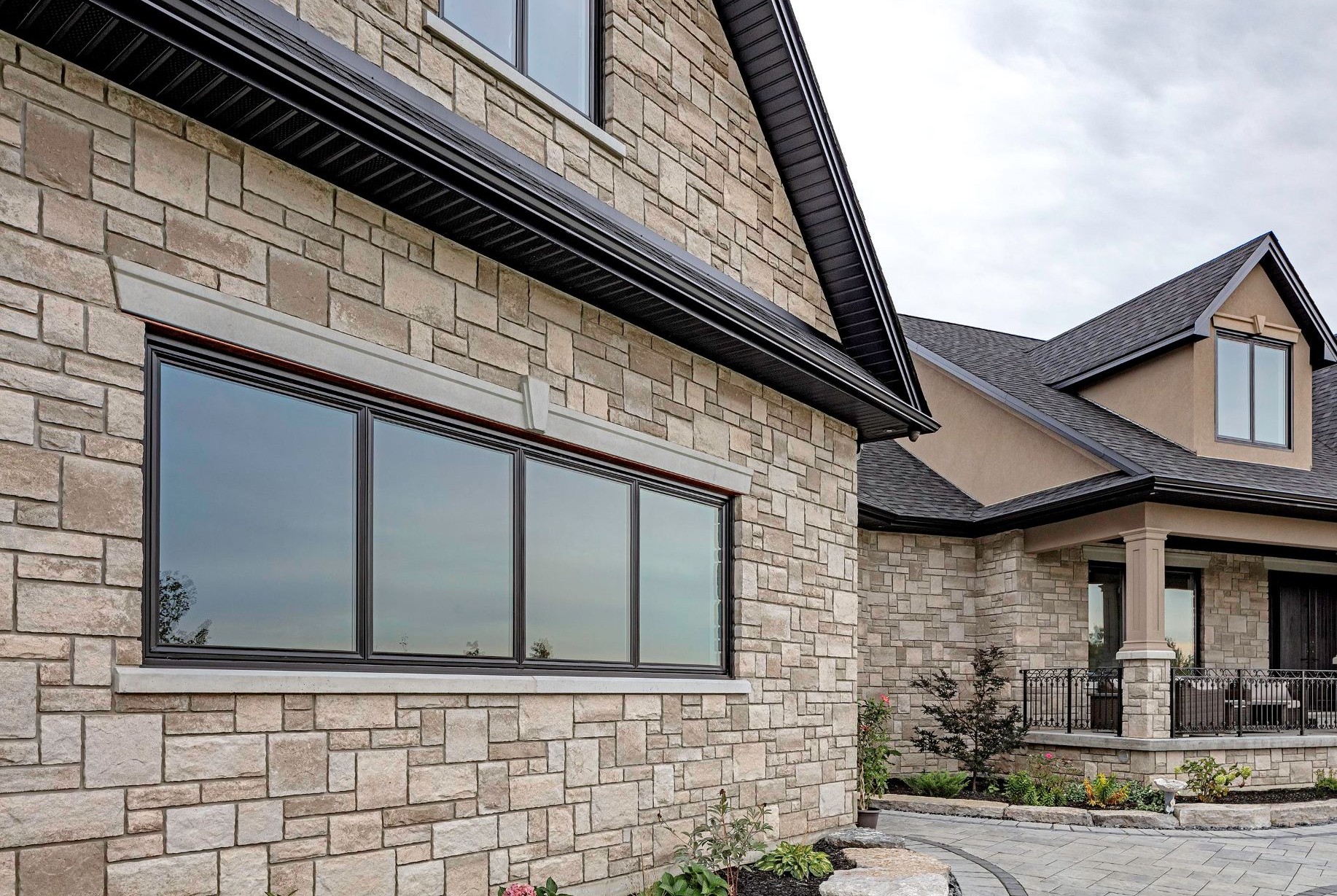
Triple slider windows have three sashes. The two outer panels slide toward the center, while a fixed center pane stays in place. Some configurations have all three panels operable, but the fixed center design is the most common because it supports the frame and maximizes the glass area in the middle of the window.
Triple slider windows are recommended for wide living room walls, open-plan spaces, and rooms where you want a larger window without stepping up to a full multi-slide system.
Pros:
- Covers wider wall openings without structural modifications
- Both outer sashes open independently for flexible ventilation
- Large glass surface brings in a lot of natural light
- Works well in living rooms or any room where you want a broader, more open view
Cons:
- Higher cost than single or double sliders
- The fixed center pane stays put, so you can't open the full window width
- More complex track system means more to maintain
Typical cost: $600-$1,200 installed.
4. Multi-Slide Windows
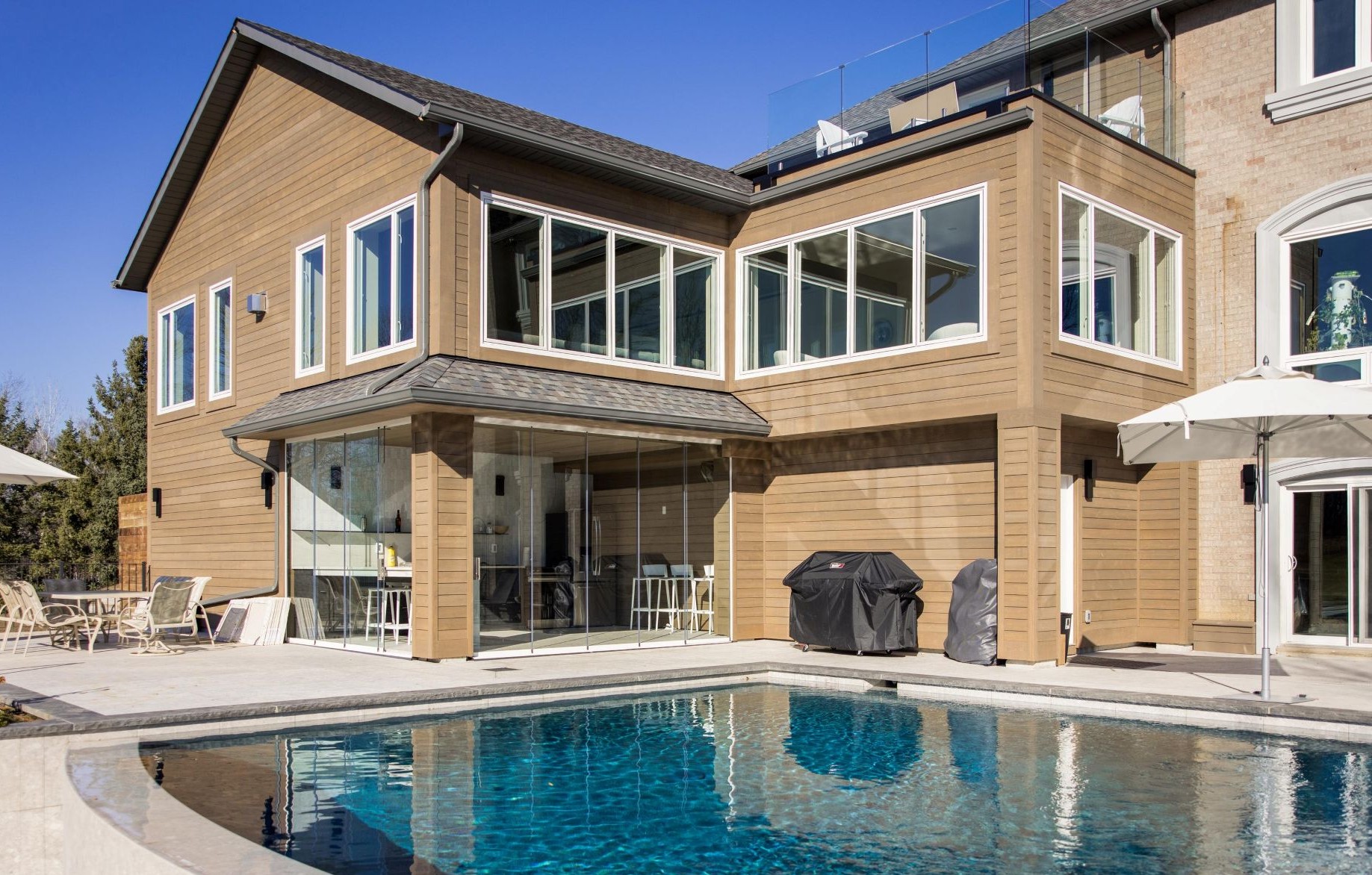
Multi-slide windows have four, six, or more sashes that stack to one or both sides when fully open. In pocket-slide configurations, the panels disappear into cavities built into the wall. The result is an opening that's almost entirely unobstructed, more of a window wall than a window.
Multi-slide windows suit modern homes, open-plan living areas, covered outdoor entertaining spaces, and architectural projects where connecting indoor and outdoor spaces is a design priority.
Pros:
- Maximum ventilation; you can open most or all of the wall if you want
- Creates a seamless connection between indoor and outdoor spaces
- Strong architectural statement in modern homes
- Great for living rooms, covered patios, and entertaining areas
Cons:
- Significantly more expensive than standard slider configurations
- The pocket system needs to be built into the wall during construction — retrofits are complex
- More panels mean more tracks to clean and more hardware points to maintain over time
Typical cost: $1,500-$4,000+ per unit, depending on width and panel count.
5. Lift-and-Slide Windows
Lift-and-slide windows use a handle mechanism. Turning the handle activates a multi-point lifting system that raises the sash just enough to clear the weatherseal. Once closed, the sash drops back down and compresses tightly, which solves the air leakage issue that's a common criticism of standard sliding windows.
Pros:
- Excellent thermal performance because the sash seals tightly when closed
- Smooth operation even on very large, heavy glass panels
- Multi-point locking systems engage automatically when you close the handle
- Works well with large glass panes and floor-to-ceiling configurations
Cons:
- The most expensive sliding window type by a significant margin
- Requires professional installation to set up correctly
- More moving parts than a standard slider, so the mechanism needs occasional servicing
Typical cost: $2,000-$6,000+ per unit.
6. Pocket Sliding Windows
The operable sash slides fully into a cavity built into the wall beside the window. When fully open, the sash disappears completely, leaving just the opening: no visible panel, no stacked frames.
These modern sliding windows aren't that common nowadays, but they can be found in high-end contemporary homes.
Pros:
- Completely unobstructed opening when fully open
- Visually clean aesthetic with no visible hardware when the window is open
- Excellent connection between indoor and outdoor spaces
Cons:
- Wall construction has to accommodate the pocket, which limits retrofit options
- Harder to access the sash for cleaning and maintenance
- Higher cost than standard multi-slide configurations
7. Corner Sliding Windows
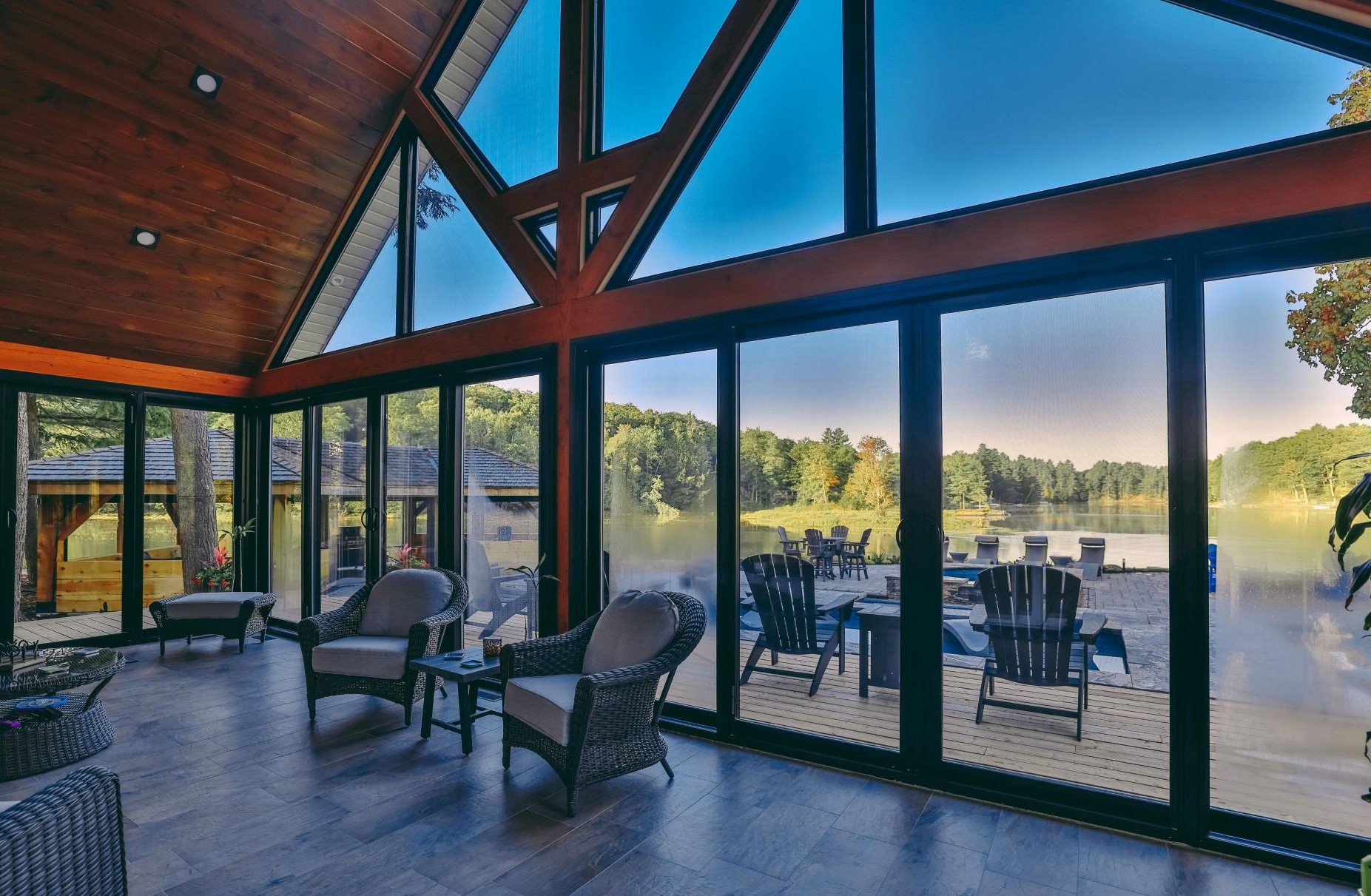
Two sliding panels meet at a structural corner with no post in between. Each sash slides open along its own track, away from the corner. The corner itself is glazed with a special structural detail that holds the unit without a traditional column.
Corner sliding windows are often installed in living rooms and dining rooms in modern homes where maximizing natural light and views at a corner is a priority.
Pros:
- Panoramic views and natural light from two directions simultaneously
- Creates a bright and inviting atmosphere in corner rooms
- Strong modern architectural statement
Cons:
- Requires careful structural planning; the corner needs to carry the load without a column
- More expensive than standard sliding windows
- Generally limited to modern architectural styles
Pros and Cons of Sliding Windows
Advantages of Sliding Windows
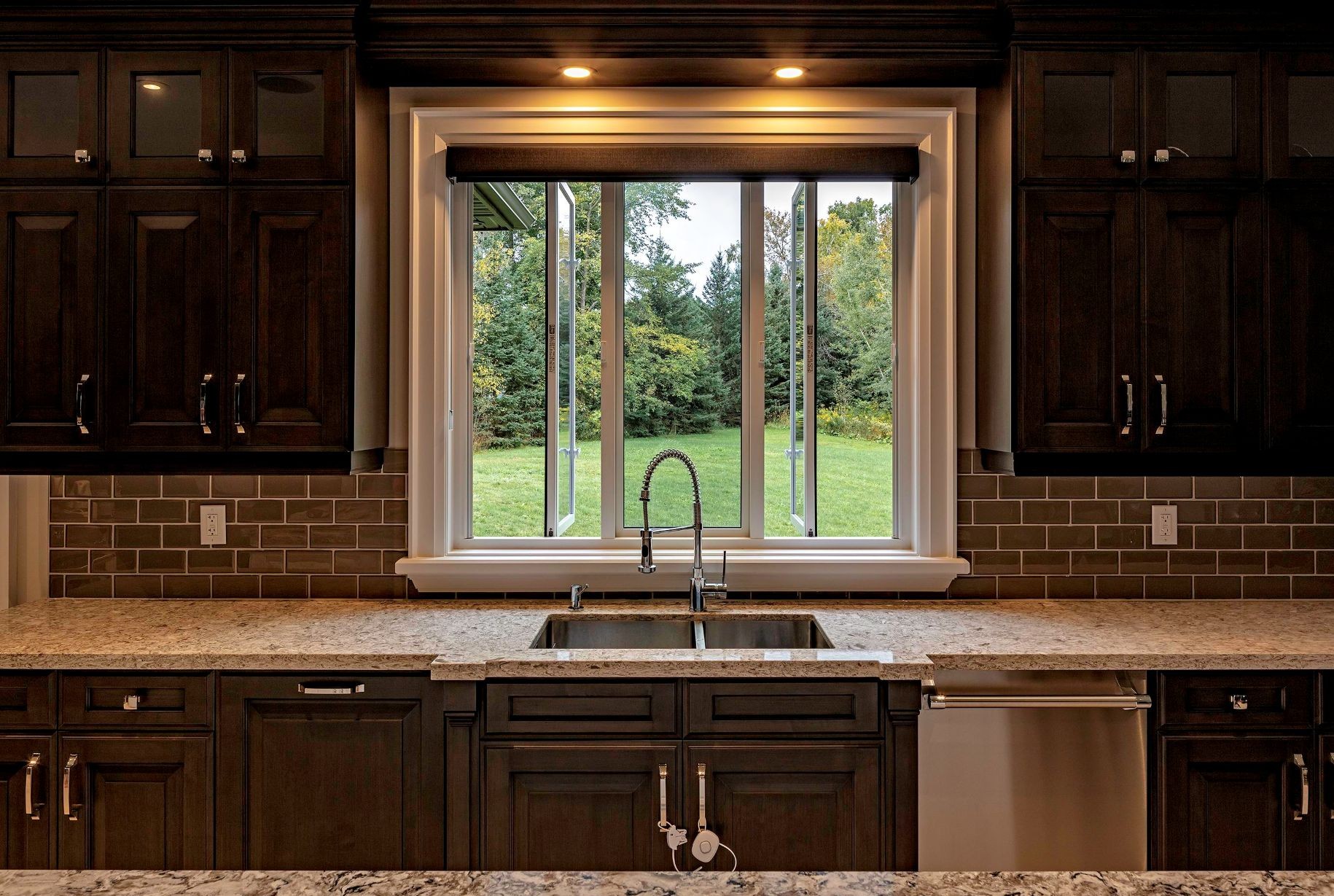
- Space-saving design. The sashes move horizontally, so nothing projects outside or inside. This makes them practical for rooms facing walkways, patios, or tight yards.
- Natural light. Sliding windows are great if you want to maximize glass area. More daylight, better views.
- Easy operation. A sliding sash takes minimal effort to open and close; useful above kitchen counters or anywhere you need quick one-hand access.
- Low maintenance. Fewer moving parts than casement or awning windows. Track cleaning is the main upkeep task.
- Affordable. Single and double sliders are among the more budget-friendly options, particularly compared to casement windows.
Disadvantages of Sliding Windows
- Track cleaning. Dirt and debris accumulate in horizontal tracks over time. If you skip cleaning, the sash starts to drag.
- Air leakage. Standard sliders are less airtight than casement windows because the sash slides along a track rather than pressing into a seal. In colder climates, this is worth factoring into your decision. (Lift-and-slide windows are the exception.)
- Partial opening. On a single slider, only half the window opens. On a double slider, the sashes overlap slightly at the center, so the maximum open area is still limited. This might be an issue if the window is supposed to serve as an emergency exit.
- Larger units need stronger frames. Wider and taller sashes get heavier. Without reinforced window frames, the sash can sag on the track over time.
- Security concerns. Some sliding windows offer less security compared to casement windows, for example. However, you can choose advanced locking systems for enhanced security.
Sliding Windows vs Other Window Types
If you're trying to understand whether sliding windows should be your top priority, we've compared them with other traditional window styles:
You can also read our comprehensive guide that compares sliding and casement windows.
Sliding Window Materials and Frame Options
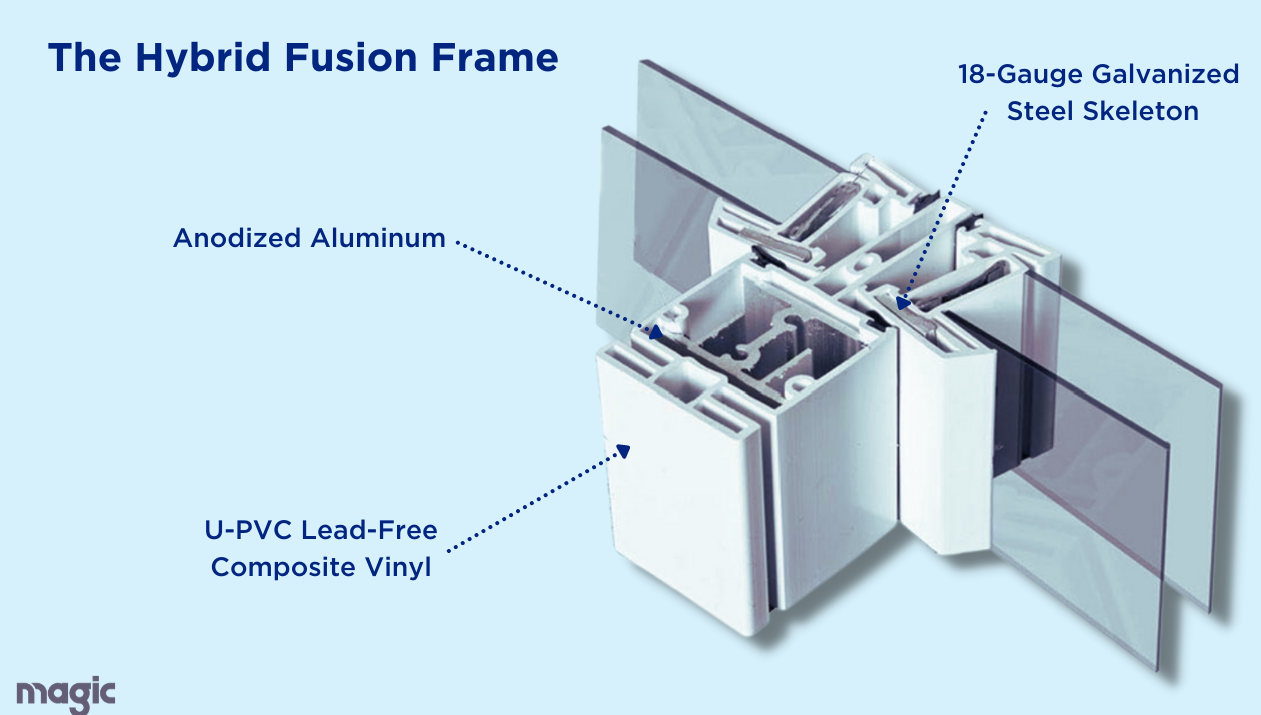
Sliding window materials directly affect durability, insulation, aesthetic appeal, and minimal maintenance demands over the life of the window. The frame accounts for approximately 10-30% percent of a window's total thermal performance, so choosing wisely matters.
Materials for sliding windows include vinyl, fiberglass, wood, aluminum, and composite. Here's how they compare:
Sliding Window Costs by Type
Factors That Affect Sliding Window Cost
- Size. Larger windows use more glass and more frame material. Very wide or tall units may need reinforced frames or heavier hardware.
- Frame material. Vinyl is the most affordable. Fiberglass is mid-range. Aluminum with a thermal break and clad-wood sit at the premium end.
- Glass package. Double-pane is the baseline. Low-E coatings, triple glazing, laminated glass, and acoustic glass all add to the cost.
- Installation complexity. Replacing an existing window in the same opening is straightforward. Enlarging a rough opening or installing sliding windows with multiple sashes involves more labour.
- Customization options. Non-standard sizes, custom colors, and decorative glass add to the final price.
How to Choose the Right Type of Sliding Window
Still can't decide which sliding window is the best for your home? Here are some more tips!
Consider Ventilation Needs
How much fresh air does the room actually need? A single slider works fine for a bathroom or small office. A bedroom or kitchen is better served by a double slider where both sashes open. For a large living room facing an outdoor space, go for a triple slider or multi-slide window.
Consider Window Size
Measure your rough opening before deciding on a configuration. A triple slider needs a wide wall. A lift-and-slide needs depth for the sash hardware. Single and double sliders fit standard openings and are the easiest to source.
Consider the Climate
If you live in a cold climate, prioritize energy-efficient glass options and frame materials. Look for windows with double or triple glazing, low-E coatings, and a well-insulated or thermally broken frame. Vinyl, fiberglass, and composite frames outperform standard aluminum frames in cold weather. Lift-and-slide windows seal better than standard sliders in any climate.
Consider Energy Efficiency
The glass package and frame material together determine how much heat your window gains or loses. Low-E coatings and argon-filled double or triple glazing are the biggest factors. High-quality sliding windows with a good glass package and a vinyl frame will outperform those with a standard glass package on an aluminum frame in most climates.
Consider Maintenance Requirements
- Vinyl and aluminum frames need minimal maintenance beyond periodic cleaning.
- Wood frames need more maintenance.
- Sliding tracks on any window need regular cleaning to maintain smooth operation. This applies to every configuration.
If you want the least upkeep possible, try vinyl frames with tilt-in sashes or composite frames like those from Magic with our Parallex hardware that requires no maintenance.
Consider the Budget
Single- and double-sliders are affordable and work well for most homes. Multi-slide and lift-and-slide systems are a significant investment.
If your budget is tight, put the available money into the best glass package you can afford. The energy efficiency gains from low-E coatings and good glazing pay back over time in lower heating and cooling costs.
Which Type of Sliding Window Is Best?
Frequently Asked Questions
What are the different types of sliding windows?
The main types of sliding windows are single slider, double slider, triple slider, multi-slide, and lift-and-slide. Pocket sliding and corner sliding windows are more specialised configurations used in modern architectural projects where a completely unobstructed opening or panoramic corner view is the goal.
What is the most common sliding window style?
Double slider windows are the most widely installed type of sliding windows in residential homes. Both sashes open, they're available in standard sizes from most manufacturers, and they offer good value for everyday use.
Are double slider windows better than single sliders?
For most rooms, yes, double slider windows are better than single sliders. The fact that you can open both sashes gives you more ventilation and better cleaning access. A single slider is still a good choice if the opening is small or the budget is tight.
Are sliding windows energy-efficient?
Sliding windows can be energy-efficient with the right glass and frame combination, but they are still less energy-efficient than casement windows. Sliding windows with double or triple glazing, low-E coatings, and a well-insulated or thermally broken frame generally perform well.
Do sliding windows leak more air than casement windows?
Standard sliding windows do have more air leakage than casement windows because the sash runs along a track rather than compressing against a seal. Lift-and-slide windows are better from this point of view. If you live in a cold climate, it's recommended to go for casement windows instead.
Which type of sliding window is best?
It depends on your room, budget, and priorities. Double sliders are the best all-round choice for most living spaces. Multi-slide and lift-and-slide systems are better suited to specific architectural applications where maximum opening size or premium performance is the goal.
How long do sliding windows last?
A well-made sliding window with a quality frame and glass package should last around 20 years. Track hardware and weatherstripping may need repair or replacement before then, but the window itself is a long-term investment.
Are sliding windows good for bedrooms?
Yes, double sliders are one of the most popular choices for bedrooms. They provide good ventilation control, easy operation, and a space-saving design that works with most furniture layouts.
Are sliding windows more affordable than casement windows?
Generally, yes. Single and double-sliders are typically less expensive than comparable casement windows, both for the unit and for installation. The price gap narrows at the premium end of each category.