Energy Efficient Windows
Are Triple Pane Windows Worth It? Here's the Truth!
If you live in Canada, you already know that our weather tests the limits of our homes, regardless of the location: freezing winter nights in the Prairies or humid summer days in Ontario that can quickly drive up energy costs and reduce indoor comfort...
Ultimately, your windows play a massive role in keeping your indoor environment comfortable. But when it's time to replace them, homeowners are usually a bit overwhelmed, given the multitude of choices in the window industry. And here's one of the most common dilemmas... Should you pay the extra money for three panes of glass, or are two panes enough? Are triple-pane windows worth it?
If that's the question you're looking an answer for, keep reading! We'll explain everything you need to know about this, and by the end of this article, you'll probably have your answer!
Quick Answer: Are Triple-Pane Windows Really Worth It?
Yes, triple-pane windows are usually worth the investment in Canada if you live in a region with extreme winter temperatures, want to reduce street noise, or have a home with massive walls of glass. Triple-pane windows provide superior insulation, reduce drafts, and deliver noticeable long-term energy savings over time. However, if you live in a milder climate like coastal British Columbia or Southern Ontario, are working with a strict budget, or prefer maximum natural light, high-quality double-pane windows are often more than enough to meet your needs.
What Exactly Is a Triple Pane Window?
Standard modern windows have two layers of glass separated by a spacer, with an insulating gas like argon pumped in between. A triple-glass window has three layers of glass and two gas-filled spaces - essentially, an additional pane and an extra gas chamber designed to slow down heat flow between the indoors and the outdoors. This extra layer drastically slows down heat transfer. These systems are called Insulated Glass Units (IGUs).
But there's more engineering involved than just adding extra glass. High-quality three-pane systems usually feature:
- Dense insulating gases: because the space between the three panes is narrower, manufacturers often use krypton gas instead of argon. Krypton is denser and provides better insulation in tight spaces.
- Multiple low-emissivity coatings: also known as Low-E coatings, these microscopically thin metallic layers are applied to the glass surfaces to reflect heat back to its source. Having three panes allows for more coated surfaces, creating multiple layers of thermal protection.
- Warm-edge spacers: these separate the panes and seal the gas inside. Premium units use non-metallic materials to prevent frost, ice buildup, and condensation from forming around the edges of the glass during deep freezes.
When Are Triple Pane Windows Worth It?
When You Live in a Very Cold or Very Hot Climate
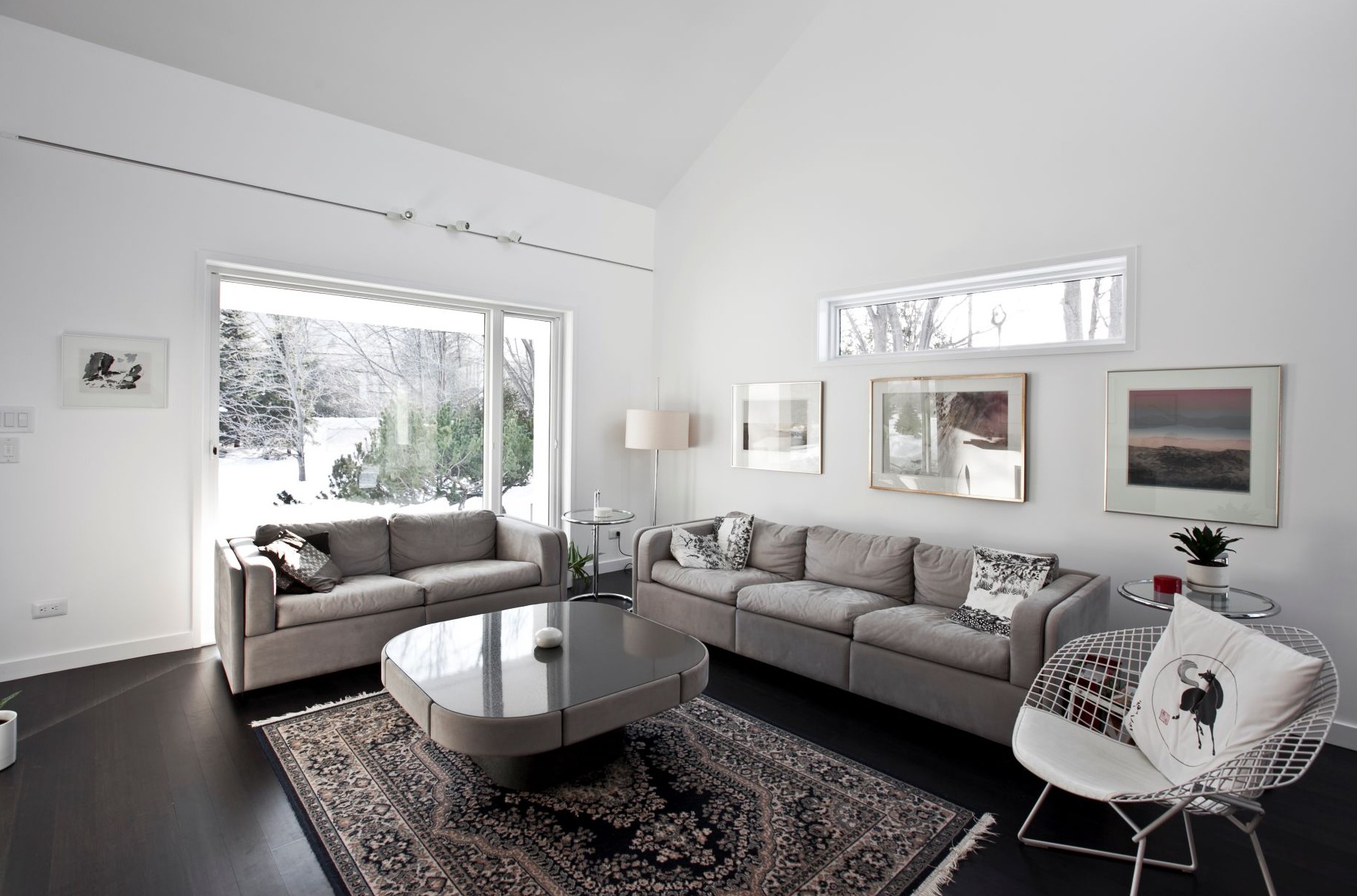
In places like Winnipeg, Edmonton, or Ottawa, winter temperatures drop well below freezing for months at a time, often plunging to minus thirty or even lower. If you live in such a region with freezing winters, triple-pane windows might be worth it. The extra insulating chamber in a three-pane system can keep your expensive furnace heat trapped inside where it belongs. Triple-pane windows offer a much higher resistance to heat loss, which improves overall window performance during harsh seasons and can keep your monthly utility bills in check.
Triple-pane windows perform well in regions with hot summers as well. When a humid heat wave strikes, that same multi-chamber barrier blocks the blistering solar heat from entering, giving your air conditioner a break and keeping your indoor climate perfectly regulated. This can lower your cooling bills.
When You Want Noise Reduction
If your home backs onto a busy street, a highway, or a noisy neighborhood, it might be worth it to install triple-glazed windows. Triple-pane windows provide superior noise reduction compared to double-pane windows. The additional layer of glass acts as a fantastic sound transmission barrier.
Plus, you can use different thicknesses of glass within the same unit, which can further disrupt a wider range of sound waves. This is called asymmetrical glazing (keep it in mind for when you book a consultation with a window company).
When You Want to Improve Comfort
Have you ever sat near a window in January and felt a cold chill radiating off the glass? That happens because the inside pane of a standard window gets cold. Homes with poor insulation around older glazing often experience this effect more intensely. It can happen even with traditional double-pane windows during colder winter days. With a third pane of glass, the interior surface remains much closer to your actual room temperature.
If it is -20°C (-4°F) outside, the inner glass of a dual-pane window might drop to 10°C (50°F), while a three-pane window can stay a comfortable 16°C (60°F). This eliminates those uncomfortable cold zones near your exterior walls, so you can place your couch or dining table right next to the window without anyone feeling a chill.
When Your House Has Expansive Glass Systems
Modern Canadian homes often feature massive floor-to-ceiling glass walls or oversized picture frames to capture views of lakes, forests, or cityscapes. Because glass is a notoriously poor insulator compared to an insulated drywall structure, large glass areas lose a tremendous amount of heat.
So, if your home design consists of extensive glass, upgrading these sections to three panes might be worth it, especially in cold climates. It prevents energy loss and ensures your architectural showpieces do not overwork your heating system, reducing both heating and cooling costs.
When You Want to Minimize Carbon Footprint
If building an eco-friendly, green home is important to you, upgrading your glazing is a highly effective step. By trapping heat efficiently, your HVAC system runs less frequently. Burning less natural gas or drawing less electricity from the grid directly shrinks your household's carbon footprint.
Over the 20-30-year lifespan of the window, the reduction in energy usage is substantial, aligning perfectly with national goals to improve residential energy efficiency and reduce greenhouse gas emissions.
When You Want to Increase Property Value
Energy efficiency is a massive selling feature in the Canadian real estate market, especially as utility rates continue to climb. Prospective buyers tend to view premium, high-efficiency windows as a major structural upgrade that they will not have to worry about replacing for decades.
Plus, when homes undergo energy audits, units with three panes score significantly better. This gives you a tangible selling point. Many buyers are willing to pay a premium for a turnkey home with predictably lower monthly energy bills.
When You Want to Block UV Rays
The sun can be surprisingly destructive to your interior finishes, even in the middle of a Canadian winter. The extra pane of glass allows manufacturers to apply additional low-emissivity coatings without darkening the room too much.
These coatings act like sunscreen for your house. They filter and reflect harmful ultraviolet rays away from your home, protecting your hardwood floors, area rugs, artwork, and upholstery from fading.
When You Want Less Condensation
Have you ever woken up on a freezing January morning to find ice building up on the inside of your glass, or pools of water ruining your wooden window sills?
Condensation happens when warm, moist indoor air hits a cold surface. Because the interior pane of a single-pane window or a standard double-pane window gets quite cold during a Canadian winter, it acts as a magnet for condensation. Upgrading to three panes keeps that interior glass much warmer. This virtually eliminates interior frosting and condensation, protecting your home from mold growth and water damage around the window frames.
When Are Triple Pane Windows Not Worth It?
When You Live in a Mild Climate
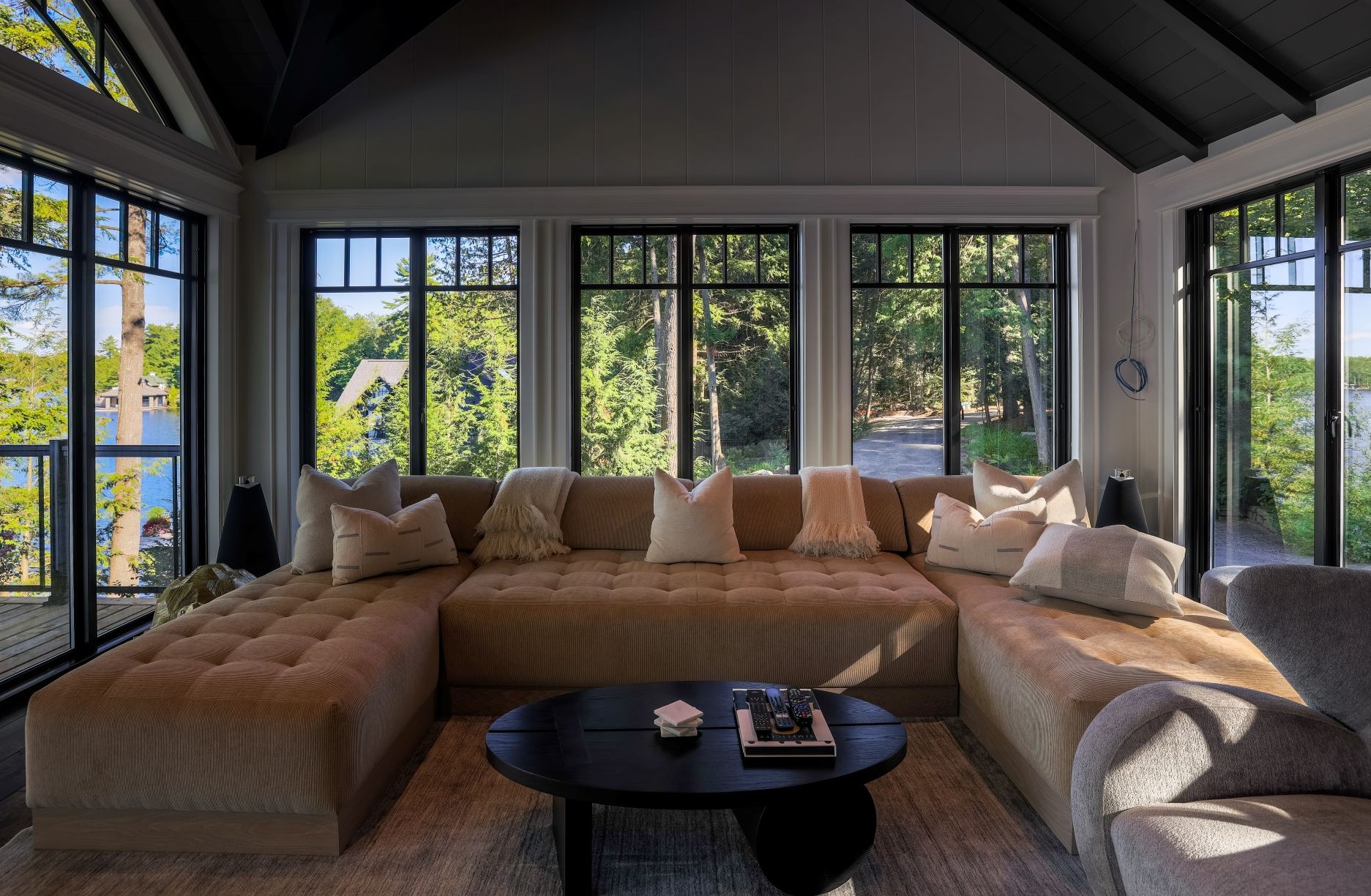
In regions like Victoria, Vancouver, or Toronto, the winters are generally mild and damp rather than dangerously cold. In these climates, the extreme insulating power of three panes is rarely put to the test.
Because your furnace is not working in overdrive to fight off sub-zero temperatures, the amount of energy you'll save each month with triple-pane windows is quite small. And this means that you might never recoup the extra cost through your utility bills before it's time to replace the units again.
In short, double-pane windows are definitely enough for homes located in regions with mild climates. Moreover, if your current windows are already modern and efficient, and they may last 5-10 more years, upgrading might not be necessary.
When You Prioritize Natural Light
Because of the extra glass layer and the additional low-emissivity coatings required to maximize insulation, triple-pane glass has a lower Visible Transmittance rating. This means that less total sunlight physically makes it through the glass. In some cases, heavily coated three-pane units can even cast a slight greenish or grayish tint over your view, which might clash with your interior design goals.
So, if your priority is getting the absolute maximum amount of bright, unfiltered sunshine into your living room, two panes will serve you better. When in doubt, you can check the Visible Transmittance rating of various units on the NFRC database. Higher Visible Transmittance ratings mean that more natural light passes through a window.
When You Are on a Tight Budget
There is no getting around it. Adding more glass, pumping in more insulating gas, and building thicker frames costs more money. Depending on the manufacturer, upgrading can increase your total project cost by 10-20% or more.
So, if you are renovating on a strict budget, putting your money toward premium double-pane windows is often a smarter financial move than buying triple-pane windows made of cheap materials. A high-quality two-pane unit with a durable frame and excellent weatherstripping will always outperform a budget-friendly three-pane unit that might suffer from seal failure or gas leakage a few years down the road.
This is especially true if your existing windows are already relatively efficient and only need an upgrade rather than a full replacement. Plus, you can always install energy-efficient window treatments that will further improve energy efficiency.
When You Can Get Energy-Efficient Window Treatments
Sometimes the window itself does not have to do all the heavy lifting. If you plan to install heavy cellular shades, thick blackout curtains, or thermal blinds, these treatments add an excellent layer of insulation at night when temperatures drop.
Cellular honeycomb shades, for instance, trap pockets of dead air right against the glass. By closing these high-quality, energy-efficient window coverings in the evening, you essentially create a temporary thermal barrier that mimics the insulating power of a third pane of glass, saving you the upfront cost of upgrading the window unit itself.
When You Want Extra Large Windows
Adding a third sheet of glass increases the total weight of the window sash by 50%. For extremely large sliding doors, massive casement windows, or window walls, this extra weight can put immense stress on the hinges, tracks, and crank hardware. This is particularly important for operable window types like casement windows or double-hung windows.
Over time, heavy sashes can sag out of square, making them difficult to open, close, and lock properly. If your architectural design calls for oversized operable sashes, you might be forced to stick with two panes just to keep the window functional and protect the longevity of the hardware.
Are Triple-Pane Windows More Expensive than Double-Pane Windows?
On average, triple-pane windows cost approximately 10-15% more than double-glazed windows. If you are removing old windows in the entire house, getting triple-pane replacements can add several thousand dollars on top of your already expensive project.
While prices vary widely across Canada depending on your region and the specific manufacturer, you can generally expect to pay a premium upfront for the heavier, thicker units. Because of this, it might take much longer to recoup the initial investment.
Therefore, the decision should be based just as much on daily comfort, draft reduction, and noise cancellation as it is on your monthly utility bill. If you value a quieter, warmer, and draft-free living space, that upfront premium pays dividends in everyday comfort from day one.
Do Not Forget About the Window Frame

You can buy the most advanced, energy-efficient glass in the world, but if the frame holding it is poorly designed, you are throwing your money away. When you upgrade to three panes, the frame material becomes even more critical because it has to support significantly more weight while providing excellent insulation.
Vinyl is the most popular choice in Canada because it is highly affordable and offers great insulation. However, it's important to choose a premium vinyl with reinforced inner chambers so it does not warp under the heavy weight of the extra glass.
Fiberglass is incredibly strong and expands and contracts at the exact same rate as glass. It is a durable option for heavy three-pane units, though it comes with a higher price tag and might not be readily available, depending on where you're located.
While wood offers classic beauty and natural insulation, it requires regular maintenance to protect it from moisture and rot, especially in harsh weather.
You can also go for hybrid materials like Magic's Hybrid Fusion Frame. It combines vinyl, aluminum, and steel. Vinyl makes the windows energy-efficient, while the skeleton, made of aluminum and steel, keeps the frame intact so it can withstand heavy glass panes and extreme temperature fluctuations.
Why Is Proper Installation Non-Negotiable?
A premium window is only as good as the installation behind it. Because three panes of glass are incredibly heavy, the installation crew must be highly skilled to ensure the window is perfectly plumb, level, and square. If the unit is installed slightly crooked, the heavy sashes will eventually fail to open and close properly.
Furthermore, the gaps between the new window and your home exterior must be properly sealed with low-expansion spray foam and weatherproof caulking. A badly installed high-end window will let in more cold drafts than a perfectly installed budget window.
Government Rebates and Energy Grants
Before you make your final decision and sign a contract, always check for current federal, provincial, or municipal energy rebates. Canada frequently offers grants and financial incentives for homeowners who upgrade their primary residences with high-efficiency products.
Because windows with three panes easily meet the strictest energy performance ratings, they often qualify for the highest tier of rebate money available. Taking advantage of these programs can significantly shorten your payback period and make the upgrade much easier on your wallet. However, to benefit from these programs, you'll have to install ENERGY STAR-certified windows.
Alternative: Magic Double Pane Windows and Thermal Blinds
If you live in Southern Ontario, you have access to a very clever alternative that bridges the gap between these two options. Magic, a top window manufacturer based in Toronto, offers high-performance double-pane windows paired with integrated, retractable thermal blinds.
This system gives you the best of both worlds. During a sunny winter day, you can retract the blinds completely into the frame to increase solar heat gain and let it more natural light. Because you are looking through only two panes of glass, you capture more free radiant heat from the sun to warm your home.
At night, when the temperature plummets, you simply pull out the integrated thermal blind to create a third dead-air space between the room and the glass. This gives you the insulating power of a triple-pane setup without the permanent loss of natural light, the extra weight on your window hardware, or the bulkier frame profile required to hold three thick sheets of glass.
In fact, Magic double-pane windows with thermal blinds reach a U-value, also known as U-factor, as low as 0.17, similar to the U-value of many new windows built with three panes.
Curious to learn more? Book a free consultation with Magic!
FAQs
What are the disadvantages of triple-pane windows?
Triple pane windows cost more upfront than double pane options, and their heavier weight can make installation more complex. In milder climates, the extra glass layer may not deliver enough additional insulation to justify the higher price, especially if your existing windows are already energy-efficient.
Are triple-pane windows worth it in Canada?
In most Canadian climates, triple-pane windows are worth the investment because they significantly reduce heat loss during long winters and improve indoor comfort. Homeowners in colder regions often see better energy efficiency, less condensation, and noticeable noise reduction compared to standard double-pane units.
How long do triple-pane windows last?
High-quality triple-pane windows typically last 20-30 years or longer when professionally installed and properly maintained. The lifespan depends on factors such as frame material, seal quality, climate exposure, and installation standards.
Do triple-pane windows keep cold out?
Yes, triple-pane windows help keep cold air out by adding an extra insulating glass layer and gas-filled chambers that slow heat transfer. While no window eliminates heat loss completely, triple glazing can significantly reduce drafts and maintain more stable indoor temperatures during winter.