Window Cleaning
Does Bleach Kill Mold? Here’s the Truth!
Mold growth is so much more common in Canadian homes than we think. Once mold has the necessary conditions to thrive, it’ll grow continuously until you notice it and remove it - which, let’s face it, can be really difficult sometimes.
If you’re dealing with mold growth, you’ve probably heard about bleach solutions, right? Some say bleach is the most effective against mold. Others confirm it never works. That it simply discolours mold and never kills it. So, does bleach kill mold, after all? Let’s find out!
Quick Answer: Does Bleach Kill Mold?
Bleach kills mold on hard, non-porous surfaces like ceramic tile and glass. On mold growing on porous materials like wood, drywall, and grout, bleach is not effective. The mold roots sit below the surface where bleach can't reach them. You wipe away what you can see, but within days or weeks, it's back. Using bleach on porous surfaces can actually increase the rate of mold growth due to the added moisture.
What Is Mold and Why Does It Keep Coming Back?
Mold keeps coming back because most cleaning methods only deal with visible mold growth.
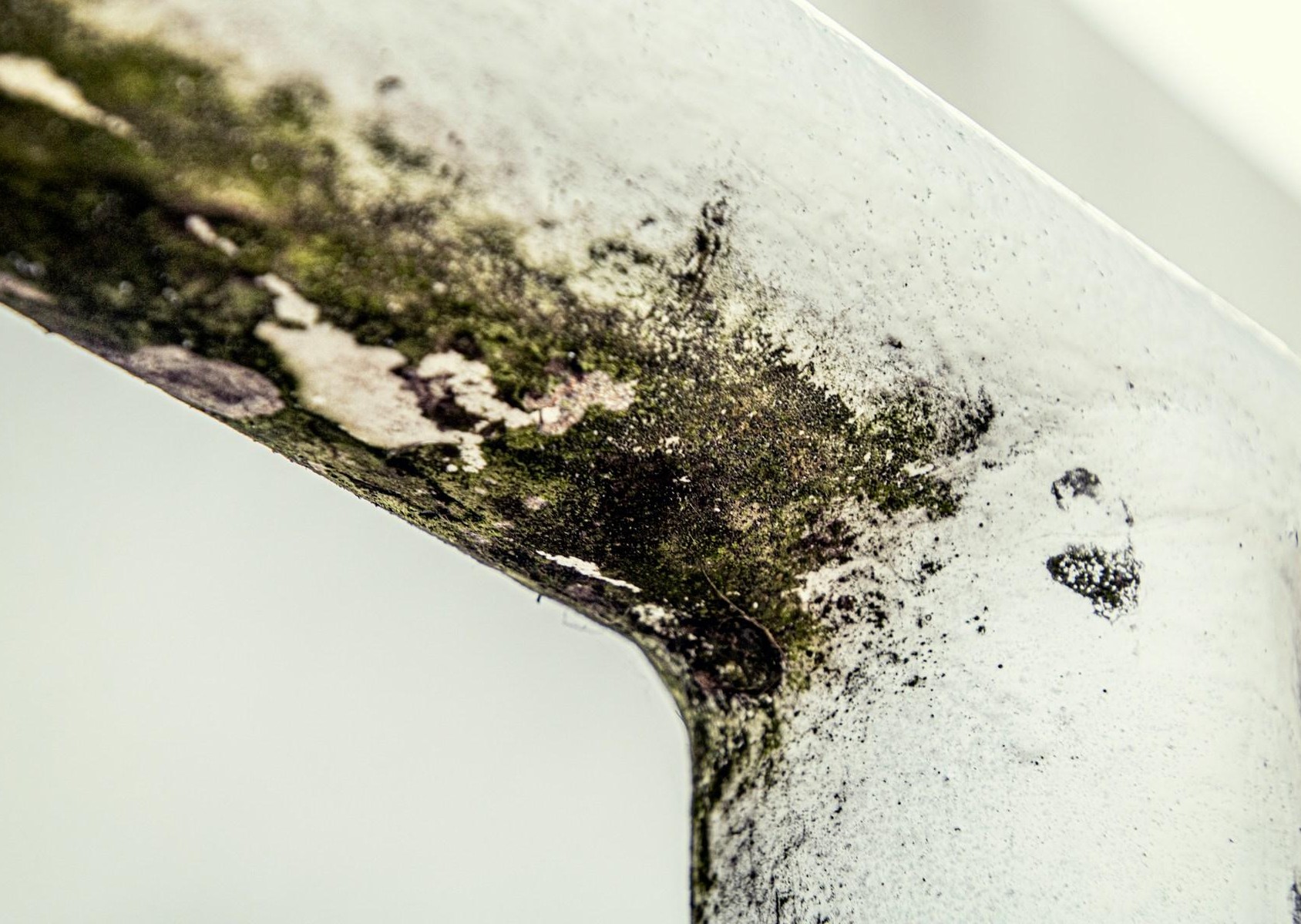
Mold is a fungus that spreads by releasing spores into the air. Those spores settle on surfaces and, given excess moisture, warmth, and something organic to feed on (wood, paper, dust, fabric), they start to grow. The black, green, or grey patches on your bathroom wall or window sill are the surface signs of a colony whose roots, called hyphae and mycelia, extend beneath the surface into the material itself.
If you kill the surface growth but leave the roots intact, the colony regrows. This is why mold returns after cleaning: the cleaning never reached the source.
The other reason mold comes back is that the conditions driving it haven't changed. Mold grows where moisture accumulates. If you fix the moisture problem, you remove the environment it needs to survive. If you skip that step, no cleaner, bleach, or other solution will give you lasting results.
Does Bleach Kill Mold?
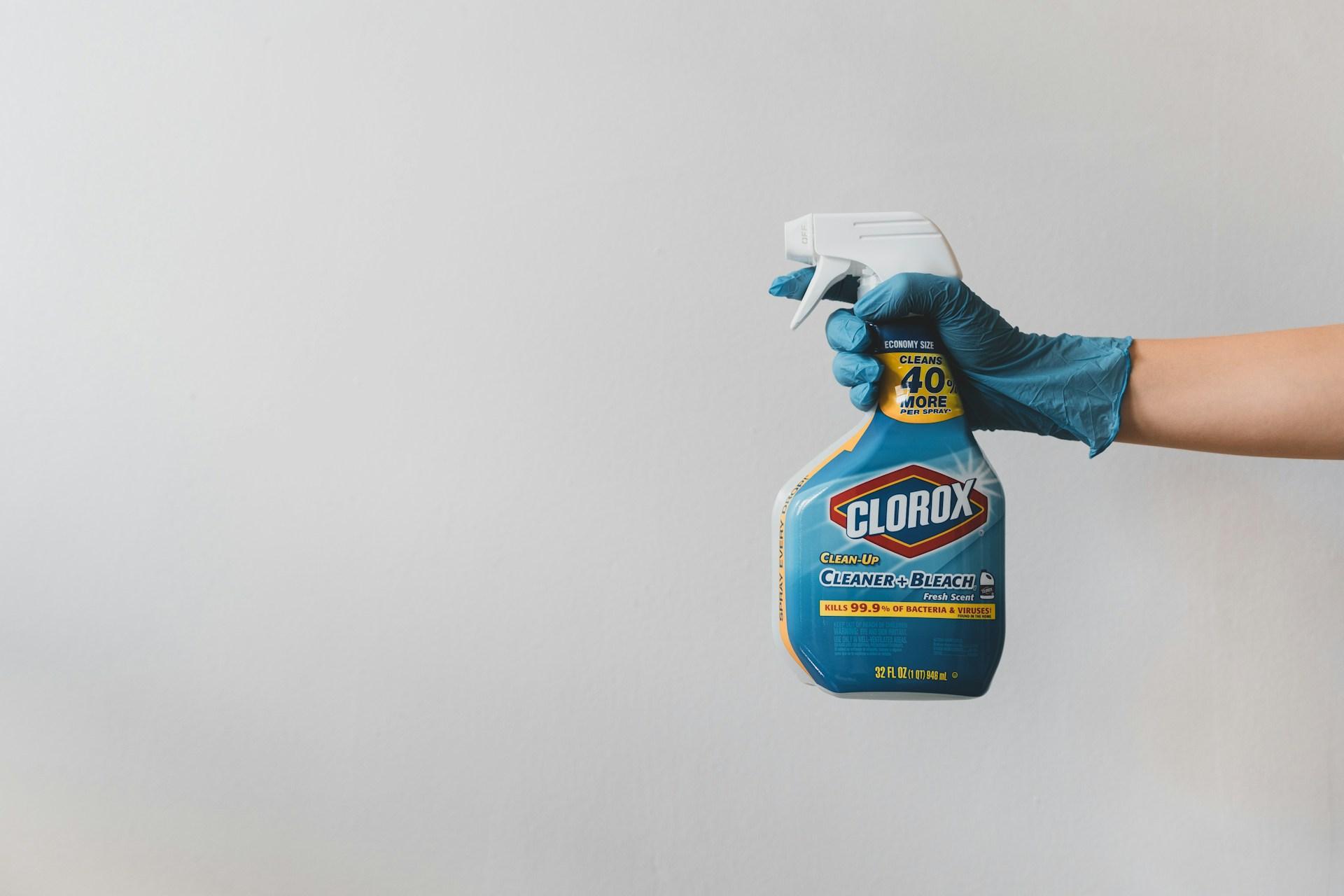
Bleach kills mold, but it only works at the surface level. It's not recommended for porous surfaces. Mold specialists generally advise against using bleach to kill mold.
Bleach (sodium hypochlorite diluted in water) kills mold by releasing chlorine, which oxidizes and destroys biological material on contact. On a hard, sealed surface with nowhere for mold to grow deep roots, this works.
But bleach cannot penetrate deep enough into porous surfaces to kill mold roots. In fact, it can do more harm than good on porous surfaces. So basically, if you apply bleach to drywall or wood, the chlorine stays mostly at the surface while the water carries moisture into the material. The mold roots beneath survive, and you've even given them more moisture. The surface will look clean. But you’re bound to see new mold growth soon enough.
That's why so many homeowners state that bleach fails at killing mold, and instead, it just discolours it. This is a common myth because bleach can still kill mold on the surface. But it doesn't guarantee complete removal on porous materials.
That said, according to the Canada Mortgage and Housing Corporation (CMHC), bleach is not recommended for removing mold growth because of the following reasons:
- Multiple factors affect the effectiveness of bleach for discoloration. These factors cannot be controlled in the case of mold.
- Bleach releases harmful fumes.
- Overuse of bleach can be harmful to the environment.
Does Bleach Kill Mold on Non-Porous Surfaces?
Bleach can kill mold on non-porous surfaces.
Non-porous means that the surface has no openings for mold to grow into. Ceramic tile, porcelain, glass, sealed fiberglass, hard plastics, and finished metals are all non-porous. Mold sits on top of these surfaces rather than inside them, so the chlorine in the bleach reaches the entire colony. Used correctly, a dilute bleach solution kills surface mold and removes the staining at the same time.
Vinyl window trims and aluminum window frames are also non-porous, so bleach can work on them. That said, many window manufacturers advise against bleach because it degrades seals, gaskets, and rubber weatherstripping over time, and can even damage the window frames. For window surfaces, a dilute vinegar solution is a safer long-term choice.
Does Bleach Kill Mold on Porous Surfaces?
Bleach does not kill mold on porous surfaces.
Porous materials have tiny channels and air pockets throughout their structure. Mold roots grow into those channels and anchor the colony below the visible surface, where bleach can't reach.
The materials in your home that are porous include wood, drywall, plaster, insulation, and OSB. These are also the materials that mold most commonly grows on.
Does Bleach Kill Mold on Wood?
Bleach does not kill mold on wood. Wood is porous, and mold roots penetrate into the wood fibres.
For wood framing, subfloors, or window frames with mold contamination, physical scrubbing with a detergent solution followed by thorough drying can help if the contamination is superficial. If the mold has worked deeper into the wood, you’ll have to replace it.
Does Bleach Kill Mold on Drywall?
Bleach does not kill mold on drywall. Drywall is one of the most common places mold grows in Canadian homes, and one of the places bleach is most often and most wrongly applied.
Drywall is very sensitive to moisture. According to scientists, “it has a pronounced behaviour in response to moisture that is distinct from other building materials.” In fact, gypsum drywall can hold almost its entire weight in water, and it’s quite prone to absorbing water but quite slow in drying out. Because of this, it is highly prone to mold growth.
Gypsum drywall has several layers: a gypsum slurry core, smooth finishing paper that is glued to the front side, and rougher paper glued to the back side. Once mold establishes itself in drywall, it works through the paper into the gypsum core. Mold can slowly penetrate these surfaces. And if you apply bleach to the surface, it will do more harm than good, especially given the material’s ability to retain moisture.
Therefore, mold-affected drywall should be cut out and replaced, not cleaned.
Does Bleach Effectively Kill Mold on Grout and Caulking?
Grout and caulking are porous, so bleach can lighten the surface staining, but the mold embedded in degraded or cracked caulking won't be eliminated by bleach treatment. Old caulking with visible mold growth or discolouration should be removed and replaced. Vinegar penetrates porous surfaces better than bleach and is a more appropriate choice for grout.
Does Bleach Kill Mold on Fabric and Carpet?
Fabrics are porous, and bleach will damage or destroy most of them before it eliminates the mold. Carpets and furniture that have been wet long enough to grow mold should be removed and discarded.
Does Bleach Kill Black Mold?
On a non-porous surface, yes, bleach will kill surface black mold cells. On a porous surface, bleach will not kill black mold.
That said, if we’re talking about the infamous black-colored mold Stachybotrys chartarum, it’s not recommended to remove it yourself. It produces mycotoxins that can cause serious symptoms, including chronic fatigue, headaches, and neurological effects.
But not every black-coloured mold is Stachybotrys. Other common species found in Canadian homes, including Cladosporium, Penicillium, and Aspergillus, can also appear black and can also cause health problems in sensitive individuals.
If you suspect black mold in a porous building material like drywall or wood, bleach is not the answer. It’s time to seek professional mold remediation services.
Is It Safe to Use Bleach on Mold?
Bleach is a corrosive and toxic chemical, and it must be handled with extreme care. It can irritate the eyes, the skin, and the respiratory tract. In a poorly ventilated space, the chlorine fumes reach harmful concentrations quickly.
Moreover, you should never mix bleach with other household cleaners, particularly ammonia or vinegar, because the reaction produces chlorine gas, which is highly toxic.
If you do want to use bleach for mold cleanup, make sure to put on non-latex (nitrile) gloves, safety goggles, and an N95 respirator. The respirator matters very much, primarily because it protects you from bleach fumes, but it also protects you from the mold spores that will be released in the process. Open a window to bring in fresh air and run an exhaust fan. If the space has no adequate ventilation, don't use bleach in it.
Keep children, elderly people, and anyone with respiratory conditions out of the area during cleaning and until the room has fully aired out.
Why Does Mold Grow Around Windows and Doors?
Windows and doors are the most common sites for mold growth in Canadian homes, and the reason comes down to physics.
When warm, humid indoor air meets the cold glass surface of your windows, the temperature drops below the dew point, and condensation forms. That condensation sits on the sill, seeps into the frame, and creates a wet surface. Add dust as a food source, and you have exactly what mold needs. This is more common in single-pane windows and old, poorly insulated windows. Energy-efficient windows rarely have mold problems, because the interior glass surface doesn’t get too cold.
Mold grows on the window sill, corners of the frame, sliding window and door tracks, caulking where the frame meets the wall, and the walls and ceiling directly beside the windows with consistent condensation issues.
Bleach is not recommended for removing mold around windows and doors, especially if they’re made of wood. The best solution is to replace the windows altogether with well-insulated double or triple-glazed windows.
How Do I Prevent Mold From Coming Back?
Once you’ve removed the mold, it’s time to prevent it from coming back. Essentially, you have to do the following:
- Keep indoor humidity below 50%.
- Ventilate your house every day.
- Remove organic materials that can serve as a food source for mold (including dust).
- Fix leaks promptly. Mold can grow surprisingly fast, just 24 to 48 hours, given the right conditions.
- Dry wet areas as quickly as possible.
- Use mold-resistant materials and paints.
- Maintain your HVAC system. If mold starts growing there, it can become dangerous and difficult to remove.
- Store your belongings carefully.
- Replace poorly insulated windows and doors.
- Keep your gutters and downspouts clear.
- Repair any household fixtures that drip water to prevent mold growth.
How to Remove Mold with Bleach
If you do want to try a bleach solution to remove mold, do so only on a small surface, only on a non-porous surface, and only in well-ventilated rooms. If mold covers more than 10 square feet, keeps returning, or involves water damage, contact a qualified professional instead.
Prep the Area and Yourself
- Open the windows and turn on the exhaust fans venting outdoors.
- Remove any towels, shower curtains, bath mats, and personal items from the affected area.
- Put on non-latex or nitrile gloves, old clothing, and safety goggles
- Lay an old towel below the work area to catch drips.
Mix the Bleach Solution
A common household ratio is approximately 1 cup of standard liquid bleach per 1 gallon of clean water. Always add bleach to water (not water to bleach) in a well-ventilated area.
Avoid using undiluted bleach. It increases fumes and material damage without improving results.
Apply, Wait, Scrub, and Rinse
- Apply the solution until the surface is thoroughly wet.
- Let it sit for 10 minutes.
- Scrub with a non-scratch brush to physically remove mold residue.
- Thoroughly rinse the treated area with clean water.
- Dry the surface completely with a towel.
Clean Up and Dispose Safely
- Seal heavily contaminated sponges or paper towels in trash bags.
- Rinse reusable brushes and buckets thoroughly.
- Wash the clothes that contacted bleach separately.
- Monitor the area over the coming weeks. Returning discoloration signals underlying moisture issues behind the surface.
Alternatives to Bleach for Mold Removal
Ultimately, Magic experts do not recommend using bleach to kill mold. Here are a few safer alternatives.
Vinegar
White distilled vinegar is considered more effective for moldy surfaces, as it can penetrate somewhat better into porous ones and can kill more mold species. Here's how you can use vinegar to kill mold:
- Pour undiluted vinegar into a spray bottle.
- Apply directly to moldy areas.
- Leave for at least 1 hour before scrubbing.
- Avoid using on marble, limestone, or some granites, as vinegar etches natural stone.
- Scrub and rinse thoroughly.
Hydrogen Peroxide
Standard 3% hydrogen peroxide is also effective at killing mold, especially when mixed with baking soda, which fights fungi and absorbs moisture that causes mold. But never mix hydrogen peroxide with vinegar or bleach. Here's how you can clean mold with hydrogen peroxide:
- Test on hidden areas first, as it can bleach some dyes and fabrics.
- Spray directly on the mold.
- Let it sit for 10-15 minutes.
- Scrub, wipe clean, and dry thoroughly.
When Should I Call a Professional for Mold?
Call a professional if:
- The affected surface is larger than 10 square feet (roughly one square metre).
- The mold is inside wall cavities or behind finishes.
- It’s in your HVAC system or ductwork.
- It follows a sewage backup or flood.
- Anyone in the household is immunocompromised or experiencing unexplained respiratory symptoms.
- The mold keeps coming back to the same spot despite cleaning.
Recurring mold in the same location almost always means either a moisture source that hasn't been found and fixed, or contamination that's deeper than surface cleaning can reach.
A qualified mold remediation professional establishes containment to prevent spores from spreading during removal, uses negative air pressure and HEPA filtration to capture airborne spores, physically removes contaminated porous materials, treats structural materials with approved fungicides, and identifies the moisture source. They also test before and after to confirm the contamination is resolved.
FAQs
Does bleach kill mold or just hide it?
Bleach does kill mold, but it only kills surface mold on non-porous materials. It doesn’t penetrate deeply enough to eliminate roots in porous surfaces like drywall or wood. In many cases, it removes the visible stain while the mold continues growing underneath.
What kills mold permanently?
Mold is best eliminated by removing the moisture source and using appropriate antifungal treatments (like vinegar, hydrogen peroxide, or commercial mold removers), combined with removing contaminated materials if needed. Without fixing moisture, mold will return regardless of the cleaner used.
Why should you not use bleach on mold?
Bleach is ineffective for mold growing on porous materials and can actually add moisture, which may worsen mold growth over time. It also releases strong fumes that can irritate the lungs and skin.
Is bleach or vinegar better for killing mold?
Vinegar is generally more effective for household use because it penetrates porous materials and kills a broader range of mold species, including white mold. Bleach is mainly useful for disinfecting hard, non-porous surfaces.
What not to spray on mold?
Avoid mixing chemicals (especially bleach with acids like vinegar or ammonia) and avoid products that only mask mold, like air fresheners or paints without remediation. These don’t address the root problem and can create health hazards.
How to make a bleach solution for mold?
To make a bleach solution for mold, mix 1 cup of household bleach with about 1 gallon (3.8 liters) of water, and apply it to non-porous surfaces only. Ensure good ventilation and never mix bleach with other cleaners. Keep in mind that bleach is generally not recommended for mold removal.
Can you mix bleach and vinegar?
You should never mix chlorine bleach and vinegar, as it produces toxic fumes. Mixing bleach and vinegar produces chlorine gas, which is highly toxic and can cause serious respiratory issues. Always use these products separately in well-ventilated spaces.
Can dead mold cause health issues?
Dead mold can trigger allergic reactions and pose other health risks, so it's important to remove mold completely, not just kill it, to avoid mold exposure complications.
How long does it take for bleach to kill mold?
The contact time for bleach to kill mold on hard, nonporous surfaces is 10 minutes.