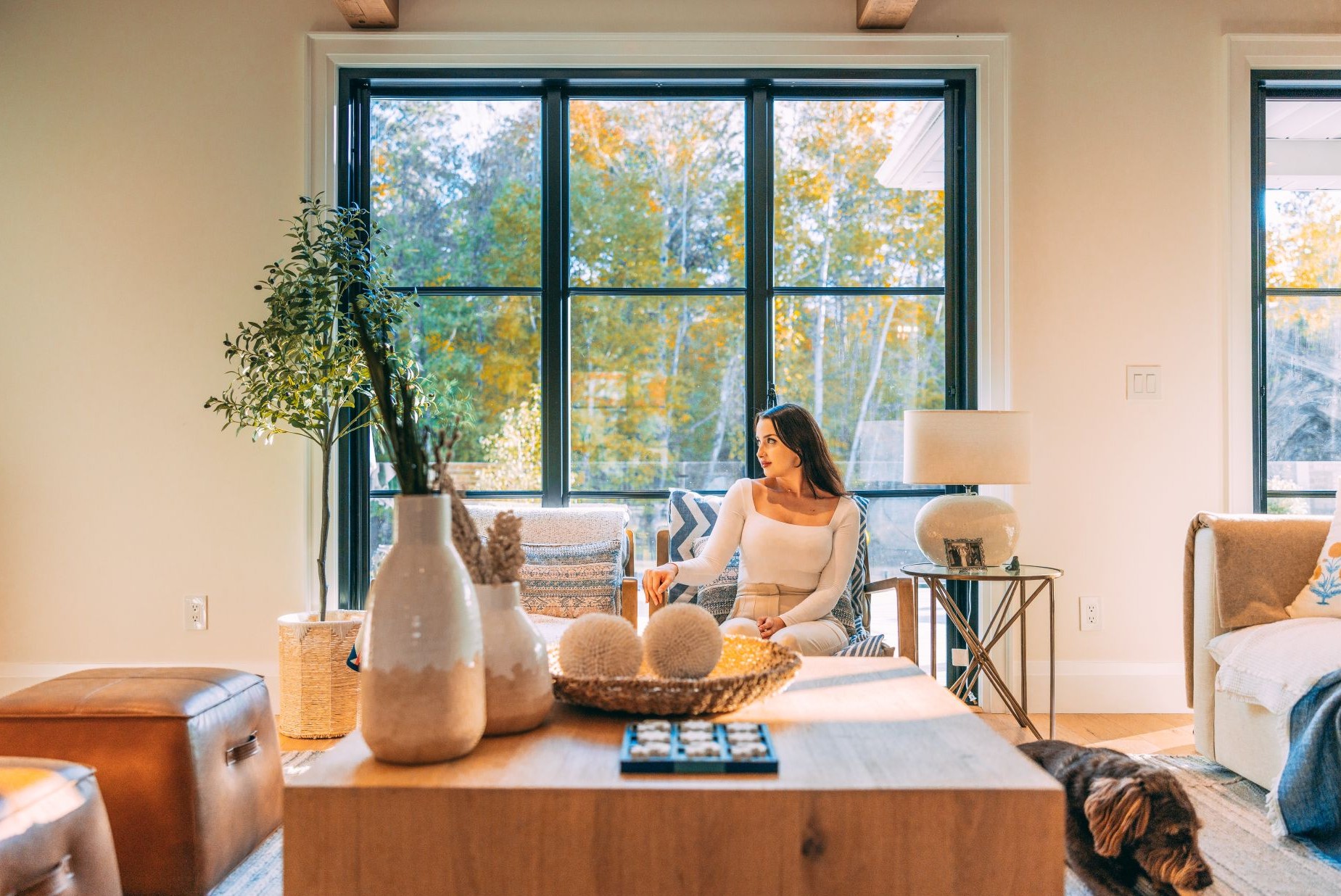
Patio Doors
French Doors vs Sliding Doors: 11 Key Differences to Help You Choose
If you're weighing French doors vs sliding doors for your next renovation, you're facing one of the most common decisions in home design, given that they are the most popular types of patio doors. Both options connect your interior space to the outdoors, but they operate differently, which affects everything from your furniture layout to your energy bills.
So, if you're trying to understand whether you want to install a French door or a sliding door, this article will help you decide.
Quick Answer: Should You Choose French Doors or Sliding Doors?
Sliding doors are usually better for compact, modern spaces where you need to save floor area and want easy everyday operation. French doors are often the best choice for traditional homes and larger openings, where a wide, dramatic entrance and classic style matter more than space savings.
What Is a Sliding Door?
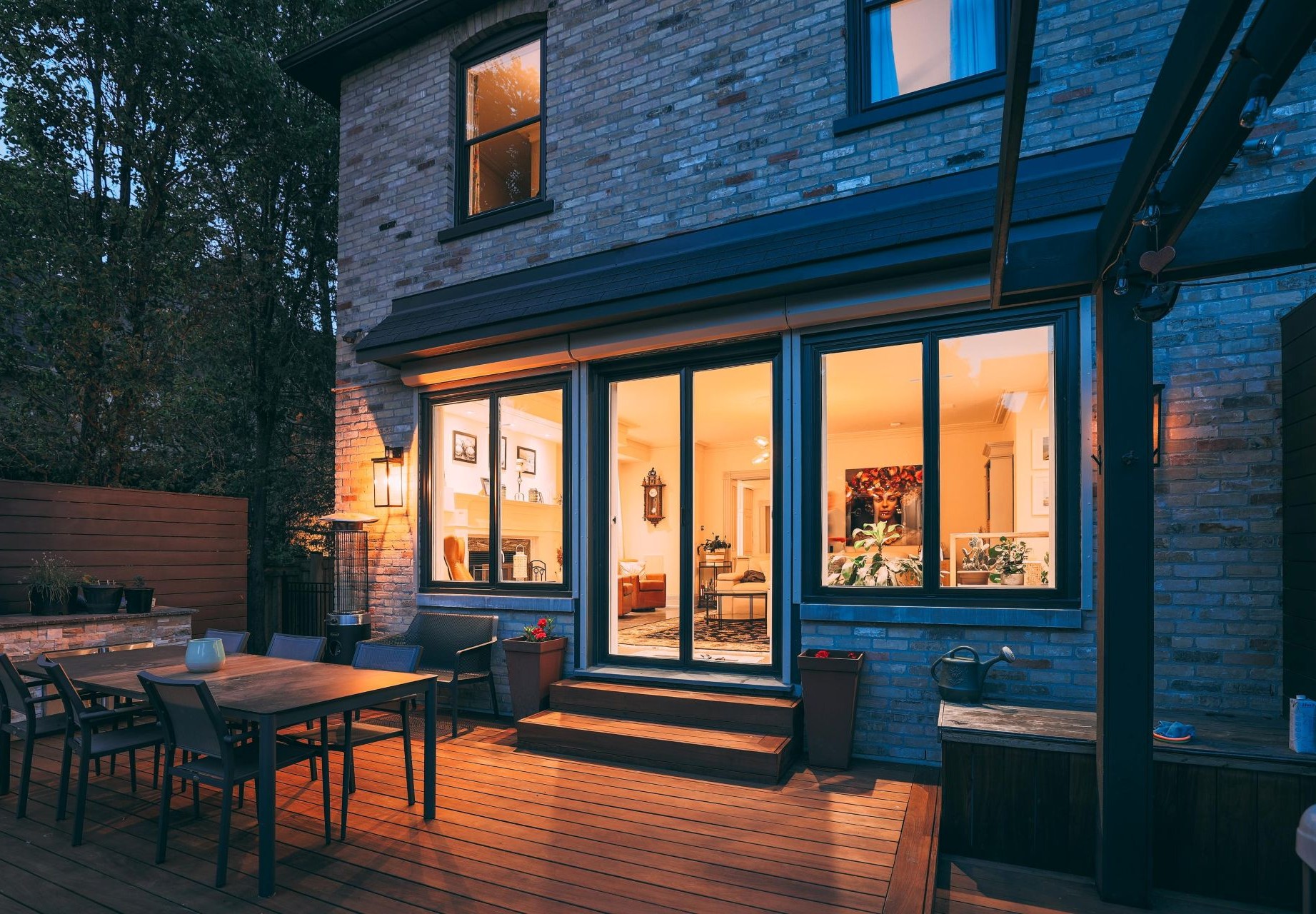
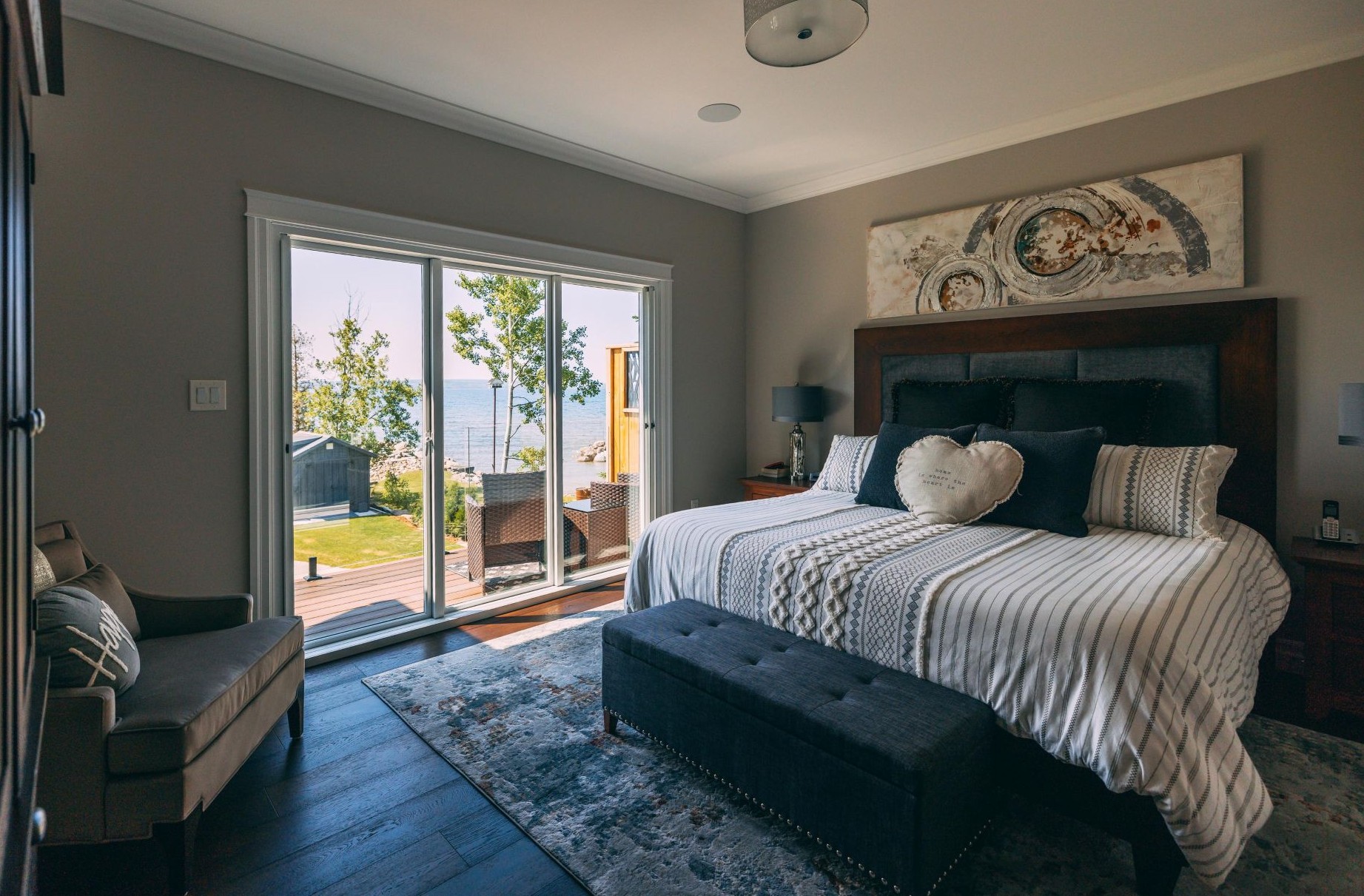
Sliding patio doors consist of large glass panels that glide horizontally on a track. Most sliding door configurations include one fixed and one moving panel, though 3- and 4-panel options are available for wider openings and more design flexibility.
The moving panel rides on top and bottom rollers along a metal or vinyl track, with locking mechanisms that engage with the frame. This means that sliding doors do not require swing space and are perfect for compact layouts.
Sliding doors work perfectly for modern designs and rooms with limited space. They have slim frames (especially if the frame is made of aluminum), which maximizes the glass area, and the overall effect is sleek and minimalist. They also create a sense of spaciousness in homes by blurring the boundary between living rooms, kitchens, or dining spaces and the patio or garden beyond.
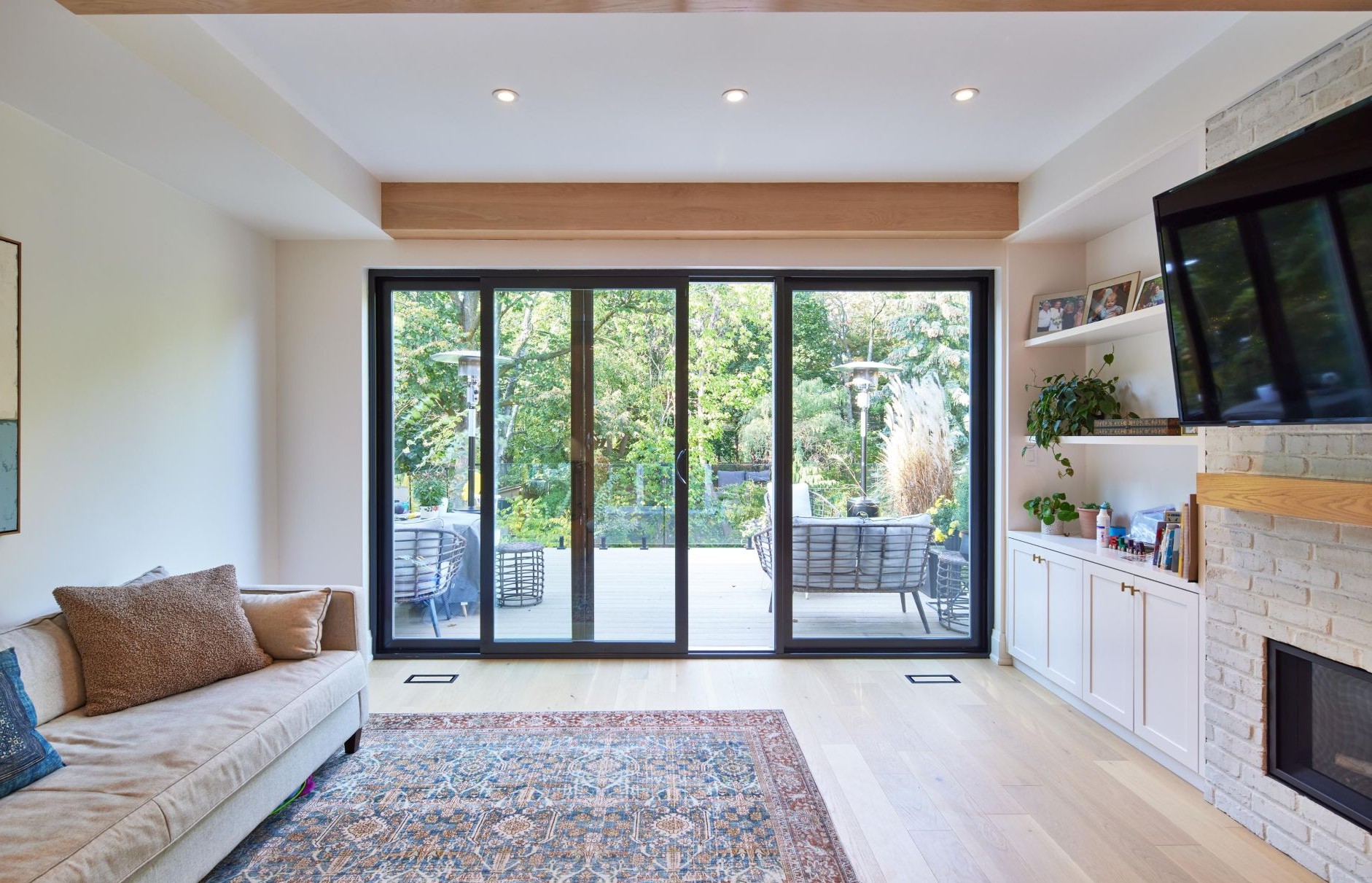
Pros and Cons of Sliding Doors
What Is a French Door?
A French door is a hinged door consisting of two hinged panels that swing open from the center, creating a symmetrical opening. They can swing inward or outward, depending on your layout and local building codes.
Compared to sliding doors, French doors typically have thicker, more decorative frames. Many homeowners choose divided lites, grille patterns, frosted glass, or decorative glass panes for French doors to enhance charm and privacy. French doors provide a classic, elegant look that suits traditional homes, farmhouse architecture, and transitional renovations seeking a timeless focal point.
French doors work well for both interior and exterior transitions. They can facilitate excellent airflow when both doors are open, making them popular for entertaining spaces. However, French doors need clearance to open fully, typically 30 to 36 inches of swing space on the opening side, which is a critical consideration for smaller rooms.
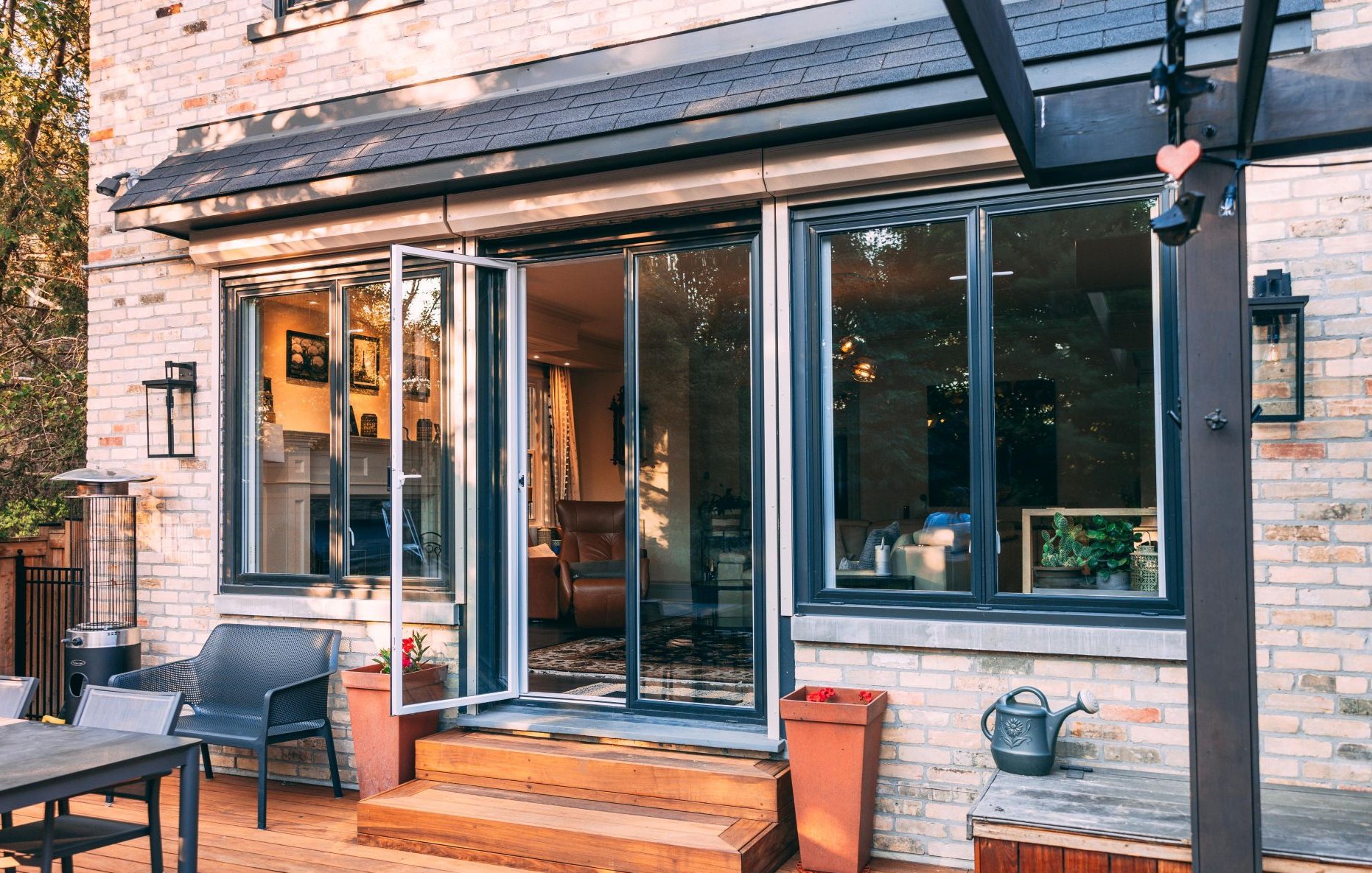
Pros and Cons of French Doors
French Doors vs Sliding Doors: 11 Key Differences
Comparing French doors vs sliding doors really comes down to operation, space, style, and performance. Here's a quick look at how sliding doors and French doors compare:
1. Space and Layout
Sliding doors save floor space because panels move within the frame rather than swinging into the room or onto the deck. If you have a narrow balcony, a small city townhouse patio, or a family room with furniture close to the door wall, sliding doors can help keep everything clear and functional.
French doors require significant clearance for swinging open. The outward-swinging panels can interfere with deck railings, planters, or walkways. On the other hand, inward-swinging doors can affect furniture placement.
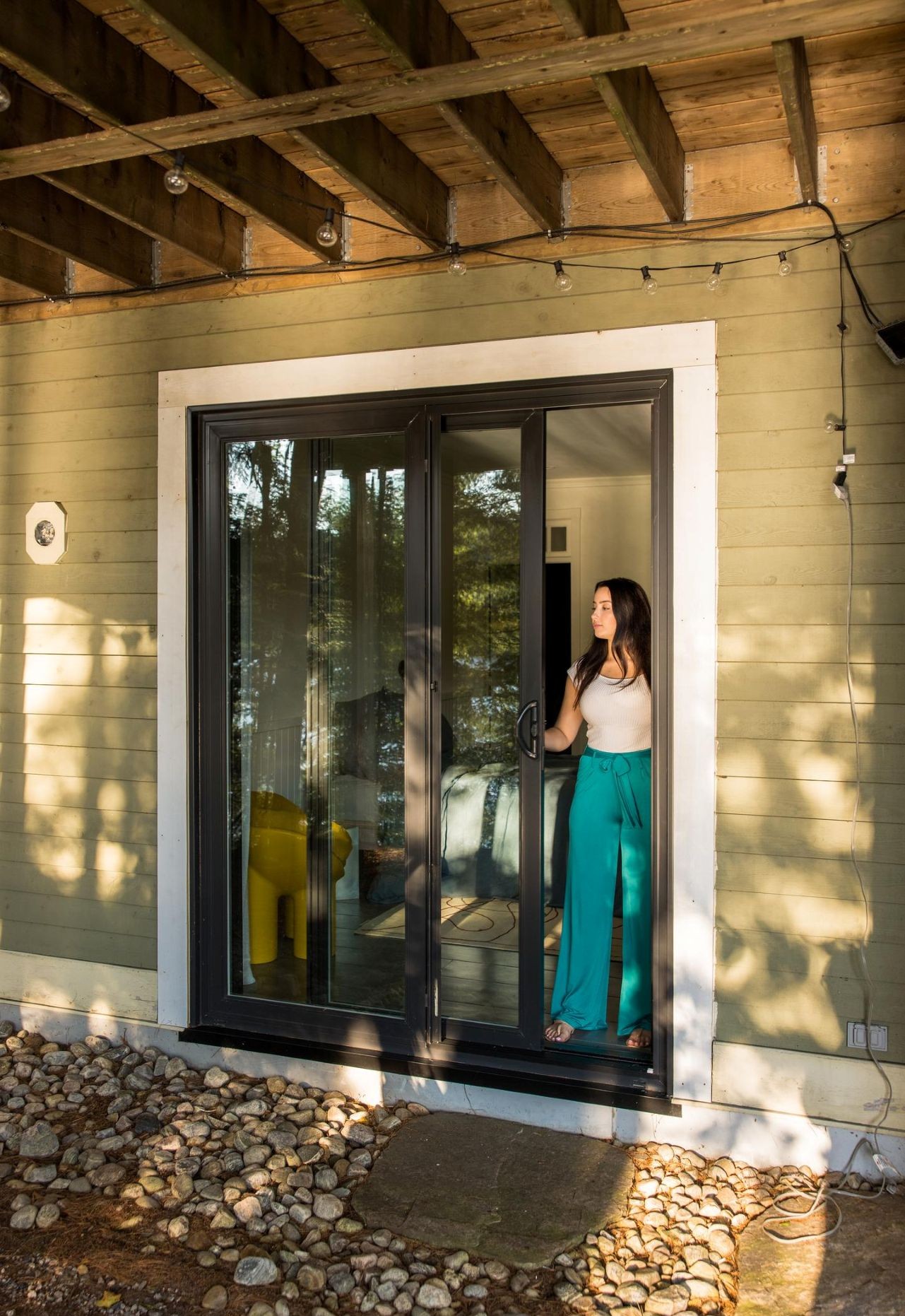
2. Ease of Use
Sliding doors are usually easier to operate because they glide along a track and don't require swing clearance. This can be especially convenient when carrying groceries, moving furniture, or managing children and pets.
French doors provide a more traditional opening experience but require enough space for the panels to swing open fully.
3. Accessibility
Accessibility favors sliding doors in many cases. Modern sliding patio doors often feature low-profile thresholds for wheelchair and stroller access, while outward-opening French doors may have a step or raised sill that creates a tripping hazard.
On the other hand, French doors have a significant advantage when both panels can be opened, creating a much wider clear opening. Contrastingly, most standard sliding doors only allow one panel to move, limiting the amount of usable opening space.
4. Aesthetic Appeal & Design Style
French doors offer a classic look rooted in colonial, Victorian, and farmhouse traditions, with a symmetrical design. Sliding doors offer a sleek, modern aesthetic with minimal frames and expansive glass panels. Nonetheless, both can be customized to complement various architectural styles if needed.
5. Energy Performance & Comfort
Both French doors and sliding glass doors have weak points through which air can leak: the hinge location and astragal location for French doors and the tracks for sliding doors.
Still, both French doors and sliding doors can have double or triple glazing for insulation, low-E coatings for UV control, argon or krypton gas fills, warm-edge spacers, and thermally broken frames.
6. Performance in Windy Conditions
Sliding doors can be left partially open without concern that the panel will move unexpectedly.
French doors may swing open or shut during strong winds if they are not secured properly, potentially putting additional strain on the hardware.
7. Security
Both sliding glass doors and French doors can be secure and durable when properly built and installed.
Sliding doors often feature multi-point locks for enhanced security, engaging at the top, bottom, and sides of the frame. You can also install anti-lift blocks to prevent panels from being pried out of the track. Sliding doors can also integrate optional sliding door security bars or kick locks for an additional layer of protection.
French doors typically have a single lock system on older models, which can be a weak spot if the hardware is low-quality. Modern French doors use multi-point locking along the full height, reinforced hinges with non-removable pins, and strong center astragals.
For either door type, consider laminated or tempered security glass and professional installation.
8. Durability & Lifespan
Both sliding doors and French doors can last 20-30 years or more when properly maintained.
Sliding doors have fewer moving parts, which generally reduces the risk of mechanical problems. The most common wear points are the rollers and tracks. Over time, rollers can wear down and make the door harder to slide, especially if dirt and debris accumulate in the track. Fortunately, replacing rollers is usually pretty easy and relatively inexpensive.
French doors rely on hinges, latches, weatherstripping, and multiple locking points. These components can gradually wear or shift, particularly in larger doors or homes that experience seasonal expansion, contraction, or settling. While these issues are usually repairable, French doors often require more adjustments throughout their lifespan to maintain smooth operation and a tight seal.
9. Common Problems
Both French doors and sliding doors require regular maintenance and can develop issues over time. Since their hardware is different, the repairs you may have to handle are also different.
For sliding doors, the biggest complaint is track buildup. Dirt, leaves, pet hair, and other debris can collect in the track over time, causing the door to drag, stick, or become difficult to open. Rollers can also wear out after years of frequent use, making the door feel heavier and less responsive. In coastal areas, salt exposure may accelerate wear on metal components if they are not properly maintained.
French doors are more likely to develop alignment issues. Because the doors hang on hinges, even small shifts in the frame can affect how the panels meet and latch. Homeowners sometimes notice that the doors become harder to close, lock, or seal properly over time. If left unaddressed, these alignment problems can also lead to drafts, water infiltration, or increased wear on the locking hardware.
10. Maintenance
Sliding doors require less maintenance than French doors due to their simpler operating mechanism and fewer exposed mechanical components. With most sliding doors, all you have to do is to:
- Clean the bottom and top tracks to remove accumulated dust, sand, or debris that can interfere with smooth operation
- Occasionally lubricate the track
- Adjust the rollers if the door is misaligned
- Replace the rollers, as they can wear out, particularly in high-traffic installations or coastal environments
French doors, by contrast, have a more complex mechanical system with multiple points of movement and sealing. Here's what maintenance they may require:
- Each door is supported by two or more hinges, which require periodic inspection and tightening to prevent sagging or misalignment.
- Because French doors meet in the middle, the locking system often includes several components, such as a primary lock and additional top and bottom bolts, which may need adjustment to maintain secure closure.
- Weatherstripping around the frame is also more extensive than in sliding systems and can degrade over time, requiring replacement to preserve insulation and prevent drafts or water ingress.
11. Cost and Resale Value
Sliding doors are generally more affordable than French doors, although this highly depends on how many panels you want to install. Standard vinyl sliding patio doors cost roughly $3,000-$12,000 installed, while vinyl French doors cost between $2,000 and $20,000.
French doors often create a more upscale feel in traditional, farmhouse, or period homes. Buyers who love classic interiors and formal dining or entertaining spaces tend to respond well to this style.
Sliding doors, on the other hand, usually appeal more to homeowners who prioritize wide, unobstructed views, indoor-outdoor flow, and a clean, contemporary look, which can be a selling point in modern properties.
For more details on patio door prices, you can read our detailed guide with updated costs for 2026.
How to Choose: Sliding Doors vs French Doors
There is no universal “best” option. Choose based on space constraints, usage intent, aesthetic direction, and performance priorities. Here’s a quick summary of when sliding doors vs French doors might be the better choice:
You can also read our guide on choosing the best sliding patio doors for Canada for more tips.
You can also book a free consultation with Magic, and one of our experts will help you find the best patio doors for your home!
FAQs
Is it better to have French doors or sliding doors?
Choose French doors or sliding doors based on your space, style, and how you use the door. Sliding doors are usually better for tighter spaces where you need to save floor area and want easy everyday operation. French doors are best for larger openings and homes with a traditional style where a wide entrance and classic look matter more.
What are the disadvantages of French doors?
French doors need clear swing space either inside or outside, which can limit furniture placement or how you use your patio or balcony. They also cost more than similar‑quality sliding doors, and their center seam and multiple seal points can be more prone to air leakage, drafts, and water intrusion if the installation or maintenance is not optimal.
Which is cheaper, French doors or sliding doors?
For comparable sizes and materials, sliding doors are usually a more cost-effective option than French doors, both in terms of the door unit and professional installation. Pricing varies by width, material (vinyl, wood, fiberglass, aluminum), glass upgrades, and hardware.
Do French doors add value to a house?
Yes, French doors can add perceived and sometimes measurable value because they provide ample natural light and create an attractive focal point. When they are energy‑efficient and well-installed, they can enhance both curb appeal and buyer interest, especially in traditional or higher‑end properties.
What is the difference between a garden door vs patio doors?
“Patio door" is a broad term that usually refers to any exterior door leading to a patio, deck, or backyard, including sliding doors and French doors. A “garden door” commonly describes a hinged, often French‑style door (sometimes with one fixed and one active panel) that swings open onto a garden or yard.