
Window Cleaning
How to Stop Condensation on Windows Overnight? 11 Methods
So you've woken up to find your windows completely fogged over… Again. You're definitely not alone with this one. Window condensation overnight is super common, especially during the winter months. And while it might seem like a tricky problem at first, there are actually some really practical ways to tackle it.
To stop condensation on windows overnight, reduce indoor humidity, improve airflow around the glass, keep indoor temperatures relatively consistent, and address poorly insulated or poorly sealed windows.
Let us walk you through exactly what's happening and how to stop condensation on windows overnight!
Why Are Your Windows Even Getting Condensation Overnight?

Condensation forms on windows overnight for one of the following reasons:
- Indoor humidity levels are too high (usually above 50-60%).
- The windows are poorly insulated, and the interior glass surface is much colder than other surfaces in your house (this is very common in single-glazed windows and double-glazed windows that have no gas fills).
- The indoor temperature changes overnight.
Condensation forms when warm air, which naturally holds more moisture, meets a cold surface (in this case, your window) and that moisture turns into water droplets. Think about it like taking a cold drink out of the fridge on a hot day; the glass gets wet immediately, right? Same principle.
Your bedroom is especially prone to this because you and anyone else sleeping there release moisture while you sleep. Two sleeping adults can add a significant amount of moisture to a bedroom overnight through breathing and perspiration. If the window surface is cold, condensation is a given.
Why Is There Exterior Condensation on Your Windows When You Wake Up?
Exterior condensation on your windows in the morning is a sign that your windows insulate well. The interior glass remains relatively warm, while the outer pane can cool below the outdoor dew point.
There's no need to do anything about it. Exterior condensation usually isn't a problem and should disappear as the temperature and humidity change. Just let the sunlight and outdoor air dry the window surface up.
How to Stop Window Condensation Overnight
Here are some practical tips on how to stop window condensation overnight.
1. Open Windows or Doors Slightly
It might sound counterintuitive when you're trying to keep warm, but ventilation is one of the best solutions to combat condensation on windows on days when outdoor air is dry. If you open windows for even 15 minutes or half an hour before going to sleep and immediately after waking up, it can make a noticeable difference.
You don't need to open windows wide, especially if it’s cold outside; just a small gap is enough for air circulation, which will let some of that moist air escape. If it's absolutely freezing outside, you could also just open your bedroom door to allow air to circulate throughout your home, which will also reduce condensation.
2. Get a Dehumidifier
This is likely the most effective solution, but you’d have to invest in a high-quality dehumidifier, especially if you want to keep it on during the night (if it’s too noisy, it might disturb your sleep). The dehumidifier will remove excess moisture from the air and help you maintain relative humidity levels below 50%. Some of them have a purifying setting, so they can improve air quality too.
3. Pull Back Your Curtains and Blinds
This is such a simple fix, but it works. By keeping your curtains and blinds open, you allow warm indoor air to circulate near the window surface. This prevents moisture accumulation between the curtains and the glass surface, which reduces condensation.
4. Keep Your Bedroom Door Open Overnight
This helps distribute your home's temperature more evenly and prevents moisture from getting trapped in a single room where it can collect on cold surfaces.
5. Maintain Consistent Overnight Temperature
Set your thermostat to maintain 68-70°F throughout the night rather than allowing dramatic temperature swings. Consistent heat can help you make sure that the surfaces remain above the dew point, which reduces the likelihood of overnight condensation.
6. Use Moisture Absorbers
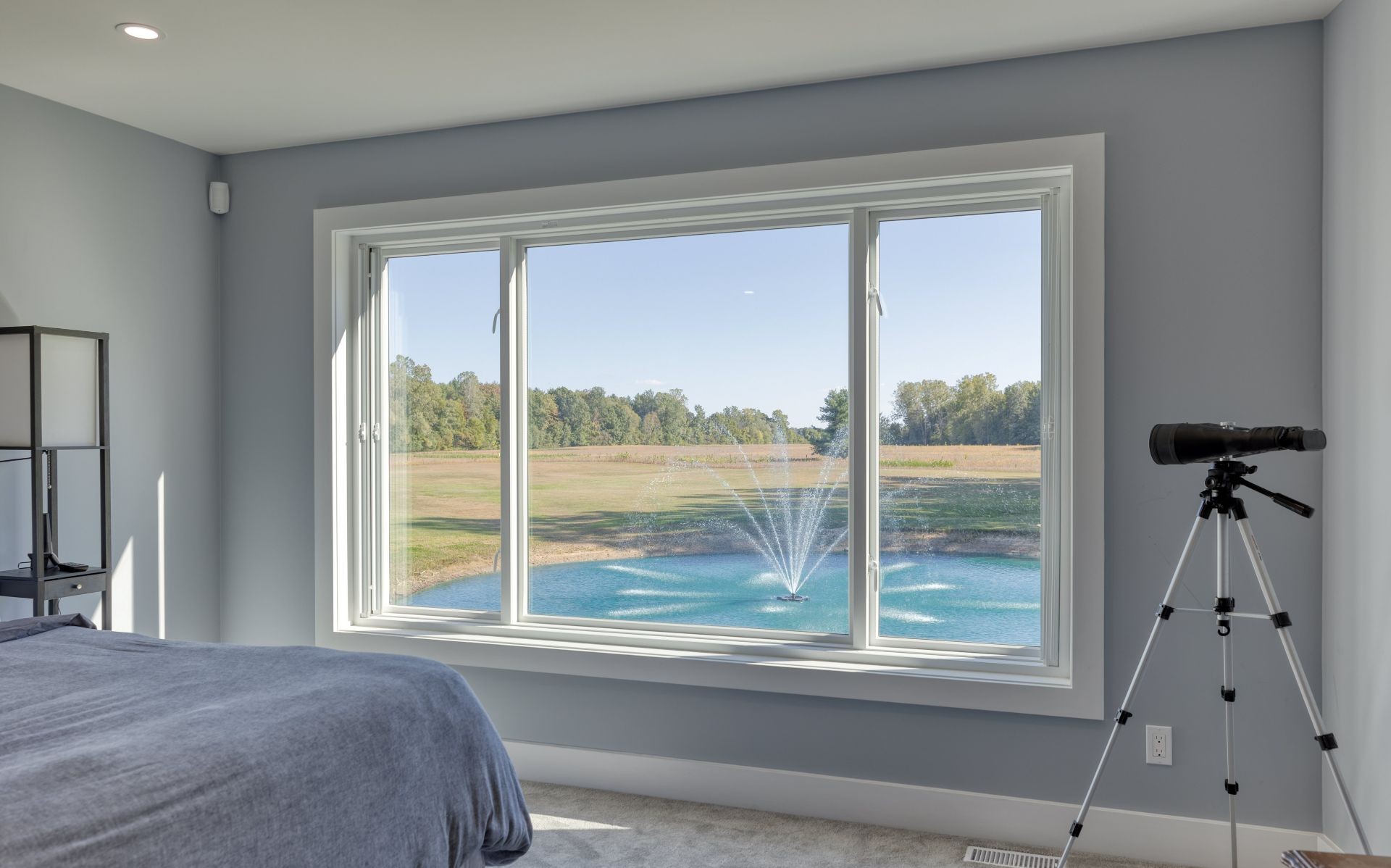
Here's what moisture absorbers you can use:
- Salt. Salt is hygroscopic, which means it naturally attracts and absorbs moisture from the air inside your home. Simply fill a shallow bowl with salt and place it on your windowsill.
- Rice. Rice is also a moisture absorber (we’ve all had that phone that was dropped in water and then put in a bag of rice, right?!), so fill a bowl with rice and place it near the window.
- Silica. Place silica gel packets on the window sills. Replace them every 2-3 weeks during active window condensation seasons.
- Activated charcoal. Place 1-2 cups of activated charcoal in perforated containers or breathable fabric bags near problem windows.
These won't solve the underlying problem, but they can help reduce the amount of water that collects overnight, especially in smaller rooms or on single-glazed windows.
7. Create Condensation Barriers
Don’t forget that even if you don’t manage to prevent window condensation overnight completely, it’s important to prevent those water droplets from pooling and affecting your windows’ structural integrity, as well as increase the risk of mold growth. In this regard, you can place clean, absorbent towels on window sills to catch any overnight window condensation droplets that do form.
Moreover, immediately after waking up, wipe your windows down with a dry cloth to make sure there's no water left that could seep into the frames, window sills, and surrounding walls.
8. Seal Your Windows With Caulking and Weatherstripping
In some cases, it might help to check if there are any gaps around the window frame that could allow cold air in, which, in turn, can cool the window surface. Therefore, inspect your window and if you find any air gaps, fill them with caulking. Also, don't forget to replace the weatherstripping if you notice signs of wear and tear.
You can also try a window insulation kit to keep cool air out during the colder months.
9. Install Storm Windows
If your windows are poorly insulated and you don't want to replace them yet, think about storm windows. They create an air pocket, kind of like how double-glazed windows work, which keeps the interior glass surface much warmer. Storm windows are quite affordable, so they can really help prevent condensation on windows overnight.
10. Upgrade Your Windows

Yes, the dehumidifier is the best solution to the problem. But, in reality, you can actually prevent the problem altogether - by replacing your windows.
If the windows are well-insulated, condensation risk is lower. Yes, some window condensation forms even on energy-efficient units, but only when it’s very cold outside or when indoor humidity levels are incredibly high.
Let’s take things step by step. If your windows are single-glazed, condensation is much more likely to appear. Why? Because one window pane does not insulate well. If outdoor temperatures are cold, the glass surface will also be cold because there’s no other component that acts as a thermal barrier.
Now, if the window is double-glazed and filled with insulating gas, the outdoor glass surface will indeed be cold, but the inner window surface will stay warm, in accordance with indoor temperatures. Why? Because there are more barriers stopping the cold outdoor air from making the interior glass surface cold as well. If it's triple-glazing, there's an extra glass pane that further improves insulation.
11. Install Whole-House Dehumidifiers Connected to HVAC Systems
These systems remove moisture from the air that is circulating through your heating and cooling systems. They can maintain consistent humidity levels without requiring daily maintenance or monitoring. Professional installation typically costs $1,500-$3,000.
Reduce Indoor Humidity Before Bedtime
One of the best ways to stop condensation on windows overnight is by changing your daily habits a bit. Here's what you can do!
Start with Your Bathroom
When you finish your evening shower, don't just turn off the exhaust fan right away. Run it for a solid 30 minutes after you're done showering. If you don't get that moisture out of there, it's going to drift into your bedroom, where your cold windows are just waiting to collect it.
Dinner Prep

Your kitchen is basically a humidity factory when you're cooking. The best way to prevent excess moisture in the air is to close your kitchen door while you're making dinner and use your range hood the whole time you're cooking.
Also, if you're boiling pasta or simmering anything, throw a lid on your pots to cut down on steam, and then keep your range hood running for another 15-20 minutes after you finish cooking.
Check Your Plants Too
We love having indoor plants around as much as the next person, but plants like Boston ferns and peace lilies are basically little moisture machines. They release water through their leaves, especially when you've got the heating on, and everything's warm and dry.
So, during winter, when condensation is already a problem, move those high-maintenance plants away from your bedroom and living areas. Place them in a well-ventilated spot instead.
Don't Air-Dry Clothes Overnight
When you hang wet laundry on a radiator or drying rack inside your home overnight, you're releasing 1-2 liters of water vapour into the air from one load of laundry. So, if you're air-drying, do it in a utility room or somewhere with proper ventilation, preferably during the day, when you can also run the dehumidifier.
Don't Forget about Sneaky Moisture Sources
Take a look around and see if you've got an aquarium without a cover or appliances that aren't properly vented to the outside, for example. You should also check if there are no water leaks.
Ready to Replace Your Windows? Contact Magic!
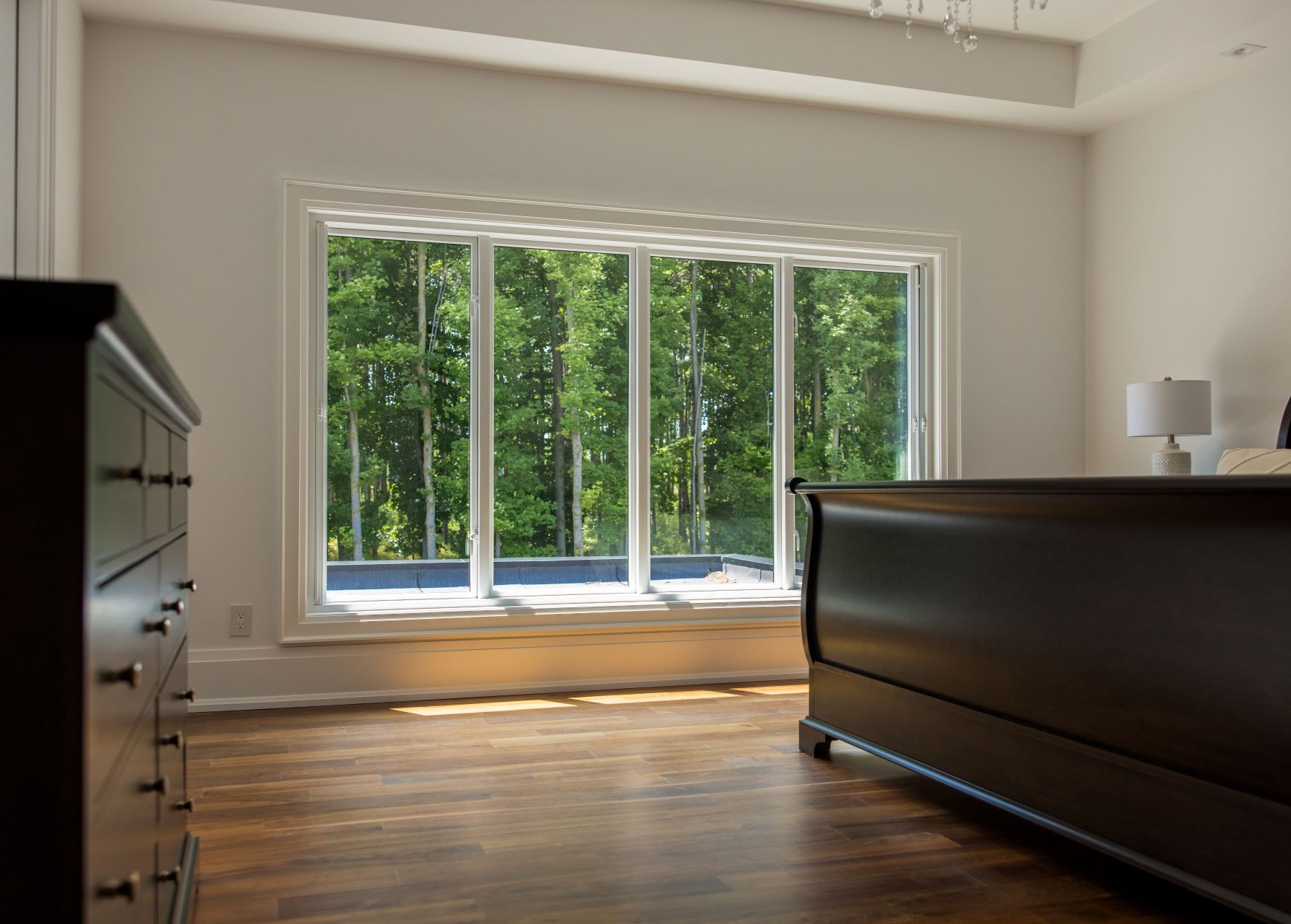
Too much condensation on your windows can, unfortunately, affect their structural integrity, cause mold problems, and even affect the surrounding walls. So, if you live in the GTA, where cold weather is a given once autumn sets in, it might be worth it to replace your windows to keep your home comfortable and healthy. If that's a priority for you right now, you can book a free consultation with Magic, and one of our window experts will take it from there!
Magic is one of the most prominent window and door manufacturers in Ontario, and here's why:
- Magic manufactures all window and door units right here in Ontario, which ensures high-quality control and full customization.
- Magic units are built specifically for the Canadian climate. There's no air movement, no gaps, no heat transfer. All our units are ENERGY STAR-certified, and some even qualify for the ENERGY STAR Most Efficient rating.
- Our windows are built with Magic's Hybrid Fusion Frame, which consists of a steel+aluminum skeleton wrapped in vinyl designed to improve thermal performance and reduce the likelihood of condensation.
- Magic windows feature our patented Parallex Hardware, which significantly improves functionality, which, in turn, improves ventilation.
Curious to learn more? Give Magic a call!
Frequently Asked Questions
How do I stop waking up to condensation on windows?
To stop waking up to condensation on windows, reduce indoor humidity by ventilating the room, especially before bed, and avoid drying clothes indoors. You can also keep the room slightly warmer. If the windows are poorly insulated, it's best to replace them.
Can I put anything on my windows to stop condensation?
You can spray a water and vinegar solution or a water and dish soap solution on your windows or use a window insulation kit to seal them, but this is only a temporary fix. If your windows are poorly insulated, it's best to replace them.
Does a bowl of salt stop condensation?
Yes, a bowl of salt can help stop condensation, but it will only absorb a small amount of moisture from the air.
How to stop condensation in the bedroom overnight in winter?
To stop condensation in the bedroom overnight in winter, open your windows for half an hour before going to bed, maintain consistent temperatures, run a dehumidifier while you're sleeping, and remove any indoor plants from your bedroom.
Should you wipe condensation off windows?
Yes, you should wipe condensation off windows to prevent mould growth and damage to window frames.
What can I spray on my windows to stop condensation?
You can use commercially available anti-condensation sprays designed for glass or use a homemade water and vinegar solution or a water and soap solution.
What humidity level causes condensation on windows?
Indoor humidity above about 50%-60% increases the likelihood of window condensation during cold weather, although the exact threshold depends on the outdoor temperature and the temperature of the window surface. Keeping indoor relative humidity around 30–50% during winter can help reduce condensation.