
Energy Efficient Windows
Ideal Humidity for House in Winter: Canada Guide
For most Canadian homes, aim for about 30% to 35% relative humidity (RH) in winter, lowering it as outdoor temperatures drop or if condensation develops on windows.
Keeping indoor humidity within the right range is extremely important during Canadian winters to prevent moisture problems and protect materials like wood furnishings and flooring or musical instruments. Maintaining optimal humidity levels also contributes to indoor comfort during the heating season.
Therefore, if you want to learn more about the ideal humidity for house in winter Canada-based homeowners should aim for, keep reading!
What Is the Best Humidity Level for a Home in Winter in Canada?
For most Canadian homes, a good winter starting point for humidity levels is 30% to 35% RH. It must be adjusted based on outdoor and indoor temperatures, personal needs, window performance, house insulation, air leakage, and ventilation.
Outdoor temperature is one of the most important factors that dictate how humid indoor air should be (we'll explain below why). Here are some general guidelines in this regard:
Keep in mind that these ranges are general starting points, not universal recommended limits. Start around 30%-35%, then adjust according to outdoor temperature and condensation.
How Does Winter Affect Indoor Humidity in Canada?

As outdoor temperatures drop, the amount of indoor humidity your home can safely maintain also decreases because colder outdoor temperatures make your windows and other exterior surfaces colder.
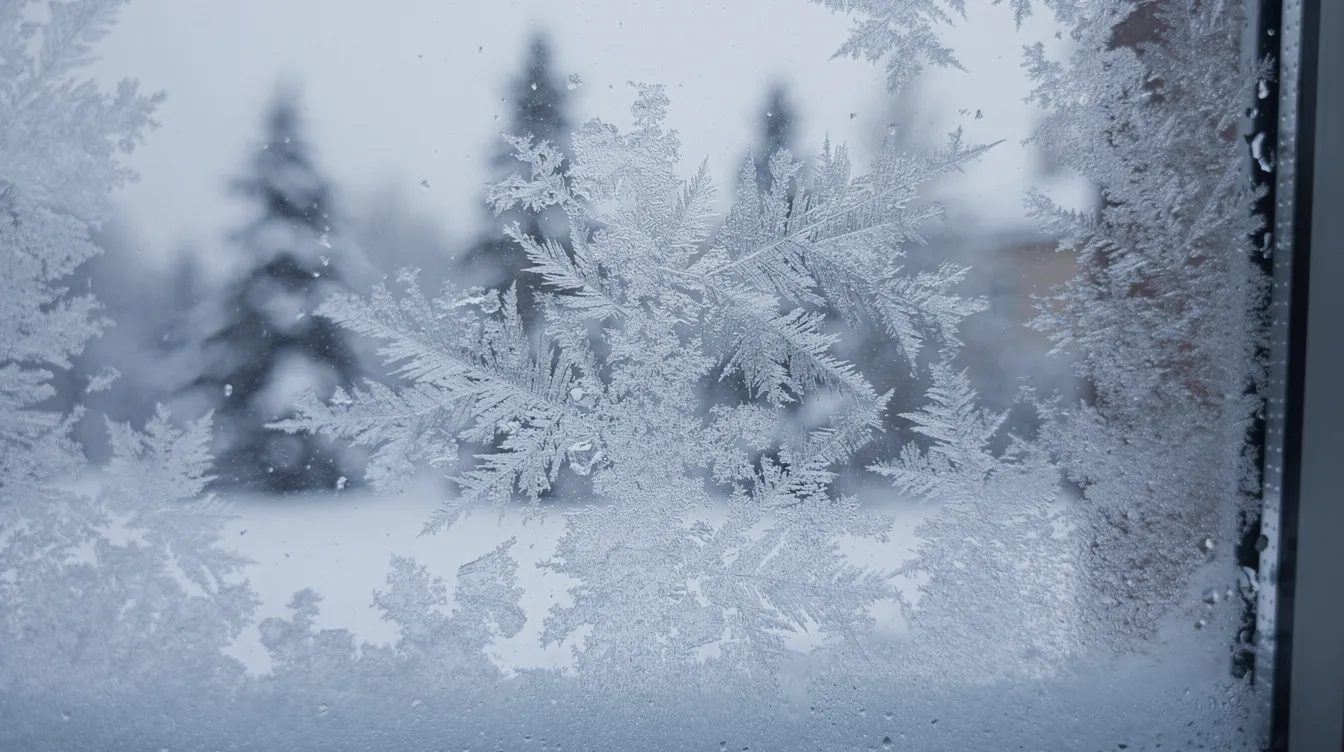
When warm, humid indoor air comes into contact with a cold window or a cold wall surface and reaches its dew point, condensation forms. During very cold weather, frost can also appear.
This means that proper humidity levels that cause no problems when it's moderately cold outside can lead to condensation when outdoor temperatures drop further.
For example, it might be fine to maintain 40% relative humidity during milder winter months, but if temperatures drop to -20°C, 40% relative humidity may cause condensation.
This is why indoor humidity needs to be lowered as outdoor temperatures fall. You're not lowering it because the air itself feels too humid, but because outdoor cold air makes surfaces colder, and you want to prevent condensation on those surfaces.
How to Tell If Your House Has Too Much Humidity in Winter
One of the easiest ways to understand whether humidity in your home is too high is to look at your windows.
Window Condensation
Water droplets, persistent fogging, or frost forming on the inside of windows can indicate that indoor humidity is too high.
This doesn't automatically mean your windows are defective. Condensation on windows is influenced by several factors, including indoor humidity, outdoor temperature, and the temperature of the interior window surface.
Damp Areas and Musty Smells
Other warning signs of excessive humidity include:
- Damp window sills
- Moisture around window frames
- Musty odours
- Peeling paint
- Recurring mold growth
- Damp areas in basements or other poorly ventilated spaces
Excess moisture isn't always the only cause of these problems. They can also be caused by plumbing leaks, water intrusion, or inadequate ventilation. Nonetheless, all of these signs indicate that there is a moisture problem in the house that needs to be fixed as soon as possible to reduce health risks and house structural damage.
Use a Hygrometer
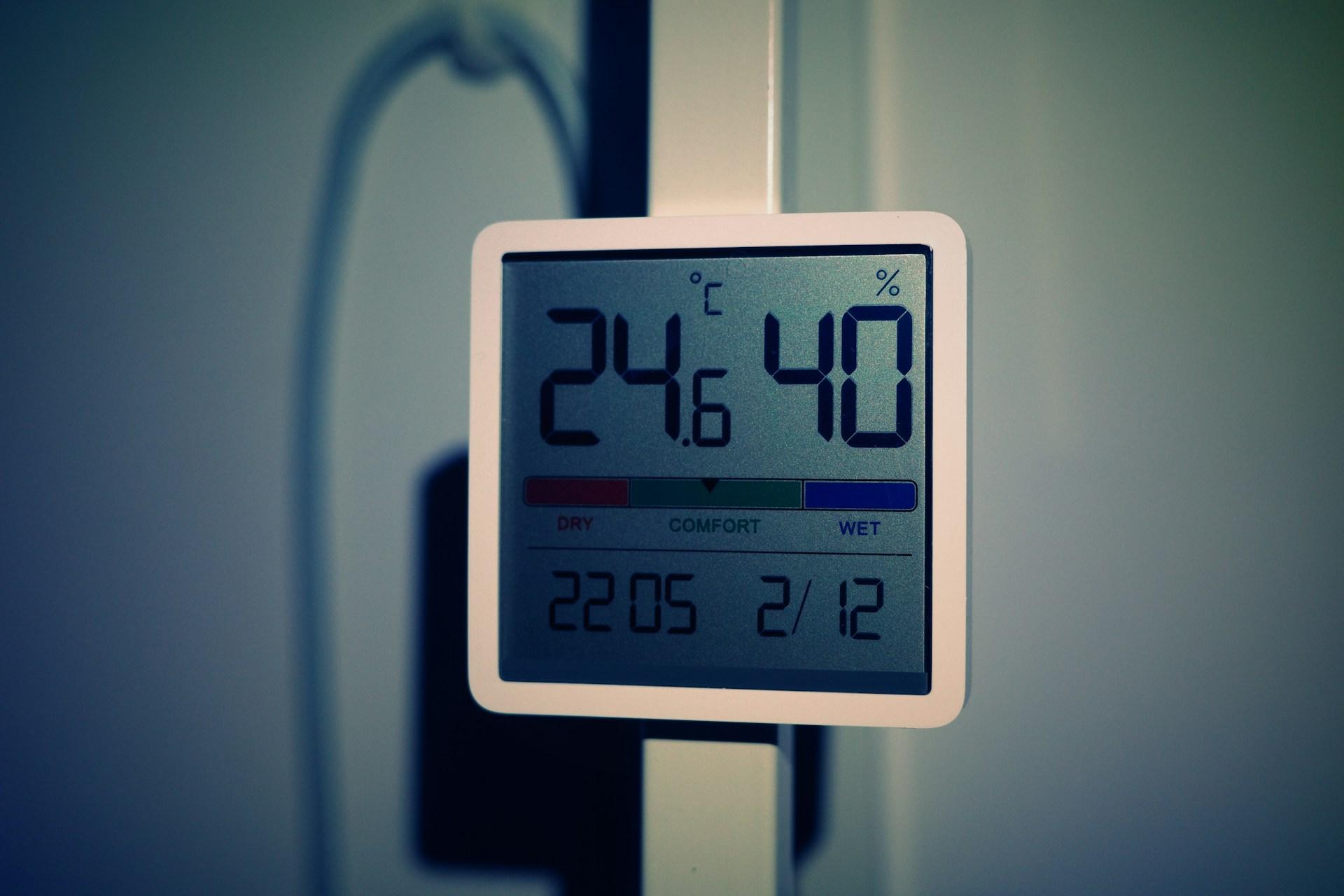
If you're unsure about your home's humidity, use a hygrometer to measure it regularly and understand what levels are best for specific outdoor temperatures.
For accurate readings, place hygrometers centrally, away from heat sources, about 1-1.5 m above the floor in a main living room, not near heating vents, kitchen steam, or direct sunlight. In multi-storey homes, measure on each floor. Pay special attention to basements, rooms over unheated garages, and north-facing bedrooms where conditions differ.
A hygrometer won't tell you whether you should lower indoor humidity levels as outdoor temperatures drop. However, it will tell you what RH is indoors when you notice window condensation, so you can adjust it as needed until the condensation doesn't form anymore.
How to Tell If Your House Is Too Dry in Winter
If your hygrometer consistently shows RH below 30% even though outdoor temperatures aren't very low, you may notice that the indoor air feels uncomfortable or unusually dry. With low humidity, you may start experiencing irritated eyes, dry skin, itchy skin, increased static electricity, or respiratory issues.
If outdoor temperatures drop below -20°C and you must lower RH to around 25% to prevent condensation, the air can feel dry for you, especially if you have certain health conditions. In this case, consult a healthcare professional for advice on maintaining a comfortable indoor environment.
How to Raise or Lower Winter Humidity in Canada
Once you know your indoor RH, your next step depends on whether the air is too dry or too humid.
If Humidity Is Too Low
- Use whole-home humidifiers (bypass, flow-through, or steam units) that connect to your furnace or central HVAC system.
- Use portable humidifiers, which work well for individual rooms like bedrooms and nurseries.
- Adjust your daily habits to increase humidity: dry laundry on indoor racks, leave the bathroom door open after a shower, and add a few houseplants (with caution).
- Avoid over-ventilating in deep winter; running exhaust fans excessively pulls moist air out.
- Check windows regularly when outdoor temperatures fall sharply.
If Humidity Is Too High
- Run bathroom and kitchen exhaust fans during and after cooking or showering, ensuring they vent outdoors, not into attics or crawlspaces.
- On milder days, briefly crack a window in problem rooms to release moist air.
- Dry wet areas promptly and avoid drying clothes inside.
- Use dehumidifiers in damp conditions, especially in humid basements.
- Turn down or shut off humidifiers during severe cold snaps.
Do Your Windows Affect Indoor Humidity?
Yes, your windows can influence how much indoor humidity your home can tolerate before condensation develops.
Two homes with the same home temperature and RH can experience different amounts of condensation if their windows have different surface temperatures.
Older or less energy-efficient windows may have colder interior glass, particularly around the edges. Modern, high-performance windows can keep the interior surface warmer, reducing the likelihood of condensation.
Therefore, installing high-performance windows is recommended for reducing condensation risk, especially during cold Canadian winters.
That said, if indoor RH is excessively high, even high-quality windows can develop condensation during very cold weather.
If you want to assess your windows' condition and understand whether replacement might be needed, book a free consultation with Magic and let one of our experts do the work.
Ideal Humidity for Different Rooms in a Canadian Home
The target humidity is generally considered at the home level, rather than assigning a completely different ideal RH to every room.
However, some rooms naturally experience more moisture than others.
Bedroom
People release moisture as they breathe, so bedroom humidity can rise overnight, particularly with the door closed and limited ventilation. Monitoring RH can help identify whether the room becomes significantly more humid than the rest of the home.
Bathroom
Showers can cause temporary spikes in humidity. Rather than trying to maintain a separate humidity target in the bathroom, use an exhaust fan to remove moisture from the space.
Kitchen
Cooking can also add substantial moisture to indoor air. Using the range hood, particularly when boiling or steaming food, can help reduce the amount of moisture released into the rest of the house. Health Canada recommends using the range hood when cooking to help reduce indoor humidity and improve indoor air quality.
Basement
Basements can have their own moisture problems, especially where there are foundation leaks, poor drainage, or limited ventilation. A basement that feels damp should be assessed for the source of the moisture rather than simply relying on a whole-home humidity reading.
FAQs
Is 40% humidity too high in winter in Canada?
40% humidity is not necessarily high in winter in Canada, but it can be too high during very cold weather, depending on your home's windows and building envelope. A practical winter target is often around 30% to 40%, while Health Canada's specific winter recommendation is 30% to 35%. If condensation or frost starts forming on your windows, your home's humidity may need to be reduced.
Is 50% humidity too high for winter?
50% relative humidity is generally higher than recommended for a Canadian home in winter. Health Canada recommends keeping indoor RH at 30% to 35% during winter to prevent excess humidity. At 50%, condensation becomes more likely, especially when outdoor temperatures are very low.
Is 77% humidity in a house bad?
Yes, 77% relative humidity is very high for an indoor space. Health Canada identifies RH above 55% as a potential problem because prolonged high humidity can keep building materials damp and promote mould, bacteria, and dust mites. At 77%, the risk of condensation and moisture problems is particularly high, especially in winter when surfaces such as windows and exterior walls are cold.
Is 30% humidity too low in winter?
30% RH is at the low end of the recommended winter range, but it is not necessarily too low. The ideal indoor humidity in winter is between 30% and 35%, but you may have to lower or increase it depending on outdoor temperatures. The right humidity in the house depends largely on outdoor temperatures - the lower they are, the lower indoor humidity levels should be.
What humidity should I keep my house at in winter?
For most Canadian homes, aim for approximately 30% to 35% RH, adjusting toward the lower end during colder weather or if condensation develops. However, lower humidity inside the house may feel uncomfortable for some people even if it can help prevent condensation. Therefore, try to balance things out to maintain a healthy living environment.
Why are my windows wet inside during winter?
Interior window condensation usually occurs when moist indoor air reaches a surface that is cold enough for water vapour to condense. High indoor RH, very low outdoor temperatures, colder windows, and limited air circulation can all contribute. Health Canada recommends controlling indoor humidity, using exhaust fans, and allowing warm air to reach windows.
Should I use a humidifier in winter?
A humidifier can help maintain ideal humidity levels if your indoor RH is consistently too low, but measure the humidity before using one. Adding too much moisture can increase the risk of window condensation during cold Canadian weather.
Does opening windows reduce humidity in winter?
Opening windows can help reduce humidity in winter, because cold outdoor air contains relatively little moisture and becomes much drier in relative-humidity terms when heated indoors. However, opening windows also releases heated indoor air and can increase energy use.
How does high home humidity affect indoor air quality?
High home humidity can reduce indoor air quality by creating conditions that encourage mold, mildew, dust mites, and other biological contaminants to grow. It can also make the air feel stuffy and uncomfortable. Keeping indoor humidity at an appropriate level helps limit these issues and maintain a healthier, more comfortable indoor environment.