Window Styles & Comparisons
What Is a Sliding Window? Pros, Cons, Costs, and Where to Install
Sliding windows are among the most practical and popular window styles in residential construction. If you're planning a window replacement project, this guide can help you understand whether sliding windows are a good option for your home.
We'll discuss how sliding windows work, the types available, how they compare to casement windows and other styles, and what to look for when choosing sliding windows for your home.
As such, what is a sliding window?
Quick Facts: What Is a Sliding Window?
A sliding window has one or more sashes that slide side-to-side along a track. These windows are also called slider windows or gliding windows. This style is favoured for simplicity, wide unobstructed views, and easy operation. It's a popular choice for living rooms, bedrooms, and other wide horizontal openings because the window serves that layout especially well.
- Hardware type: track system, rollers
- Opening direction: opens sideways
- Operation type: manual sliding mechanism
- Best rooms: living rooms, bedrooms, hallways, above kitchen counters for spatial continuity
- Ventilation: good, especially with wider window openings that bring in fresh air
- Energy efficiency: good with high-performance glazing and proper installation
- Egress suitability: can meet egress requirements when properly sized, but only the clear opening of the operable portion counts toward the required egress dimensions
How Do Sliding Windows Work?
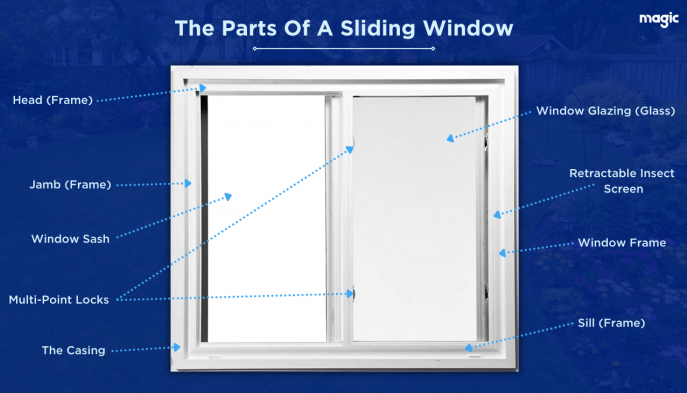
Sliding windows operate on a simple track-and-roller system. One sash (or sometimes both) slides along a horizontal track along the top and bottom of the frame, and you simply push it to one side to open it.
Unlike casement windows, sliding windows do not swing outward on hinges. Because they save space, they're useful in areas where exterior clearance is limited, such as walkways.
Sliding Window Parts
- The frame: the structure that holds the window unit
- The glazing: the piece of glass held by the sash within the window frame; single-glazed window have one pane of glass, double-glazed windows have two panes, and triple-glazed windows have three panes; most residential windows are either double-glazed or triple-glazed
- The sash: the movable panel that holds the glass; on a sliding window, this is the part that glides horizontally along the track
- Rollers: small wheels attached to the bottom of the sash that support smooth movement and let it glide along the track
- The tracks: the horizontal channels, top and bottom, that guide the sash as it slides open and closed
- Locking handles/latches: the hardware that secures the moving sash to the fixed sash or frame when the window is closed; modern sliding windows feature multi-point locking systems
- The casing: the decorative mould that goes around the window frame inside the home
- The sill: the horizontal section that forms the bottom of the window frame, and home to the bottom track on a slider
- The jamb: a vertical section that connects to the interior of the window frame
- The head: the horizontal section that forms the top of the window frame
- Weatherstripping: the flexible material lining the track and frame that seals gaps and cuts drafts when the sash is closed; some windows use standard weather stripping, while others use advanced multi-track systems.
What Is a Weep Hole in a Sliding Window?
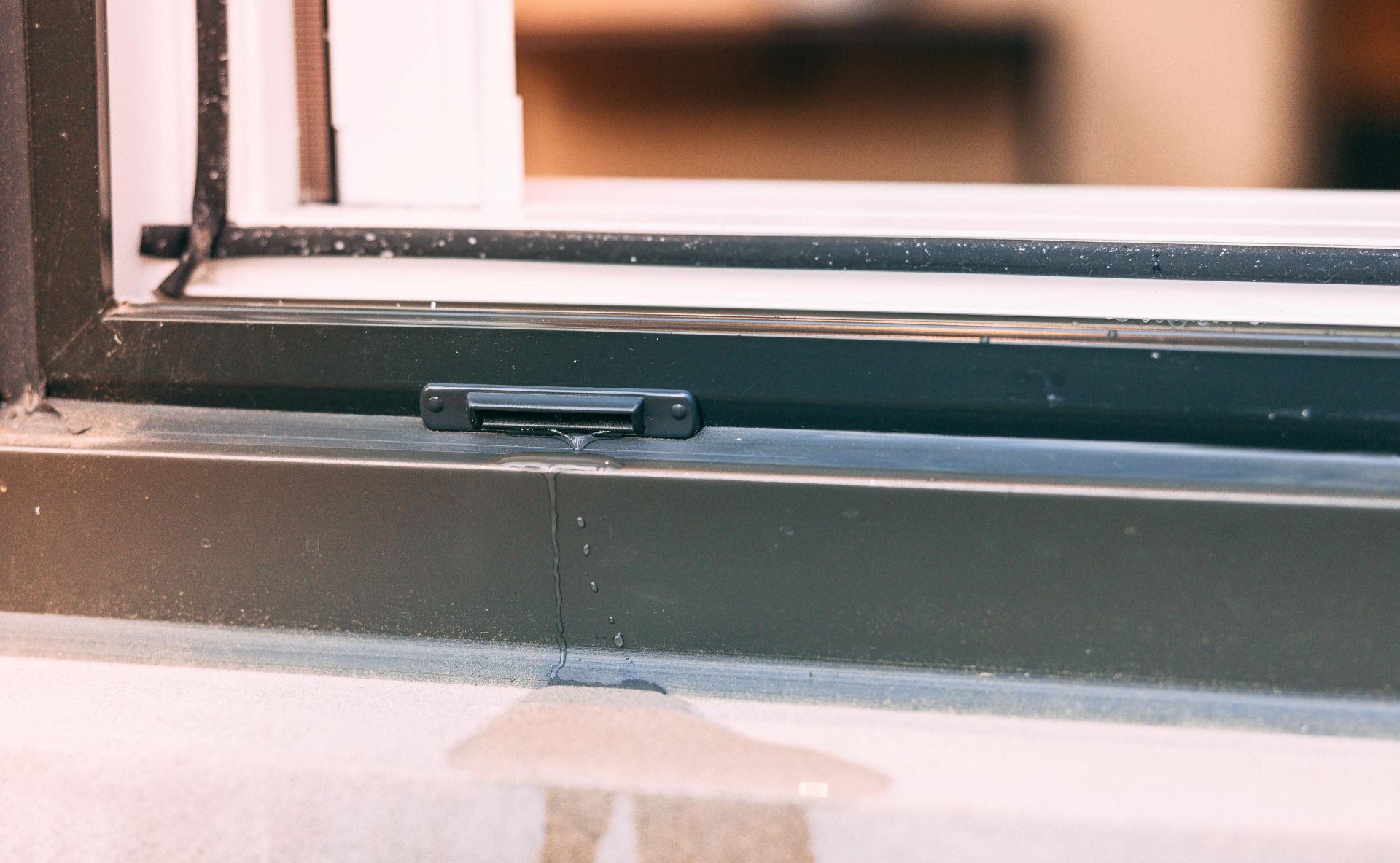
A weep hole is a small drainage opening built into the bottom track of a sliding window. It allows any water that collects in the track, from rain or condensation, to drain back outside instead of pooling and causing damage.
Types of Sliding Windows
There are 7 main types of sliding window configurations:
Best Uses for a Sliding Window: Ideas and Locations
Sliding windows can be installed virtually anywhere, but they are usually recommended for:
- Wide, horizontal openings. Because the sash glides sideways instead of swinging out, sliding windows are a perfect solution for openings that are wider than they are tall.
- Spaces with limited exterior clearance, since nothing projects outward
- Different rooms that need unobstructed views, given the large glass area and the slim frame profile that provide pleasant sight lines
- Budget-conscious replacement projects. Sliding windows are typically one of the more affordable operable styles.
- Modern and contemporary homes. Their clean horizontal lines pair naturally with various architectural styles, particularly modern and contemporary homes, and they can also suit homeowners who want a casement look without an outward-opening sash.
- Bedrooms and hallways. Larger sliding windows can meet egress requirements in many jurisdictions, so they can be a good option for bedrooms (but always confirm the exact opening size against your local code).
- Kitchen sink or soaking tub slider. A wide sliding window above the sink or above the soaking tub brings in more natural light and offers an unobstructed view of the backyard.
- Living room picture-style pairing. Flank a large fixed picture window with two sliding windows on either side.
What Are the Benefits of Sliding Windows?
Sliding windows have many advantages, and most of them are linked to their simple, no-hinge design, making them a good solution for homeowners who want simple operation and practical everyday use:
- Easy operation: there's no crank to turn and no heavy sash to lift; sliding windows open by sliding horizontally along a track, so you just slide them open with one hand
- Wide, unobstructed views: the large glass area and slim frame make sliders a top pick for rooms where the view is a priority
- Don't require extra space outdoors: since the sash doesn't swing outward or inward, sliding windows don't interfere with furniture, curtains, or outdoor walkways and can work well in tight spaces
- Budget-friendly: sliding windows are generally more affordable than casement or awning styles
- Low maintenance: with no hinges or cranks to lubricate, sliders hold up well over time and need little more than occasional track cleaning or roller adjustment
- Good natural light: their larger glass panes let in plenty of natural light
- Egress potential: wider sliding windows can often meet bedroom egress codes, though you'll want to confirm the exact clear opening with your installer
What Are the Disadvantages of Sliding Windows?
Sliding windows do have a few trade-offs that you should know before buying, including:
- Seal wear over time: because the sash slides along the track, sliders can be more prone to air leaks as the weatherstripping ages; sliding windows are not the most energy-efficient windows for cold climates; casement and awning windows provide better resistance against air leaks
- No ventilation in rain: unlike an awning window, a sliding window has to be closed during rain, since there's no canopy effect to deflect water
- Track maintenance: the bottom track can collect dirt, dust, and debris over time, which may affect how smoothly the sash glides if it isn't cleaned periodically
- Only half of the window opens: on a standard two-sash slider, only one side moves, so you only ever get half of the total window area for ventilation
- Less suitable for narrow openings: sliding windows often require twice the wall space of the opening size, so they are best for wide openings
How Secure Are Sliding Windows?
Sliding windows are reasonably secure, especially when paired with modern locking hardware. Because they don't hinge outward, they're resistant to certain types of forced entry. However, the sliding mechanism itself does need to be well-built to resist forced entry.
Sliding windows offer several security advantages:
- Many homeowners can add a secondary lock or a track-blocking pin, which prevents the sash from being forced open.
- Higher-quality sliders use reinforced aluminum or steel tracks that are harder to pry apart compared to basic vinyl tracks. Aluminum frames are also often chosen for better security.
- Laminated glass holds together even when the window is broken. Burglar-proof glass is important for sliding window security.
- Sliding windows can be enhanced with burglar-proof locks.
How Much Do Sliding Windows Cost?
In Canada, sliding windows cost between $400 and $1,600 or more. The final cost of sliding windows depends heavily on the window size, frame material, glass package, and installation method. Traditional windows with vinyl frames are the most affordable on the market. Fiberglass, wood, or composite frames are more expensive, but can also have a longer lifespan.
Are Sliding Windows Energy-Efficient?
Sliding windows can be energy-efficient, but their performance depends on the glazing, frame design, weatherstripping, air-leakage characteristics, and installation quality. Because the sash easily glides along a track instead of compressing against the frame on all sides, the seal is a little more vulnerable to wear and tear over time, and there is a higher risk of gaps and air leaks.
But if you choose sliding windows with Low-E coatings, argon-filled glass, and double- or triple-pane glass, and if the windows are professionally installed, they can perform well in many Canadian climates.
Many sliding windows also carry an ENERGY STAR rating, which means they've been independently tested and verified to meet efficiency standards and can help you lower heating and cooling costs. As such, when assessing windows, check their energy ratings, especially the U-factor, the Solar Heat Gain Coefficient, and Air Leakage.
Are Sliding Windows Worth It?
Sliding windows may be worth it for your home if you:
- Want a wide, unobstructed view without a heavy price tag
- Value simple, one-handed operation
- Have a space where sashes that open outward would be a problem, like a patio or walkway
- Are working with a tighter renovation budget
- Like the clean, horizontal lines of a modern aesthetic
Sliding windows might not be the right window option if you need maximum ventilation in every square inch of the frame, or if you live in regions with very cold winters that would require windows with compression seals, like casement windows.
Sliding Windows vs Other Window Types
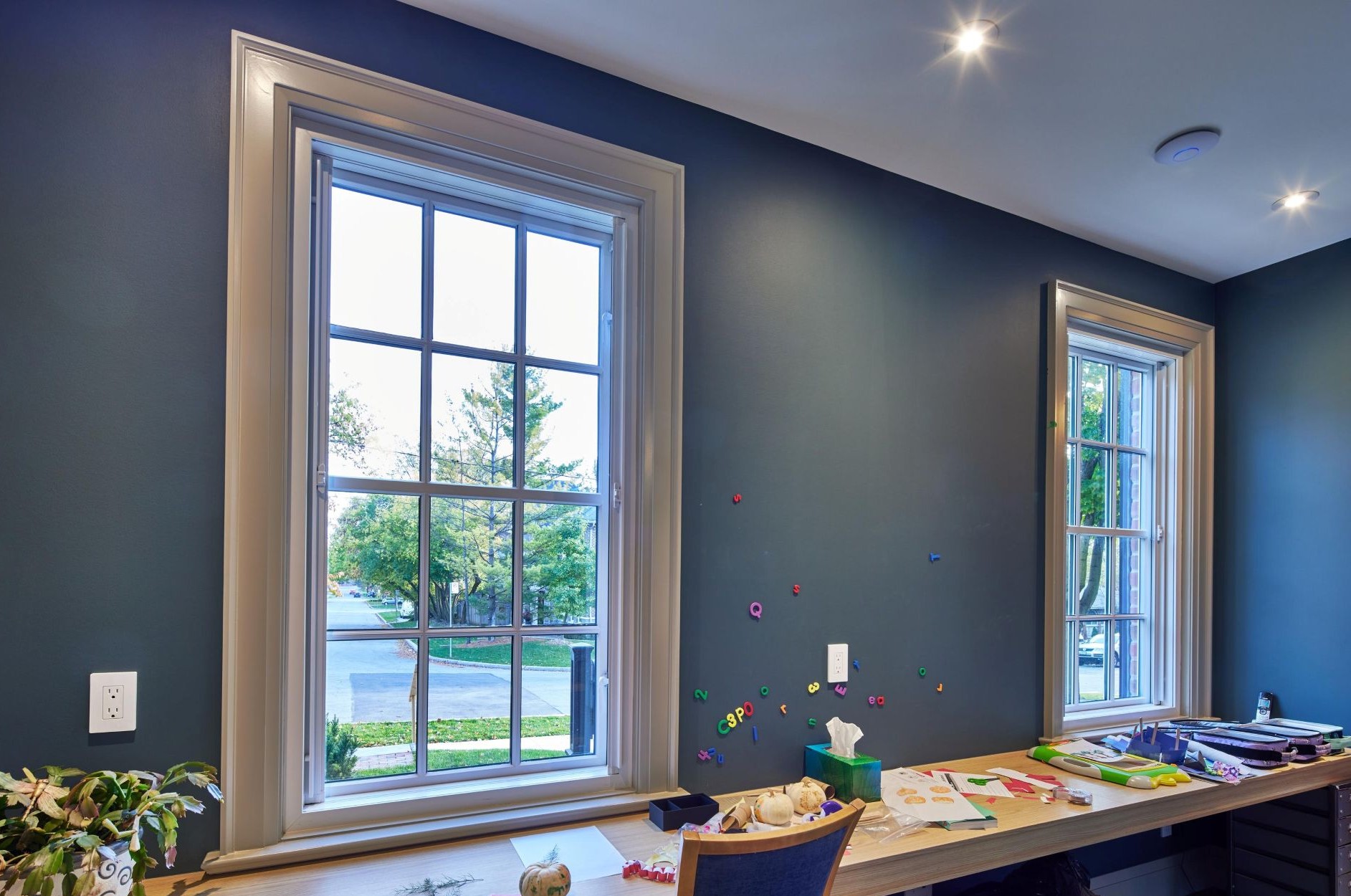
If you're trying to decide between a sliding window and another window type, we've compared them all to help you understand which one might be the best for your home.
Sliding vs Casement Windows
Here are the main differences between sliding windows and casement windows:
Sliding vs Awning Windows
Here are the key differences between sliding and awning windows:
Sliding vs Double-Hung Windows
Here are the main differences between sliding and double-hung windows:
Frame Materials for Sliding Windows
The frame material you choose influences the window's cost, upkeep, and performance just as much as the window style itself.
How Are Sliding Windows Installed?
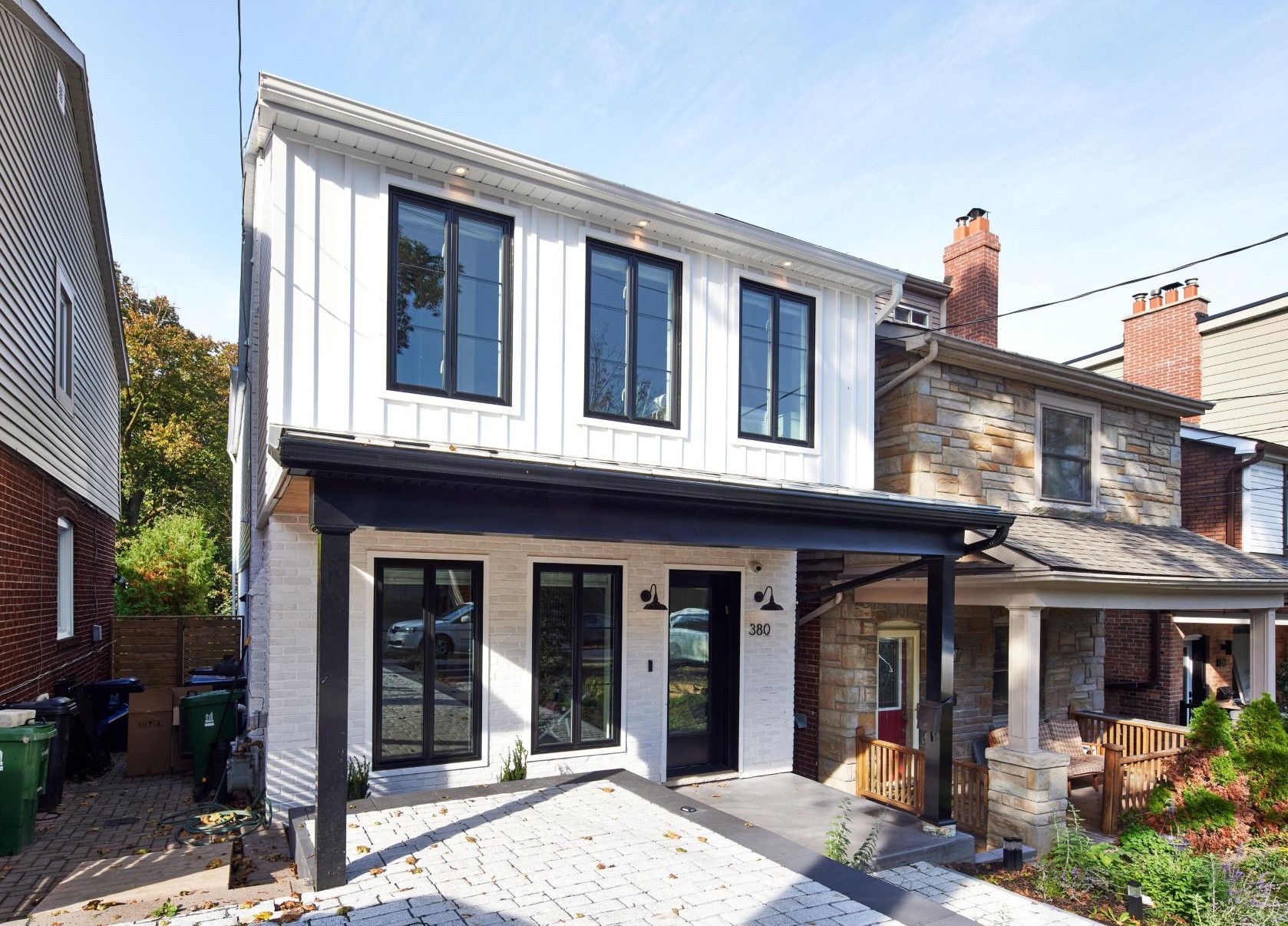
Sliding windows can be installed during new construction or as part of a replacement project. The installation method is determined based on the condition of the existing window frame and how extensive the renovation is.
With an insert replacement, the existing window frame stays in place. The installer removes the old sash and hardware, and then fits the new sliding window components inside the existing frame.
A full-frame replacement involves removing the existing window and its frame, including the sash and surrounding components. The installer then fits an entirely new window into the opening and uses insulation, flashing, and sealants for a properly weatherproofed installation.
Full-frame replacements take more time and cost more than an insert installation.
How Long Do Sliding Windows Last?
A well-installed sliding window can typically last 15 to 25 years or more. Its lifespan depends on factors such as the frame material, glass quality, climate, installation quality, and maintenance. Keeping the tracks clean and ensuring the rollers and hardware remain in good condition can help extend the window's service life.
You may want to consider replacing a sliding window if you notice:
- Persistent drafts or noticeable air leakage around the frame
- A sash that sticks, drags, or is increasingly difficult to open
- Condensation or fogging between the glass panes, which can indicate a failed seal
- Cracked, warped, deteriorated, or rotting frame material
- Increasing heating or cooling costs without a corresponding change in usage
- Damaged or worn-out rollers, locks, or tracks
How Do You Choose the Right Sliding Window?
Choose a sliding window based on where you plan to install it, your local climate, the architectural style of your home, your home's energy-efficiency requirements, and your budget. Consider the following factors before making a decision:
- Choose an appropriate frame material. Consider your climate, insulation requirements, durability expectations, and willingness to perform maintenance.
- Select the right glazing. Compare double- and triple-pane glass based on your desired energy performance and budget. Low-E coatings and gas fills can provide additional insulation.
- Compare manufacturer warranties. Look at both the length of the warranty and what it actually covers, as coverage can vary considerably between manufacturers.
- Verify the measurements. Accurate measurements are essential for ensuring the new window fits the existing opening correctly.
- Hire a qualified installer. Installation quality can have a major effect on the window's energy efficiency, weather resistance, operation, and longevity.
Looking for New Windows and Doors? Contact Magic!
If you're looking for new home replacement windows and doors, whether it’s a sliding window, a sliding glass door, or a window wall, and don't know where to start, book a free consultation with Magic, and one of our experts will guide you through the process.
They'll assess the condition of the existing windows, outline a personalized solution that takes into account your region's climate and your home's needs, and help you find the best window styles for your home!
FAQs
Are sliding windows cheaper than casement windows?
Yes, sliding windows are generally less expensive than casement windows, although the final price depends on the window size, frame material, glass package, and installation requirements. Sliding windows also have simpler hardware, which can help keep both the purchase price and maintenance costs lower.
Are sliding windows good for ventilation?
Sliding windows provide good ventilation, but they offer less airflow than casement or awning windows. A standard slider has one sliding sash, meaning only part of the window can open. Double sliders can provide more flexible ventilation because both sashes can move.
Are sliding windows energy-efficient?
Sliding windows can be energy-efficient when they are professionally installed and have high-performance glass, quality frames, and effective weatherstripping. However, hinged windows such as casements provide a tighter seal because the sash presses against the frame when closed.
Can sliding windows be used for bedroom egress?
Yes, a sliding window can meet bedroom egress requirements if the operable portion provides the required clear opening. The exact minimum dimensions vary by building code and location, so the window's overall size alone does not determine whether it qualifies. Check your local egress requirements before ordering a window for a bedroom or basement sleeping area.
Are sliding windows difficult to clean?
No, sliding windows are generally easy to clean, particularly compared with some large or hard-to-reach window styles. Many models allow the operable sash to be removed for easier access to the exterior glass. The tracks should be vacuumed and cleaned periodically to prevent dirt and debris from affecting the rollers and smooth operation.
Can sliding windows be used in cold climates?
Yes, sliding windows can be used in cold climates, but their air-sealing weather technology is especially important. Because sliders rely on weatherstripping rather than the compression seal found on many casement and awning windows, they can be more susceptible to air leakage as the seals wear. For excellent insulation in Canadian climates, choose a high-quality, low-air-leakage model with double- or triple-glazing, Low-E glass, insulated frames, and professional installation.