
Energy Efficient Windows
Argon Gas Windows: Everything Ontario Homeowners Need to Know
If you're planning to work on a window replacement project in Ontario, you've probably noticed that almost every quote mentions argon gas. Some salespeople explain it well. Others just mention it quickly and move on. Either way, you're left wondering: what does this gas actually do, does it make a real difference in our climate, and is it worth paying for?
We've put together this guide to answer all of those questions about argon gas windows in simple terms.
Quick Facts: Argon Gas Windows
- Argon gas windows use argon, a colourless, odourless, non-toxic inert gas, to fill the space between window panes instead of regular air.
- Argon gas conducts heat about 34% less than air, which means less heat transfer through your glass.
- For Ontario's climate, argon-filled windows make a noticeable difference in home comfort and energy bills.
- Double-pane windows filled with argon are the standard for most homes; triple-pane windows with argon or krypton gas are worth considering for colder Ontario regions.
- Argon gas doesn't expire overnight, but a failed window seal can cause it to leak out over time. Condensation between panes is the first sign of that.
- Ontario homeowners may qualify for rebates when upgrading to energy-efficient windows.
What Does Argon Gas Do in Windows?
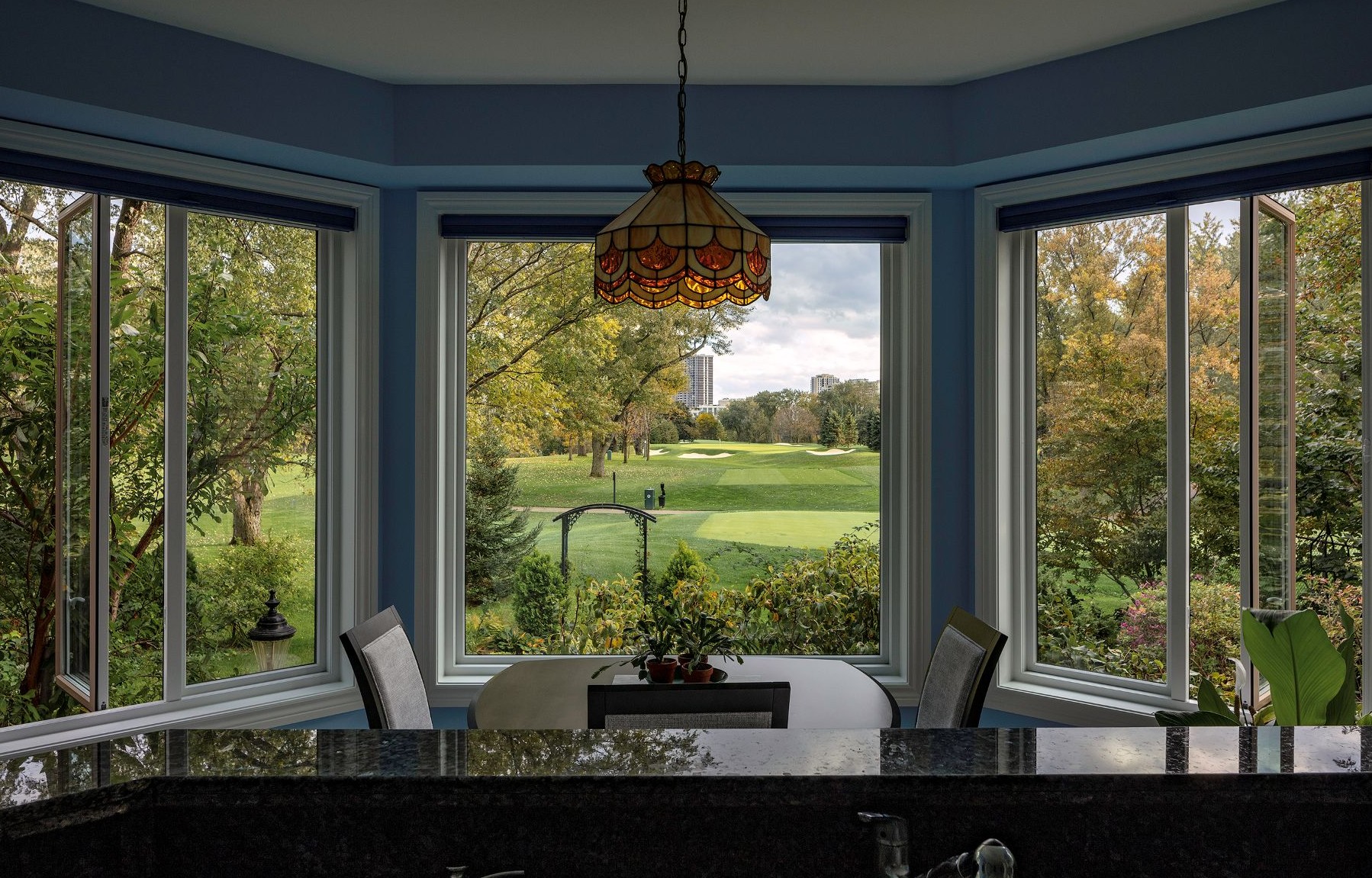
Argon gas is an insulating gas used in windows to reduce heat transfer because it has low thermal conductivity and high density compared to air.
Argon is a naturally occurring gas that makes up about 1% of the Earth's atmosphere. It's colourless, odourless, chemically stable, and completely non-toxic. It’s safe for your home and your family. You'll find it in light bulbs, welding equipment, and, yes, windows.
Argon gas is used in window manufacturing because it conducts heat much more slowly than air. Air-filled windows, with air between the glass panes, transfer thermal energy back and forth more freely. If that air is replaced with argon, the heat transfer process slows down by about 34%.
Argon-filled windows are now the industry standard for double-pane windows and most triple-paned windows in Canada. You'd be hard-pressed to find a quality new window in Ontario that doesn't come with it.
How Is the Gas Inserted into Windows?
During manufacturing, the sealed unit (known as an insulated glass unit, or IGU) is filled with argon gas through a small hole in the spacer bar that runs along the edge between the panes. The air inside escapes through a second small hole while the argon flows in. Once the unit is full, both holes are sealed.
That spacer is one of the most important parts of an argon gas window. It holds the seal, keeps the gas in, and separates the glass panes at the right distance.
How Does Argon Gas Work as an Insulator?
To understand why argon outperforms air, you need to know what "insulation" actually means in a window.
Heat transfer through a window happens in three ways:
- Conduction: heat passing directly through the glass and frame; single-pane windows have higher conductive heat loss than double-pane windows
- Convection: warm indoor air cools down when it touches a cold window pane, causing a cycle of air movement that feels like a draft
- Radiation: losing heat by radiating it into the colder outdoor environment
Argon gas reduces heat loss in a sealed window cavity by lowering both convection and conduction. Because argon is denser than air, it slows internal air circulation, which reduces convective heat transfer between the panes.
Why Are Argon Gas Windows Necessary in Ontario?
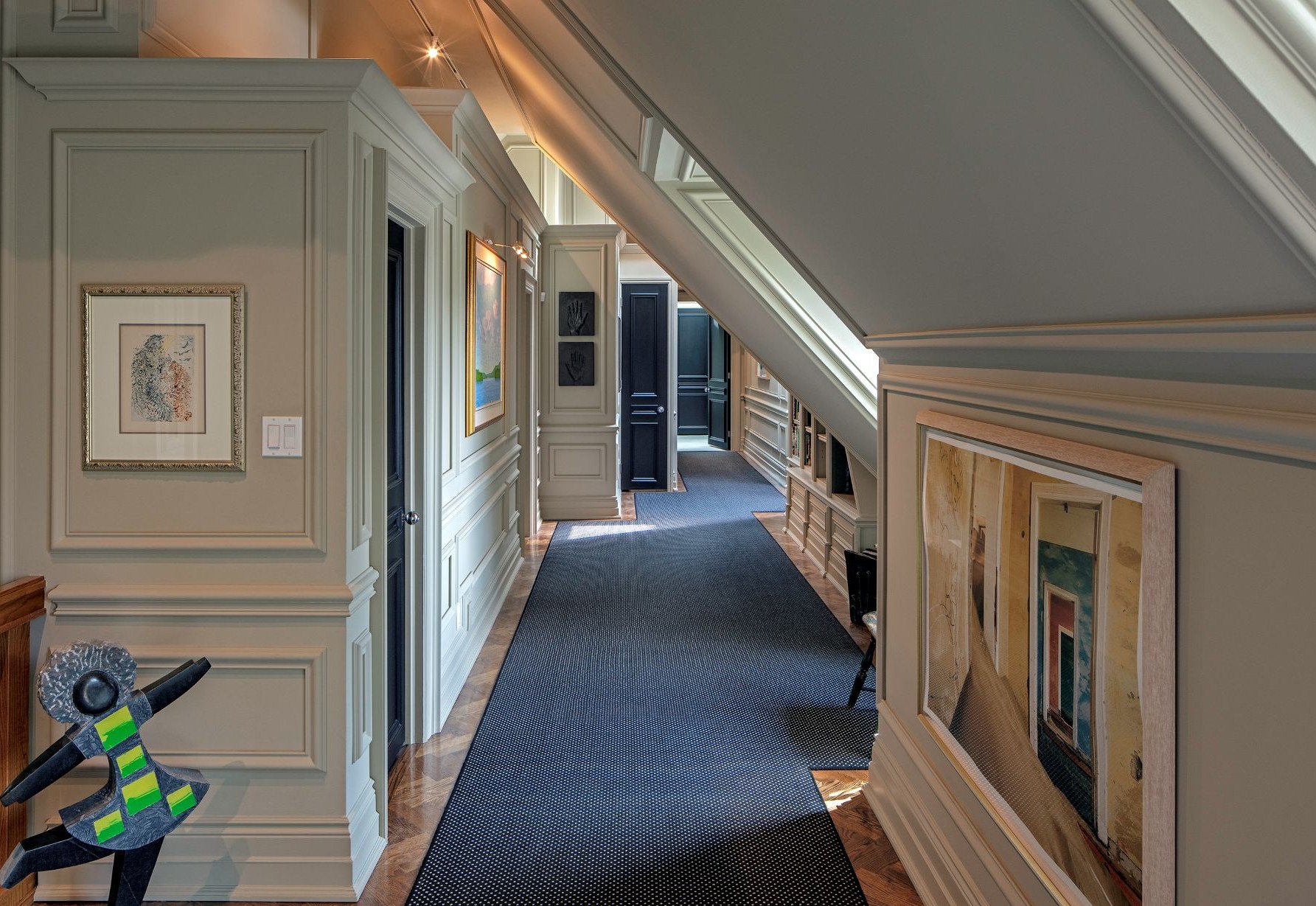
Ontario's climate is hard on windows. In Toronto, you're looking at average January lows around 19.4°F to 14°F (-7°C to -10°C). In Ottawa or Sudbury, temperatures regularly drop below -4°F (-20°C). Then, summer brings the opposite problem: July and August can push past 86°F (30°C) with high humidity.
Your windows face both extremes, and they deal with the transition dozens of times a year as temperatures go up and down.
Air-filled double-pane windows struggle with this. The air inside transmits cold readily, which is why you can feel that chill radiating off the glass in January. It's also why condensation forms. The interior glass surface drops below the dew point because too much cold is getting through.
Argon windows fix this in a few ways:
- In winter, argon gas slows down the movement of cold from the outdoor pane to the indoor pane. The interior glass stays warmer, which can reduce drafts and condensation and lower heating demand.
- In summer, it slows the transfer of outdoor heat into your home, making it easier for your air conditioner to keep up with the summer heat.
- Year-round: Better-insulated window panes cause fewer cold zones near the glass in winter and less solar heat gain in summer, both big comfort issues in Ontario homes.
For homeowners in colder climates like northern Ontario, Sudbury, or the Ottawa Valley, this translates into reductions in energy consumption year-round.
Argon vs. Air in Windows: How Big Is the Actual Difference?
Given that argon gas-filled windows are more expensive than air-filled windows, you might be wondering if the difference in insulation is really worth the investment.
Here are some key differences between argon gas windows and air-filled windows:
That said, argon gas works best when it’s combined with other technologies, including Low-E glass coatings, quality frames, and warm-edge spacers.
In practical terms, Ontario homeowners who upgrade from older air-filled units to modern argon-filled windows with Low-E coatings typically see energy savings of 15-25% on their heating and cooling costs.
Argon vs. Krypton Gas in Windows: Which Is Better?
Krypton gas is the other option you'll see mentioned in premium windows. Both argon and krypton are gases with insulating properties present in the Earth's atmosphere. Both are non-toxic and odourless. Both do the same job. The difference is performance and price.
Krypton is 12 times denser than air and twice as good as argon as an insulator. However, krypton gas is usually used only in narrow spaces, such as in triple-pane windows, which have narrower gaps between the panes. Plus, krypton is much more expensive than argon, and nowadays, it’s only rarely used in windows
Here's a quick comparison between argon and krypton gas for windows:
For most Ontario homeowners, argon gas-filled windows are more than enough if paired with Low-E coatings and energy-efficient window frames. Better value, proven performance, and widely available. Krypton might only be recommended for premium triple-paned windows installed in cold climates.
Double-Pane vs. Triple-Pane: Which One Do You Need?

This is the most common question we hear from Ontario homeowners. Both double-pane and triple-pane windows use argon gas as the standard fill. The question is really about how many sealed cavities your window has and how much insulation you actually need.
Double-pane windows have one sealed cavity between two glass layers. If it’s filled with argon and equipped with Low-E coatings, it’s a highly energy-efficient window that works well for most Ontario homes. These are cost-effective, widely available, and more than adequate for the GTA, Hamilton, London, or Windsor.
Triple-pane windows have two sealed cavities between three glass layers. That means two spaces filled with argon (or krypton gas in narrower spaces). More layers, more insulation.
That said, triple-paned windows are worth the investment if:
- You live in northern Ontario, the Ottawa Valley, or another area that sees sustained cold below -4°F (-20°C).
- Your home is a new build or deep energy retrofit aiming for passive house standards.
- You're replacing windows on a north-facing wall that gets no solar gain.
- Your current heating energy bills are high, and you're looking for every efficiency gain available.
How Long Does Argon Gas Last in Windows?
A well-sealed, properly manufactured window will retain most of its argon fill for 20 years or more. Industry testing shows that quality insulated glass units lose less than 1% of their gas per year when the window seal is intact.
The issue is when seals fail. All window seals degrade over time because of exposure to temperature swings, UV, and physical stress. When a seal fails, argon can gradually escape, allowing air (and moisture) back in.
Here are some signs that argon gas may be leaking from your windows:
- Condensation between the glass panes, which is the most common and obvious sign
- Foggy or hazy appearance inside the unit
- Noticeably colder glass surface in winter compared to other windows
- Higher energy bills with no other explanation
If you notice any of these, the unit likely needs replacement rather than repair.
Can You Refill Argon Gas in Windows?
Technically, yes, argon can be pumped back into a window unit if the seal is repaired. But if the seal has failed, it will likely fail again unless the root cause is fixed. In most cases, full window replacement of the glass unit is the better long-term option.
Are Argon Gas Windows Safe?
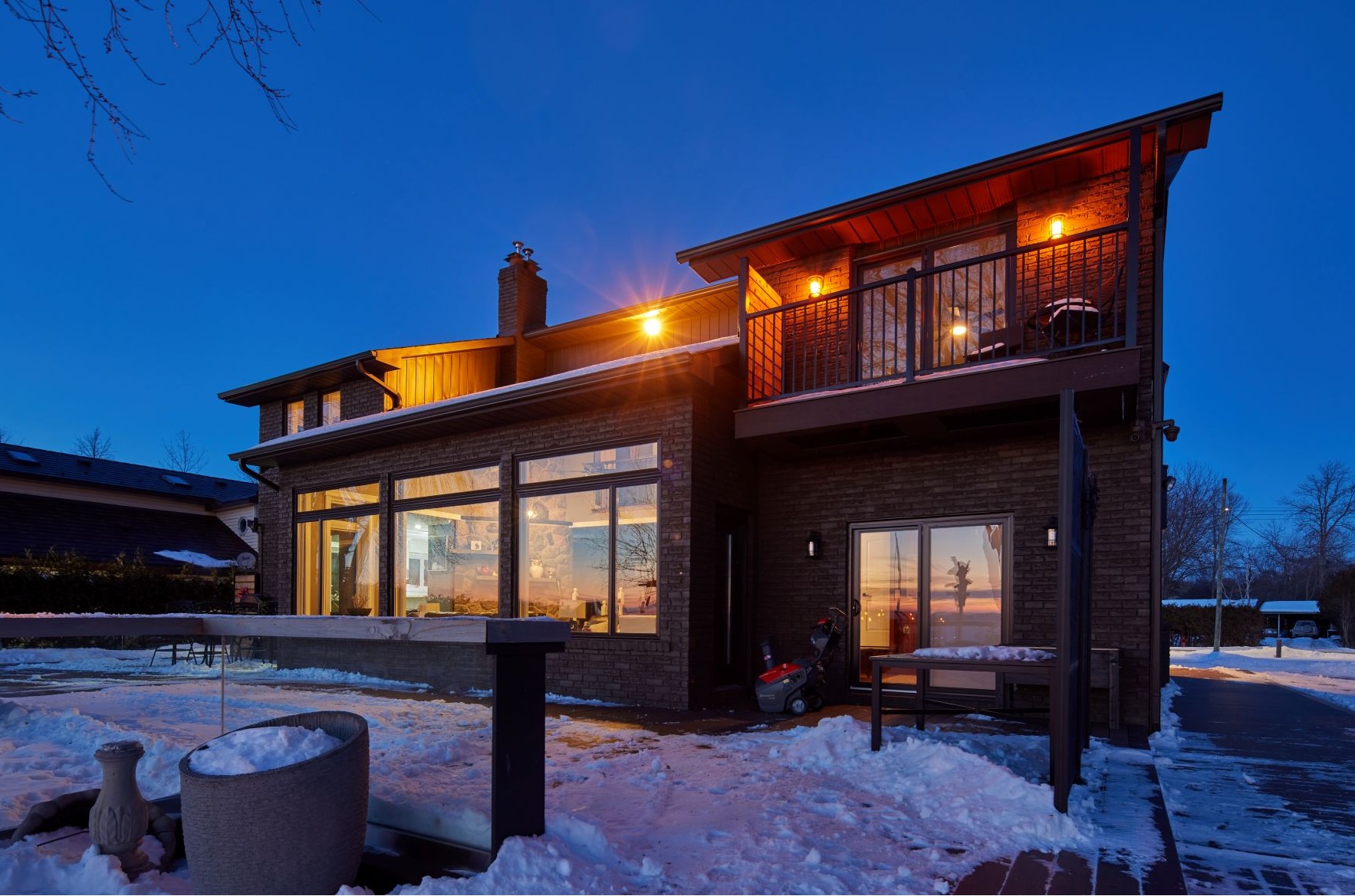
Yes, without question, argon gas windows are safe. Argon is non-toxic, odourless, and makes up a portion of the air you're already breathing every day.
If argon leaks from a failed window seal, there's no health risk. The gas disperses into the room and dilutes with the surrounding air. The only consequence is reduced window insulation.
Energy Savings and Rebates in Ontario
Upgrading to argon windows in Ontario can reduce your carbon footprint and help you qualify for government rebates because many of these windows qualify for ENERGY STAR certification.
Ontario homeowners currently have access to:
- Home Renovation Savings Program: $100 per rough opening for ENERGY STAR-certified windows
- Canada Greener Homes Affordability Program: more details to be announced
- Home Energy Loan Program: financing up to $125,000 for renovations (Toronto only)
- CMHC Eco Improvement and CMHC Eco Plus: 25% mortgage insurance refund (CMHC-insured homes only)
To qualify for most of these programs, your new windows need to be ENERGY STAR-certified. If you want to compare ENERGY STAR-certified models and their energy efficiency ratings, you can do so on the official website of the Natural Resources Canada department.
Magic products are present in the database as well under the CTW(NuView/Magic Window) brand name. Most of our windows have a 30+ energy rating (the higher, the better), some reaching a rating of 48, thus being included in the ENERGY STAR Most Efficient database. Our sliding glass doors have made it to the Most Efficient list as well.
To learn more about energy performance ratings explained for Canada, read our comprehensive guide on this topic.
What to Look for When Buying Argon Gas Windows in Ontario
Here's what to check before you buy argon-gas windows:
- ENERGY STAR certification: confirms the unit meets Canadian climate performance standards
- U-factor of 0.21 or lower: a standard measure of how much heat a window loses (lower is better)
- Low-E glass coating: works alongside argon gas to reflect infrared radiation
- High-quality warm-edge spacer: the bar between the panes; stainless steel or foam spacers outperform old aluminium ones for the window's insulation at the edges
- Frame material: uPVC (vinyl), fiberglass, wood-clad, or composite frames like the Hybrid Fusion Frame perform better than standard aluminium in Ontario winters; they resist heat transfer through the frame itself
- Sealed unit warranty: look for at least 20 years on the sealed glass unit; shorter than that is a red flag for quality; Magic offers a 40-year warranty.
The Bottom Line on Argon Gas Windows
For Ontario homes dealing with freezing winters and summer heat, argon gas-filled windows equipped with Low-E coatings and energy-efficient frames, which are also installed correctly, contribute to a warmer, quieter, more comfortable home and lower energy bills year after year.
Air-filled windows are cheaper upfront, but over the lifespan of a window, 20, 30, or even 40 years, the energy savings from argon more than make up for the price difference. In Ontario, where we heat our homes six months out of the year, reducing energy consumption matters both for your wallet and your environmental impact.
Upgrade Your Windows with Magic's Advanced Technology
Magic uses argon gas as standard across our window lineup. Even more, our windows use around 25% more gas between the panes, which makes them more energy-efficient than others on the market. But we don’t stop here, though.
Our Hybrid Fusion Frame technology reinforces uPVC with stainless steel and aluminum for a frame that holds its seal, resists Ontario's temperature swings, and gives you lasting insulation without warping or degrading. In simpler words, our windows are built to perform in Canadian winters for 40 years (yes, we do offer an industry-leading 40-year warranty!).
If you're ready to upgrade to energy-efficient windows that are built for Ontario's climate, we'd love to help. Book a free, no-obligation consultation with our team, and we'll walk you through the right options for your home!
FAQs
How to refill argon gas in windows?
It is not common practice to refill argon gas in windows. Some professional teams can inject argon gas between the panes, but this is not a recommended fix for window seal failure, and you won’t easily find professionals who do this. Once you notice condensation between panes, your best option long-term is to replace the entire Insulated Glass Unit because refilling argon gas in windows will never yield the same degree of insulation as you’re getting directly from a manufacturer.
Is argon gas in windows worth it?
Argon gas in windows is most likely worth it if you live in a region like Ontario, as it significantly reduces heat transfer and can thus enhance comfort, lower energy bills, and reduce carbon footprint.
Is argon gas needed for windows?
Argon gas is needed for windows installed in homes located in regions with cold winters and hot summers, as it significantly reduces heat transfer, thus improving the home’s overall energy efficiency.
What are the disadvantages of argon gas windows?
Argon gas windows have two disadvantages: they cost more, and the argon gas can leak over time.