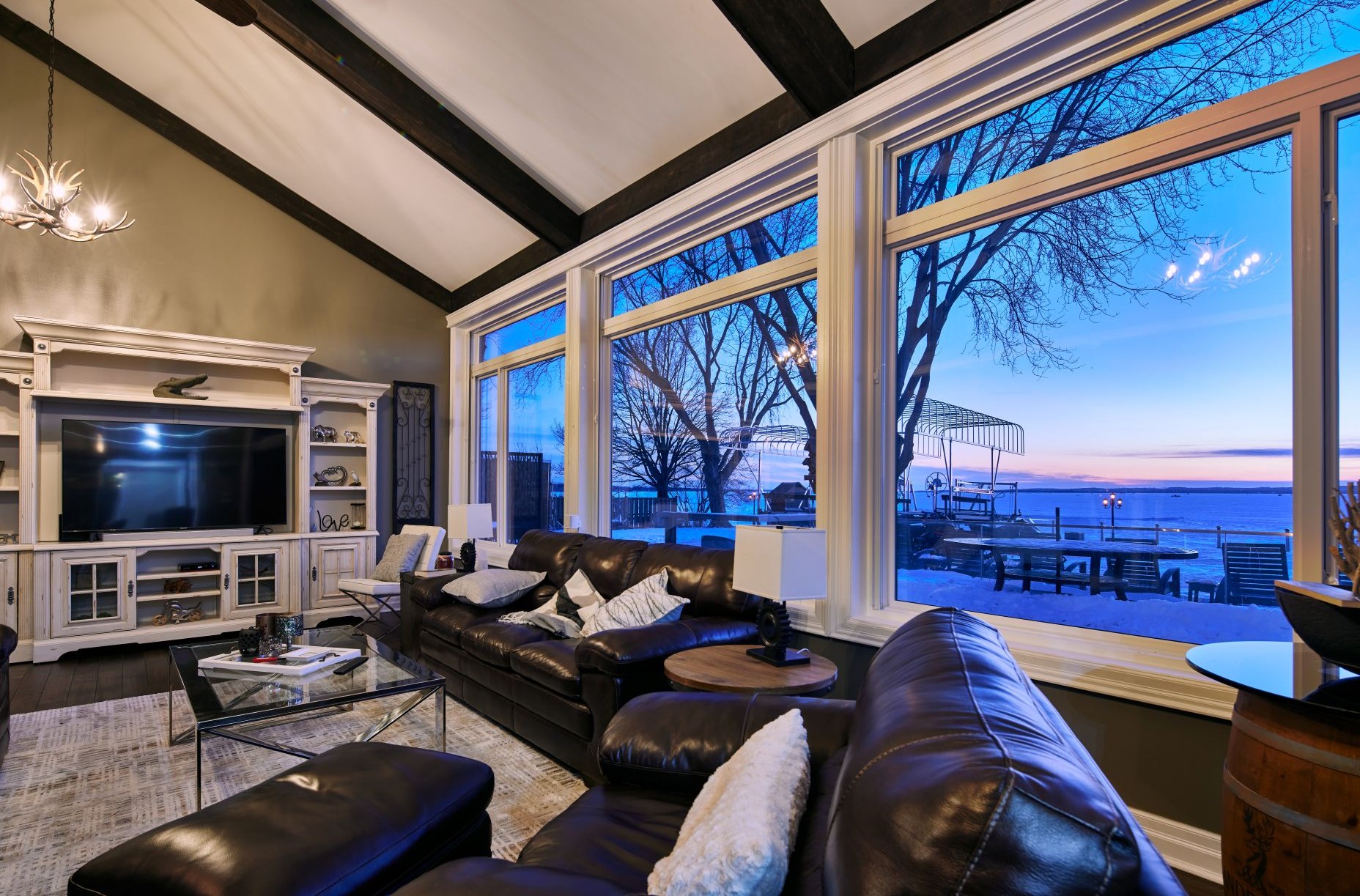
Energy Efficient Windows
Energy Efficient Windows: A Complete Homeowner’s Guide
If you have drafty windows that fog up every winter or feel the summer heat radiate through your glass, you’re not alone. Millions of homeowners are discovering that their old windows are silently draining their wallets and comfort levels.
This guide breaks down everything you need to know about energy-efficient windows in 2026: what exactly makes them energy efficient, how to find the best energy-efficient windows for your climate, how to read those confusing NFRC labels, and whether the investment makes sense for you.
Key Details about Energy-Efficient Windows
- Energy-efficient windows reduce heat loss in winter and heat gain in summer.
- Energy-efficient windows use multiple panes, gas fills, insulated frames, and Low-E coatings.
- Energy-efficient windows can help save money on energy bills, improve comfort, reduce drafts and condensation, and can increase home value.
- Proper installation and climate-appropriate selection are essential for maximum performance and eligibility for rebates.
What Are Energy-Efficient Windows?
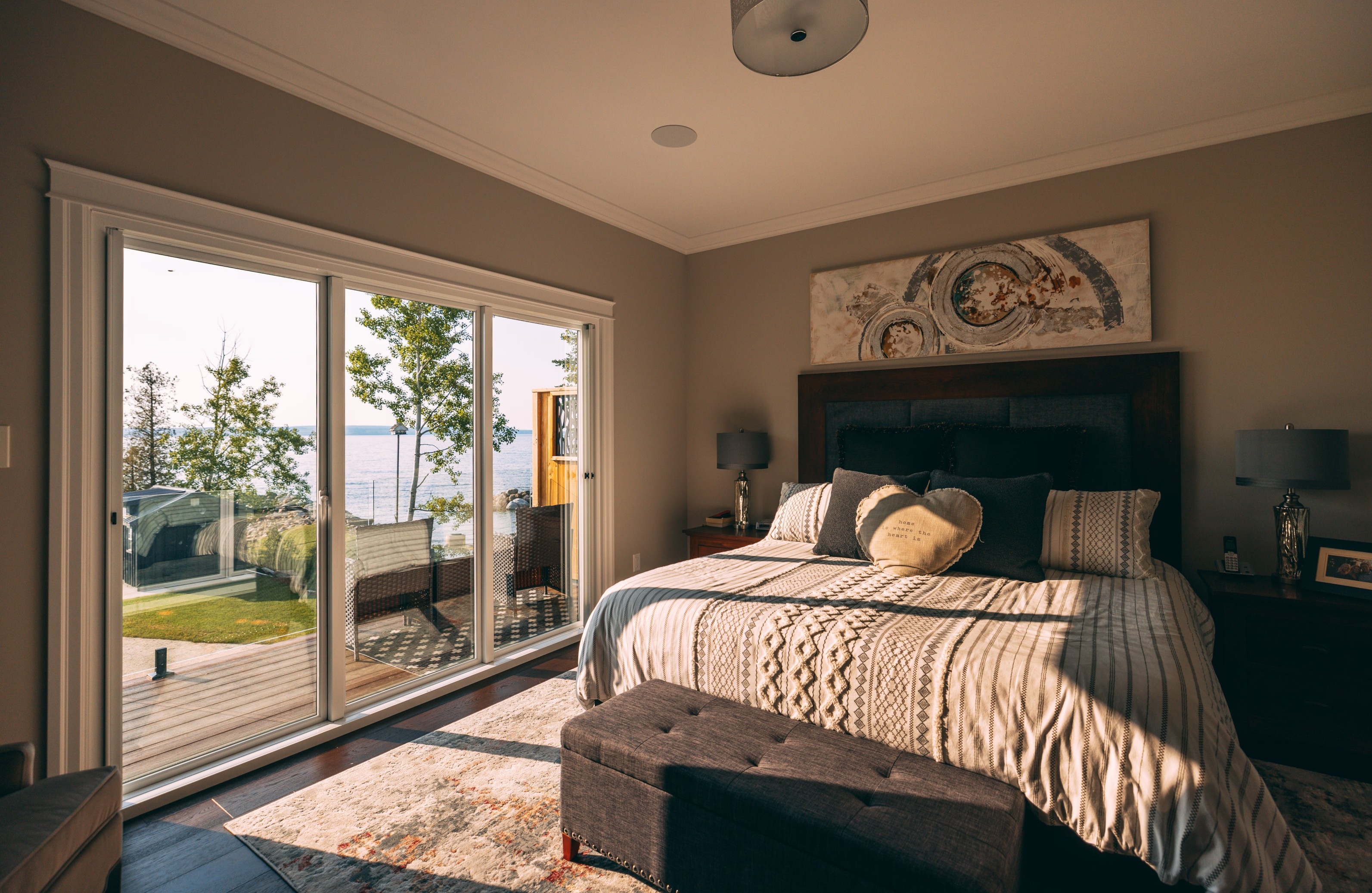
Energy-efficient windows reduce heat loss and heat gain using multiple panes, gas fills, insulated frames, and Low-E coatings.
Energy-efficient windows are well-insulated window systems designed to prevent heat from escaping from your house in winter and to minimize how much heat enters your home in summer. In other words, energy-efficient windows minimize heat loss in winter and heat gain in summer. This is accomplished through multiple glass panes, gas fills between panes, insulated frames, and Low-E coatings that reflect heat while allowing visible light through.
When homeowners and contractors talk about “high-performance” or “thermal” windows in 2026, they typically mean units that meet or exceed the latest ENERGY STAR standards for their climate zone.
Energy performance is verified by independent programs such as ENERGY STAR and rated by the National Fenestration Rating Council (NFRC). These third-party certifications guarantee that you’re getting what manufacturers claim.
What Are the Benefits of Energy-Efficient Windows?
Here are the main benefits of energy-efficient windows:
- Fewer drafts and cold spots near windows
- More consistent room temperatures
- Reduced outside noise (especially with triple pane and tempered/laminated glass)
- Less condensation
- Lower mold risk on glass and frames
- Better control over natural light and glare
- Reduced need to use artificial lighting
- Reduced UV damage to furnishings and flooring
- Lower carbon footprint and reduced greenhouse gas emissions
- Energy savings
- Higher home value
- Better comfort
- Access to rebates
- Less maintenance
For a comprehensive discussion on energy-efficient window benefits, read our comprehensive guide on this topic.
What Makes a Window Energy-Efficient?
The main components that determine window energy efficiency performance include the glass system, inert gas fills, warm-edge spacers, window frame material, low-E coatings, method of operation, hardware quality, installation quality, and climate suitability.
The most important thing you need to know about energy-efficient windows is that all the components mentioned above must work together for the window to be indeed energy-efficient.
In the following sections, we will discuss all these components in detail to help you understand what exactly you're paying for with energy-efficient windows.
Double-Pane vs Triple-Pane Glass

If you're planning to replace your windows, they are likely either single-pane windows or old, inefficient double-pane windows.
Today, double-pane windows are the minimum standard in most new construction across Canada. They consist of two glass panes separated by a space that is filled with air or inert gas. This construction is called an Insulated Glass Unit (IGU). Triple-pane windows, which are also IGUs, have an extra glass pane and a second cavity, delivering significantly better thermal performance and noise reduction.
In regions like Toronto, double-pane windows are more than enough for good energy performance. Triple-pane is increasingly common in cold climates like the Canadian Prairies, where extreme winter temperatures make the extra insulation worthwhile.
The additional weight and cost of triple-pane windows is offset by greater energy efficiency and improved comfort near windows on bitterly cold days.
Argon and Krypton Gas
As mentioned earlier, the space between the two glass panes is filled with air or with inert gas. The inert gas option is undoubtedly more energy-efficient, and most IGUs nowadays feature gas fills instead of air.
Argon gas fill is the most common choice, significantly improving insulation over air-filled cavities. It’s cost-effective and performs well in standard double and triple pane units with gaps of about 12mm.
Krypton gas is twice as good as argon as an insulator. It works better in narrower cavities, perfect for very high-performance or space-constrained applications. However, krypton costs significantly more. It is roughly 40% more expensive than argon gas. Because of this, it is typically reserved for premium installations.
Warm-Edge Spacers

Warm-edge spacers sit between the panes of glass and hold them apart, but their real goal is to slow down heat transfer at the edge of the glass.
Older spacers were often made of metal, which conducts heat very easily. That means that warmth could escape in winter and sneak in during summer, right around the edges of the window.
Today, warm-edge spacers are made from less conductive materials, so they help keep the temperature of the glass more even and reduce drafts and condensation near the frame. This can also help lower energy bills.
Energy-Efficient Frames & Construction
Frame materials matter just as much as the glass when you’re trying to save energy and improve comfort.
Here are the most common frame materials used in energy-efficient windows:
- Vinyl: multi-chambered designs trap air for insulation, offering excellent thermal performance at moderate cost with minimal maintenance over a 20-year lifespan; however, vinyl expands and contracts with extreme temperature fluctuations, which are common in Canada, and it may crack or warp sooner than expected.
- Fiberglass: excellent insulation and sturdiness
- Clad or solid wood: natural insulation properties and traditional aesthetics, but requires ongoing maintenance.
- Hybrid Fusion Frame: a composite material (vinyl, steel, and aluminum) that offers superior energy performance and durability (it comes with a 40-year warranty)
- Aluminum with thermal breaks: can work in mild climates, but is rarely recommended for cold-climate energy upgrades due to inherent conductivity
Low-E Glass Coatings
Low-E glass features microscopically thin metallic oxide layers applied at the factory. These coatings reflect infrared heat while still allowing natural light through. Modern low-E coatings can be tuned for high solar heat gain (beneficial for south-facing windows in cold climates) or low solar heat gain coefficient (better for hot, sunny climates where you want to block the sun’s heat).
Method of Operation and Hardware Quality
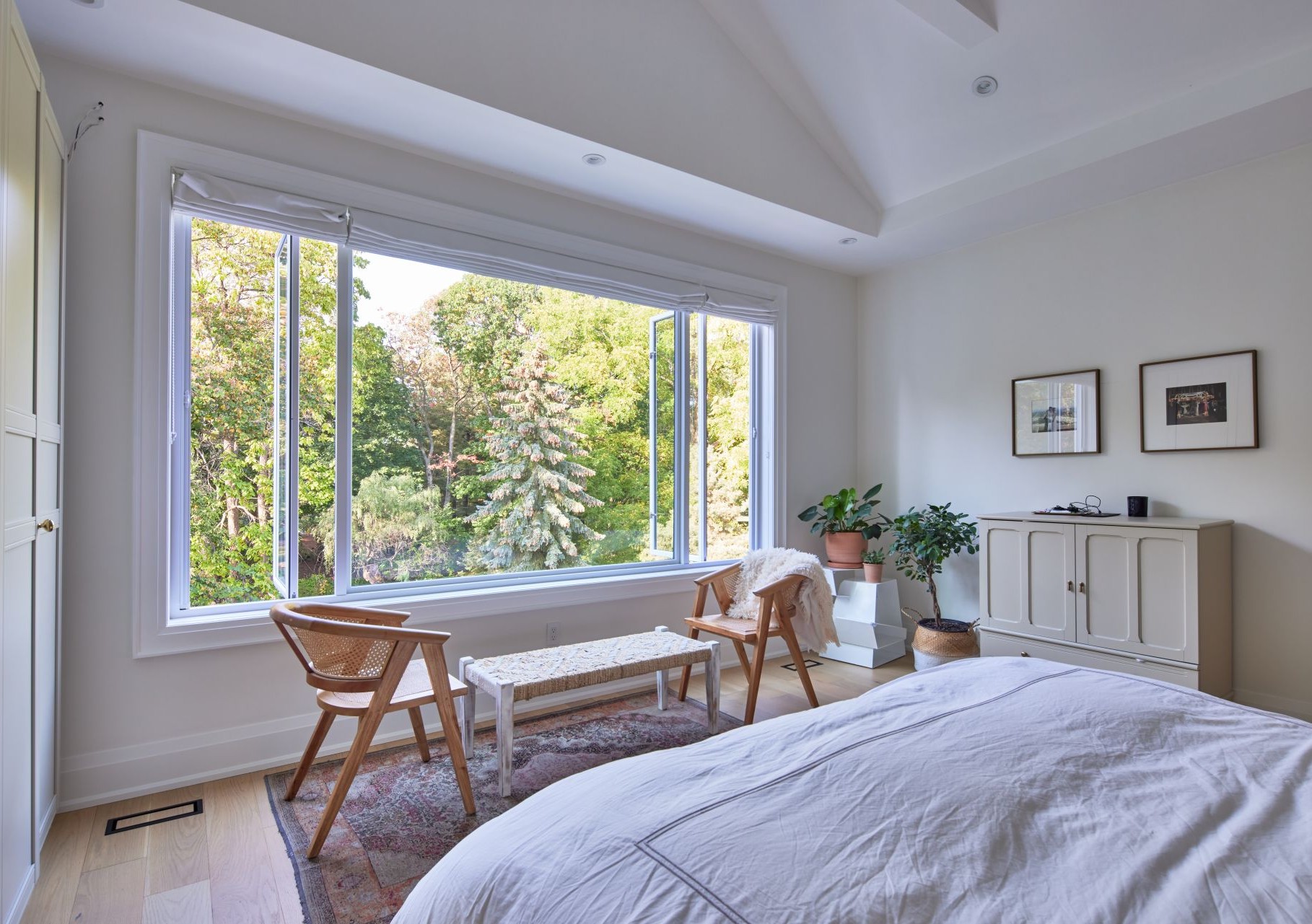
The way a window operates, along with the quality of its hardware, also plays an important role in how energy-efficient it is. For example, casement windows and awning windows are more energy-efficient than sliding windows and hung windows because the sash is pressed tightly against the frame. Sliding and hung windows may have small gaps that let air leak in and out.
Furthermore, the hardware quality and type matter too. Crank mechanisms in casement windows, for instance, fail way too often, and this can cause air leakage. Multi-point locking systems are usually better for energy-efficient windows.
Installation Quality
Gaps around the frame, uneven alignment, or missing insulation (caulking, weatherstripping) allow air and moisture to move freely between indoors and outdoors. This creates drafts and forces heating and cooling systems to work harder.
Professional installers can guarantee that the window fits tightly into the opening, is well-sealed on all sides, and works as intended in real-world conditions. Furthermore, professional installation is mandatory if you want your home improvement project to qualify for rebates.
Installation quality is just as important as the window itself. Even the best energy-efficient window you can find will perform poorly if it's not installed correctly.
Climate Suitability
Given that there are different climates across Canada, energy-efficient windows must be chosen based on the local climate. In cold climates, you want windows that keep heat inside and reduce condensation, all while providing some passive solar gain. In mild climates, you need to prioritize both blocking solar heat gain in summer (while still letting in light) and preventing heat loss in winter.
For more details about Canada's climate zones, read our comprehensive article on ENERGY STAR windows Canada.
How Much Can You Save with Energy-Efficient Windows?
Savings depend on your climate, existing window condition, number of windows, and local energy costs. However, according to Natural Resources Canada, homeowners can reduce energy loss by up to 25% with energy-efficient windows. Here's how much more energy-efficient specific glazing units are:
- ENERGY STAR-certified windows are about 20% more energy-efficient than average windows
- ENERGY STAR-certified doors are about 15% more energy-efficient than standard doors
- ENERGY STAR-certified skylights are about 35% more energy-efficient than average units
- ENERGY STAR Most Efficient windows and sliding doors are up to 55% more energy-efficient than average models
Energy Performance Ratings: NFRC Label

Energy performance ratings measure how energy-efficient a window is. To be able to find an energy-efficient window that is suitable for your home, it's important to understand energy performance ratings, which are specified on the NFRC label or on the online Natural Resources Canada database. Here are the energy performance metrics you should know about:
If you want to learn more about energy performance ratings explained for Canada to understand how to choose energy-efficient windows, check our comprehensive guide on this topic.
ENERGY STAR Certification Requirements
Not all windows qualify for the ENERGY STAR label, even if they have satisfactory energy performance metrics that would work for your home.
In Canada, for a window to become ENERGY STAR certified, it must have the following energy performance ratings:
- A maximum U-factor of 0.21; windows with a U-factor of 0.18 or lower qualify for the ENERGY STAR Most Efficient certification.
- A minimum Energy Rating of 34; windows with an Energy Rating of at least 40 qualify for the ENERGY STAR Most Efficient certification
Costs of Energy-Efficient Windows in 2026
Energy-efficient windows cost, on average, between $340 and $4,500+. The prices for energy-efficient windows vary widely by region, brand, glass package, size, and installation complexity. The figures here represent ballpark ranges for 2026 to help you budget.
Here are the average energy-efficient window costs in Canada for 2026:
Triple pane windows, custom window designs, large picture windows, and premium frame materials (fiberglass, wood-clad, or composite) sit at the higher end of the spectrum.
Labor, existing wall conditions, and window style often have as much impact on the final price as the glass package itself.
Here are the key factors that influence the price of energy-efficient windows.
Window Size and Type
Large bay, bow, and unique shapes cost significantly more than standard double-hung or sliders. The extra glass area and more complex framing requirements drive up both material and labor costs. Operable windows with multiple sashes also cost more than fixed picture windows.
Glass Package Choice
Triple-pane and specialty coatings raise material cost but can significantly cut heat loss and street noise. For homes on busy roads or in extreme climates, the premium is often worthwhile.
Frame Material and Installation Method
- Vinyl: Most affordable, good performance, minimal maintenance
- Fiberglass: Premium price, best thermal performance, more complex installation
- Wood frames: Higher cost, requires maintenance, traditional aesthetics
- Full-frame replacement: More expensive but addresses damaged or rotted framing
- Insert retrofit: Less disruptive and less costly, but works only when existing frames are sound.
Location and Access
Upper-floor windows, difficult access points, and high local labor rates can swing project bids by thousands of dollars. Urban areas with higher contractor demand typically see higher installation costs.
We recommend getting at least 2-3 detailed written quotes before committing to any project. Ensure each quote breaks down product costs, labor, and any additional work like trim replacement or disposal of existing windows.
Window Replacement vs Repair for Energy Efficiency
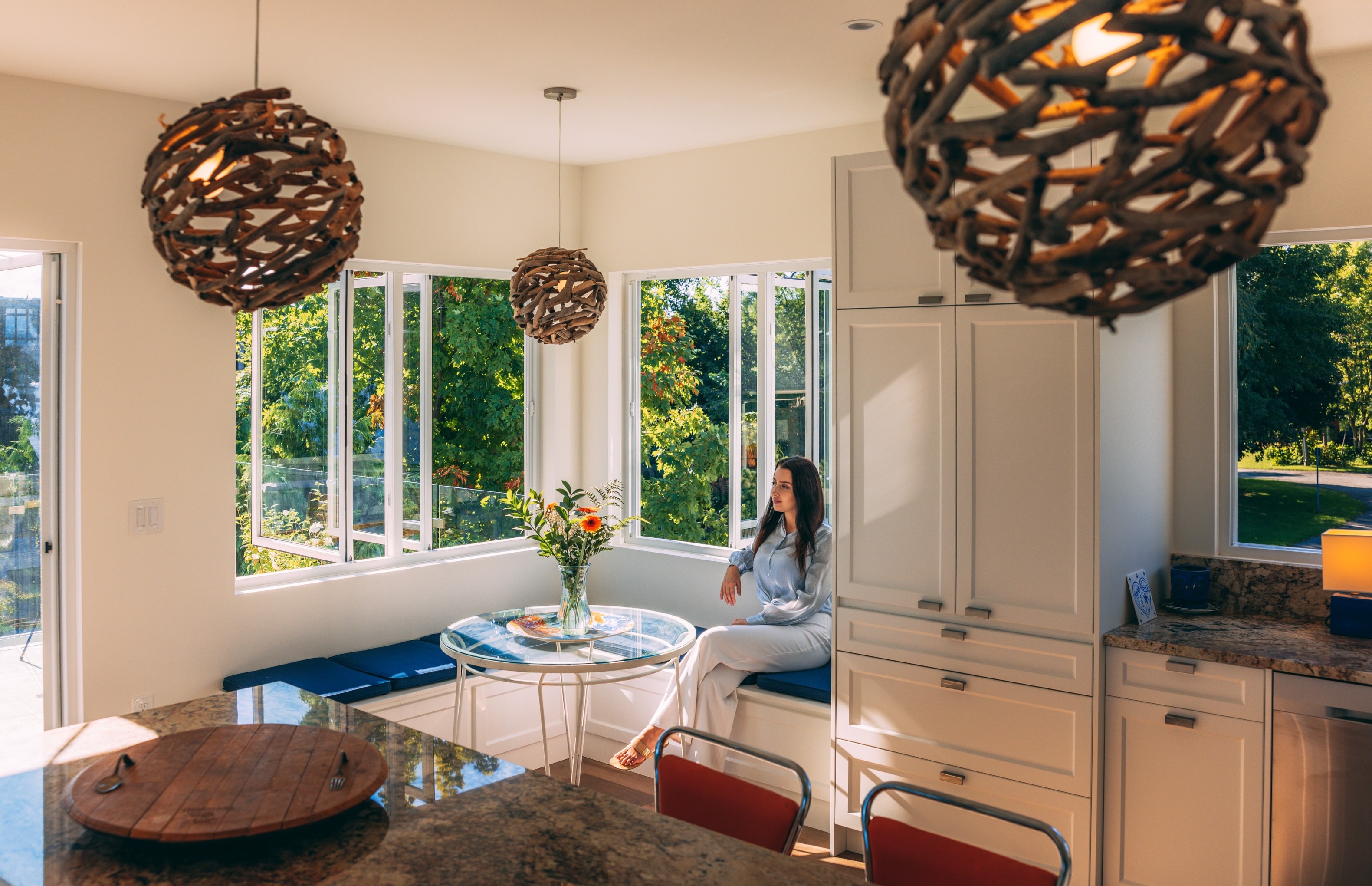
Homeowners often wonder whether repairing existing windows is enough for superior home energy efficiency and reduced energy consumption or if full replacement is better. The answer depends on the age, condition, and performance of your current windows.
When Is Window Repair Enough?
Repair or targeted upgrades may be enough if:
- Windows are less than 15 years old
- Frames are structurally sound with no rot, warping, or moisture damage
- Drafts are caused by failed weatherstripping or caulking
- Condensation appears only on the interior surface, not between panes
- Energy bills are rising slightly but not dramatically
Common repair solutions include:
- Replacing weatherstripping
- Re-caulking window perimeters
- Adjusting or replacing hardware
- Installing storm windows or interior window inserts
These fixes are relatively inexpensive and can extend window life by several years, as well as lead to energy savings.
When Is Full Window Replacement Better?
Replacement is usually the better long-term solution if:
- Windows are 20+ years old
- You are replacing single-pane windows or early-generation double-pane units
- Condensation or fog appears between panes (failed IGU seal)
- Frames show rot, cracking, or warping
- Air infiltration persists despite sealing efforts
- You plan to stay in the home long-term or sell within 5-10 years
Window Lifespan, Durability, and ROI Timeline
Energy-efficient windows are a long-term investment, and understanding their expected lifespan and financial return can help you plan wisely.
Average Lifespan by Window Type
Lifespan depends heavily on installation quality, climate exposure, and maintenance.
Return on Investment (ROI)
In Canada, energy-efficient windows typically deliver:
- 7-15-year energy payback, depending on province and fuel costs
- 60-75% cost recouped at resale
- Ongoing savings through lower HVAC wear and maintenance
Homes upgrading from single-pane or failing double-pane windows see the fastest payback.
Energy-Efficient Window Tips by Canadian Region

Canada’s climate diversity means there is no one-size-fits-all window solution. Therefore, it's important to install windows that are suitable for your specific climate.
Cold Climates (Prairies, Northern Ontario, Northern Quebec)
Primary goal: Retain heat and prevent condensation
Recommended features:
- Triple-pane glass
- Lowest U-factor possible (≤ 0.18)
- High Energy Rating (ER 40+)
- Warm-edge spacers and insulated frames
- Moderate to high SHGC for passive solar gain
These regions benefit most from ENERGY STAR Most Efficient models.
Mixed Climates (Southern Ontario, Quebec, Atlantic Canada)
Primary goal: Balance winter heat retention and summer heat control
Recommended features:
- High-quality double-pane or triple-pane windows
- Low-E coatings tuned for mixed climates
- U-value ≤ 0.21
- Moderate SHGC (especially for south-facing windows)
Coastal and Mild Climates (British Columbia)
Primary goal: Moisture control and year-round efficiency
Recommended features:
- Double-pane Low-E glass
- Excellent condensation resistance (CR)
- Fiberglass or composite frames
- Low air leakage ratings
In these regions, airtightness and moisture resistance matter more than extreme insulation values.
Looking for Energy-Efficient Windows, Doors, and Window Walls in Ontario? Contact Magic!
Magic delivers industry-leading energy performance with advanced Low-E coatings, best-performing warm-edge spacers, more gas fills than the window industry standard, and precision installation designed for Canada’s climate. All Magic residential windows and doors are ENERGY STAR-certified products. Some models even qualify for the ENERGY STAR Most Efficient certification!
So, if you've decided that replacing your windows with energy-efficient models is your best option, book a free consultation with Magic to receive expert advice, tailored recommendations for new windows, and a no-obligation quote for your home, so you can start saving energy and enjoying lasting comfort today!
FAQs
What type of windows is most energy-efficient?
Casement windows and awning windows with double- or triple-pane glass, low-emissivity (Low-E) coatings, and argon or krypton gas fills are the most energy-efficient. They minimize heat transfer and reduce energy loss in both cold and hot conditions.
What is the Canadian window replacement grant?
The Canadian window replacement grant is the Canada Greener Homes Grant, but it does not accept applicants in 2026. Other rebate programs you can apply for include the Home Efficiency Rebate Plus program and the Canada Greener Homes Affordability Program.
What are the best windows for the Canadian climate?
Triple-pane, Low-E coated windows with insulated frames, such as vinyl or composite, perform best in Canada’s cold climate. Double-pane windows with low-E coatings and gas fills are suitable for regions like Toronto.
What are the disadvantages of energy-efficient windows?
One of the main disadvantages of energy-efficient windows is the higher upfront cost compared to standard windows. Moreover, installation quality is critical, as improper installation can reduce their performance benefits.
How do energy-efficient windows work?
Energy-efficient windows have multiple panes, gas fills, and special coatings to reduce heat transfer between the indoor and the outdoor. This keeps heat inside during winter and blocks excess heat in summer.
How to tell if windows are energy-efficient?
To check if windows are energy-efficient, look for ENERGY STAR certification and performance ratings on the NFRC label, such as U-factor and Solar Heat Gain Coefficient (SHGC). Low-E coatings and multiple panes are also key indicators of superior energy efficiency.