
Window Replacement & Repair
Home Inspection Checklist: What to Check Before Buying
It's undoubtedly a major financial decision to buy a home. That's why, before you sign the documents and hand over your down payment for your potential new home, you need to know exactly what you're buying. And you can do this by conducting a home inspection. It will reveal what home upgrades you'll have to plan and budget for if you do decide to purchase the house.
This guide provides a comprehensive home inspection checklist to help you navigate the process and understand what inspectors look for. It can also help avoid spending thousands on unexpected repairs after closing.
This home inspection checklist can also be used by homeowners who already own a home and want to schedule regular maintenance tasks or repairs.
What Is a Home Inspection?
A home inspection is a thorough visual examination of a home's condition before purchase. More often than not, it is conducted by a qualified inspector who can identify defects that could affect the home’s safety, habitability, or value. A home inspection usually takes 2-3 hours to complete, depending on the home's size and condition.
In most Canadian purchase agreements, buyers have 7-10 days from offer acceptance to complete their inspection and decide whether to proceed, renegotiate, or walk away from the deal.
Exterior & Site Inspection Checklist
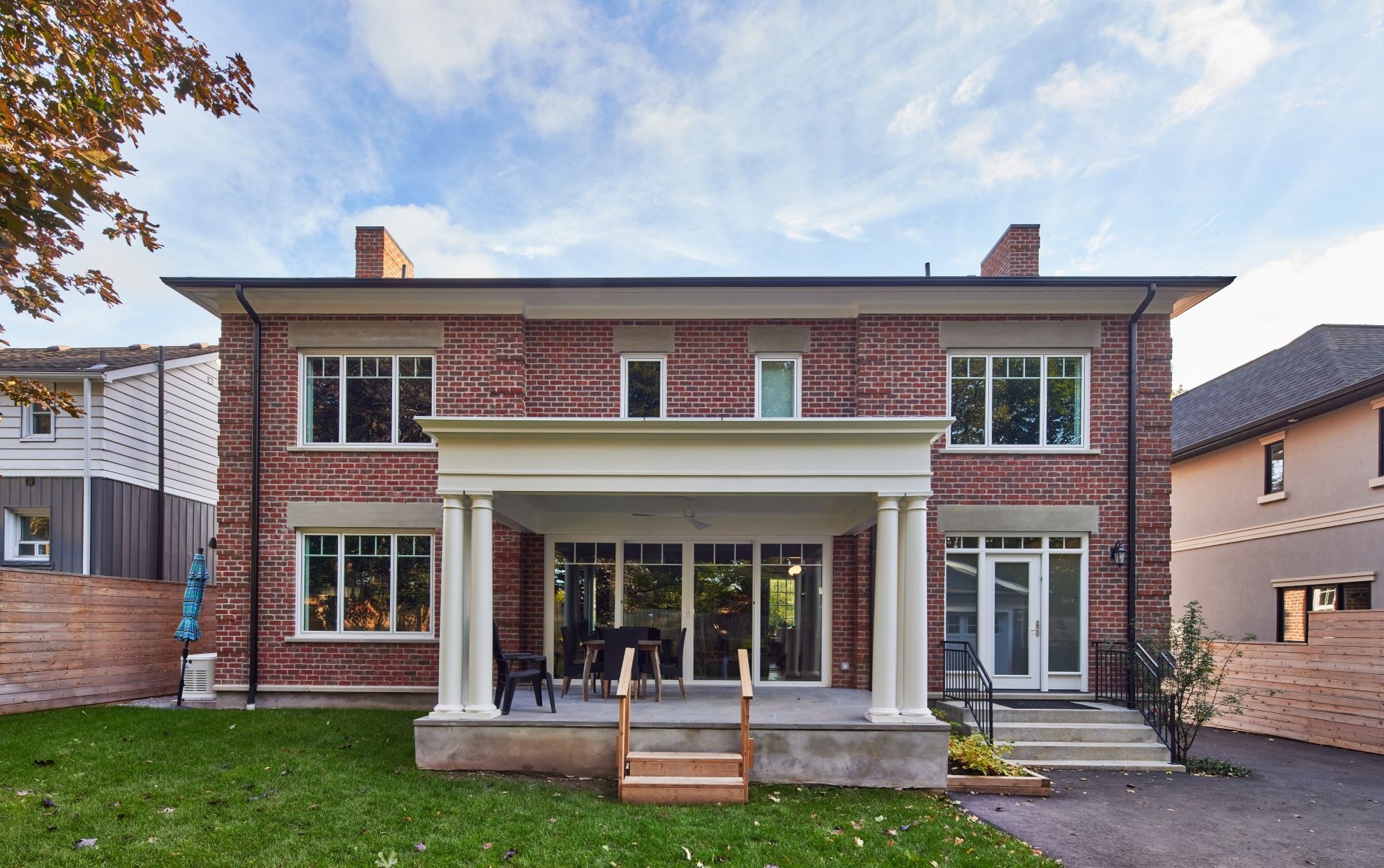
Exterior and site issues, particularly grading, roofing, and drainage problems, can be among the most expensive to fix. For instance, foundation repairs alone average $10,000-$30,000, and water damage from poor drainage can lead to mold remediation costs exceeding $15,000.
Therefore, walk the property perimeter in a consistent pattern (e.g., starting at the front door and moving clockwise around the house) and take notes at each section.
Lot Grading and Drainage
- Verify that the soil slopes away from the home foundation at a minimum of 5-6 inches grade over 10 feet.
- Check for pooling water or erosion patterns near the foundation after rain.
- Look for proper window well and stairwell drainage.
- Identify any areas where water flows toward the house that need to be fixed.
Exterior Walls
- Look for missing, cracked, or damaged bricks.
- Check the siding for warping, rot, holes, or missing sections.
- Look for peeling or blistering paint (usually a cause for underlying moisture).
- Note any bulging sections that could indicate structural movement.
- Examine the trim and fascia boards for rot or insect damage.
Gutters and Downspouts
- Confirm that the gutters are securely attached and do not sag.
- Check for rust-through, holes, or separated joints.
- Confirm that the downspouts discharge water at least 4-6 feet from foundation walls.
- Look for splash blocks or extensions that direct water away from the house.
- Note whether there are any missing gutter sections or clogged areas.
Driveways, Walkways, and Steps
- Check for trip hazards from heaving, cracking, or settled concrete.
- Check for spalling concrete (surface flaking from freeze-thaw cycles).
- Confirm that the railings on steps and porches are secure and that they meet height requirements.
- Inspect the stair treads for evenness and secure attachment.
Decks, Balconies, and Patios
- Test railings for stability; they should not wobble.
- Check for rotten joists, soft boards, or sagging sections.
- Confirm that there's adequate spacing between deck boards for drainage.
- Examine posts for ground contact and signs of rot.
Garage and Carport
- Check the garage door to confirm it operates smoothly and is properly balanced.
- Test the auto-opener safety reverse function (the door should reverse when meeting resistance).
- Inspect the roof for leaks and structural sagging.
- Check whether the door between the garage and the house is fire-rated and whether it has self-closing hinges where required by local code.
- Look for any broken glass in windows or door panels.
Yard and Landscaping
- Check if there are any trees with branches touching or overhanging the roof.
- Check for trees with roots that may be affecting the foundation or walkways.
- Look for signs of poor drainage, erosion, or standing water.
- Check that no bushes or vegetation directly contact exterior walls (this retains moisture and can harbor pests).
Roof, Attic, and Chimney Checklist

The roof protects everything beneath it. It goes without saying that its replacement or even repair is pretty expensive. Roof inspections should assess the age and condition of the shingles and check for missing pieces and sagging.
Most buyers won’t climb onto the roof themselves, and, of course, they shouldn’t for safety reasons. But you can observe from the ground with binoculars while your home inspector checks more closely, often using a ladder or a drone.
Roof Surface
- Note any missing, curling, cracked, or buckling shingles.
- Look for exposed nail heads or lifting edges.
- Check for moss, algae, or lichen growth (indicates moisture retention).
- Identify any sagging areas in the roof plane.
- Note patched sections or mismatched shingle colours indicating repairs.
Flashing and Penetrations
- Verify that the metal flashing is intact around chimneys, vents, and skylights.
- Check that the vent boots are sealed and not cracked.
- Look for obvious gaps, rust, or deterioration in flashing.
- Inspect roof valleys for proper overlap and sealing.
Attic Inspection
- Measure the insulation depth and note the type.
- Check for proper baffles at eaves maintaining airflow.
- Look for visible daylight through the roof deck (this indicates gaps or damage).
- Identify water stains, dark spots, or mold on the roof sheathing.
- Check for signs of previous leaks.
Attic Ventilation
- Verify that the soffit vents are clear and not blocked by insulation.
- Confirm that the ridge vents, roof vents, or gable vents are present and functional.
- Make sure no bathroom or dryer vents exit in the attic (they should exit to the exterior).
- Look for condensation or frost on the underside of the roof sheathing (this indicates inadequate ventilation).
Chimney
- Check for cracked bricks or deteriorated mortar joints.
- Look for leaning or tilting chimney stacks.
- Verify that the chimney cap is intact and properly installed.
- Note any rust streaks, which may indicate flashing problems.
Foundation, Basement, and Crawl Space Checklist
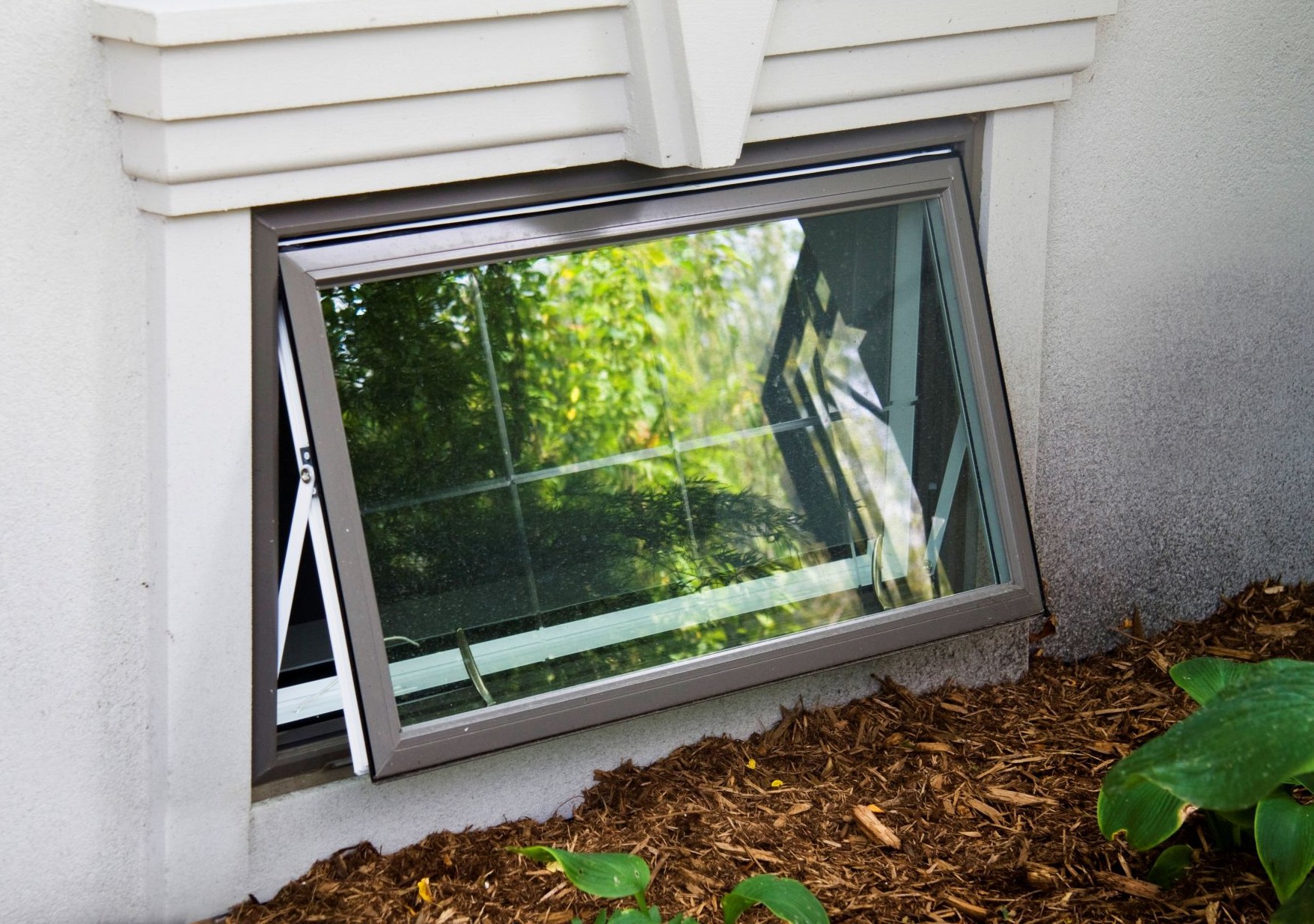
The foundation supports everything above it. Foundation checks should include visible cracks, bulging, and moisture signs in the basement. Problems here are among the most expensive to repair and can affect every other system in the house.
Foundation Types and Materials
Understanding what you’re looking at helps identify potential issues:
Signs of Movement or Settlement
- Look for horizontal cracks (which often indicate lateral pressure from soil).
- Identify stair-step cracks in block or brick foundations.
- Note vertical cracks wider than 3-4 mm (hairline cracks are often cosmetic).
- Check for bulging or bowing walls.
- Test doors above the foundation level; sticking or failed latching may indicate settlement.
Moisture Indicators
- Look for efflorescence (white powdery deposits on walls that might indicate water intrusion).
- Note any musty odours suggesting hidden moisture or mold.
- Check for rust on furnace legs, water heater bases, or metal shelving.
- Identify warped baseboards or delaminating floor finishes.
- Look for water spots or tide marks on walls.
Sump Pump and Drainage
- Verify if a sump pit is present where required.
- Test the sump pump by adding water to trigger operation.
- Confirm that the discharge line exits to the exterior, not to the sanitary sewer.
- Ask about battery backup systems, especially in areas prone to power outages.
Crawl Space Items
- Check for plastic vapour barrier over bare soil.
- Verify adequate ventilation.
- Look for proper insulation on rim joists.
- Confirm there's no standing water or evidence of flooding.
- Check for exposed wiring, HVAC issues, or pest activity.
Important: Significant foundation concerns often warrant a structural engineer’s opinion. Don’t rely solely on the general inspection for major structural questions.
Interior Structure, Walls, Ceilings, and Floors Checklist
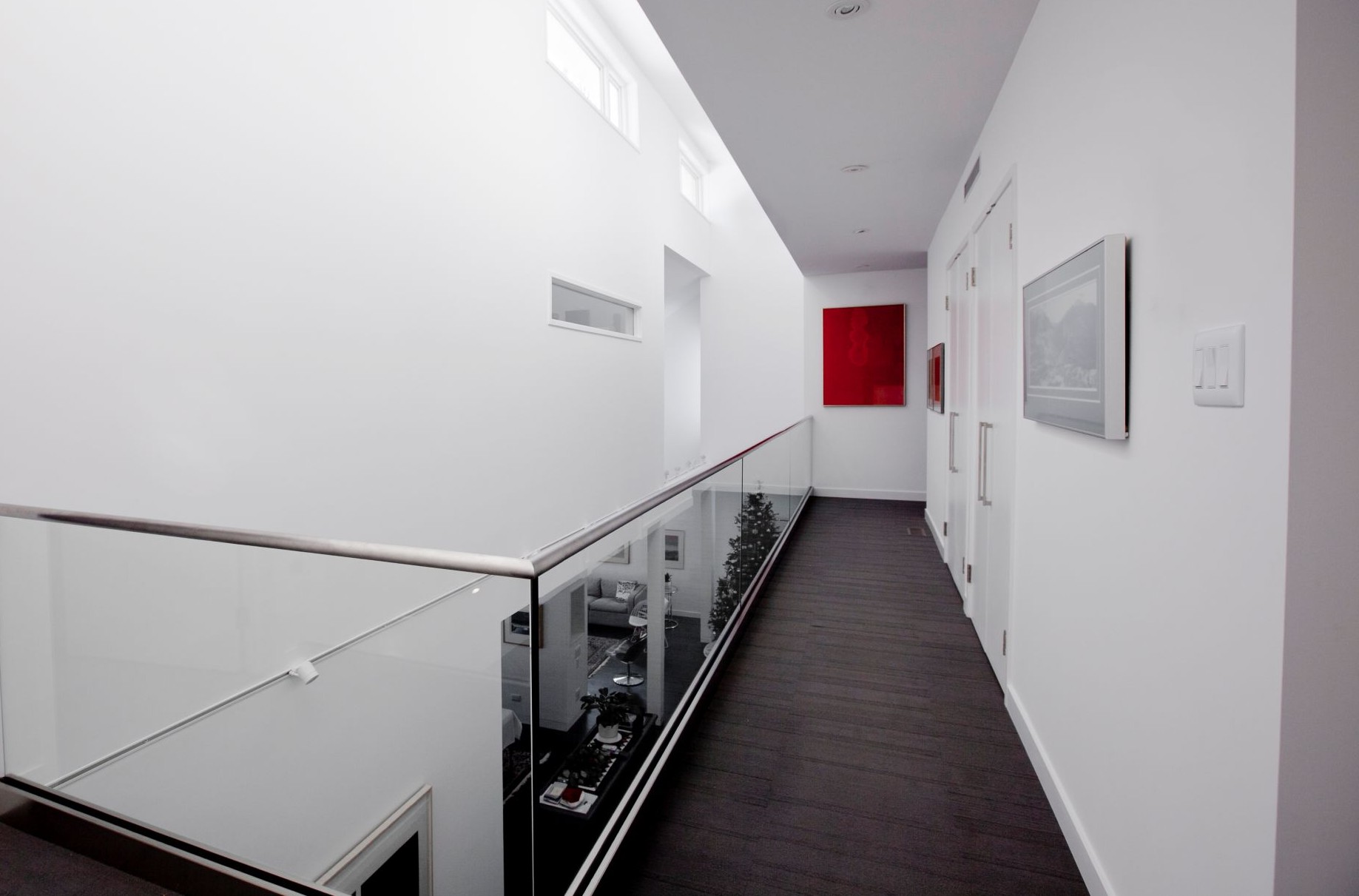
Interior finishes often reveal underlying structural or moisture problems that aren’t visible from the outside. Cracks, stains, and uneven surfaces can tell you a lot about what’s happening behind the walls and beneath the floors.
So, make sure to walk each room carefully and then inspect the ceilings and the floors.
Walls and Ceilings
- Note cracks wider than a hairline, especially diagonal cracks at the corners of door and window frames.
- Look for step-cracks that may indicate foundation movement.
- Identify water stains around light fixtures or ceiling edges.
- Check for evidence of previous patching, repainting, or texture changes.
- Look for bulging or soft spots in drywall.
Floors
- Test for noticeable slopes using a level or by observing a rolling ball.
- Identify bouncy or spongy areas, especially near plumbing fixtures.
- Check for cracked tiles, lifting laminate, or separated hardwood.
- Note gaps between floors and baseboards.
- Look for water damage near exterior doors and under windows.
Doors and Trim
- Test doors for smooth operation; sticking or rubbing may indicate settlement.
- Check if doors swing closed on their own (suggests floor slope).
- Verify that all doors latch properly.
- Look for trim separating from walls.
- Check for gaps around door frames.
Stairs and Railings
- Test handrails for secure attachment (no wobbling).
- Verify even riser heights; uneven risers are a trip hazard.
- Check for loose steps or squeaking that indicates structural issues.
- Confirm adequate lighting on all staircases.
Windows, Doors, and Interior Comfort Checklist
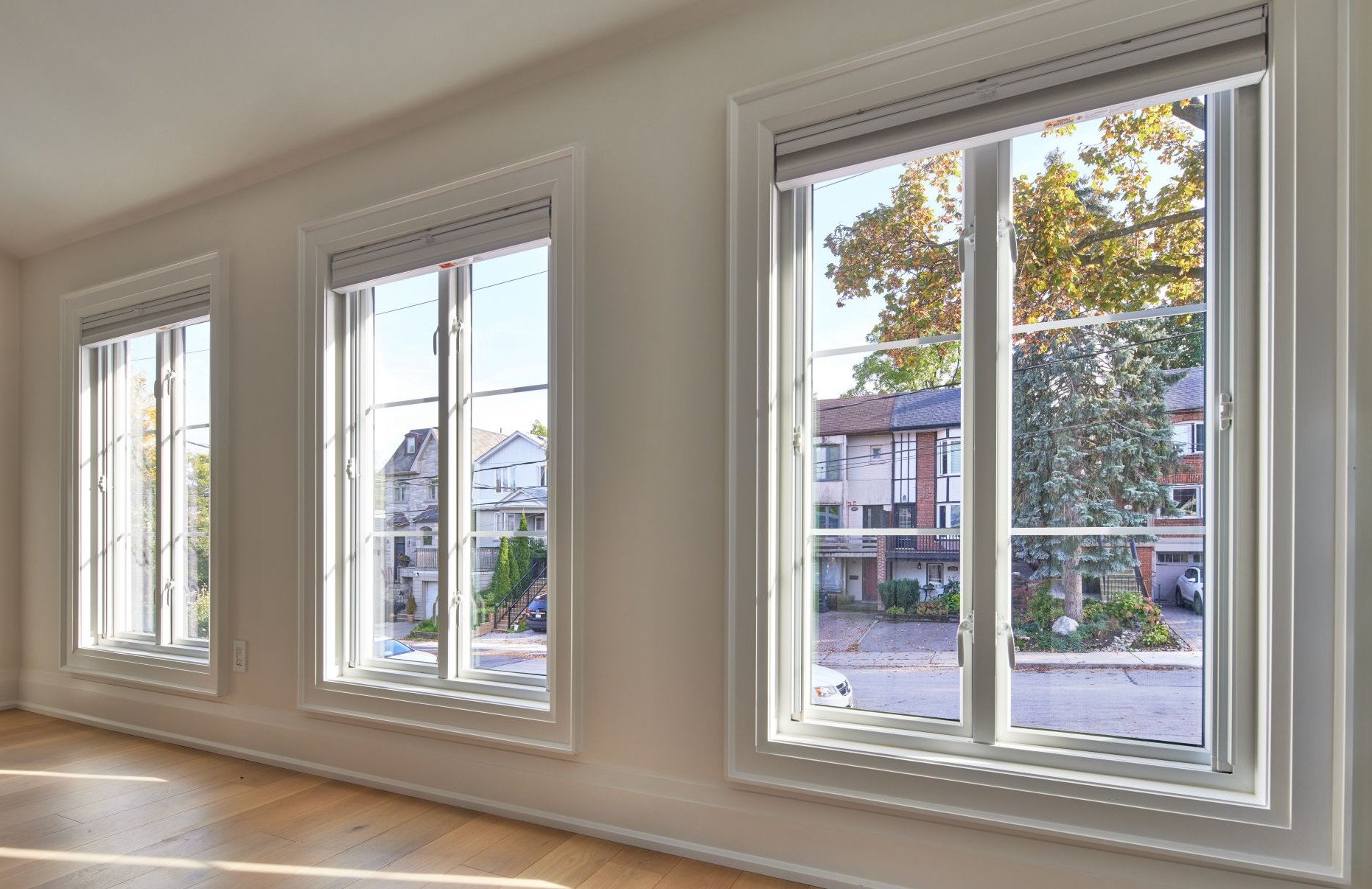
Many buyers treat window and door upgrades as a “later” project, especially when an inspection also flags bigger structural or safety issues like foundation problems, roof damage, or attic and insulation concerns.
In most cases, they’ll prioritize negotiating or budgeting for those higher-risk, higher-cost necessary repairs first, and plan for window and door upgrades after closing. Still, it's important to inspect them to get a better idea of how well they insulate.
If the windows and doors perform well and have been replaced relatively recently, they will likely continue to perform well for at least 5-10 more years with proper maintenance. If they are old or inefficient, you have two options: factor window replacement into your post-purchase budget or continue your search, focusing on homes with newer, energy-efficient windows and doors.
Window and Glass Door Checks
- Open and close several windows to test ease of operation.
- Look for broken seals (fogging or condensation between panes of double-glazed windows).
- Check for cracked or broken glass.
- Examine sills for rot, especially on wooden frames.
- Verify that caulking is intact around frames.
- Check for missing or torn screens.
- Check for sagging issues in casement windows.
- Check the crank’s/handle's smooth operation.
- Inspect the hardware.
- Check for warping and cracks in the frame.
Door Checks
- Inspect the weatherstripping condition on all exterior doors.
- Look for gaps that allow daylight (indicating air leakage).
- Test locks and deadbolts for smooth operation.
- Check for misaligned latches or strike plates.
- Verify thresholds are intact and working properly.
- Note any noticeable drafts near windows or exterior doors.
Energy Efficiency Clues
- Note whether windows are single, double, or triple-pane
- Ask about low-e coatings or argon gas filling
- Request documentation on any window or door upgrades
- Check for visible weatherstripping and proper caulking
When Window and Door Issues Affect Your Decision
A thorough home inspection often reveals that windows and doors are not the most urgent safety concern. But they are one of the most common and financially significant upgrades buyers must plan for.
If your door and window inspection identifies major issues such as:
- Failed window seals, drafts, or condensation between panes
- Rotting frames, deteriorated sills, or poor caulking
- Inefficient single-pane or older double-pane windows
- Exterior doors with air leakage, worn weatherstripping, or misalignment
...you typically have two decisions:
- Negotiate the purchase price or closing terms, or
- Proceed with the purchase and plan repair/replacement post-closing
How Magic Can Help
If you are buying a home in the Greater Toronto Area and windows and doors are flagged during your inspection, Magic can help you make an informed decision before you commit financially.
A free consultation with Magic allows you to:
- Understand whether replacement is immediately necessary or deferrable.
- Get a clear, itemized estimate for window and door replacement costs.
- Evaluate energy-efficiency improvements and long-term savings.
- Use accurate pricing to support negotiation with the seller, where appropriate.
So, if you’ve already completed your home inspection and are deciding whether to renegotiate the deal or simply want to budget accurately for upgrades after closing, request a free consultation with Magic to get a detailed quote for windows, glass doors, and front doors.
Plumbing System Checklist
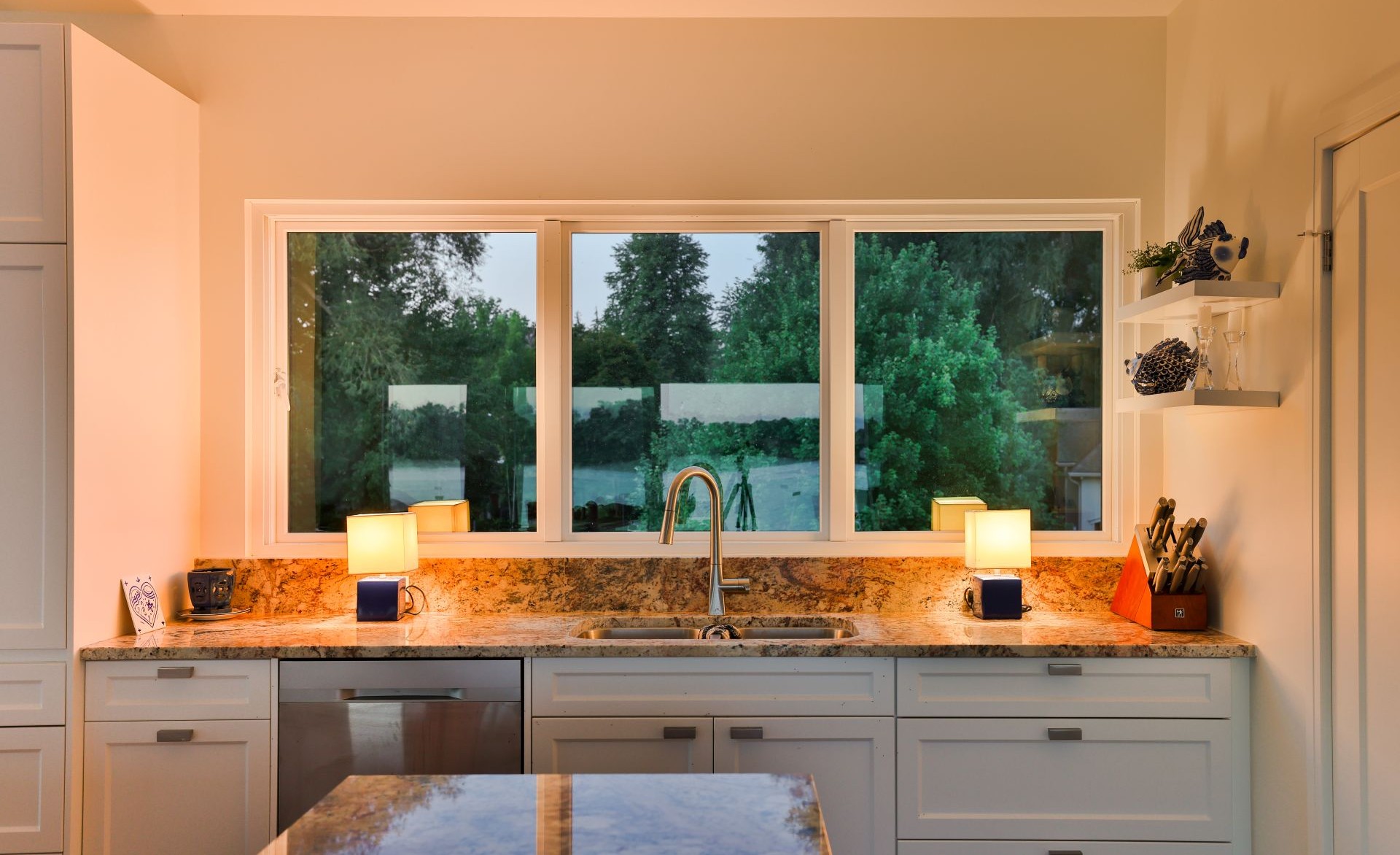
Plumbing issues affect daily life immediately: from low water pressure to leaking pipes hidden in walls. The average plumbing repair runs $300-$10,000, depending on severity. Therefore, plumbing assessments should evaluate water pressure and drainage in sinks and toilets, as well as check for issues with Kitec plumbing.
Drain and Waste Pipes
- Identify visible pipe materials.
- Note any rust, staining, or evidence of prior repairs.
- Look for sagging or bellied drain lines.
- Check for proper slope toward drain points.
Fixture Testing
- Run water in sinks, tubs, and showers for several minutes.
- Check under cabinets for leaks while water runs.
- Verify that the water pressure is adequate.
- Turn on multiple fixtures simultaneously to test the pressure drop.
- Flush toilets and confirm they fill and drain properly.
Water Heater Inspection
- Confirm the water heater's age.
- Note the capacity relative to household size.
- Check for visible rust, leaks, or corrosion.
- Verify a drainage pan is present where recommended.
- Look for proper venting on gas units.
Laundry Connections
- Check supply lines for corrosion or bulging hoses.
- Verify shut-off valves are accessible and functional.
- Look for makeshift repairs like tape or unapproved fittings.
- Confirm laundry machines have proper drainage.
Electrical System Checklist
Electrical issues cause approximately 51,000 home fires annually. Because of this, electrical safety is a top priority. Electrical inspections should check for outdated wiring types, such as knob-and-tube or aluminum wiring, and verify breaker panel labeling.
Here's what you should check:
- Check for adequate capacity.
- Ensure all cables are attached to the panel with cable connectors.
- Fuses and breakers should not be overheating.
- Look for rust, scorch marks, or melted plastic.
- Check that the visible wiring is in good condition.
- Ensure there's no "knob-and-tube" wiring.
- Confirm that all cables are secure and protected.
- Test electrical outlets in every room.
- Check for GFCI protection in kitchens, bathrooms, garages, exterior, and laundry rooms.
Heating, Cooling, and Ventilation (HVAC) Checklist
The HVAC system is another important part, as replacing it can be quite costly.
Keep in mind that the equipment that is still functional but is close to the end of its expected service life (15-20 years for furnaces, 12-15 years for air conditioning units) is a valid negotiation point even if it passes the basic operational test.
Furnace/Boiler Items
Air Conditioning Checks
- Inspect the outdoor condenser unit condition.
- Verify at least 2 feet of clear space around the unit.
- Look for bent fins or debris accumulation.
- Confirm the system starts and produces cool air when tested (in the appropriate season).
Distribution System
- Check visible ductwork for disconnected sections.
- Look for crushed flexible ducts.
- Note the condition of filters (dirty filters reduce efficiency and air quality).
- Identify rooms that are noticeably hotter or colder than others.
Ventilation Elements
- Test bathroom exhaust fans (should vent to the exterior, not the attic).
- Verify range hood function and exterior venting.
- Check for fresh-air intakes where required by code.
- Look for sufficient insulation in accessible ducts.
Kitchen, Bathrooms, and Appliances Checklist
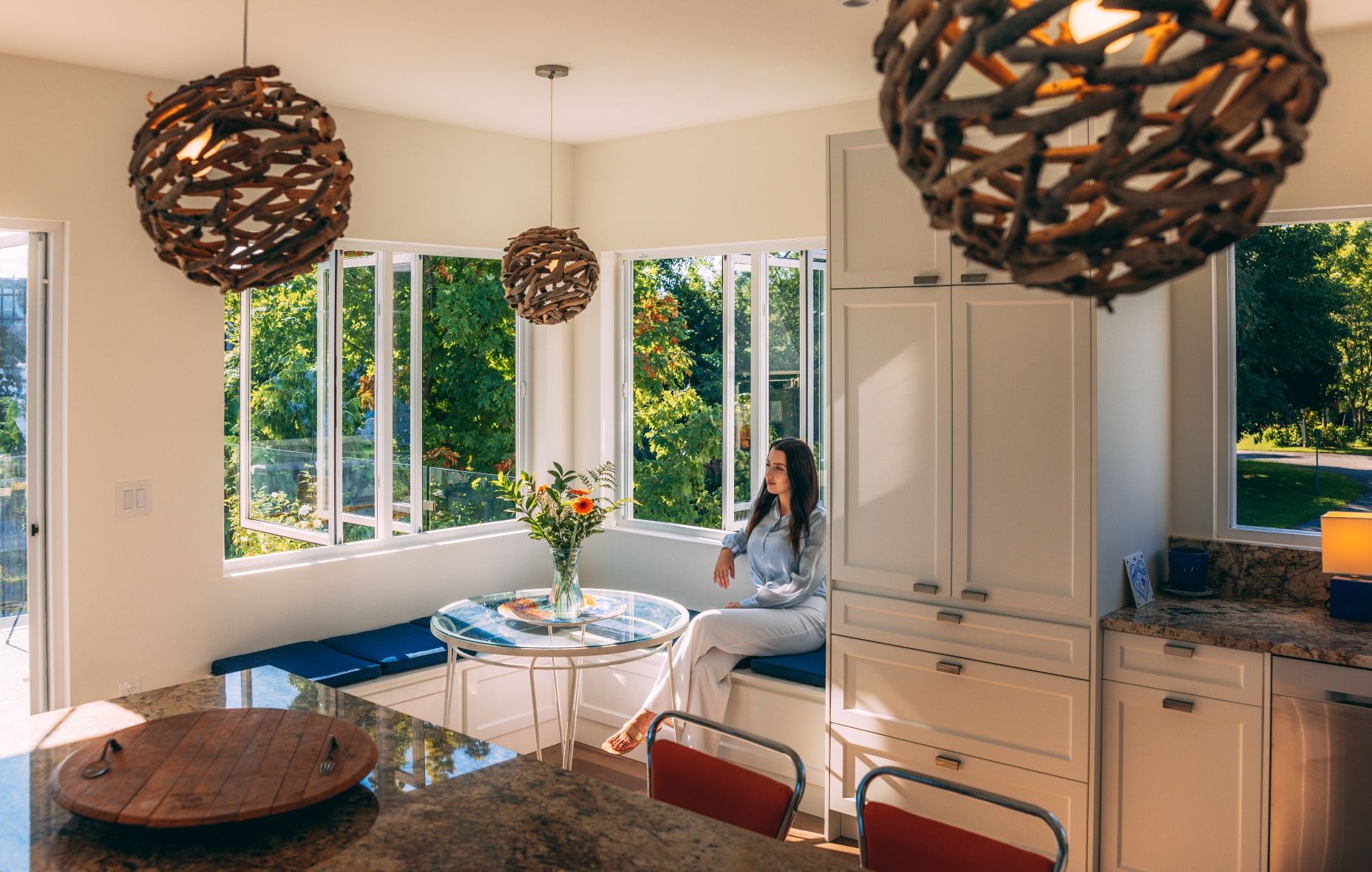
Kitchens and bathrooms combine plumbing, electrical systems, and finishes in high-moisture environments. On that account, they must be inspected thoroughly.
Kitchen Checks
- Open cabinet doors and check for water damage, warping, or mold.
- Examine countertop seams and edges for cracks or separation.
- Run the sink and check underneath for leaks.
- Verify caulking is intact at backsplash and sink edges.
- Confirm outlets are present within reach of the sink.
Appliance Testing
If appliances are included in the sale, verify how each operates:
- Stove/oven: Test burners and oven heating element
- Dishwasher: Run a short cycle and check for leaks
- Refrigerator: Verify cooling in both fridge and freezer compartments
- Built-in microwave: Test heating function
- Range hood: Confirm fan and light operation
- Laundry machines: Run the washer through a cycle, check the dryer heating
Bathroom Items
- Test toilet stability (shouldn’t rock when you sit).
- Flush toilets and confirm proper fill and drainage.
- Run sink and tub/shower drains to check flow speed.
- Inspect caulk and grout condition around tubs and showers.
- Verify if the exhaust fan operates properly (timed or humidity-sensing fans are preferred).
- Check cabinet undersides for moisture or mold.
Warning Signs of Hidden Leaks
- Soft or spongy flooring around tubs, showers, and toilets
- Stained ceilings below upper-floor bathrooms
- Swollen or delaminating baseboards near fixtures
- Musty odours in enclosed spaces
- Visible mold around caulk lines
Safety Features and Indoor Air Quality Checklist
Life-safety features are non-negotiable priorities in any inspection. Safety features in a home should include working smoke and carbon monoxide detectors on every level. These systems protect you and your family members from fire, carbon monoxide poisoning, and other hazards that can occur in any house.
Smoke Detectors
- Verify presence on every floor, including the basement.
- Confirm that the detectors are located near sleeping areas.
- Test each detector using the test button.
- Check their age; smoke detectors should be replaced every 10 years.
- Ensure interconnected operation.
Carbon Monoxide Detectors
- Verify placement near bedrooms.
- Confirm presence near fuel-burning appliances (furnace, water heater, fireplace).
- Check for detectors in areas connected to attached garages.
- Test operation and check expiration dates.
Fire Safety
- Verify if there’s a fire-rated door between the attached garage and the house.
- Confirm self-closing hinges on garage-to-house doors.
- Check that the garage drywall is intact without holes or gaps.
- Look for proper fire-stopping around pipe and wire penetrations.
Indoor Air Quality Concerns
- Note any musty odours suggesting hidden mold.
- Look for visible mold growth on walls, ceilings, or around windows.
- Check bathroom and kitchen ventilation adequacy.
- Identify potential asbestos-containing materials in older homes in Toronto, which often contain asbestos in insulation and floor tiles.
- Note any lead paint concerns in older homes.
How to Choose a Home Inspector
While you can do an initial home inspection yourself to identify obvious issues, it is strongly recommended to hire a qualified home inspector, as they can conduct a more thorough home inspection process.
Ultimately, the quality of your inspection depends entirely on the qualifications and experience of the inspector. If you do not have any experience in conducting a home inspection, you might miss some defects that could be far more expensive than the home inspection cost.
Plus, home inspectors have all the necessary home inspection tools, such as a GFCI tester, a high-powered flashlight, a moisture meter, and a camera for documentation. They systematically inspect from the outside into the house, following a structured path to avoid overlooking anything.
What to look for in a reputable inspector:
- Look for professional home inspectors with a license.
- Ensure they carry errors and omissions insurance, protecting both you and them if something is missed.
- Request a sample report before hiring to see the level of detail and clarity you can expect.
- Ask for 2-3 recent client references and actually call them.
- Check Google reviews and the provincial association’s directory for feedback from past clients.
- Avoid inspectors recommended solely by the seller or the seller’s agent. Ask for recommendations from your real estate agent or independent sources.
After the Inspection: Reports, Negotiation, and Next Step
The written inspection report usually arrives within 24-48 hours of the inspection and becomes your key negotiation tool. You can usually negotiate with the seller over the final price based on the findings from a home inspection report. If major issues are found during the home inspection, you can also request that the seller make repairs before finalizing the sale.
Prioritizing Issues
Buyers should first focus on negotiating repairs for major issues related to safety and structural integrity rather than minor cosmetic issues.
FAQs
What is the biggest red flag in a home inspection?
The biggest red flag in a home inspection is significant structural damage, such as foundation cracks, shifting, or water intrusion, because the repair costs can be quite high. These issues may also indicate long-term neglect and underlying problems that can affect the home's safety and value.
What should be included in the inspection checklist?
An inspection checklist should include the foundation, roof, exterior, plumbing, electrical systems, HVAC, insulation, and interior components. It should also cover safety concerns, such as moisture intrusion, ventilation, and fire hazards.
What does a home inspection include in Canada?
A home inspection in Canada typically includes a visual review of the structure, roof, exterior, plumbing, electrical systems, heating systems, and insulation. Inspectors also consider climate-specific factors such as moisture control, grading, and potential ice damming.
What is the most common issue to arise in a home inspection?
The most common issues that arise in a home inspection are water-related problems, including roof leaks, poor drainage, and basement moisture. Minor electrical deficiencies and general wear and tear are also frequently identified.
What things do home inspectors check for?
Home inspectors check the condition and functionality of major systems, such as structural components, roofing, plumbing, electrical, and heating. They also look for safety hazards, code-related concerns, and signs of moisture, pests, or deterioration.