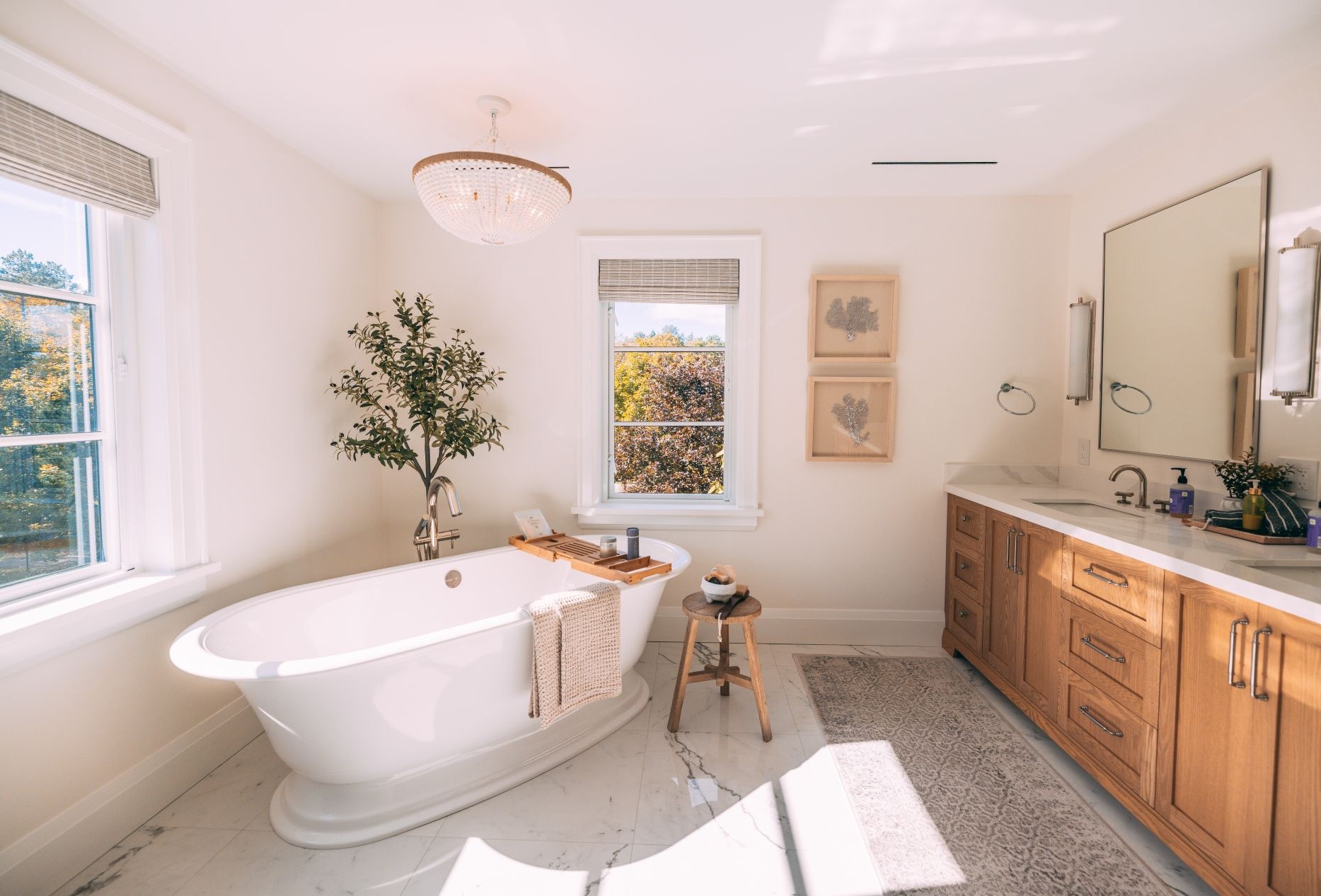
Energy Efficient Windows
South-Facing Windows: Light, Heat and Energy Efficiency Explained
South-facing windows can bring plenty of natural light into a room and may help capture solar heat during Ontario's cold winter months. Nevertheless, south-facing windows can lead to excessive heat and glare in summer, particularly if the home has large areas of south-facing glass.
If you live in Southern Ontario, for example, and want to install south-facing windows, you must look beyond appearance. Focus on glazing technology, Low-E coatings, energy ratings like U-factor and Solar Heat Gain Coefficient (SHGC), window size, and exterior shading.
In this guide, we'll explain how the sun's path interacts with south-facing windows, the advantages and disadvantages of windows installed on south-facing walls, and how their performance changes throughout the year.
What Are South-Facing Windows?
South-facing windows are installed on a wall that faces south. The exact amount of sunlight a south-facing window receives depends on season, latitude, surrounding buildings and trees, window size, and shading.
For homeowners in Southern Ontario, south-facing windows are particularly interesting from an energy-efficiency standpoint because they can receive substantial direct sunlight while the winter sun is lower in the sky. While that sunlight can provide passive solar heat, it can also contribute to overheating during the warmer months.
Here's an example: a south-facing living room in Ottawa can feel roughly 3-6°C warmer on sunny winter days compared to a room with windows facing north or one without direct solar exposure. On that account, south-facing windows can reduce heating costs in winter because you won't have to rely on radiators or furnaces as much. However, those same windows may need blinds, low-E coatings, or exterior shading in July and August.
How Much Sun Do South-Facing Windows Get in Ontario?
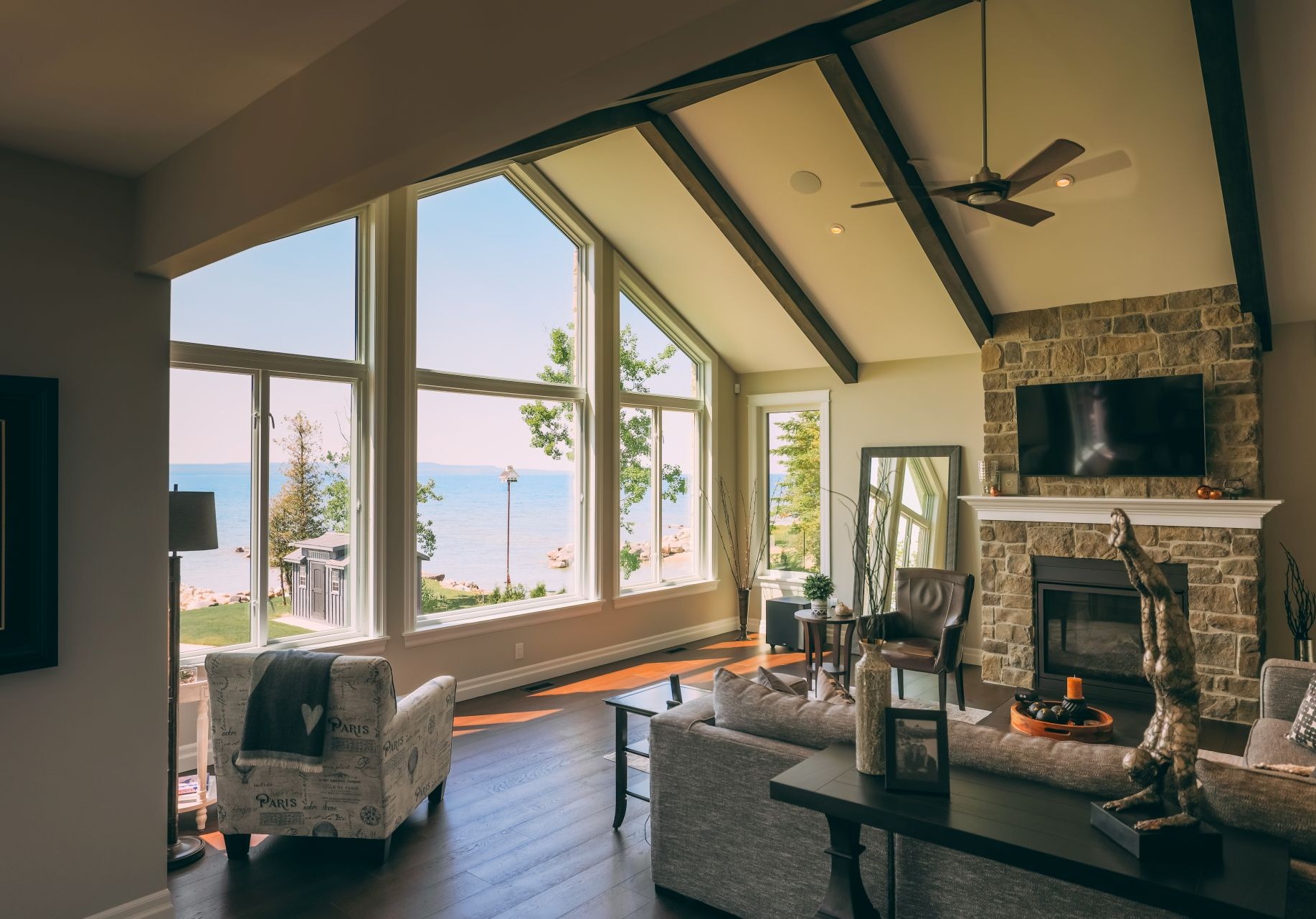
South-facing windows generally receive significant direct sun, but the exact amount actually varies by season.
The sun follows an east-to-south-to-west arc across the sky in the Northern Hemisphere. At solar noon, it sits due south. This means that south-facing glass sees the sun for the longest stretch of the day, particularly around midday, while east-facing windows and west-facing windows only catch it for a few hours each.
South-Facing Windows in Winter
During the winter, the sun rises in the southeast, follows a low arc across the southern sky, and sets in the southwest. Because of the low angle, south-facing rooms get direct sunlight that allows for passive solar heating. In fact, many passive solar buildings typically have several south-facing windows to take advantage of the sun's heat energy during the winter.
South-Facing Windows in Summer
During the summer, the sun rises in the northeast, peaks in the southern sky, and sets in the northwest. The high summer sun passes largely overhead, so south-facing windows capture the most sunlight throughout the day, which is not desirable in summer if you live in Southern Ontario, for example. The risk of glare is also higher.
This means you'll need Low-E glass, a properly designed roof overhang, or window treatments that reduce solar heat gain. In this regard, it's particularly important to pay attention to a window's Solar Heat Gain Coefficient - for south-facing windows, you'd want lower SHGC values, especially for large windows.
Does a South-Facing Window Get Sun All Day?
No, a south-facing window doesn't necessarily get sun all day.
A south-facing window can receive direct sunlight for substantial portions of the day, but the exact exposure depends on the season, the window's precise orientation, and anything blocking the sun, like neighbouring buildings, trees, or other structures.
If the window faces slightly southeast or southwest, it will have a somewhat different pattern of sunlight compared to one that faces south directly.
Pros and Cons of South-Facing Windows
Benefits of South-Facing Windows for Ontario Homes
More Natural Light
One of the biggest advantages of south-facing windows is the amount of daylight they can provide.
A well-positioned south-facing window can make living rooms, kitchens, dining areas, and other frequently used spaces feel brighter and more open. More daylight can also reduce the need to turn on artificial lighting during the day.
Passive Solar Heat in Winter
South-facing windows can take advantage of the sun's energy during Ontario's heating season.
When sunlight passes through the glass, some of that solar energy is absorbed by surfaces inside the home and converted into heat. With the right window and building design, this can help offset some heating demand.
That said, it doesn't mean that any south-facing window will lower your heating bill. It depends on window performance, glass area, insulation, air leakage, and the home's heating system.
Drawbacks of South-Facing Windows
Summer Heat Gain
The biggest disadvantage of south-facing windows is excessive solar heat gain during the summer.
When direct sunlight enters a room, the energy absorbed by floors, walls, and furniture can raise indoor temperatures. This can also increase cooling costs.
To reduce this risk, the window must be equipped with Low-E coatings, exterior shading, or window treatments. When choosing south-facing windows, pay attention to their SHGC. A lower SHGC allows less solar heat to pass through the window, while a higher SHGC allows more solar heat into the home.
Glare
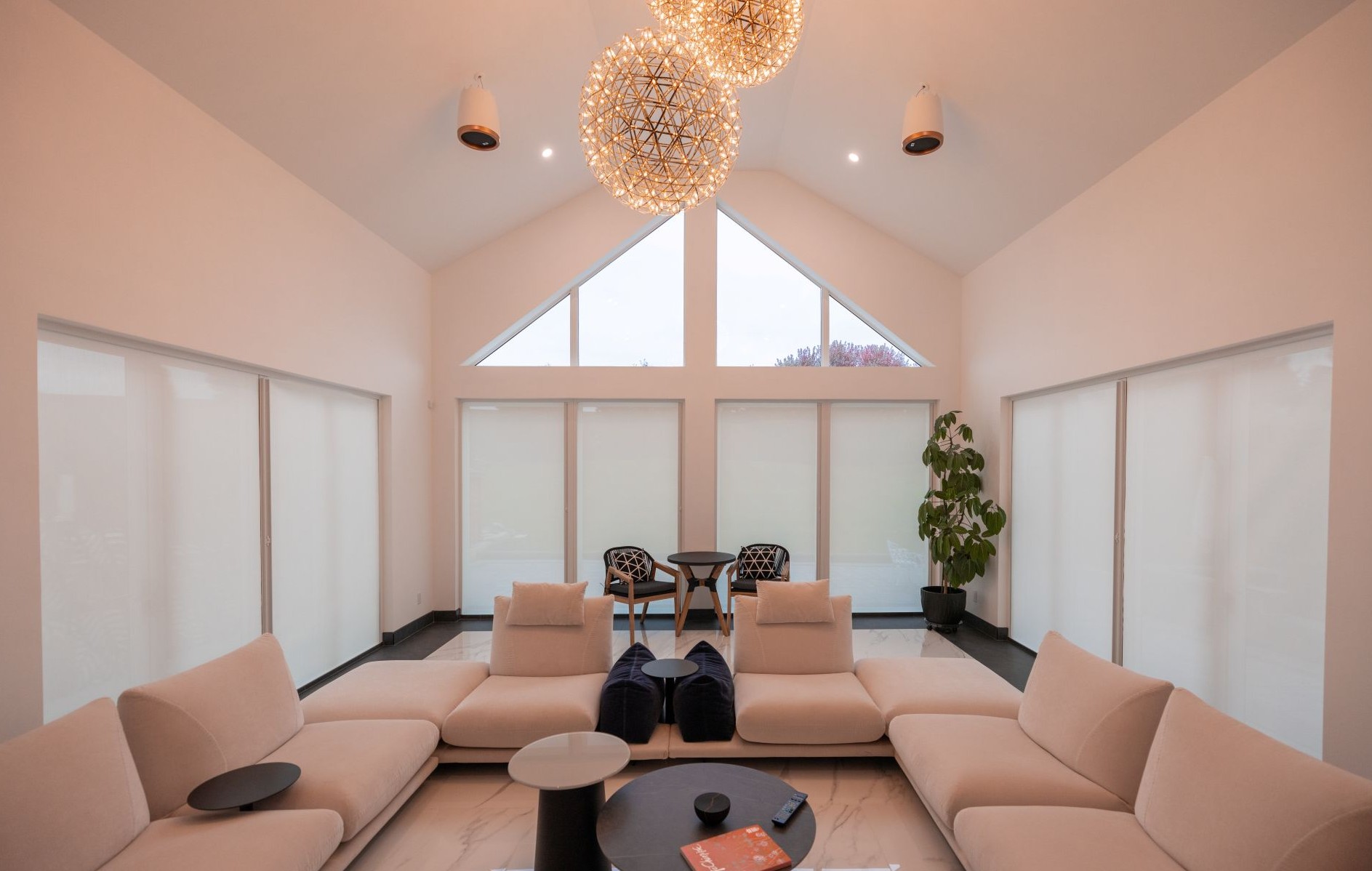
Strong direct sunlight can make it difficult to comfortably watch the TV, work on a computer, or simply relax, because the room feels too bright.
To reduce glare coming from south-facing windows, you can install solar shades.
Fading of Floors, Furniture, and Decor
Long-term exposure to sunlight can contribute to fading of flooring, furniture, artwork, and other interior elements.
Low-E glass can reduce this risk, as it blocks UV light.
What Are the Best Windows for South-Facing Rooms?
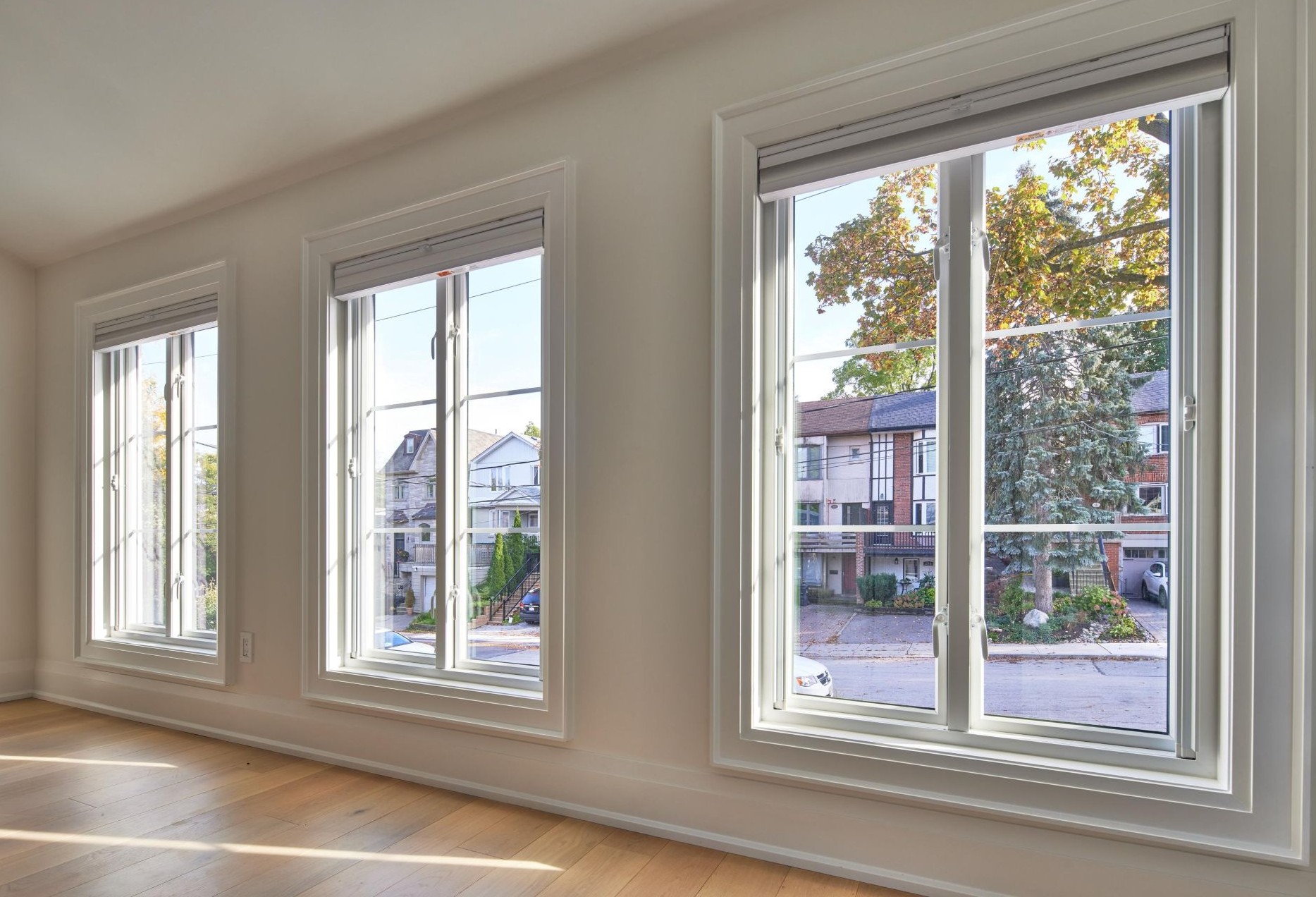
Choose windows for south-facing rooms based on the home's design, the amount of glass, shading possibilities, and your priorities.
For Southern Ontario homes, pay particular attention to the window's U-factor, SHGC, glazing, and Low-E coatings.
Energy-Efficient Windows Facing the South
A window's energy performance depends on the complete assembly, including the glass, frame, spacers, and seals.
Two of the most important energy ratings to understand in this context are U-factor and SHGC.
U-factor indicates the rate at which heat moves through a window. A lower U-factor means the window provides greater resistance to heat transfer.
SHGC (Solar Heat Gain Coefficient) indicates how much solar heat a window allows to enter the home. A lower SHGC means the window admits less heat from sunlight.
Double- vs Triple-Pane Windows
Both double- and triple-pane glass can be energy-efficient. Triple-glazing provides greater insulation, but it's not always the best choice. For Southern Ontario, double-pane glass is usually enough, for example.
Nonetheless, don't consider just the number of panes. A high-quality double-pane window with an effective Low-E coating and energy-efficient frame can outperform a poorly designed or incorrectly installed triple-pane window.
Low-E Glass
Low-emissivity, or Low-E, glass uses a special coating that improves the glazing's thermal performance.
You can add Low-E coatings to different glass surfaces within an Insulated Glass Unit. The configuration must be chosen based on how much sunlight the room receives, whether overheating is already a problem, the home's insulation, and the amount of exterior shading.
Window Frames and Other Components
The frame, sash, spacers, and seals influence heat transfer and air leakage. A well-designed window therefore needs to be evaluated as a complete system.
Vinyl frames, for example, expand and contract with temperature fluctuations, which can affect the window's long-term thermal performance.
How to Reduce Heat from South-Facing Windows?
If a south-facing room gets too hot, replacing the entire window is not always the only solution.
Choose the Right Low-E Coating
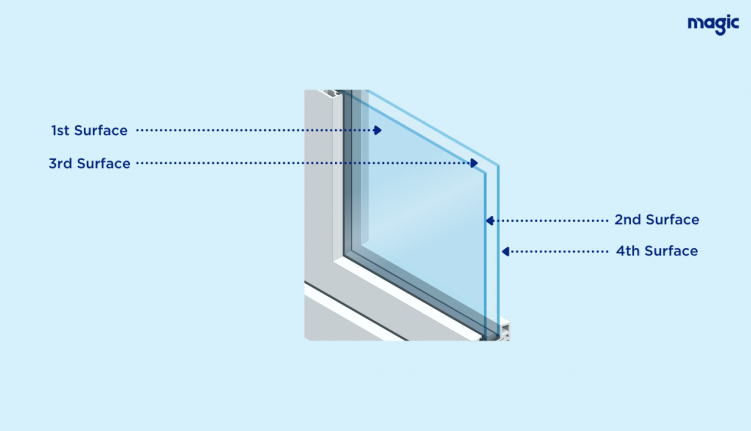
There are different types of low-E coatings:
- Passive Low-E coatings: recommended for colder climates with long heating seasons. They are placed on surface 3 and/or 4 of an Insulated Glass Unit.
- Solar Control Low-E coatings: recommended for warm, sunny climates with long cooling seasons. They are installed on surface 2 of an Insulated Glass Unit.
The final configuration should be established by the window manufacturer based on your window's direction, your region's climate, and your home's overall insulation.
Add Exterior Shading
Exterior shading can be particularly useful in reducing the amount of heat that passes through south-facing windows. It blocks sunlight before it reaches the glass. Here are some options you may want to consider:
- Overhangs
- Awnings
- Exterior shades
- Strategically positioned landscaping
Choose a solution based on the architecture of the home and the seasonal sun angle.
Use Interior Shades or Blinds
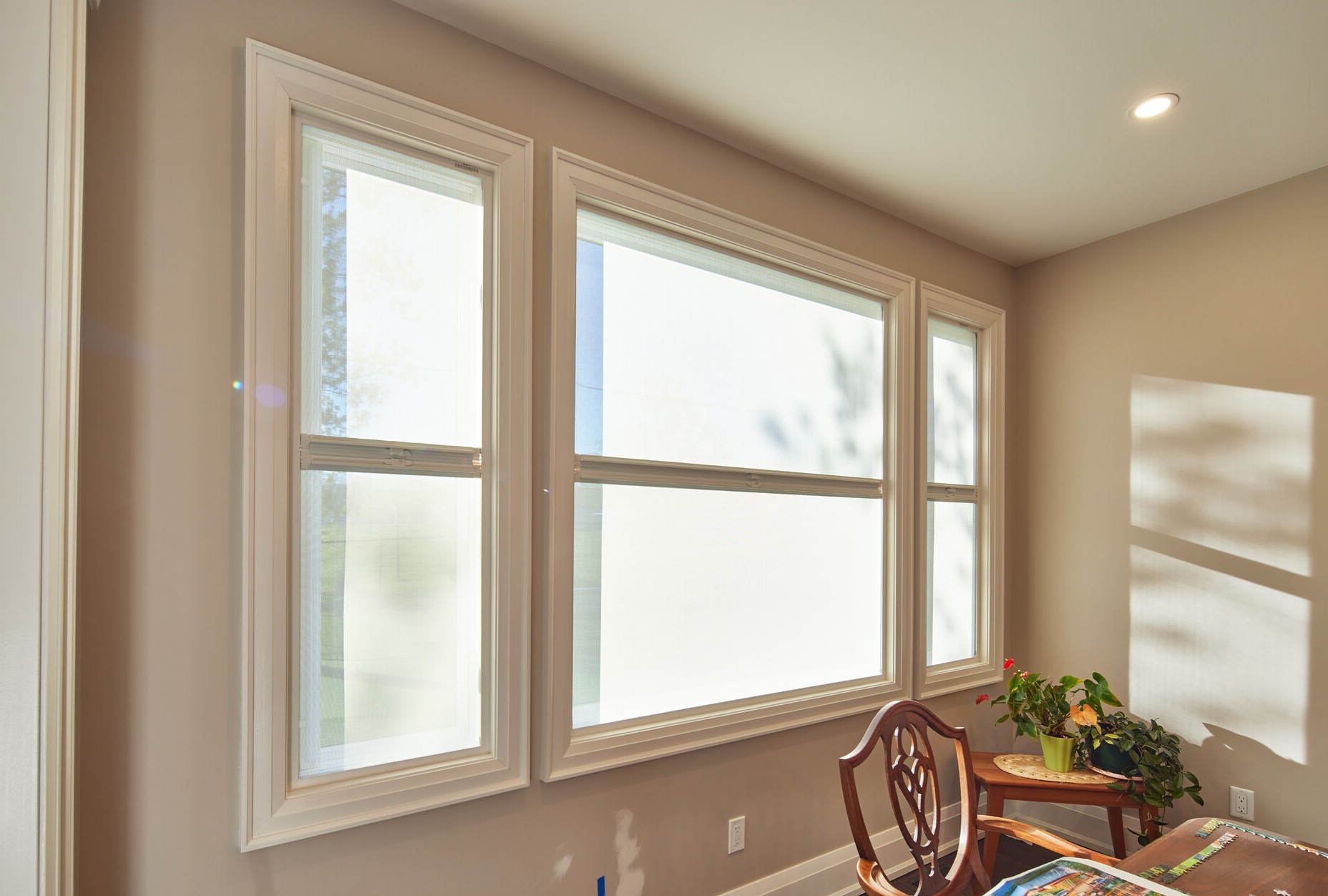
Interior shades, blinds, and curtains can help reduce glare and manage the amount of sunlight entering the room.
However, interior treatments generally intercept solar energy after sunlight has already passed through the glass, so they may be less effective at preventing heat gain than exterior shading.
Plant Deciduous Trees Strategically
Deciduous trees can provide summer shade while allowing more sunlight through after their leaves fall.
The key is placement. Plant the trees so they can provide shade. At the same time, make sure they don't cause unwanted obstruction, maintenance issues, or damage to the home.
Improve Overall Home Ventilation and Cooling
Window performance is only one part of summer comfort.
Ventilation, insulation, air sealing, HVAC performance, and shading can all affect how a room responds to solar gain.
Best Window Treatments for South-Facing Windows
South-Facing Windows vs Other Window Orientations
How to Choose South-Facing Windows for Your Home
Before replacing a south-facing window:
- Determine the exact orientation. A window facing southeast or southwest will behave differently from one facing due south.
- Assess the amount of direct sunlight. Trees, neighbouring homes, and other structures can significantly change exposure.
- Consider the window size. Large areas of glass can create more solar gain.
- Compare U-factor. A lower U-factor means less heat transfer through the window.
- Compare SHGC. A lower SHGC allows less solar heat into the home, but the ideal value depends on the house and its shading.
- Look at Low-E options. Different Low-E coatings provide different combinations of insulation and solar control.
- Consider double or triple glazing. Triple glazing can provide stronger insulation, but the entire assembly should be evaluated.
- Think about shading. Exterior overhangs, awnings, shades, and landscaping can reduce unwanted solar heat.
- Consider glare and fading. A comfortable room needs more than good thermal performance.
- Evaluate installation quality. Even a high-performance window can underperform if it isn't properly installed.
Best Room Uses for South-Facing Windows
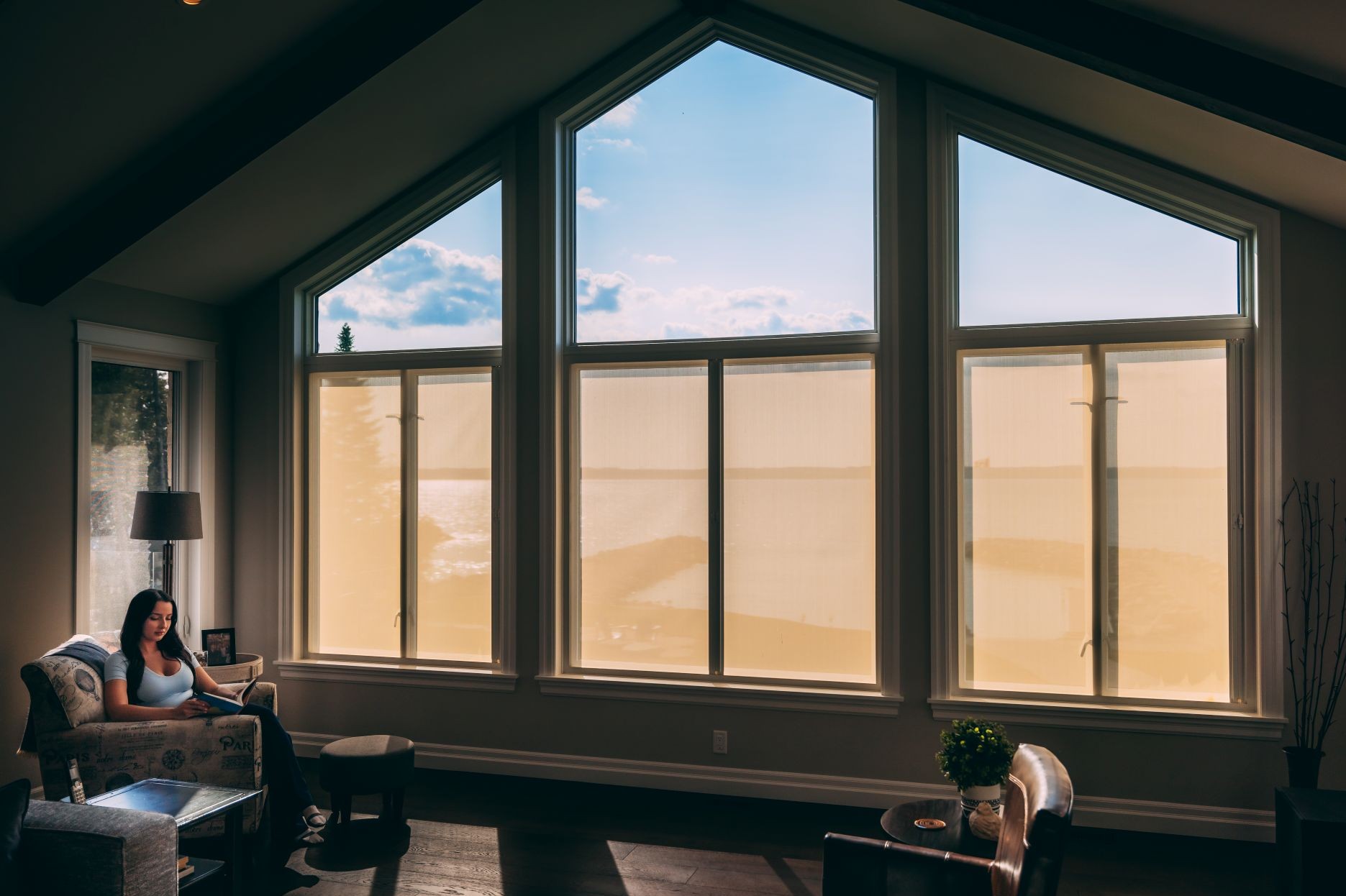
High-value living spaces benefit most from southern exposure because they're used during daylight hours when solar gain and natural light are at their peak.
- Living rooms: the classic south-facing room. Abundant natural light enhances indoor plant growth on sills, brightens the space, and delivers passive solar heating through winter.
- Open-plan kitchens and dining areas: south-facing rooms used for cooking and eating benefit from all-day brightness. The changing direct light adds energy and warmth to meal preparation and gatherings.
- Playrooms and family rooms: children benefit from bright, naturally lit interior spaces. The warm light and shifting sun patches create a room naturally suited to activity.
- Home offices: excellent for daytime natural light, but position desks strategically to avoid glare on screens. Use adjustable blinds to manage heat and brightness caused by the afternoon sun.
- Bedrooms: south-facing bedrooms are desirable in cold climates for people who enjoy warm, bright mornings. In hot summers, they may need extra cooling strategies: ceiling fans, blackout shades, and cross-ventilation to keep night-time temperatures comfortable.
- Indoor plants and herb gardens: south sills provide the best sun exposure for houseplants, especially in late autumn and winter when north windows are too dim. Succulents, cacti, and Mediterranean herbs like rosemary and thyme thrive in this position.
Looking for Replacement Windows?
If you're looking for replacement windows, whether they're south-facing, north-facing, east-facing, or west-facing, Magic can help you choose the best ones tailored 100% to your home.
Book a free consultation with Magic, and one of our experts will assess your region's climate, your windows' orientation, and your design needs to find the best windows with energy-efficient glass and a suitable design!
FAQs
Do south-facing windows always cause overheating?
No, south-facing windows don't always cause overheating. Overheating depends on window size, glazing type, shading, insulation, and climate. A well-shaded south window with appropriate low-E coatings in a temperate climate performs quite well. Problems appear when large unshaded glass areas face south without any mitigation strategy.
Can south-facing windows reduce my heating bills?
Yes, south-facing windows can reduce heating energy bills, especially in colder climates. South-facing windows can reduce heating costs in winter because they admit free passive solar gain during daylight hours. The extent of savings depends on window performance, how much heat you retain overnight, and whether you use thermal curtains or blinds to slow heat loss after sunset.
Are north-facing or south-facing windows better for bedrooms?
In cool climates, south-facing bedrooms offer warm, bright mornings and contribute to winter warmth. In hot climates, north-facing rooms stay at cooler temperatures and are often more comfortable for sleeping. The right answer depends on your priorities and whether you can add blackout shades or fans for summer.
Are south-facing windows hotter?
South-facing windows can be hotter because they may allow significant solar heat into a room, particularly if they're large or have a relatively high SHGC and limited shading.
Should south-facing windows have low-E glass?
Yes, south-facing windows should have low-E glass, as it improves thermal performance. However, there are different Low-E glass configurations, and the best one should be chosen based on the home's orientation, climate, solar exposure, and cooling requirements.
How do you stop south-facing windows from getting too hot?
Use exterior shading, interior shades, and strategic landscaping to stop south-facing windows from getting too hot.
Why are south-facing windows good?
South-facing windows are good because they typically provide plenty of natural light and can capture useful solar heat during the winter. In Southern Ontario, this exposure can help brighten rooms and contribute to a passive solar design, although large south-facing windows may also increase heat and glare in summer.
When do south-facing windows get sunlight?
South-facing windows generally receive their strongest direct sunlight around the middle of the day, although the exact timing and amount of sunlight change with the season and the window's precise orientation. In winter, the lower sun angle can allow sunlight to penetrate farther into a room, while summer sunlight is higher in the sky and can contribute to greater heat gain.
What plants like south-facing windows?
Plants that prefer bright, direct light tend to do well in south-facing windows, including succulents, cacti, aloe vera, jade plants, and some herbs. However, intense summer sunlight through glass can be too strong for some plants, so sensitive varieties may need to be moved slightly away from the window or protected with a sheer curtain.
Are south-facing windows good for plants?
Yes, south-facing windows are generally one of the best locations for plants that need plenty of bright, direct light. They can provide several hours of strong natural light, but the intensity can vary by season, window glazing, and shading, so plants that prefer indirect light may do better farther from the glass.
How to tell which window is south-facing?
You can tell which window is south-facing by determining which direction the window points. The easiest method is to stand facing the window and use a compass app on your phone to check whether you are facing approximately 180° (south); you can also use a physical compass or check the orientation of your home on a map.