Front Doors
What Is a Door Jamb? A Comprehensive Guide
You might be reading this because your door doesn't close quite right. Or maybe you're planning a home renovation and have come across the term door jamb for the first time.
So, what is a door jamb? In short, it is the part of the door that keeps it aligned and insulated. To learn more about its importance, keep reading!
Key Takeaways
- The door jamb is the vertical part of the frame, installed on both sides of the door slab. It keeps your door in place, supports the hinges, and ensures a proper fit from top to floor. The horizontal piece above the door is also a door jamb, often called the head jamb.
- The door jamb is different from the door frame and casing. The jamb is part of the frame, which supports the entire door system, while the casing is installed only for decorative purposes.
- Choosing the right jamb size and material makes installation easier, improves insulation, and allows for easy cleaning and long-lasting performance.
What Is the Jamb of a Door?

The door jamb is part of the door frame. It is the vertical portion of the door frame, on both sides of the door. The door is secured to the door jamb because the hinges are attached to it. The door jamb on the opposite side, often called the strike jamb or the latch-side jamb, houses the door latch. The horizontal piece above the door is also referred to as a door jamb, often called the head jamb.
The door jamb plays an important role in anchoring the door and providing structural support. It also helps maintain the door perfectly vertical, so it closes and opens smoothly. Furthermore, the jambs are critical for other door functions like security and energy efficiency. In other words, even the most beautifully crafted new door would be useless without a properly installed door jamb.
Some doors are pre-hung, which means that the door slab is already attached to the jambs. The slabs for other doors come separately and need to be attached to the jambs during the installation process.
What Is a Jamb Extension?
A jamb extension is a door part that extends the window jamb to fill the gap between the frame and the interior wall. It is often used in windows and doors with deeper recesses to provide a finished look for the edge where the frame meets the drywall.
Jamb extensions are typically added only after the door system is installed. They are made from wood, vinyl, MDF, or composite materials.
Door Jamb vs. Door Frame
While the terms door jamb and door frame are often used interchangeably, they do not designate the same door parts. The door jamb is part of the door frame, and consists of the hinge jamb, the latch jamb, and the head jamb. The door frame, on the other hand, includes all the parts that make up the structure around the door that ensure a proper fit and insulation, including:
- Door jambs
- Sill
- Mullions
- Threshold
- Door stop moulding
While the door jambs house the door hardware (the hinges and locking mechanism) and play a role in the door's alignment and integrity, the door frame supports the entire door system and connects it to the surrounding wall opening.
Door Jamb vs Door Casing
The difference between a door jamb and door casing is that the jamb is a structural part of the door frame, while the casing is the decorative trim that surrounds the window.
Furthermore, the door jamb is installed within the door recess to provide support and properly align the door slab, while the window casing covers the joint between the door frame and the wall.
Types of Door Jambs
There are two main types of door jambs:
- Interior door jambs, which are designed for durability and energy efficiency and typically have a smaller profile
- Exterior door jambs, which are designed primarily for aesthetics and are typically sold in kits with a sill/threshold piece at the bottom to completely seal the door against wind, rain, and drafts
Furthermore, there are also:
- Split jambs, which come in two pieces that fit together; these are quite easy to install
- Solid jambs, which come in a solid piece that is more sturdy
Materials Used for Door Jambs
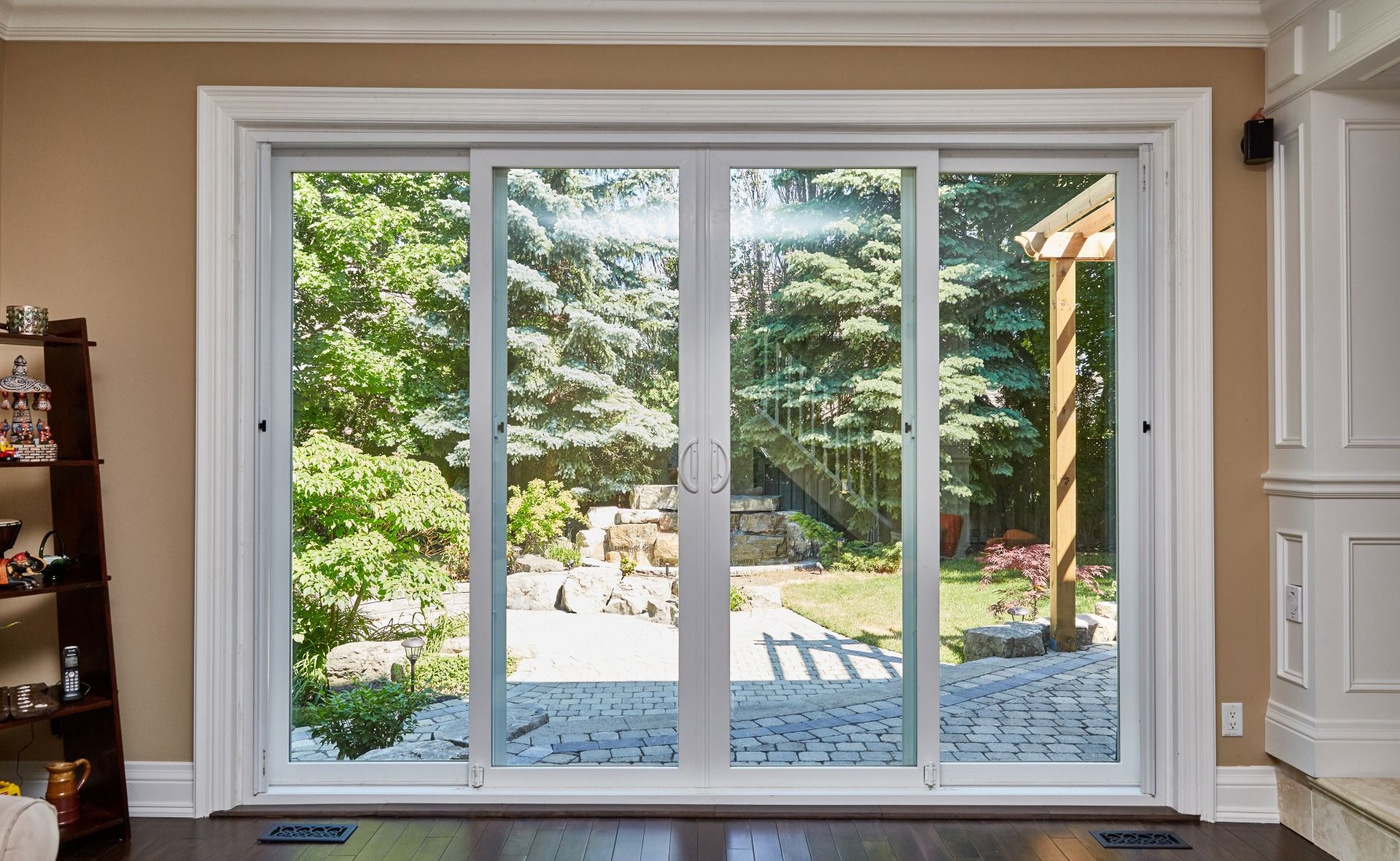
Door jambs are made from various materials. Wood remains the most traditional and widely used option, especially for interior jambs. However, wood jambs, particularly entry door jambs, are susceptible to moisture, warping, and rot over time. For that reason, wood jambs often require proper sealing, painting, or cladding for longevity.
Another common material used for door jambs is MDF - medium-density fiberboard. MDF has a smooth, uniform surface that provides easy cleaning. It's also easy to paint and more affordable than solid wood. Nonetheless, MDF can swell when exposed to moisture, so it's not the best for exterior doors.
Vinyl and composite jambs are suitable for interior or exterior doors, as they resist weather damage, decay, and insect infestations, being favored as low-maintenance and durable materials for jambs.
Steel or aluminum door jambs are extraordinarily strong. They're often used in commercial or high-security settings.
Common Issues with Door Jambs
Despite their importance, door jambs are not immune to problems. Many homeowners often encounter various issues with door jambs that can affect their functionality, including:
- Misalignment, which can cause the door to stick or not close properly. This is often caused by moisture exposure, cracks in the door jam, or loose hinges.
- Damage and wear, such as wood rot, warping, cracking, fading, discoloration, and corrosion
Door Jamb Terminology and Related Components
In a nutshell, here's what you need to know about the door jamb and related parts of a door:
- Hinge jamb: the vertical side where the door hinges are attached. It supports the weight of the door and allows it to swing open and closed.
- Strike jamb (or latch-side jamb): the opposite vertical side, which contains the strike plate and latch mechanism that hold the door shut.
- Head jamb (or top jamb): the horizontal section that runs across the top of the doorway, connecting the two side jambs and completing the frame’s shape.
- Door stop: a narrow strip attached to the inner face of the jamb. It prevents the door from swinging past its closed position and helps it seal tightly when shut.
- Weatherstripping channel: found mostly in exterior jambs, this groove or recess holds weather stripping that blocks air drafts, noise, and moisture.
- Door frame: the complete structure that surrounds the door, including the jambs, sill, and threshold. It anchors the entire door assembly to the surrounding wall.
- Door casing (or door trim): the decorative molding that covers the gap between the wall and the door frame. Unlike the jamb, it has no structural function; it’s purely aesthetic.
- Sill: the bottom horizontal part of the door frame (mainly in exterior doors) that provides a base for the jambs and helps seal out water.
- Threshold: the surface you step over when entering a doorway. It sits on top of or is integrated with the sill to create a smooth transition between spaces.
Final Thoughts
It’s easy to overlook something as ordinary as a door jamb, yet it’s the foundation of how a door works, insulates, and looks.
And if you’re planning an upgrade, a new installation, or just want a better fit for your space, reach out to Magic. Our experts can provide more information about door jambs and help you select and install door systems that look great, perform beautifully, and fit perfectly for years to come!
Frequently Asked Questions
Can I replace the existing door jamb without replacing the entire door frame?
Yes, you can replace just the door jamb if the rest of the door frame is still in good condition. This is often done when the jamb is damaged, warped, or rotted, without the need for a full frame replacement.
What's the difference between a door jamb and a door frame?
A door jamb is the vertical part of the door frame that the door attaches to and closes against. The door frame includes the jambs, the head (top piece), and sometimes the threshold, forming the complete structure that supports the door.
What is the purpose of a jamb?
The door jamb provides structural support for the door and houses the hinges and the latch.
What do door jambs look like?
Door jambs are long, vertical boards that run along both sides of a doorway. They are typically made of wood, metal, or composite materials and are smooth or grooved to fit the door and trim.
Why are door jambs important for energy efficiency?
Door jambs are crucial for energy efficiency as they seal the door opening, preventing drafts and enhancing insulation, ultimately leading to substantial energy savings.
How can I prevent my door from sticking due to humidity?
To prevent your door from sticking due to humidity, adjust the screws on the hinges and strike plate for proper alignment, and ensure the door jamb is well-sealed.