Window Styles & Comparisons
What Is a Solarium? Pros, Costs, Ideas & How It Compares to a Sunroom
Have you ever walked past a home with a beautiful glass room jutting off the side, flooded with sunlight even on a grey winter day? That’s a solarium! And if you’ve been dreaming of a space where you can enjoy natural light without dealing with the cold or unwanted insects, why not install one? But what is a solarium exactly?
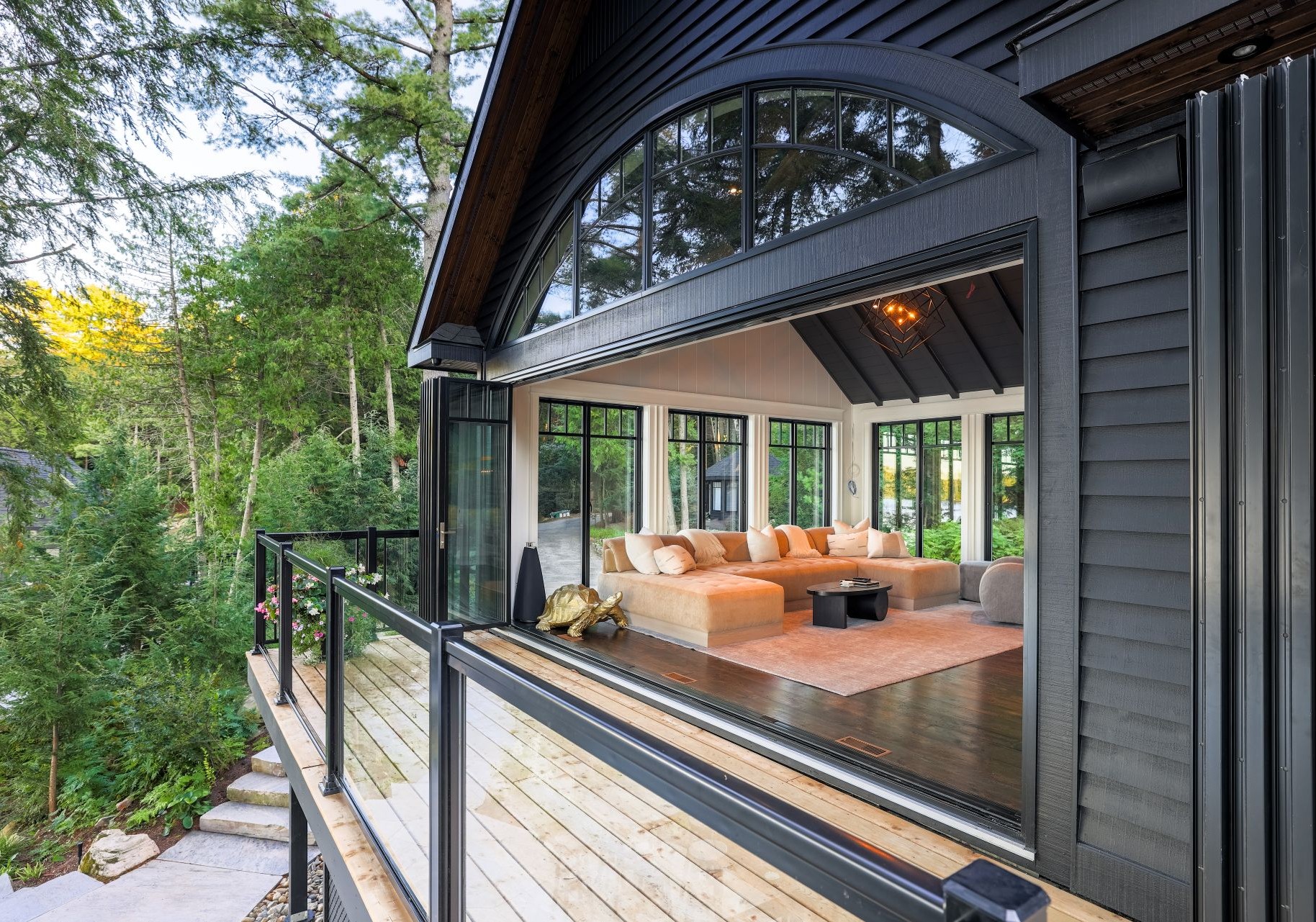
In simple terms, a solarium is a glass-enclosed room with floor-to-ceiling glazing and a transparent roof. It is designed to maximize natural light while protecting you from weather, insects, and cold temperatures. Unlike a traditional sunroom, a solarium uses glass for both the walls and roof, creating an indoor space that feels almost outdoors. Depending on the glazing and insulation, it can be used as either a three-season or four-season room.
In this guide, we’ll break down everything you need to know about these glass structures to help you understand whether they’re a good option for your home!
Key Facts about Solariums
- A solarium is a glass-enclosed room with a transparent roof designed for maximum sunlight, often with a glass roof.
- Solariums are best for homeowners who want a bright sitting area, plant space, or winter sun without leaving their homes.
- Solariums cost roughly $30,000-$80,000+, depending on size, glazing, and structure.
- Solariums are high-maintenance, must be energy-efficient to avoid excessive heat gain and heat loss, and imply a higher upfront cost.
What Is a Solarium?
In terms of construction, a solarium is a glass structure that features floor-to-ceiling glass panels supported by aluminum, steel, or wood framing. The roof is either fully glazed or made from transparent polycarbonate panels, allowing sunlight to pour in from above as well as from the sides. Solariums often incorporate casement, awning, or sliding windows or even sliding doors for ventilation.
This glass structure can share one wall with your house, using the existing solid walls of your home as a back wall. Or it can stand as an independent, fully glazed pavilion in your garden.
Solariums work thanks to the greenhouse effect. Natural sunlight passes through the glass and warms the floor, furniture, and other surfaces inside. These surfaces then radiate heat back into the space. And because glass traps much of this warmth, the interior stays warmer than the outside air.
Orientation matters significantly for solarium performance. In North America, many solariums are positioned to face south or southwest. This way, they capture the afternoon sun and maximize warmth during colder months. In very hot climates, solariums are often east-facing.
Solariums are especially popular in Canadian regions that value winter sunlight. Depending on insulation quality, glazing type, and whether HVAC is integrated, a solarium can function as a three-season space or provide indoor comfort year-round.
Solarium vs Sunroom (or Florida Room)
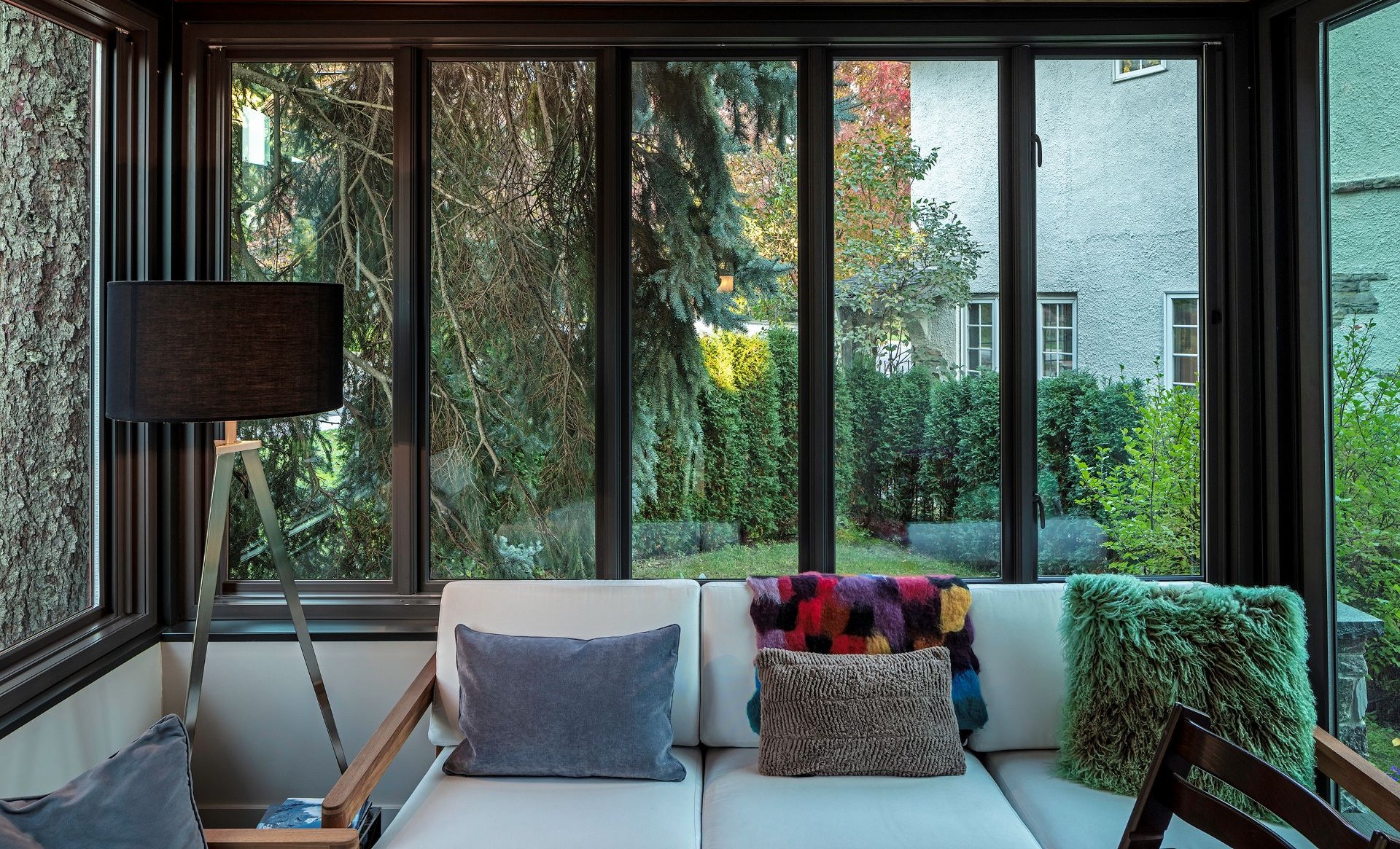
Solariums have their walls and roofs made entirely of glass. A classic sunroom, sometimes called a Florida room in warmer climates, usually has less glazing area and a conventional insulated roof that matches the rest of the house. Because of this, sunrooms seem like a standard room extension.
Because sunrooms have more insulation and less glass overhead, they’re easier to keep at stable temperatures throughout the year. A three-season sunroom in Ontario, for example, might feature screened windows for summer ventilation from May through October, then close up with storm panels for colder seasons.
If you want a space that feels like any other insulated room in the house, with minimal cleaning and very stable temperatures, a classic sunroom may suit you better than a full glass solarium.
Solarium vs Conservatory
A conservatory is basically an ornate solarium. It often has Victorian-inspired windows and decorative roof lines, cresting, finials, and detailed trim. Historically, conservatories in 19th-century Europe housed exotic plants and served as elegant entertaining spaces for wealthy households.
Modern conservatories still feature glass walls and glass roof elements like solariums, but they place greater emphasis on architectural style and period details.
Solarium vs Greenhouse
Solariums are primarily enclosed by glass and mainly used as living spaces. Greenhouses have four walls made of glass or polycarbonate designed primarily for growing plants. They offer superior light transmission and humidity control. You can certainly grow plants in a solarium too, but the space serves broader lifestyle purposes. It's not purely a horticultural tool.
Solarium vs Atrium
An atrium is an indoor space, a central open or partially covered space within a building, often featuring a large skylight or open-to-sky area. Atriums are used for vertical openness. They have a dramatic architectural impact, so they're often installed in commercial buildings. Atriums are less common in residential buildings.
What to Know Before Installing a Solarium

Adding a solarium to your home is a significant project involving structural engineering, substantial investment, and careful planning for year-round comfort. If you live in a cold region like Toronto, Montreal, Minneapolis, or Winnipeg, you must pay particular attention to energy efficiency, snow loads, and wind resistance when designing your glass structure.
To help you understand whether a solarium works for your home and help with its installation, we'll provide you with some details you need to know before starting such a project.
Costs
Solariums cost between $30,000 and $80,000 or more. The final price depends on its size, glazing quality, glazing type, construction materials, and custom options. Whether you choose a prefabricated kit or fully custom construction also influences the final cost.
The most important cost drivers are glass type (double-glazing versus triple-glazing, low-E coatings, laminated vs tempered glass), structural framing materials, foundation requirements, HVAC integration, and permit fees.
While solariums rarely return 100% of their construction cost at resale, they often boost appraised value and attract potential buyers who value unique architectural features, particularly in markets where natural light is prized during long winters.
Ease of Installation and Construction Approach
Prefab solarium kits use panelized systems with pre-engineered frames. These are much easier to install compared to fully custom builds designed by an architect. Experienced DIYers sometimes tackle smaller kits on prepared foundations. But most homeowners hire contractors for safety, structural integrity, energy efficiency, code compliance, and warranty protection.
Common Sizes and Layouts for Extra Living Space
Popular solarium footprints include 10’ x 12’, 12’ x 16’, 12' x 12', and 12’ x 20’. A breakfast room or reading nook might work beautifully in a smaller footprint. A space for entertaining or an indoor garden, on the other hand, would have to be larger.
Attached solariums typically follow rectangular layouts aligned with an exterior wall of the house. Freestanding structures may be square, octagonal, or curved.
Most modern solariums use sloped or vaulted ceiling designs that create a sense of volume. These can also shed snow and rain.
Building Permits and Taxes
Most jurisdictions treat a solarium as a structural addition that requires a building permit or inspections. The lack of permits can affect insurance and resale, and it may also force the removal. If you're working with a team of professional installers, they can usually provide you with the necessary information regarding local building codes, so you can make sure everything's solved before installation day.
Moreover, depending on your region, a new solarium may slightly increase property taxes and insurance premiums, so it’s worth checking with your insurer and local authority before you build one.
Pros and Cons of a Solarium

So, should you install a solarium or not? Let's see!
Advantages
A solarium increases natural light exposure. This can help improve your mood and mental well-being, reduce dependence on artificial lighting during daylight hours, and make adjacent rooms feel brighter and more inviting.
Plus, you can use the expanded living space however you want. Have your morning coffee there and enjoy the delightful outdoor views. Watch the sunset in the evening. Or host a game night with your friends. Use it as a meditation space. Or transform it into a sunny workspace. As mentioned - use it however you want! Oh, and let's not forget how thriving a solarium can be for certain plant species!
Furthermore, a well-built solarium can also enhance resale appeal, potentially increasing property value by 5-10% in markets where unique features are valued.
Disadvantages
Temperature swings represent the most important disadvantage. Without appropriate glazing, shading, and ventilation, solariums can become extremely hot during summer afternoons and lose heat rapidly on cold nights. To avoid this, you'll have to install operable windows, ceiling fans, blinds, thermal curtains, and possibly dedicated heating or cooling units.
Solariums are also very difficult to maintain. All that glass requires frequent cleaning inside and out. You'll also have to inspect the seals regularly. Plus, where there's an expansive glazing area, there's also a higher risk of breakage.
And let's not forget about privacy. You may need curtains, frosted glass sections, or strategic landscaping to create comfortable rest and relaxation.
Last but not least, if you don't install Low-E coatings, you'll have to choose furniture that can withstand sun exposure.
And, of course, the higher price, which we've already discussed above.
Glazing Options for Your Solarium
Double-Pane Insulated Glass
This is the best solution for most Canadian four-season sunrooms. Two sheets of glass separated by an insulating gas space keep the bitter cold out and your expensive heating inside. It allows slightly more light in comparison to triple-pane glass and makes the room comfortable year-round without destroying your renovation budget.
Triple-Pane Insulated Glass
If you live in a region with extreme, punishing cold like Saskatchewan or Northern Alberta, and want your solarium to feel just as warm as your primary living room, go for three panes of glass. It is heavier and costs significantly more, but the thermal comfort and draft reduction are completely unmatched.
Tempered and Laminated Safety Glass
Building codes across Canada dictate that overhead glass must be specially treated. If a heavy branch or a severe hail storm strikes your solarium roof, standard glass is incredibly dangerous. A better option is tempered glass. It is designed to shatter into tiny, dull pebbles. Laminated glass is even better than tempered glass. It holds together like a car windshield when it's broken. Another option is safety glass, but it's extremely heavy. This means that your roof framing must be heavily reinforced to support the load.
Multi-Wall Polycarbonate Panels
If you want a more affordable and lightweight alternative to glass for your roof, you can go for polycarbonate. It is a highly durable plastic that is virtually unbreakable and provides excellent insulation. While you cannot see the stars clearly through it as you can with glass, it expertly diffuses harsh overhead sunlight.
Low-Emissivity Coatings
Also known as Low-E coatings, these microscopically thin metallic layers are absolutely mandatory for any Canadian solarium. Without them, your sunroom will act exactly like a greenhouse.
In the summer, Low-E coatings bounce the blazing solar heat away from the glass so you do not bake inside. In the winter, they reflect your indoor furnace's heat back into the room, keeping you cozy.
Argon and Krypton Gas Fills
To make your double or triple pane walls truly effective, manufacturers pump dense, invisible gases between the glass layers. These heavy gases slow down heat transfer much better than regular air. Because a solarium has so much surface area, choosing argon or krypton gas fills is of the essence.
Tinted Glass
If your sunroom faces south or west, the afternoon sun can be blindingly bright. If you add a subtle bronze, gray, or blue tint to your glazing, you can reduce glare and cut down on intense solar heat gain. It makes reading a book or watching television in your solarium much more comfortable during peak daylight hours.
Windows For Solariums
Casement Windows for Maximum Airflow

Casement windows hinge on one side and crank open outwards, much like a door. They are arguably the best operable windows for a Canadian sunroom for two reasons.
First, when completely open, the entire window area allows fresh air into the room. On that account, they're incredible for catching passing summer breezes.
Second, these large windows are the most energy-efficient operable windows you can buy. When you lock them shut, the locking mechanism pulls the sash tightly against the weatherstripping. When heavy winter winds blow against the outside of your solarium, it actually pushes the window tighter into its seal, eliminating drafts.
Awning Windows for Rainy Day Ventilation
Awning windows are very similar to casements, but they hinge at the top and push outwards from the bottom. They act like a tiny glass roof or awning when open.
These are fantastic additions to a solarium because you can leave them open during a spring rainstorm. The water simply runs off the glass and falls to the ground outside, allowing you to enjoy the smell of fresh rain and cool air without flooding your new room. They are often placed low to the ground beneath large, fixed windows to draw in cool air from the outside.
Picture Windows for Uninterrupted Views
Picture windows are fixed panes of glass that do not open. Because they have no bulky hinges, cranks, or overlapping frames, they offer the cleanest, most expansive panoramic views of your backyard or surrounding nature.
Since they do not open, there is zero risk of air leakage or draftiness, making them highly energy-efficient.
A well-designed solarium usually uses massive picture windows as the primary walls, flanked by smaller casement or awning windows to handle the ventilation.
Window Walls for a Seamless Outdoor Connection

If you want your solarium to feel truly immersed in nature, window walls are the ultimate architectural choice. A window wall system uses heavy-duty structural frames to stack floor-to-ceiling glass across the entire span of the room.
And if you install a Magic window wall, you get a system that has been engineered specifically for the Canadian climate, creating an air-tight compression seal when closed. It also has no hinges or other mechanisms that could malfunction because of extreme temperatures.
Sliding Windows for Tight Spaces
Sliding windows operate exactly like a sliding glass patio door, moving horizontally along a track. They are incredibly easy to operate and offer a wide, unobstructed view.
They are particularly useful if your solarium is built right next to an outdoor deck, a walkway, or patio furniture. Because they do not swing outwards like casement or awning windows, they will not bump into people walking by outside. However, their weather seals are not quite as tight as those of casement windows, so they might let in a bit more cold air during extreme winter freezes.
Pass-Through Windows for Entertaining
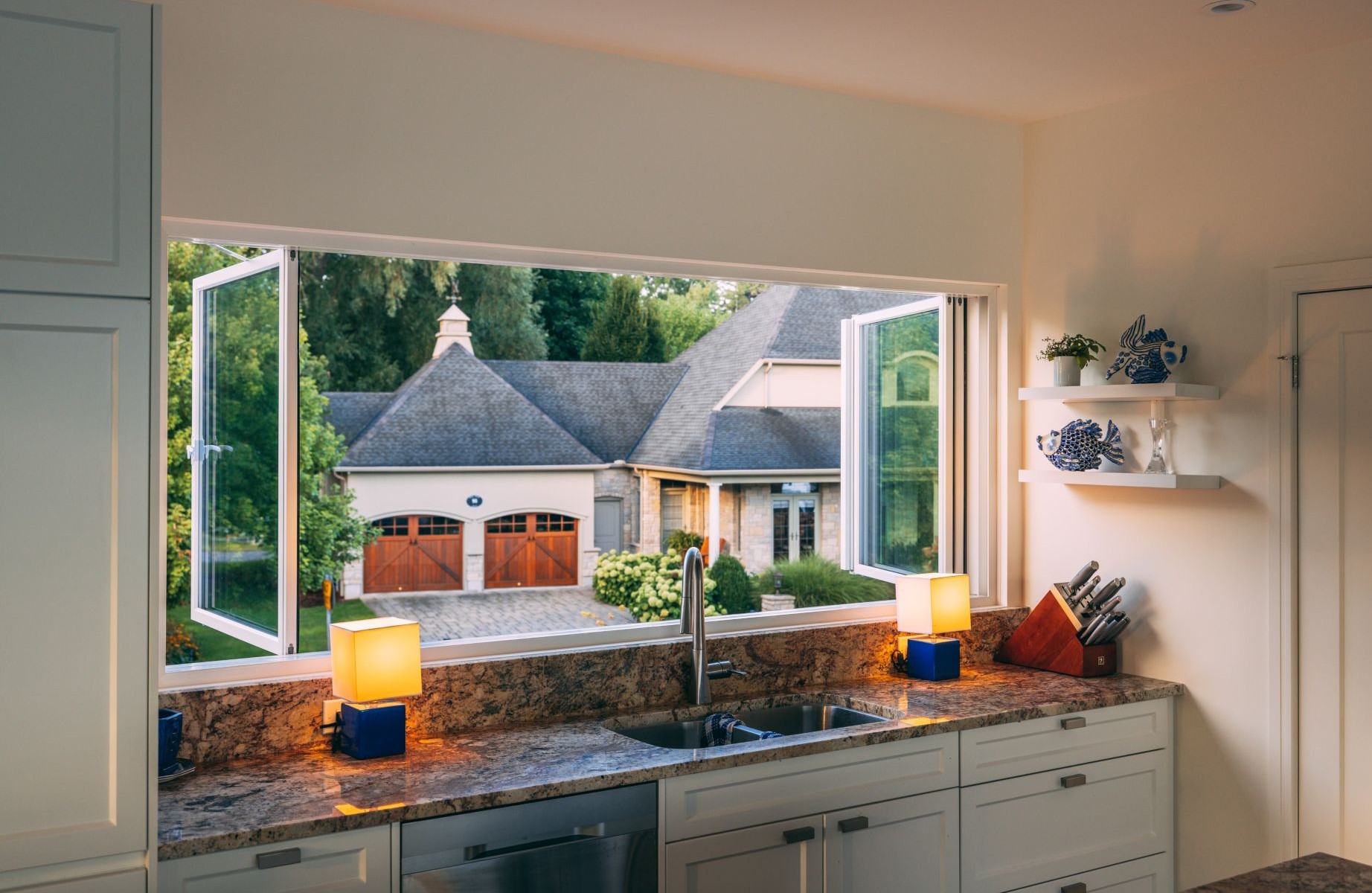
Pass-through windows are a brilliant lifestyle upgrade that connects your sunroom to your main house or connects the sunroom directly to an outdoor deck.
Pass-through windows feature folding, accordion-style glass panels that stack neatly to one side. If you have a kitchen that borders your new solarium, a pass-through window allows you to easily slide food, drinks, and conversation back and forth without constantly opening and closing doors.
Get the Best Glazing Systems for Your Solarium with Magic!
Magic is a top window and door company in Toronto, renowned for its technologically advanced window, door, and window wall systems. Here's why Toronto homeowners choose our units for their solariums:
- Magic offers Window Wall systems engineered specifically for the Canadian weather. Our window walls consist of independently sliding glass panels that can span up to 50 feet.
- All Magic units can be equipped with retractable insect screens, solar blinds, and thermal shades. You pull them across only when you need them, and they completely disappear into the frame when you don't.
- Magic units are constructed with our patented Parallex hardware: no cranks, no hinges, and no other components that can break in extreme temperatures.
- Magic systems are built with the Hybrid Fusion Frame, which combines vinyl, aluminum, and steel. This makes the frame ultra-slim, incredibly sturdy, and energy-efficient.
- All Magic units come with an industry-leading 40-year warranty.
Want to learn more about Magic features? Book a free consultation today!
FAQs
What is a four-season room?
A four-season room is a fully insulated glass-enclosed space designed for year-round use, even in cold climates. It typically includes energy-efficient windows, insulated walls and roof panels, and a dedicated heating and cooling system, so it feels like a true interior room.
What is a three-season room?
A three-season room is a semi-insulated sunroom intended for use during spring, summer, and fall but not harsh winter weather. It usually has large windows or screens for ventilation, but lacks the insulation and HVAC integration needed for year-round comfort.
What is a solarium in an apartment?
A solarium in an apartment is a glass-enclosed area, often a balcony or extended living space, designed to capture maximum sunlight while remaining indoors. Many condo solariums function as bright sitting areas, home offices, or plant spaces with panoramic outdoor views.
What do you do in a solarium?
Homeowners commonly use a solarium as a relaxation lounge, indoor garden, reading area, breakfast nook, or workspace because of the strong natural light. The space is designed to feel outdoorsy while staying protected from weather, insects, and temperature extremes.
What's the difference between a sunroom and a solarium?
A sunroom usually has traditional walls with many windows and may include a solid roof, while a solarium is primarily made of glass walls and often has a glass roof to maximize sunlight exposure.
Can a solarium maximize natural light?
Yes, solariums are specifically engineered to maximize natural light through expansive glazing and minimal framing. The glass structure allows sunlight to enter from multiple angles throughout the day, creating one of the brightest living spaces in a home.
Is a solarium worth it?
Yes, a solarium is worth it if you want to maximize natural light, enjoy outdoor views year-round, and add a versatile living space to your home. While it requires a higher upfront investment than a traditional sunroom, a well-designed solarium can improve your daily living experience, increase your home's appeal, and provide a bright space for relaxing, entertaining, or growing plants.
Does a solarium increase home value?
Yes, a professionally built solarium can increase your home's value, particularly in markets where natural light and additional living space are highly desirable. Although it may not recover its full construction cost at resale, it can improve buyer appeal and help differentiate your property from similar homes. The greatest value comes from high-quality construction that complements the home's architecture.
Does a solarium get too hot?
Yes, a solarium can become excessively hot if it isn't designed with energy-efficient glazing, proper ventilation, and solar shading. Large glass surfaces allow significant solar heat gain, especially on south- or west-facing elevations. Features such as Low-E glass, operable windows, blinds, ceiling fans, and exterior shading help maintain comfortable temperatures throughout the year.