
Window Styles & Comparisons
9 Types of Bay Windows: A Complete Guide for Homeowners
Bay windows are among the most requested features in home renovations, and for good reason! They bring in more light, add interior space, and completely change how a home looks from the street!
What makes them even more appealing is that they can be highly customized! There are many types of bay windows, and you can choose the ones that suit your home best. In this guide, we’ll provide more details about each.
9 Types of Bay Windows
A bay window projects beyond the main exterior wall of a building. It creates a small alcove or recess on the interior side. That outward extension is what separates bay windows from standard flat windows. They can be three-sided, curved, angled, tall, short, operable, or fixed, depending on the type.
Now let's discuss specific bay window types.
1. Traditional Bay Windows
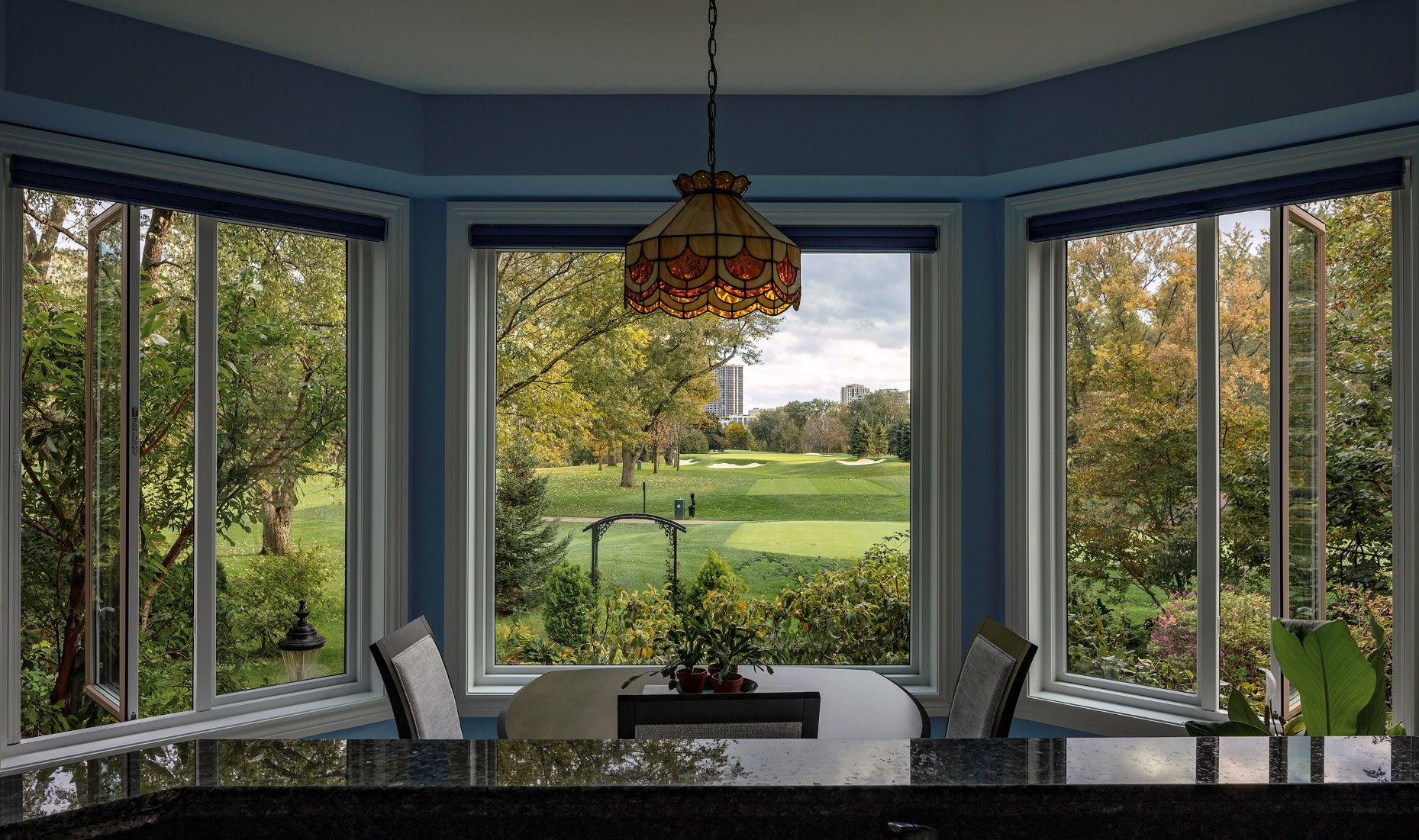
The traditional bay window is the one most people picture: three windows arranged at an angle, with a large center window flanked by two smaller side windows. The side panels, which are either casement windows or double-hung windows, typically sit at 30 or 45 degrees from the wall. This configuration is popular in North American homes, especially Victorian, Craftsman, and Colonial-style architecture.
The angled sides let in light from multiple directions. This is one of the key benefits of traditional bays over standard flat windows. And you also get a wider field of view than with a standard window. Plus, traditional bay windows offer extra space on the interior that is wide enough for seating, plants, or storage.
Magic experts can confirm that traditional bay window designs are one of the most requested products for Toronto home renovations, both for new builds and replacements.
2. Oriel Bay Windows

Like traditional bay windows, oriel bay windows project outward. They are always located on an upper story and require additional structural support. An oriel window is supported by brackets, corbels, or a small section of wall below it. It appears to float or cantilever out from the upper story of a building.
You'll frequently see oriel bay windows on Gothic, Tudor, and medieval-style architecture. Today, they're popular in second-story rooms, especially in older homes or custom builds that want a historical look.
They're also a smart solution when you want the visual effect of a bay window, but the ground floor layout doesn't allow for a full projection.
3. Box Bay Windows
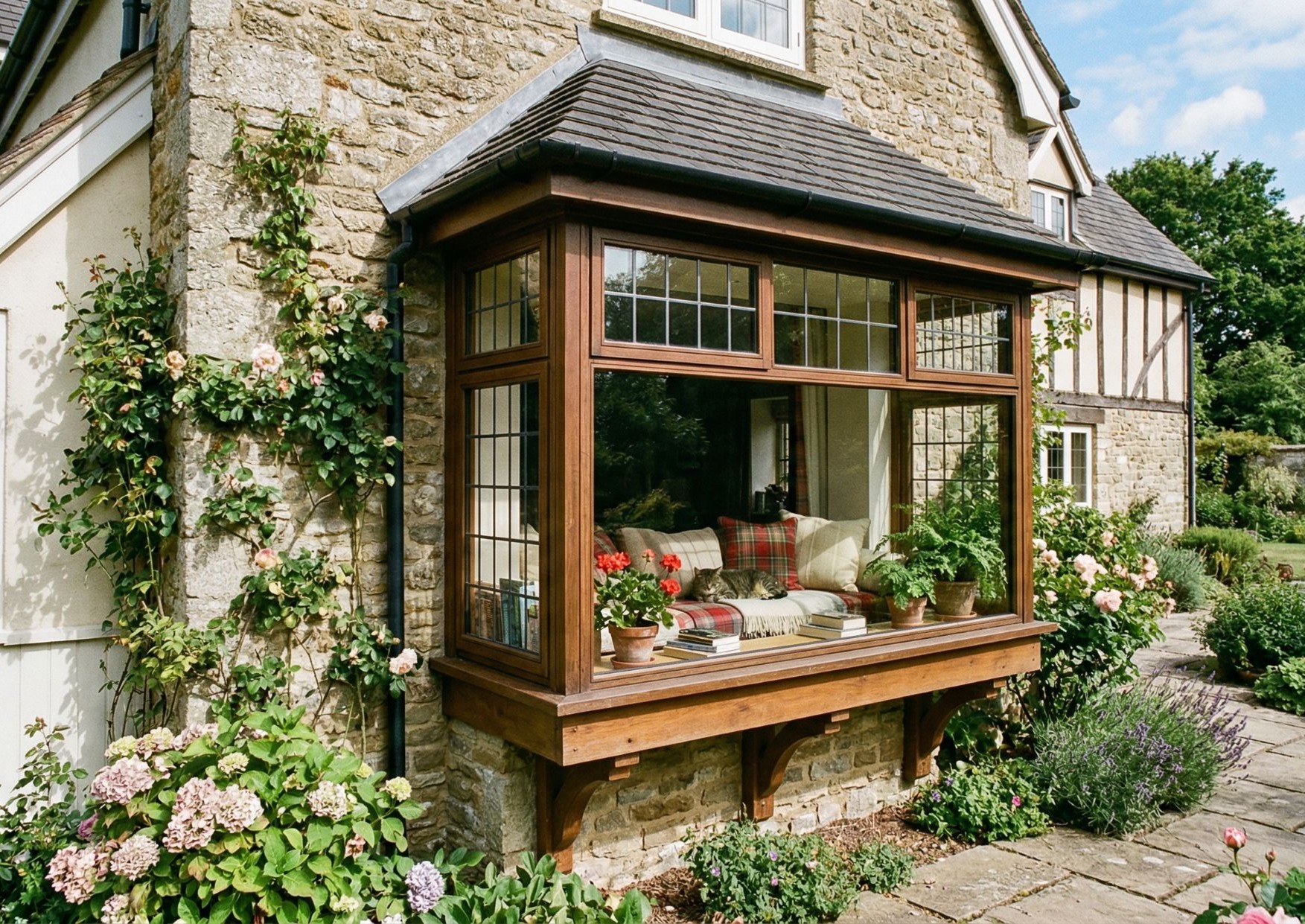
Box bay windows also have three panels, like traditional bay windows. But instead of having the panels angled at 30 or 45 degrees, box bay windows have all the panels sitting at 90-degree angles to each other. The flanking windows (often casement or double-hung) are perpendicular to the wall. The front panel runs parallel to it. This creates a squared-off, rectangular box shape, also perfect for a cozy nook!
Box bay windows have a cleaner, more geometric look. They work better in contemporary and modern home designs. Box bays also offer extra space, more than traditional angled bays, because the sides don't taper inward. The window seat or shelf space inside is deeper and more usable.
If your home has a more modern exterior or you want a window that reads as more architectural than decorative, box bay windows are worth a close look.
4. Bow Bay Windows
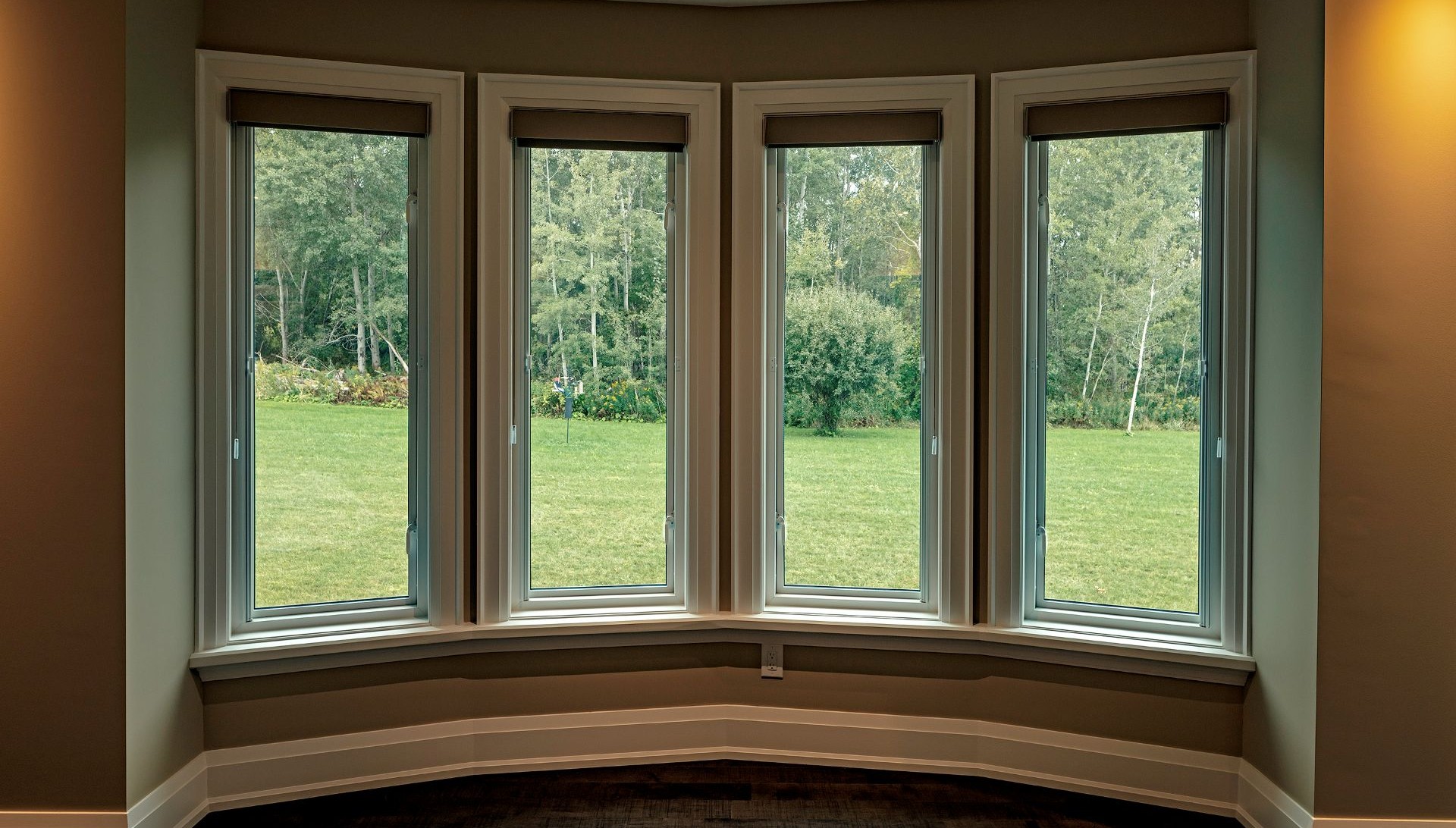
Bow windows use four or more windows. They are usually casement windows or picture windows arranged in a gentle curve. Bow windows create a rounded, arched projection, not a flat-fronted box like box bay windows, and serve as a natural focal point both on the interior and the exterior. One thing to keep in mind (which may help you when you're shopping) is that bow windows are not a variation of bay windows per se. They’re considered a separate window style.
Because a bow window’s multiple panels follow a curve, each one sits at a smaller angle relative to its neighbor. This gives the exterior an elegant look that fits especially well with traditional and transitional-style homes.
On the interior, bow windows, often called circle bay windows, create a curved alcove that can be used for a cozy reading nook, bench seating, or a breakfast area in a kitchen. The curved shape does limit how much you can do with the sill compared to a box bay, but the visual payoff is significant.
One thing to keep in mind, though, is that bringing your bow window ideas to life will cost more than if you want to install traditional bays because of the additional panels and the custom framing required to hold the curved shape.
5. Garden Bay Windows
Garden bay windows are smaller and more functional than most of the other types on this list. They're usually installed in kitchens, often above the kitchen sink, and project out only 12 to 18 inches. It’s just enough additional space for a shelf-like greenhouse where you can grow herbs, keep plants, or display small items.
The middle panel is often a fixed picture window. The two side panels are operable casements that can open to let fresh air in.
Garden windows don't change the character of a room the same way a full-scale bow or traditional bay would, but they're a cost-effective way to add a bit of depth and charm to a smaller window opening, especially in kitchens facing a backyard.
6. Polygonal Bay Windows
Polygonal bay windows are less common but are definitely a striking architectural feature that can impressively add curb appeal. Instead of the standard three-panel 30- or 45-degree setup, they use a multi-sided shape (pentagons, hexagons, or other angular configurations) to create a more complex projection.
These are custom bay windows. They're usually designed to match a specific architectural feature like a turret, tower, or corner room. If you have a Victorian home with a cylindrical corner tower, for example, the windows on that tower are polygonal bay windows.
That said, they're not practical for every home. But in the right context, they add architectural interest that few other window styles can match.
7. Fixed Bay Windows
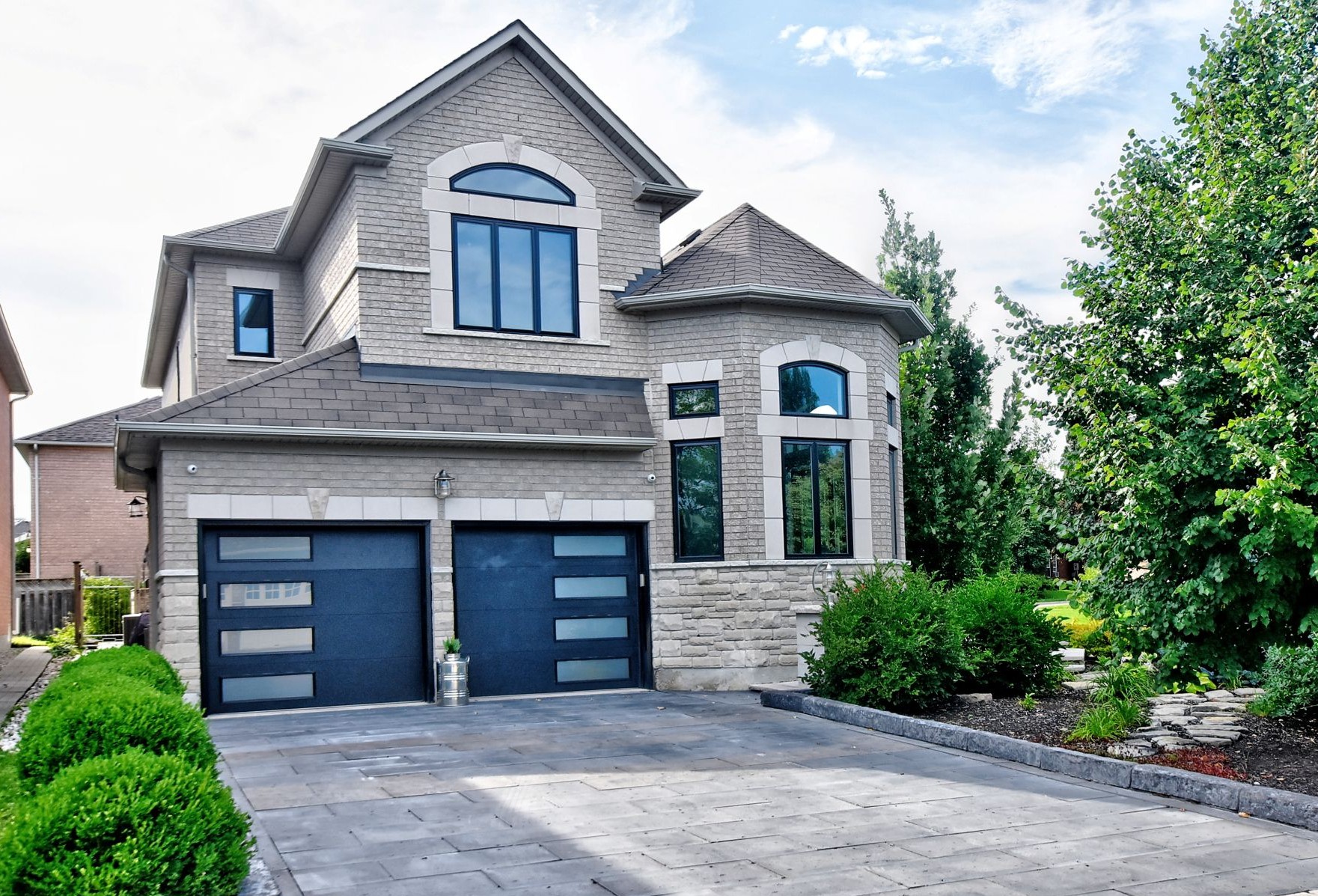
Most bay windows have at least one operable panel, usually the side panels on a traditional or box bay, that opens for ventilation. Fixed bay windows don't open at all. Every panel is fixed in place.
This isn't necessarily a limitation. Instead, this makes fixed bay windows energy-efficient. There are no moving parts, seals that can wear out, or gaps where air can leak. They're also less expensive. If your goal is primarily to bring in light and create a visual feature rather than ventilation, you can definitely try fixed bay windows.
8. Canted Bay Windows
Canted bays are similar to traditional three-panel bays, but the side panels sit at a shallower angle, typically at 25-30 degrees. This creates a more subtle projection and a slightly different silhouette than a standard 45-degree angled bay.
Canted bay windows are common in British architecture and in homes where a softer profile is preferred. They fit well into existing homes without requiring major structural changes, thanks to their shallow angle.
9. Corner Bay Windows
Corner bays are installed at the corner of a room. They replace what would typically be a solid wall section with glass on two sides. This creates a wrap-around view and floods a corner room with light from two directions.
Corner bay windows are particularly effective in dining rooms, living rooms, and master bedrooms where the view is worth framing. However, they may be more expensive than other bay window types because of their complex construction.
Bay Window Ideas: Best Bay Window Styles
Bay windows also vary by style, meaning the visual aesthetic, material, and architectural language they convey. Here's a breakdown of the main styles.
Victorian Bay Windows
Victorian bay windows are tall, ornate, and detailed. They use decorative molding, corbels, and millwork around the frame. The glass panes may be divided by grilles or muntins into smaller sections. The overall effect is richly textured and traditional.
If you have a late 19th or early 20th century home, go for a Victorian-style bay window. It’s the most historically accurate choice! But it also works in new builds that aim for a heritage aesthetic.
Craftsman Bay Windows
Craftsman style strips away the ornamentation of Victorian design. It focuses on natural materials, clean lines, and visible craftsmanship. Bay windows in Craftsman homes often feature wood frames, simple grille patterns, and proportions that accentuate horizontal lines.
They pair well with other defining details of the Craftsman architectural style: overhanging eaves, tapered columns, and natural stone or brick.
Contemporary Bay Windows
Contemporary bay windows put an accent on clean geometry and minimal detailing. Large glass panels, slim frames, no grilles, sharp angles. Box bay windows are the most natural fit for contemporary styling.
Plus, their focus is on the view and the light, not the frame. That’s why black aluminum or dark-toned vinyl frames are very popular in contemporary applications. They recede visually and let the glass read as the main feature. These windows suit open floor plans well, since the unobstructed sightlines inside the room carry through to the window without visual interruptions.
Colonial Bay Windows
Colonial-style bay windows center on symmetry and traditional proportions. They often have grilles that divide the glass into equal rectangular panes. This design evokes the unique windows common in 18th- and 19th-century American architecture.
White-painted wood or vinyl frames are standard in Colonial style.
Farmhouse Bay Windows
Farmhouse style sits between rustic and refined. Bay windows in this aesthetic have simple shapes, often a box bay or traditional three-panel configuration. They have clean white frames and minimal decoration.
The window seat inside the bay window is often finished with a cushion and built-in storage below.
Tudor and Gothic Bay Windows
These styles typically use oriel windows or polygonal bays. The frames may incorporate pointed arch details, diamond-pattern glass (leaded glass), or dark-stained wood. The look is distinctly historical and works best on homes that already commit to a Tudor or Gothic exterior.
Transitional Bay Windows
Transitional style falls between traditional and contemporary. It borrows the warmth and detail of classic design but applies it with a lighter hand. Bay windows in transitional homes might use a traditional three-panel configuration but with minimal grille detail, a neutral frame color, and cleaner interior trim.
How to Choose the Right Bay Window for Your Home

The starting point is always the architecture of your house. A box bay window in a Victorian home can look out of place. A heavily ornamented Victorian bay on a modern build looks just as wrong. So, just try to understand what your home is conveying. And then pick the type and design that fits that style.
After that, think about the room. A garden bay makes sense in a kitchen. A bow window makes sense in a formal living room or dining room. A corner bay might be better for a master bedroom with a view that is worth framing.
Then think about function. Do you need ventilation, or is the window primarily for more natural light and aesthetics? That answer will help you understand whether you need fixed or operable panels.
Ultimately, bay windows are a smart investment for Ontario homeowners, especially when equipped with double-glazing or triple-glazing and low-E coatings (for energy efficiency). Besides providing natural light and a distinctive look, bay windows also notably increase home value!
Quick Comparison Between Different Types of Bow Windows
To help you decide what type of bay window is best for your home, we’ve created a comparison table that contains the most important details about each:
Looking for Bay Windows? Contact Magic!
If you're in Southern Ontario, are looking for new windows, and simply can't find the best option for your living space, book a free consultation with Magic! Our experts can help find the best solution that is 100% tailored to your home, your climate requirements, and your budget.
Plus, Magic is happy to explore your bay window ideas and equip your windows with unique and beautiful design features that will add charm to your home!
Bay windows are one of the higher-impact changes you can make to a home, both for how it looks and how it feels to live in. So, getting the type and style right makes all the difference! And don't forget - proper professional installation is crucial for ensuring the durability and performance of bay windows, and Magic teams can take care of that as well!
FAQs
What are some types of blinds for bay windows?
The most popular types of blinds for bay windows are vertical blinds, roller blinds, and cellular shades, since they can be fitted to each individual panel separately. Plantation shutters are also a strong choice for bay windows because their rigid frame works well with the angled or curved structure.
Can you install a bay window in any room?
Technically, yes, you can install a bay window in any room. But some rooms benefit far more than others. Living rooms, kitchens, dining rooms, and master bedrooms are the most common locations because they're where light, views, and extra space matter most.
Do bay windows increase home value?
Yes, bay windows increase resale value because they improve curb appeal and add functional interior space. The return varies by home and market, but in cities like Toronto, they're considered a desirable feature by buyers.
Are bay windows energy-efficient?
Bay windows can be energy-efficient. It depends on the glazing and frame material you choose. Triple glazing, quality weatherstripping on operable panels, and a well-insulated frame make a significant difference in thermal performance.
How long do bay windows last?
A well-installed bay window with a vinyl or hybrid frame typically lasts 20 to 30 years. Wood frames can last just as long but require more maintenance to prevent moisture damage over time.
Do bay windows need planning permission in Ontario?
Most bay window replacements don't require a permit in Ontario, but adding a new bay window opening to a wall, especially on a heritage property, may need approval. It's worth checking local building codes before starting the project.