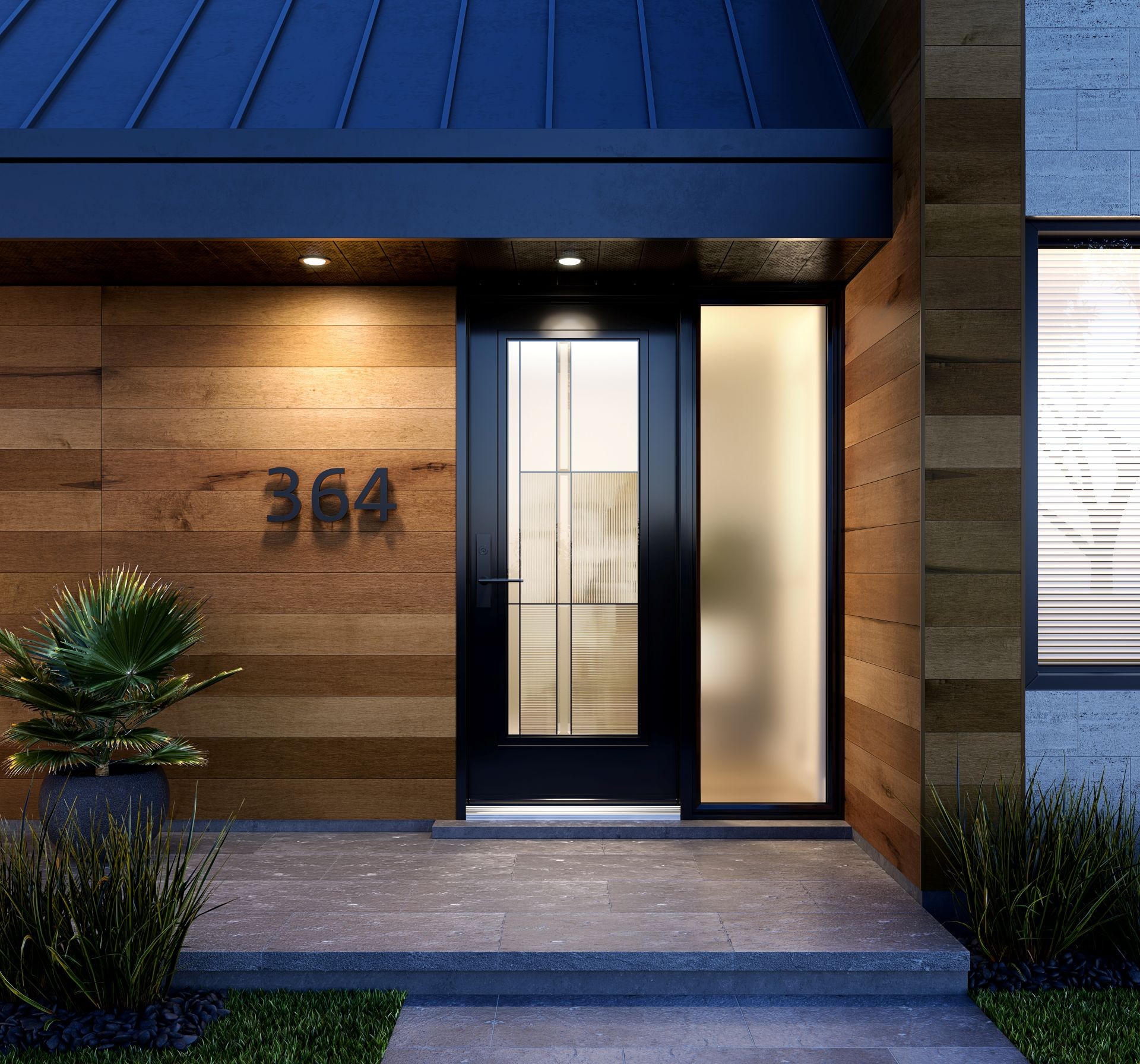
Front Doors
Door Trim Ideas: Transform Your Home with Stylish Casing Options
So, you woke up this morning, looked at your doorway, and kept thinking that it feels... unfinished. Maybe it already has a trim, but it's just not the right trim, and it doesn't blend seamlessly with the overall decor. Or maybe you've just finished your home renovation project and have forgotten about the finishing touches. Maybe it's the door to your bedroom, the entry door, or the patio door.
No worries, though! You can always replace or add door trim, and if your creativity took a day off today, we're here to help with some of the best door trim ideas!
Installation Methods: Mitered vs. Butted Trim
Door trim is usually grouped into two main types when it comes to installation:
- Mitered door trim has three pieces joined at precise 45-degree angles, creating a somewhat ripple effect. It works best with flat or simple profile trim pieces; it might be difficult to align decorative details for mitered door trim.
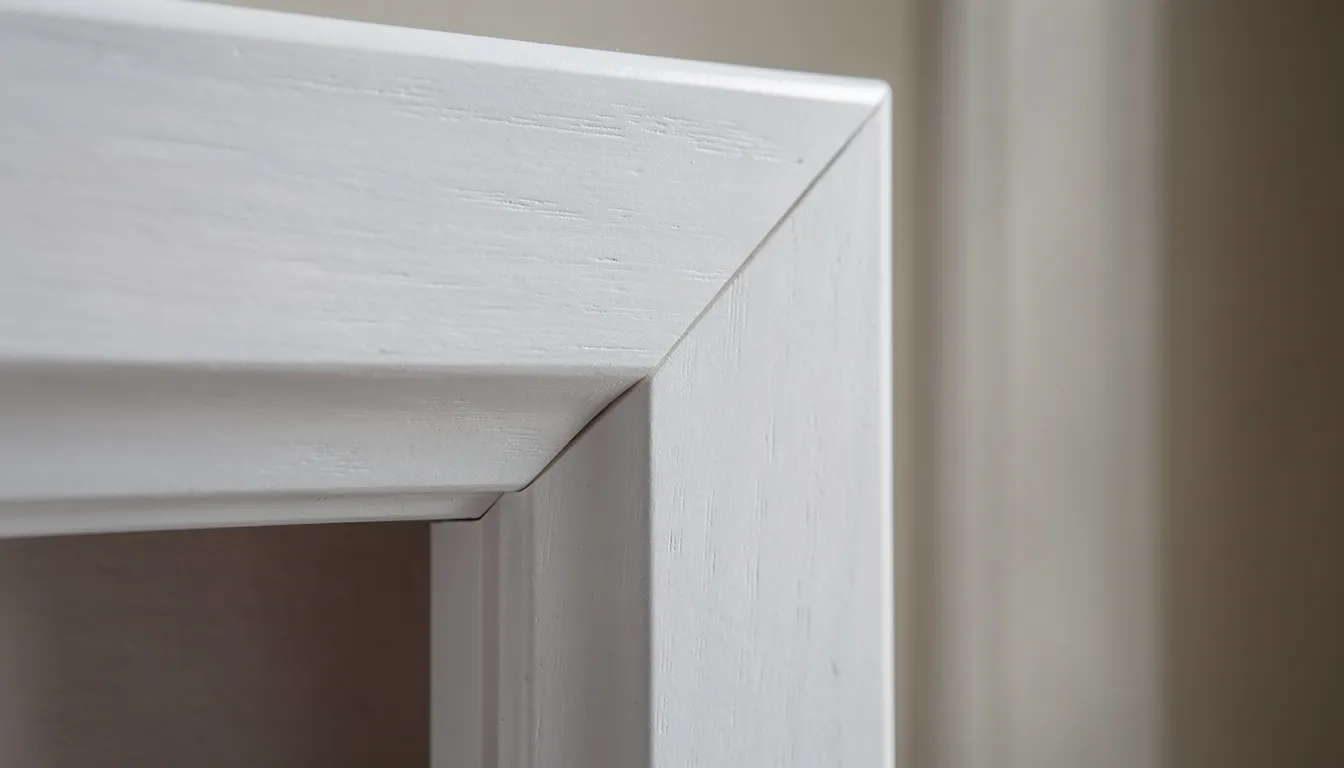
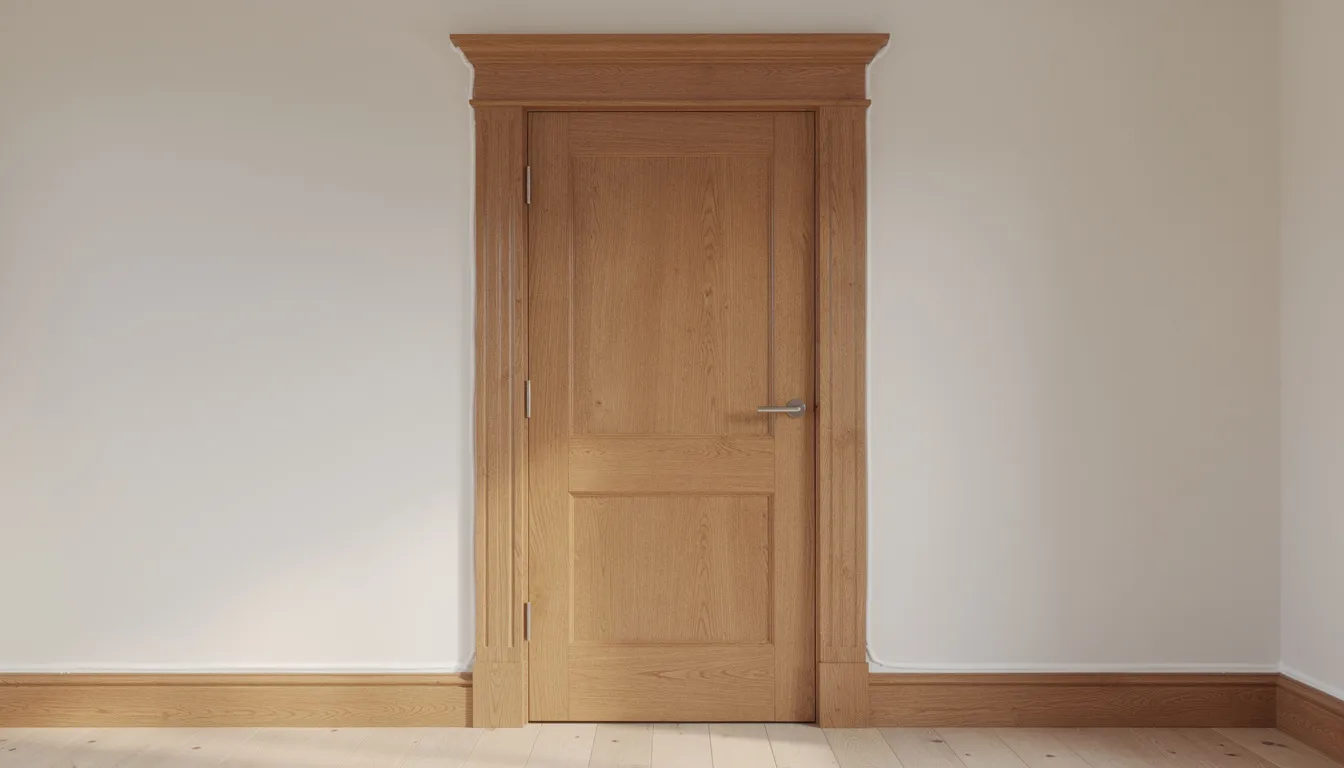
- Butted door trim has the head casing sitting flat on top of the side pieces without requiring angled cuts. This traditional method was commonly used in Colonial and Victorian-era construction and remains popular for its ease of installation and distinctive appearance. The butted approach allows for wider, more decorative header boards that can incorporate additional architectural details like extended overhangs or layered moldings. Installing butted trim tends to be an easier DIY job, since there are no angles to cut and join.
Popular Door Trim Styles for Every Home
Can't choose a trim style for your doors? We're here to help! Here are some of the most popular door trim options that will 100% elevate your space, as they work for different styles - if incorporated wisely into the overall home aesthetic, of course!
Colonial Door Trim
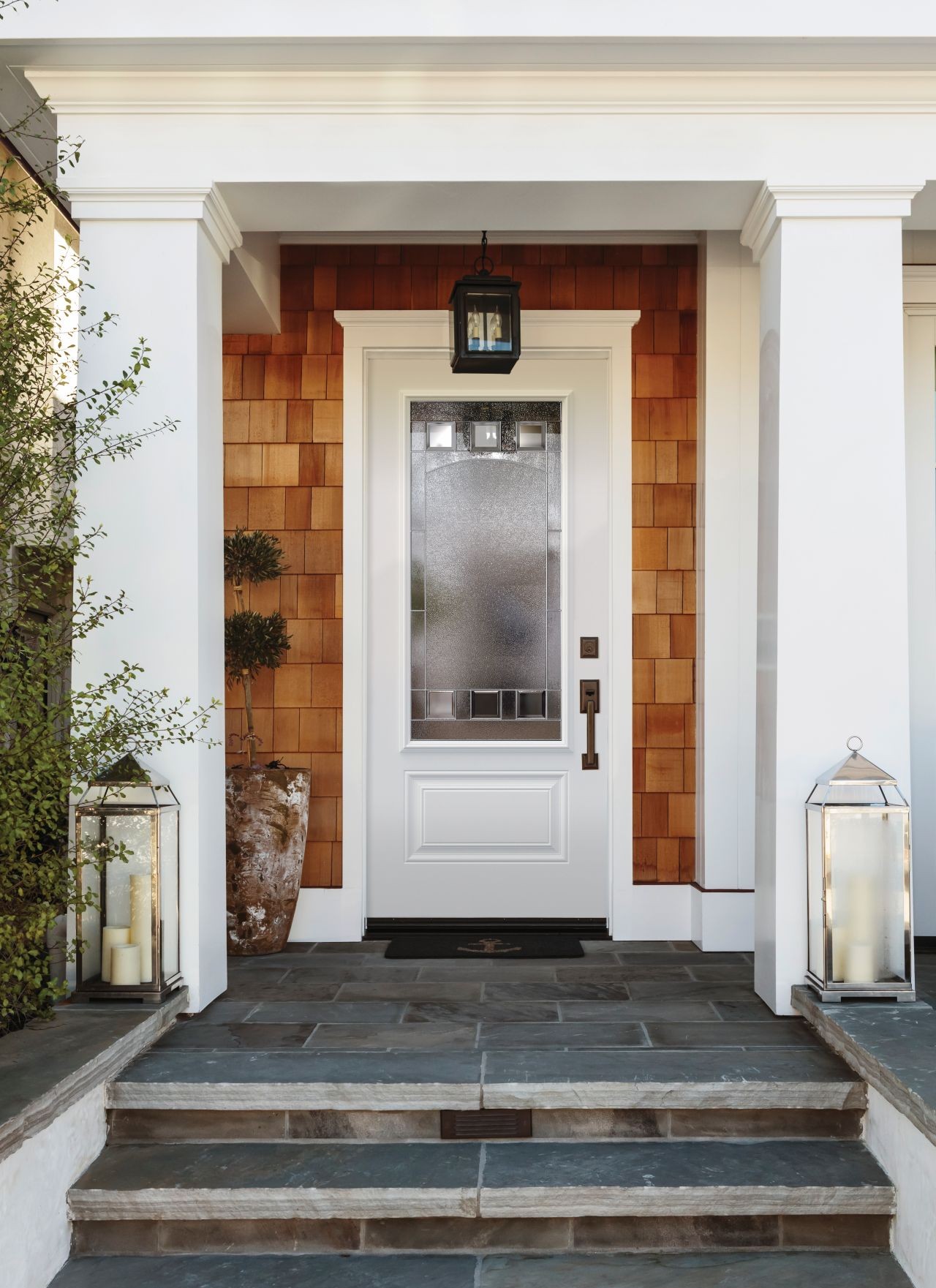
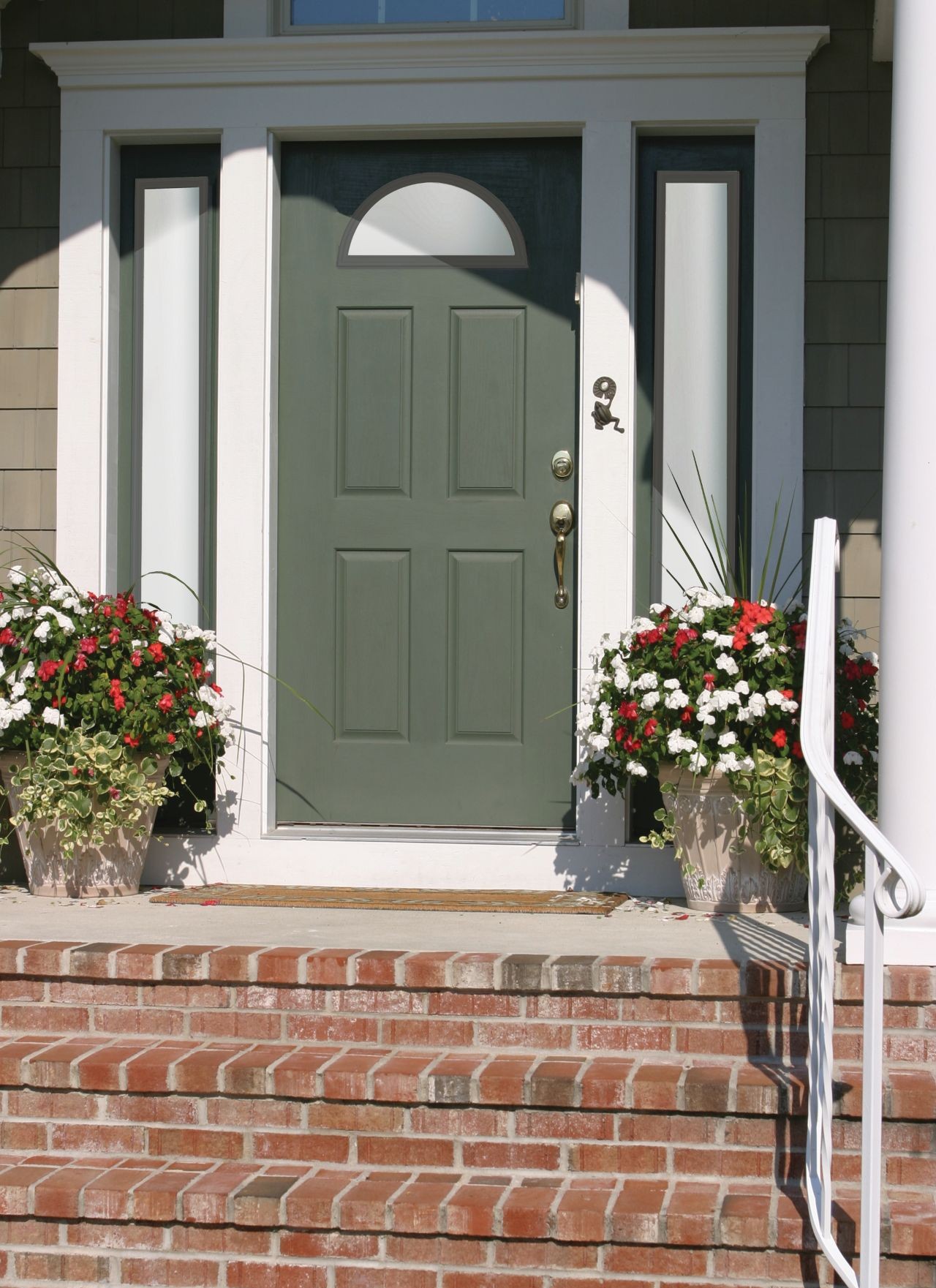
Traditional Colonial door trim features the classic cove-and-bead profile with subtle decorative ridges that create visual depth. This decorative trim typically measures 3-4 inches wide and incorporates design elements dating back to 1700s architecture, making it an ideal choice for creating timeless elegance in both historic and contemporary homes.
Colonial style door trim is highly adaptable to various finishes: crisp white paint for a clean contrast against your walls, warm cream tones for a softer approach, or natural wood stains that highlight the grain patterns... All of these work perfectly well on a colonial trim!
Designers often recommend choosing mitered corners for colonial door trim, as they allow the profile to flow seamlessly around the door opening.
Beaded Door Trim
Beaded door trim has a small, rounded bead detail running along the inside edge of the casing. This subtle detail adds texture without making the trim feel overly decorative.
Designers often use beaded trim in traditional or cottage-style homes where you want a little charm without going full Victorian. It looks especially good painted in soft whites, light grays, or pastel tones.
Craftsman Style Door Trim

Craftsman style door trim is inspired from the Arts and Crafts movement that developed in the British Isles and then spread across Europe and North America. Craftsman-style trim features thick, flat boards with a slight overhang at the top, emphasizing craftsmanship and simplicity. The boards range between 4 and 6 inches in width. In other words, it's all about clean, horizontal lines that pair well with different designs.
Most of the time, craftsman style door trim has a butted trim, meaning that the header sits across the top of the side pieces. However, you can also incorporate mitered corners into your Craftsman-style door trim.
Farmhouse Door Trim
Farmhouse door trim is all about the natural beauty and imperfections of rustic wood trim. It features simple, straight-lined boards that often accentuate visible grain patterns and knots, adding character. More often than not, farmhouse door trim lacks complex molding profiles because its beauty lies in texture, not form.
Popular finishes for farmhouse trim include:
- Weathered gray that mimics aged wood
- Whitewash treatments that allow the grain to show through.
- Clear protective stains that preserve the natural wood color while providing protection.
Victorian Door Trim
Victorian door trim is your go-to choice if you're looking for a timeless look, as it's praised for its decorative nature. It features ornate fluted boards with narrow vertical ribs and elaborate corner blocks. This style reflects the Victorian era’s appreciation for detailed craftsmanship.
The header pieces often include curved or geometric details that create a focal point above the door opening. On the other hand, the trim corners often display rosette blocks, which are used where vertical and horizontal mouldings meet, adding a decorative touch. They are very popular in the Victorian style.
Victorian trim looks best when painted in rich door colors like deep green, burgundy, or classic white. All these colours highlight the intricate profiles, which, after all, are there to shine, right?
Minimalist Door Trim

Modern door casing styles feature ultra-clean flat boards with no decorative profiles and ornamental details.
This minimalist door trim almost disappears into the overall interior design for a cohesive look. A more modern approach to this is color drenching, where the door casing is painted the same color as the walls and other elements in the room. But you can also go for slightly different shades, as the clean lines will look just as great! For example, if the room has white walls, you can paint the door trim light beige if you're aiming for a monochromatic scheme.
This design often makes spaces appear larger and more open, as it creates visual continuity.
Art Deco Door Trim
Art Deco door trim is defined by strong geometry and symmetry. Instead of soft curves, this style uses stepped layers, sharp angles, and bold proportions. The trim is usually wider and designed to frame the door as a standout feature.
Art Deco trim is recommended for spaces that already have personality, such as a home with patterned floors or dramatic lighting. It pairs well with glossy paint finishes or darker colors, as they emphasize the door's shape and the architectural lines that make this style stand out.
Oversized Door Trim
Oversized door trim uses extra-wide boards, often 6 inches or more, to create a strong architectural frame around the door. The profile itself is usually simple, letting the scale do the work.
From a design standpoint, oversized trim is a great way to add impact in homes with tall ceilings or large rooms. It helps doors feel more substantial and intentional, especially when paired with matching baseboards and window trim. Oversized door trim also pairs well with doors featuring glass panels, as they bring in natural light, amplifying the effect of the trim.
Arched Door Trim
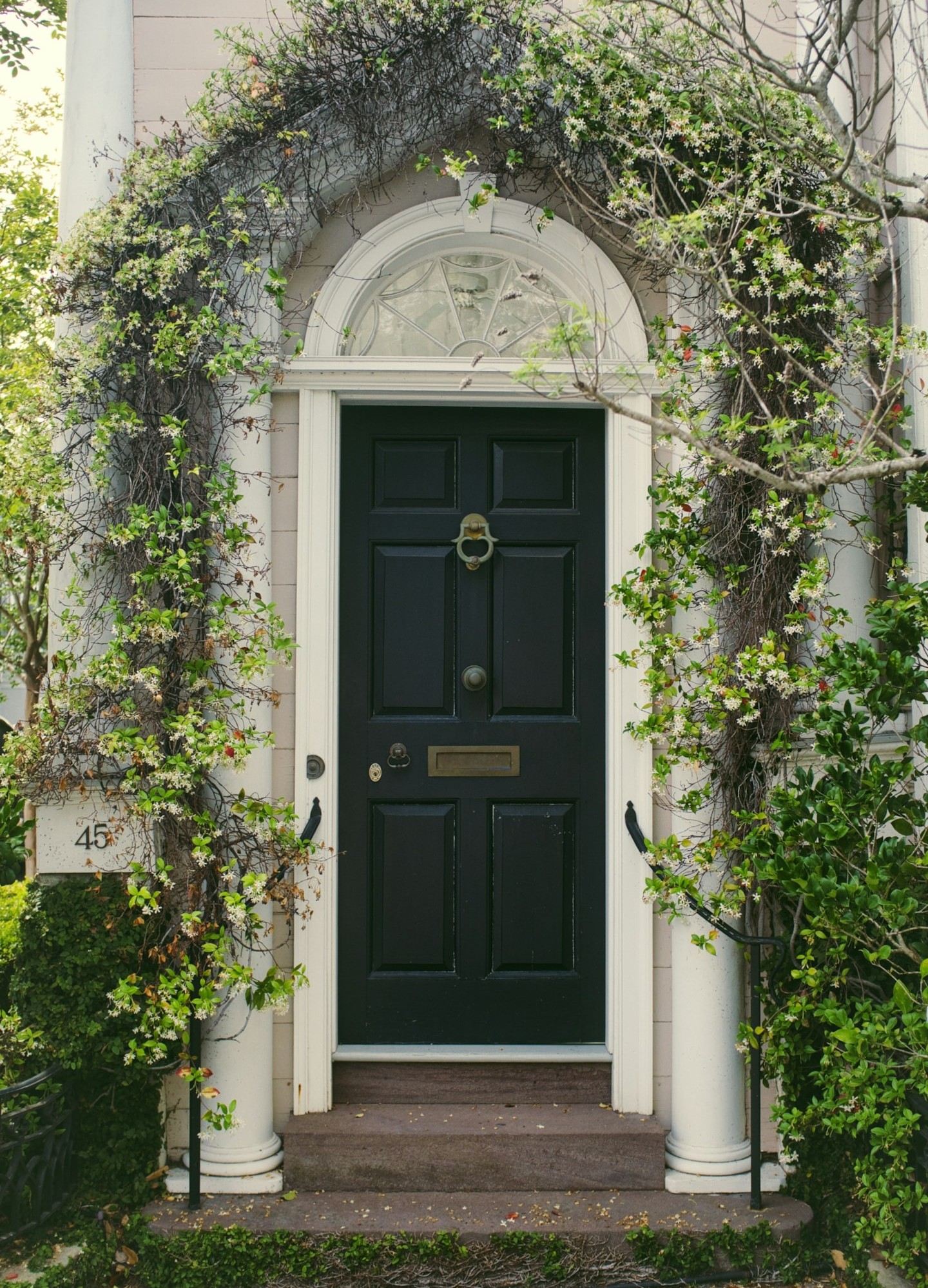
Arched door trim is designed to follow the soft curve of an arched doorway, which often features an arched transom window too. Unlike standard rectangular trim, this style requires flexible or custom-milled pieces for a clean, continuous curve.
Designers prefer arched trim because it adds a sense of flow and architectural interest, especially in Mediterranean, Spanish, or traditional style homes. The trim profile itself is usually simple, so the arch remains the focal point.
Rustic Door Trim
Rustic door trim emphasizes raw materials and a handcrafted feel. It typically uses thick, solid wood boards with rough-sawn textures, uneven edges, or visible saw marks. The trim is often wider and heavier than standard casing, giving the doorway a strong, grounded presence.
Homeowners often choose rustic trim for cabins, lodges, or homes inspired by nature. Natural stains, oil finishes, or lightly distressed paint enhance the wood’s character rather than hiding it.
Bold Statement Door Trim
This is not a door trim design per se, but it's undoubtedly a good choice for both exterior and interior doors.
Black is definitely a statement paint color, for example. Black door trim is one of the most preferred options, especially for front doors, as it anchors the home's exterior. It can be paired with the window trim as well for enhanced curb appeal.
Other bold door trim colors include:
- Navy Blue (often preferred as a contrasting color for front doors)
- Golden Yellow
- Coral
- Moss Green (especially with a semi-gloss finish)
- Grey
Door Trim Features
We've discussed the most common door trim designs. Now, what about accent features? Maybe you want an oversized flat door trim with some unique features in the corners, for example... Or maybe you want that minimalist door trim but with a tiny accent that would make it stand out just a bit.
Either way, here are some popular door trim features that you can incorporate into your design!
Crown or Header Moldings
Crown moldings are decorative pieces installed along the top of a door frame, often wider or more detailed than the side trim. They can feature curves, stepped layers, or traditional crown profiles, depending on your home's style.
Designers often use crown moldings to create a sense of height and elegance, as they can make even a simple doorway feel more formal. This feature pairs especially well with Colonial, Victorian, and Craftsman door trims.
Rosette Blocks
Rosette blocks are square or round decorative blocks placed at the top corners of a door frame. They usually include floral, geometric, or carved patterns and add a subtle touch of craftsmanship. Rosettes are incredibly common in Victorian and Craftsman designs.
Plinth Blocks

Plinth blocks are larger rectangular pieces installed at the base of vertical door trim where it meets the floor. They give the doorway a strong visual foundation, creating a sense of solidity and proportion.
Designers often include plinth blocks in traditional and Craftsman-style homes, where architectural weight and detail are important.
When choosing plinth blocks, go for those that are taller and thicker than the baseboards, and slightly larger than the door casing.
Beading
Beading is a small, rounded or oval detail that runs along the edges of a trim board. It introduces subtle texture and visual interest without overwhelming the doorway.
This feature works beautifully in Colonial and cottage-style interiors and can even fit a minimalist design!
Fluting or Reeding
Fluting or reeding consists of narrow vertical grooves carved into the trim surface. These repeating lines add depth and create rhythm, adding a layer of sophistication as well to otherwise flat boards.
Designers often use fluted trim in formal settings, particularly in Victorian or classical-style homes, where it highlights craftsmanship and elegance.
Step or Built-Up Profiles
Step or built-up profiles are created by layering multiple trim boards to give the doorway a deeper, more dimensional appearance.
Built-up trim works especially well in Colonial, Georgian, or other traditional-inspired interiors, where architectural detail is a key design element.
Casing Extensions or Side Panels
Casing extensions or side panels are additional trim boards that extend beyond the standard width or height of the doorway. Sometimes these extensions connect visually with baseboards or crown molding.
Material Choices and Costs
Here's a quick breakdown of the most popular door trim materials:
Pine is often the most affordable option and works well for paint-grade applications throughout most homes.
Medium-density fiberboard (MDF) has become increasingly popular for door casing because it comes pre-primed and accepts paint exceptionally well. It also resists warping and splitting.
Hardwood options like oak, maple, and cherry provide beautiful grain patterns that showcase natural wood beauty when stained. These materials typically cost more but offer superior durability and the rich appearance that only natural wood can provide.
PVC offers excellent moisture resistance, so it's perfect for bathrooms, mudrooms, and other areas where humidity might affect natural wood. These synthetic materials require minimal maintenance and won’t rot, warp, or require frequent repainting.
Casing vs Trim vs Moulding
While looking for door trim designs, you might stumble upon the terms casing and moulding as well, which can leave you a bit confused.
As such, here's the difference between casing, trim, and moulding.
Trim
The term trim is the broadest of the three and refers to any finishing element used to cover gaps or transitions between surfaces in a room.
Trim serves both functional and decorative purposes: it hides seams where walls meet floors or ceilings, protects edges from wear, and can add visual interest to a space. Baseboards, crown molding, door and window frames, chair rails, and wainscoting are all considered types of trim.
Trim is the umbrella term under which other elements, like casing and moulding, fall.
Moulding
Moulding is a specific type of trim that is usually decorative. Unlike simple boards or plain casings, moulding often has a shaped profile, such as curves, steps, or beads, that adds texture and architectural detail.
Its main purpose is to be seen and to enhance the style of a room. Mouldings are typically used on walls, ceilings, or furniture edges, where they create depth and visual interest.
Casing
Casing refers specifically to the trim that frames interior and exterior doors and windows. Its primary function is to cover the gap between the wall and the door or window frame, ensuring a finished look.
How Do You Choose the Right Window Trim?
Choose window trim based on your home's architectural style, the room's design, your budget, and whether the trim will be installed indoors or outdoors.
Traditional homes typically suit Colonial or Victorian trim, while Craftsman, farmhouse, and modern homes look best with cleaner, simpler profiles.
For exterior applications, prioritize durable materials like PVC or composite that can withstand moisture and changing weather conditions. Interior trim gives you more flexibility, allowing you to choose between painted finishes for a crisp, modern look or natural wood for added warmth and character.
t's also important to match your window trim with your baseboards, door casing, and crown moulding to create a cohesive appearance throughout the home.
Finally, consider the room's proportions. Wider trim generally complements larger windows and high ceilings, while narrower casing works better in smaller spaces.
What Are the Most Common Window Trim Mistakes?
The most common window trim mistakes include choosing a style that doesn't match the home's architecture, selecting the wrong material, using trim that's out of proportion, and failing to coordinate it with other interior finishes.
For example, highly decorative trim can look out of place in a modern home, while narrow casing may appear undersized around large windows.
Another common mistake is using MDF in moisture-prone areas or outdoors, where materials like PVC or composite are better suited.
Homeowners should also consider maintenance requirements before choosing natural wood, especially for exterior trim that requires regular painting or sealing.
Finally, window trim shouldn't be viewed as a standalone feature. Coordinating it with baseboards, doors, crown moulding, and the room's overall color palette creates a balanced, professionally designed look that enhances your home's interior or exterior.
Planning to Replace Your Door? Contact Magic
If you haven't replaced your exterior doors yet, now's the perfect time to book a free consultation with Magic, whose door units stand out on the Ontario market thanks to their revolutionary technologies!
Our doors are built specifically for the Canadian climate and can be customized in numerous ways to perfectly match your home's exterior!
FAQs
How to fill a gap around a door frame?
To fill a gap around a door frame, use caulk for small gaps, and expanding foam plus caulk for medium or large gaps, trimming the foam flush before finishing.
What is the current trend in baseboards?
Current baseboard trends favor taller profiles, natural wood or PVC, and more detailed or stepped modern designs, often in contrasting colors like dark baseboards on light walls
What is the trim around a door frame called?
The trim around a door frame is generally called casing or door casing; on exteriors, it may also be called brickmould or brickmold.