
Window Replacement & Repair
Legal Basement Window Size Ontario: A Complete Guide to Egress Windows
If you're planning to finish your basement, add a bedroom to it, or use it as a rental unit in Ontario, the egress window is one of the first things you need to sort out. It's also one of the most commonly misunderstood parts of the Ontario Building Code. It’s important to get all the details right because otherwise, you may have to deal with failed inspections, and you won’t be able to legally use your basement as a sleeping area.
So, what is the legal basement window size in Ontario? What makes a basement window legal? And what do you need to know before you start cutting into your foundation wall?
Quick Answer: Legal Basement Window Size Ontario
Here are the legal basement window size requirements in Ontario:
- A clear opening of at least 0.35 sq m (3.77 sq ft)
- No single dimension smaller than 380 mm (15 inches).
- The maximum sill height is 1,000 mm (4.9 ft) above the floor.
- If the window is below ground, a window well with at least 550 mm (21.6 in) of clearance is required to allow for a safe exit.
These measurements apply to the unobstructed opening, meaning the actual open space when the window opens fully, not the total frame, glass size, or rough opening size.
The Ontario Building Code requires at least one compliant egress window on every floor level with a sleeping area, unless that level has an exterior door with direct access to the outside. Building code requirements vary based on where you're located. Always confirm requirements with the National Building Code of Canada and your local building code before starting any work.
What Is a Basement Egress Window?
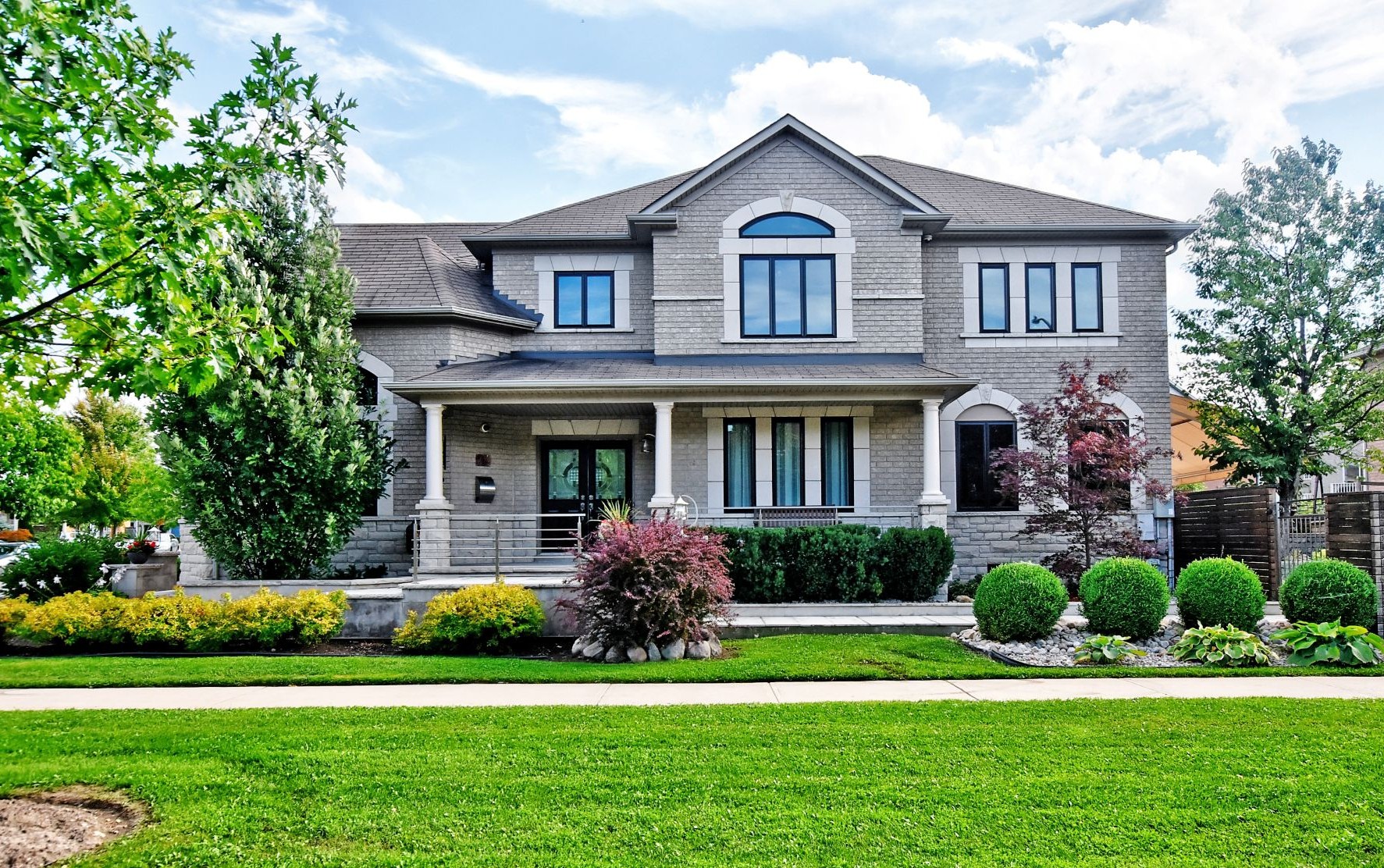
An egress window is a window that's large enough to be used as an emergency escape. If the stairs are blocked by fire or smoke, your family and emergency responders need another way in and out, which can be done through an egress window.
Not all window styles and sizes qualify for egress windows. Building codes set specific requirements for their size, operation, and placement. A small, fixed basement window near the ceiling won't meet egress requirements, for example. But a properly sized casement window with a window well can be a good choice.
The Ontario Building Code requires at least one window (or an exterior door) per floor level that contains a sleeping area. This is what makes basement bedrooms different from a basement office or rec room. If someone sleeps in the basement, you need an egress window. For more details about egress window requirements in bedrooms, read our guide on this topic.
Beyond the safety aspect, a properly sized egress window brings in natural light that makes a basement bedroom feel larger and much more comfortable.
What Is the Legal Basement Window Size in Ontario?
The legal basement window size isn't about the total size of the frame. It's about the unobstructed opening, the actual space a person can climb through when the window opens fully.
Under the Ontario Building Code, every code-compliant egress window must meet all of the following:
All three requirements have to be met at the same time. The 380 mm rule applies to both the width and height of the unobstructed clear opening; basically, a very wide but very short window won't pass just because the area matches the egress requirements.
For example, a window that measures exactly 380 mm × 380 mm gives you only 0.144 sq m of opening, which is less than half the required area. So, you need at least one dimension to be significantly larger than 380 mm to reach that 0.35 sq m minimum.
Window Sizes that May Qualify for Egress
Here are some basement window sizes that may qualify for egress:
How to Measure Your Existing Basement Window
Grab a tape measure and open the window completely. Measure the clear opening: the open space inside the frame, not including the window sash, frame edges, or hardware. Multiply width by height. That number needs to be at least 0.35 sq m, and neither measurement can be less than 380 mm.
Additional Window Code Considerations
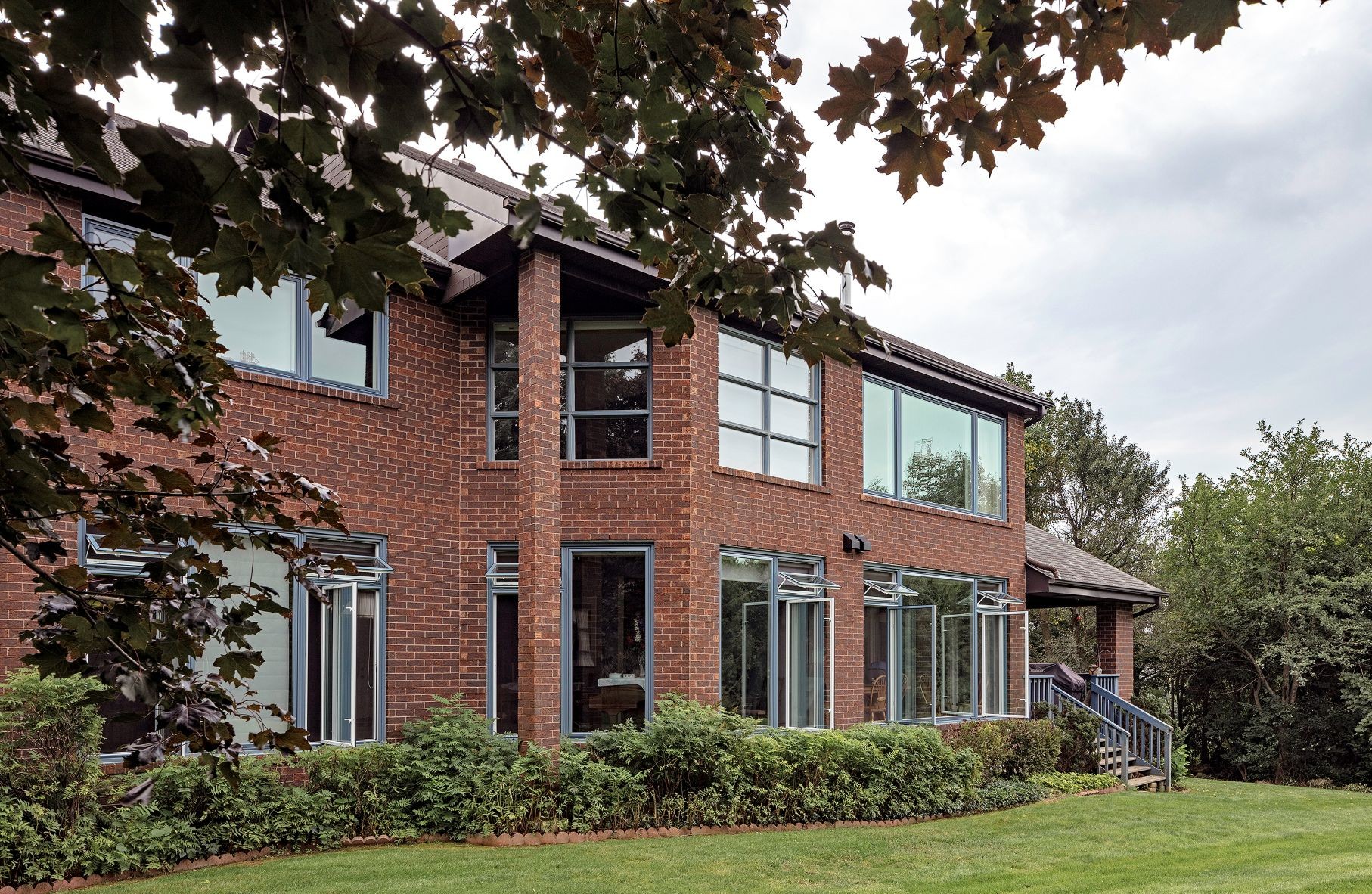
There are a few extra requirements worth knowing about besides the egress ones that deal with general basement access/escape. As per section 9.10.20.2 of the Ontario Building Code:
- If a basement in a house is more than 25 m (82 ft) long or wide and doesn’t have a fire sprinkler system, it may need direct access to the street.
- That access can be provided through a door, window, or another approved opening.
- This opening must be at least 1,100 mm high (43 in) and at least 550 mm wide (22 in)
- The bottom of the opening (the sill) can’t be more than 1,100 mm (43 in) above the floor.
- Access is also permitted through an interior staircase that is accessible from the outdoors.
This section does not deal with the basement’s habitability, so if your basement also needs an egress window, the window should meet those requirements, too. If you’re unsure about what requirements to follow, we recommend talking to a specialist.
Which Window Types Work for Egress?
Not all window styles meet basement egress requirements. In the following sections, we’ll discuss those that might be suitable, as long as they’re properly sized.
Casement Windows
Casement windows are hinged on one side and crank fully open outward. When fully open, almost all of it becomes a usable, clear opening. For most Ontario basements, casement windows are the go-to choice for basement egress windows.
One downside of standard casement windows is that they come with a crank mechanism, which is not the best choice for egress windows. Crank mechanisms fail quite often. It can be difficult to open the window, especially if the crank mechanism shows signs of wear and tear. Those extra few seconds one spends rotating the crank handle can be very important during an emergency.
This is one of the reasons Magic has designed casement windows without cranks. Magic windows feature our patented Parallex hardware that allows you to open them easily. All you have to do is turn a handle and push the sash outwards. It takes a second! Because of this, our crankless casement windows are perfect for basements and, implicitly, emergency exits.
If you want to install casement egress windows, keep in mind that the window well should be large enough for the window sash not to obstruct the exit.
Sliding Windows
Sliding windows open horizontally, but, in most windows, only half the window slides at a time. This means that the openable portion, which is the only part that counts as unobstructed opening, is half the total window size. To meet egress requirements with a slider, you'd need a frame roughly twice as large as a casement, which means a bigger cut in your foundation wall and more money spent.
However, you can also get sliding windows with sashes that open fully inwards, both of them, so the entire opening can be used as egress. Magic sliding windows have this feature and can be suitable for egress.
Double Hung Windows
Double hung windows open vertically and have two movable sashes. But like sliding windows, each sash covers only part of the frame, and the unobstructed open portion from one sash alone needs to meet the minimum dimension and area requirements. You'll need a larger overall window size to get there.
Windows That Don’t Qualify for Egress
Here are the window styles that don’t usually qualify as egress windows:
- Awning windows, because they usually open up to a 45-degree angle
- Transom windows, because they usually open up to a 45-degree angle (although some models open to a 90-degree angle, just make sure to confirm this with the manufacturer)
- Picture windows
Window Well Requirements

If your basement egress window sits below ground level, you need a window well, which is a recessed space in front of the window.
The Ontario Building Code requirements for window wells:
- Minimum 550 mm clearance between the face of the window and the outer wall of the well.
- If the window sash swings outward into the window well, it must not reduce that clearance in a way that would restrict escape.
- If a protective enclosure (cover) is installed over the well, it must open from the inside without tools or special knowledge of the opening mechanism.
- If the well depth exceeds 900 mm from the sill height to the top edge, a permanently attached ladder or steps is generally required.
Don’t forget that Ontario winters are hard on window wells. Freeze-thaw cycles, spring snowmelt, and heavy summer rain can fill a poorly designed well fast. If your window well is regularly flooded, it will put pressure directly on your foundation wall.
A proper drainage system for the window well usually includes a gravel base at a minimum and, in many cases, a drain tile connected to the weeping tile system or sump pump.
Can You Put Security Bars on an Egress Window?
Yes, you can put security bars on an egress window, but with a specific condition. Security bars on a basement egress window must have an interior quick-release mechanism that opens without tools or special knowledge. A bar system that requires a key or a release that isn't obvious is a code violation. If security bars restrict escape in an emergency, they're not compliant.
Ontario Climate and Your Egress Window
Given the climate in Ontario, it’s important to make sure that your basement egress window can withstand the harsh weather in our province. Here are some things to keep in mind:
- Window frames contract in winter. Choose a window frame material that can withstand temperature fluctuations.
- Opening mechanisms can stick or bind in winter. Look for windows with tested cold-weather operability, not just summer performance.
- Snow can accumulate in the window well if it’s not protected. This can block your emergency exit.
- Peak water flow during March and April in Ontario far exceeds the average. Design the window well drainage for peak flow, not average conditions.
- High-performance glazing with low-E coatings and argon fill is recommended for basements, which are prone to high humidity. They can also improve energy efficiency.
- Properly sealed interior trim keeps cold air from infiltrating around the frame into the sleeping area below.
Ready to Install? Talk to Magic First!
If you’re not sure which window suits your basement best, book a free consultation with Magic and talk to one of our experts. They will assess your basement layout, your budget and preferences, as well as the climate in your region, to help you find the perfect basement egress windows for your home.
Moreover, Magic windows are built specifically for the Canadian climate, so you can rest assured they’ll insulate your basement as well as windows can. Curious to learn more? Book a consultation today!
FAQs
How many egress windows are required in the basement?
Generally, at least one compliant egress window is required on every floor level with a sleeping area, unless that level has a door leading directly to the outside. However, it's best to confirm that with the local building department.
What is the minimum legal basement window size in Ontario?
The minimum egress window opening in Ontario must provide at least 0.35 sq m (3.77 sq ft) of clear opening area, with no single dimension less than 380 mm (15 inches). This refers to the unobstructed opening when the window is fully open, not the frame size.
Do all basement bedrooms need an egress window in Ontario?
Yes, any basement room that is used as a sleeping area must have at least one compliant egress window or an exterior door. Without it, the space cannot legally be considered a bedroom under Ontario Building Code standards.
Can I use my basement as a bedroom without an egress window?
No, without a compliant egress window (or direct exterior exit), the space does not meet safety requirements for sleeping use. This can lead to failed inspections and issues with insurance or rental legality.
Do basement egress requirements apply to rental units in Ontario?
Yes, rental basement units must meet all applicable Ontario Building Code requirements, including egress window requirements in each sleeping area, to be considered legal and insurable.