Front Doors
What Is A Multipoint Door Lock? Here's What You Need to Know!
If you've been shopping for a new front door or thinking about upgrading the lock on your existing door, you've probably come across the phrase multipoint door locks.
They're everywhere for good reasons: better security, weather performance, and door integrity.
In this article, we'll provide you with all the information you need to understand what multipoint locks are: hardware types, materials, finishes, prices, and more! We'll explain exactly what multipoint door locks are, as well as their advantages and disadvantages. We'll also share some tips on how to choose the best multi-point products, so read on!
Key Takeaways
- A multipoint door lock is a single mechanism that secures the door at several points along its height, not just one.
- A good multipoint lock pulls the whole door tight into the frame, so you get better security, fewer drafts, and a door that just feels “right” every time you close it.
- Multi-point door locks are fantastic when installed properly, but problematic when they’re not.
What Is a Multipoint Door Lock?
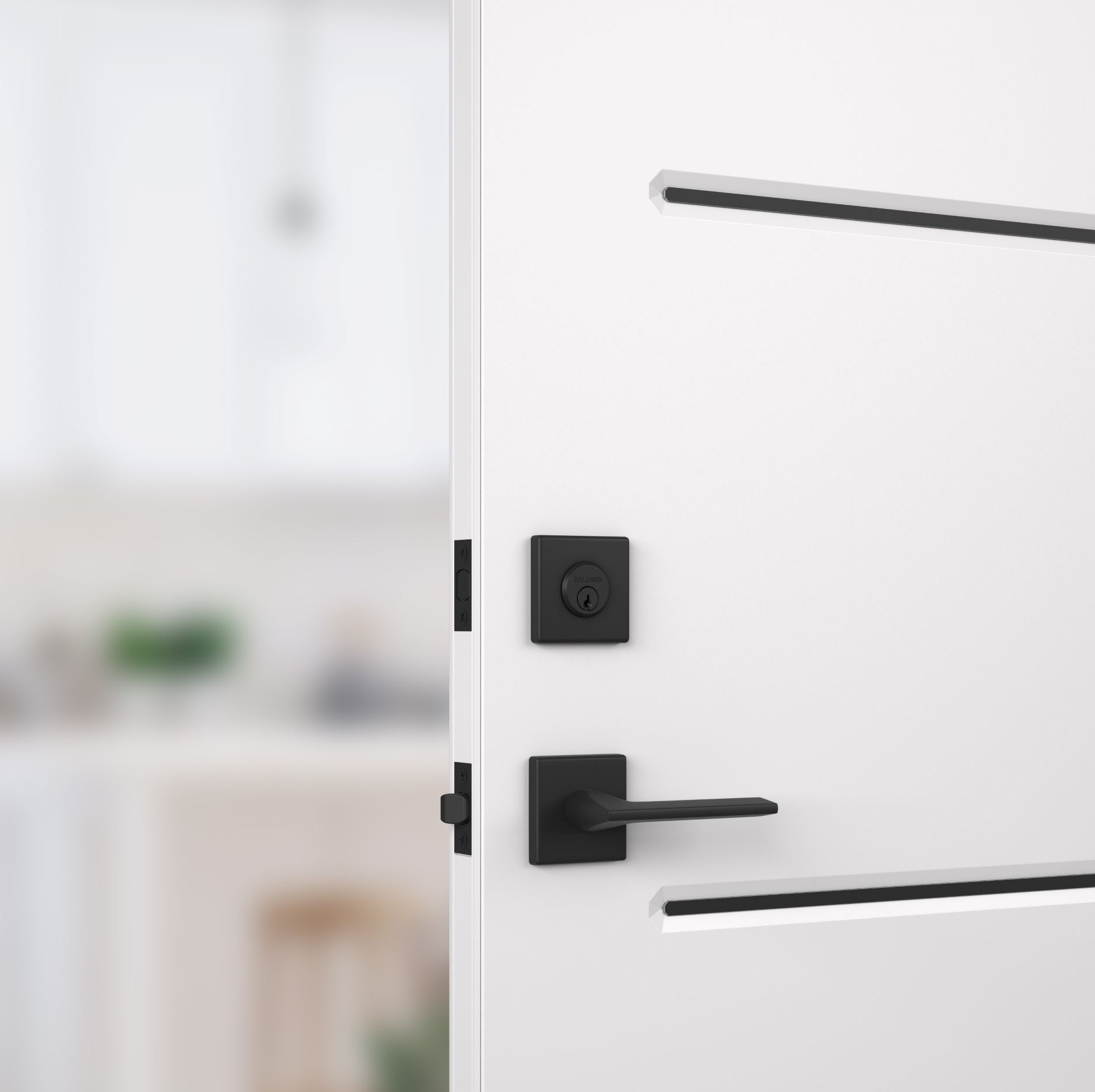
A multipoint door lock is a locking mechanism that secures a door at several points along its edge with a single operation of the handle and cylinder. Instead of having one deadbolt in the middle, a door with a multipoint lock has three, five, or more locking elements (e.g., bolts, hooks) equipped with matching keep plates in the door frame.
Because the locking mechanism is positioned along the height of the door, the door is pulled tightly into the frame when locked. This further improves security and even energy efficiency. It can also help prevent door warping over time.
How Do Multipoint Door Locks Work?
Most multipoint locks have three main parts:
- Lock case (or gearbox): the central mechanism housed inside the door edge that converts handle movement into motion along the lock.
- Locking points: these are the visible elements along the edge (hooks, deadbolts, mushroom cams, rollers) that engage in the frame.
- Cylinder and handle: the cylinder (Euro-profile, oval or other) operates the deadbolt and/or releases the handle. The handle movement (sometimes you lift the handle first) engages the locking points.
Advantages of Multipoint Door Locks
Multipoint door locks are incredibly sought after nowadays, thanks to their benefits, among which these are the most appreciated by homeowners:
- They provide higher security due to the multiple engagement points, which are much harder to break than a single deadbolt.
- They provide better sealing and weatherproofing. Multi-point door locks pulls the door evenly into the frame, which compresses the seals along the whole edge so wind and rain cannot enter your home.
- They can prevent warping and thus prolong the door's lifespan because they can help keep the door square. With a multipoint lock, the pressure is not on a single anchor point, but spread out evenly between different locking points, which helps improve the structural integrity of the door.
- They can improve the door's soundproofing properties.
- They're convenient! As simple as that - you need just one key/handle to secure the entire door; much easier than with multiple bolts.
- They're designed to fit modern door styles and materials without large, visible deadbolts.
Disadvantages of Multipoint Door Locks
It's not all roses, though. Like anything else on the market, multipoint locks have some downsides you should be aware of, including:
- They're mechanically more complex than single-point deadbolts and, therefore, they're more expensive to install and repair.
- If the door frame shifts, the lock may not engage smoothly. Multipoint locks rely on precise alignment.
- Older or poorly designed multipoint locks can feel stiff, so you'll have to choose wisely.
- If the gearbox fails, you may have to replace the entire unit.
How to Choose a Multipoint Lock for Your Door
If you're not very familiar with door systems and hardware, you'll probably find it slightly confusing to compare all the locks on the market. So, how can you choose the best one for your door? Here's what to consider:
- Door material and thickness: many multipoint locks are designed specifically for uPVC/composite doors versus timber or metal. So, make sure to check compatibility and door thickness range (too thin or too thick can be an issue).
- Number and position of locking points: three-point is common for standard doors; five- or seven-point systems are available for taller or higher-security doors.
- Type of locking points: choose hooks or mushroom cams if anti-lift resistance is a priority; rollers for easier closing and comfort.
- Cylinder quality: the cylinder is the one component that is most likely to be attacked by intruders. So, look for anti-snap, anti-bump and anti-pick features and opt for a reputable brand.
- Operation style: decide whether you want a lift-to-lock, automatic or shootbolt action.
- Certifications and standards: check local security or building standards and look for products that meet recognized test standards for forced entry resistance in your region.
- Finish and aesthetics: the faceplate and visible furniture should match your door and resist weathering.
- Spare parts and serviceability: buy from manufacturers or suppliers that supply replacement cylinders, keeps and faceplates. It reduces long-term costs.
- Budget vs real security: a unit with a lower price may save money upfront, but it can cost more later (repairs/replacement) and will offer much less protection. We recommend choosing a high-quality cylinder even if it means choosing a mid-range gearbox.
If you're still not sure which locking mechanism is better for your door, speak to a door/supplier or local locksmith and show them your door.
Extra Tips Before Shopping
Before going to the store, take photos and measurements of your existing lock and door. For example, you'll have to identify the:
- Backset size (the distance from the spindle's centre to the front of the face plate)
- Centre size (the distance between the centre of the spindle and the centre of the keyway)
- Faceplate size (the metal strip running along the edge of the door)
- Number of locking points
- Distance between outer locking points and inner locking points
Can You Install a Multipoint Lock Yourself?
Short answer: maybe, depending on your experience, the door, and the lock.
If you’re replacing an existing multipoint lock on the same door, DIY is much more feasible. You’re mostly swapping cases, cylinders and strikes. If the profiles match and the door already has the correct mortice and keeps, you'll likely manage to do this yourself, especially if you've replaced door locks in the past. .
If you’re retrofitting a multipoint lock to a door that doesn't have one, it's better to hire a professional. It implies significant woodworking and accurate measuring.
In short, call a professional if:
- The door is your main entrance, and you rely on it for security.
- The frame needs modification, or the lock requires new keep plates.
- You're installing aluminum, steel, or specially reinforced doors, as those often require specialist tools.
- You're not sure about cylinder choice or local regulations.
How to Maintain Multipoint Door Locks?
Once your door lock is installed, don't skip the maintenance routine! Even the best lock will show signs of wear and tear with everyday use, so it's best to inspect your locking system every once in a while. Check if the handle operates smoothly, if the bolts move freely, and if the key turns without grinding.
Then, you'll have to clean and lubricate the system at least once a year, as well as keep the door frame clean. If you notice any loose screws, tighten them up.
Furthermore, if the handle becomes stiff or the lock doesn't engage, you might be dealing with door sag or misalignment. You can adjust the hinges/shims or the keeps. If the issue persists, seek professional help.
And if you live in a coastal location, check for corrosion. Ideally, you'd have locks with a corrosion-resistant finish, but even those can rust sometimes.
Common Issues with Multipoint Door Locks and How to Solve Them
- The handle lifts, but the lock points don’t engage: likely gearbox or internal linkage failure. Test with the door open and contact a locksmith if needed.
- The key won’t turn, but the handle works: cylinder issue; lubrication or cylinder replacement may be needed.
- The door is hard to close: likely misalignment; check hinges and adjust the keeps; you might need to seek professional help if the door frame has shifted significantly.
- The lock is stiff in cold weather: humidity and cold can stiffen seals and mechanisms; keep them lubricated and warm where possible.
- Snapped cylinder or forced entry evidence: stop using that key, call a locksmith immediately and replace the cylinder (and possibly the whole lock).
Final Thoughts
Multipoint locks are one of the smartest upgrades you can make to your front door, especially if you care about security, energy efficiency, and long-term durability. But hardware alone isn’t enough. You need a door system that’s built and installed the right way.
That's exactly where Magic shines.
We engineer some of the best-performing, most secure custom entry systems in the GTA. We use innovative sealing systems, premium hardware (including top-tier multipoint locks), and 30% more steel to really keep you safe in your home!
So, if you want a front door that's not only secure but also airtight, aesthetically pleasing, and built to last for decades, contact Magic today for more information! We'll walk you through the options, show you how locking systems integrate into our doors, and help you choose a unit that genuinely elevates your home's comfort and security!
FAQs
What are the problems with a multi-point locking system?
Multi-point locking systems have a higher price point and can be difficult to install or repair compared to standard locks. They also have more moving parts, which can wear out or become misaligned, causing the door to stick or not lock properly.
Are multipoint locking systems worth it?
Yes, for many homeowners, multipoint locking systems are worth it because they provide stronger security, better sealing, and improved energy efficiency. However, their added cost and maintenance needs may not be ideal for those seeking a simple, low-maintenance lock.
What is the difference between a deadbolt lock and a multipoint lock?
A deadbolt secures the door at a single point, typically using one solid bolt that extends into the door frame. A multipoint lock secures the door at several points, usually the top, middle, and bottom, engaging multiple bolts or hooks with a single handle or key turn.
What makes multipoint door locks more secure than traditional single-point locks?
Multipoint door locks provide enhanced security by fastening the door at multiple points along the frame, thereby making forced entry significantly more difficult than with traditional single-point locks.
Can multipoint door locks be installed on any type of door?
Multipoint door locks can indeed be installed on various door types, including hinged, French, and sliding glass doors. But you'll have to ensure that the lock system you choose is suitable for your door and for its operation side (left- or right-handed doors)
How often should I maintain my multipoint door lock?
You should maintain your multipoint door lock at least once a year through regular cleaning and lubrication.