
Window Styles & Comparisons
7 Types of Basement Windows: Pros, Cons, and Tips
Planning to upgrade your basement? If so, you're probably looking for basement windows, right? What types of basement windows are there? Which one's the best? Which one meets egress requirements? And do all basements need windows, after all? Keep reading to find out!
Quick Answer: Types of Basement Windows
The most common types of basement windows include awning, hopper, sliding, casement, fixed, double-hung, and glass block windows.
Choose your basement windows based on your goals. Casement windows are usually the easiest to configure for egress, awning and hopper windows work well for ventilation in tight foundation openings, while sliders and fixed windows are often chosen for affordability or natural light. If your basement includes a bedroom, at least one window must meet Canadian egress requirements, meaning it must provide a clear opening large enough for emergency escape.
7 Types of Basement Windows
Basement windows refer to low-profile window styles designed to fit foundation openings, manage moisture exposure, improve ventilation, and meet egress code requirements depending on room use.
As such, here are 7 types of basement windows.
1. Awning Windows

Awning basement windows are hinged at the top and open outwards from the bottom. They create a small roof over the window opening. Most awning windows are operated with a hand crank. As you turn the handle, the bottom of the sash pushes away from the house. For Canadian homeowners, this is a major benefit during spring and fall, because you can keep the window open for fresh air during a light rain shower without water getting inside. This is particularly beneficial for basements.
Because they use a compression seal, awning windows are exceptionally good at blocking cold winter drafts.
Pros:
- The awning shape allows for ventilation even during wet weather.
- It is one of the most energy-efficient operable windows due to the way it closes.
- They usually consist of a single pane of glass without bars or tracks in the middle.
Cons:
- You cannot use these if you have a walkway, bushes, or a deck immediately outside the window.
- It is difficult to reach the outside glass from the inside of the house.
- The insect screen sits on the inside, where it can collect household dust more easily.
- It is not suitable for egress.
2. Hopper Windows
Hopper windows are rectangular and hinged at the bottom, meaning they tilt inward from the top. You operate a hopper window by pulling a latch at the top of the frame and letting the glass sash lean into the room at an angle.
In a basement, this design is very practical because the window sash acts as a shield. If there is dirt, leaves, or a bit of snow sitting against the window outside, the inward-tilting glass prevents that debris from falling directly onto your basement floor when you open it.
They are typically installed high up on the wall.
Pros:
- The inward tilt keeps outdoor mess from falling inside.
- Since hot air rises, opening the top of the window allows stale air to escape quickly.
- Their small size and sturdy locking mechanisms make them difficult for intruders to climb through.
Cons:
- Because they swing into the room, they can interfere with blinds or furniture placed right against the wall.
- They are often installed very high, which may require a step stool to open and close.
- They are rarely large enough to serve as a legal emergency exit for a basement bedroom.
3. Slider Windows (Gliders)
Sliding basement windows feature at least one glass panel that slides horizontally along a track, much like a sliding patio door.
A slider consists of two panels: one is usually fixed, and the other slides over it to open. These are ideal for basements that are mostly above ground. Because they don't swing in or out, they are perfect for tight spaces. However, the Canadian climate can be tough on sliders because they do not seal as tightly as casement windows or awning windows.
Pros:
- They don't require any clearance inside or outside to operate.
- Simple mechanics usually make these the most affordable option.
- Most modern sliders allow you to lift the glass panels out for easy cleaning or to move large items into the basement.
Cons:
- The bottom track can collect dirt, insects, and ice, which requires regular cleaning.
- They are generally less airtight than crank-style windows (like awnings or casements).
- You can only ever open half of the window at one time.
- To serve as an emergency exit, only half of the opening must meet egress requirements, as the other panel stays fixed.
4. Casement Windows

Casement windows are hinged on one side and swing outwards like a door. They are widely considered the highest-performing windows for finished basements.
Like awning windows, casements are usually operated by a hand crank. When fully opened, the sash stands at a 90-degree angle to the house. This makes them the best choice for basement bedrooms because they provide the largest possible opening for an emergency exit.
In Canada, casement windows are highly valued for their security and weatherproofing. They feature multi-point locking systems that pull the window tight against the weatherstripping to stop the wind.
Pros:
- The entire window area opens, allowing for total airflow.
- The easiest style to configure for Canadian egress (emergency exit) codes.
- When locked, they are nearly impossible to pry open from the outside.
Cons:
- If your window is below ground level, your window well must be wide enough to allow the window to swing open fully.
- The complex hardware and heavy-duty frames make these more expensive than sliders or hoppers.
- The cranks and hinges need occasional lubrication to prevent them from seizing over time.
5. Fixed (Picture) Windows
Fixed windows are stationary glass units that do not open. They are designed exclusively to let in light.
There are no hinges, tracks, or handles. These windows are permanently sealed into the frame. In a basement, they are often used in storage rooms, cold cellars, or hallways where you want natural light but don't need to worry about air circulation.
Pros:
- With no seams or openings, there is zero risk of air leaks or drafts.
- An intruder would have to physically break the glass to get through, as there is no latch to pick.
- These are the least expensive windows to manufacture because they have no moving hardware.
Cons:
- They cannot help reduce basement humidity or provide fresh air.
- They cannot be used as an emergency exit in a bedroom.
- You must go outside (and possibly into the window well) to clean the glass.
6. Double-Hung Windows
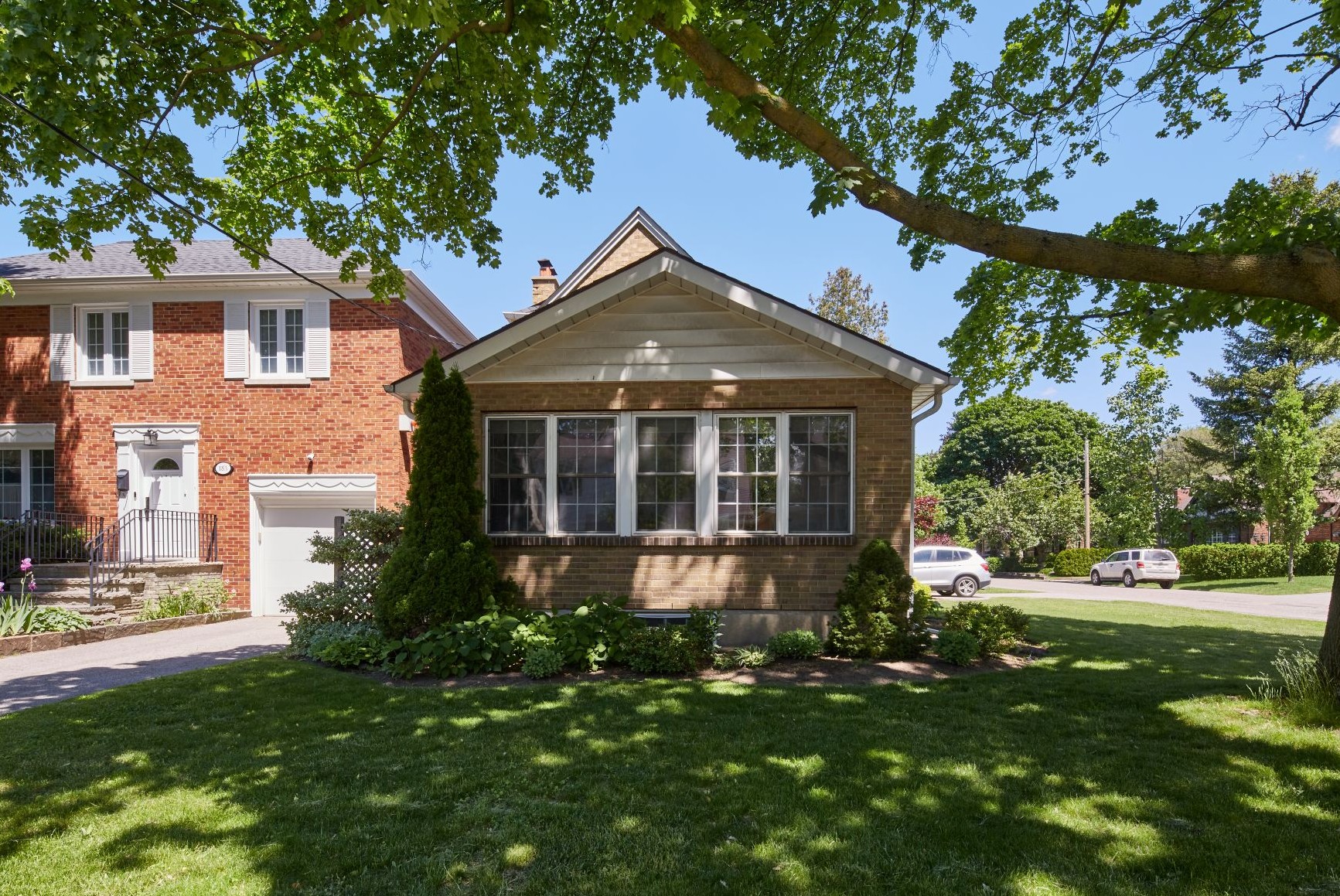
Double-hung windows are a traditional style where the window is divided into two parts (sashes) that slide vertically up and down.
In a double-hung window, both the top and bottom sections are functional (unlike in single-hung windows, which have only one operable sash). You can slide the bottom half up or the top half down. While these are more common on the upper floors of Canadian homes, they are often found in "daylight basements" where a significant portion of the wall sits above the ground.
A unique feature of modern double-hung windows is that the sashes often tilt inward, which is a huge advantage for basements; it allows you to clean the exterior glass without having to crawl into a cramped or muddy window well.
Pros:
- You can open the top sash to let hot air out while keeping the bottom closed for safety.
- The tilt-in feature makes cleaning simple from inside the house.
- They match the look of classic Canadian architecture perfectly.
Cons:
- Double-hung windows are not as energy-efficient as casement windows.
- They require a tall vertical opening, which many basement foundations don't have, so they rarely fit egress requirements in basements.
- They can be heavy to lift, especially in older wood-frame models.
7. Glass Block Windows
Glass block windows are not windows per se; they are thick, masonry-like blocks of glass that are mortared together into the foundation opening.
These windows are permanent fixtures that do not open. They are popular in older urban areas like Toronto or Montreal because they provide maximum privacy while still letting in light. Because the blocks are thick, they offer surprisingly good insulation.
Many Canadian homeowners choose these for basement bathrooms or rooms facing a neighbor’s house because they obscure the view from the outside completely while remaining nearly impossible for an intruder to break through. They can also be installed in interior walls.
Pros:
- They are almost as sturdy as the foundation wall itself and virtually impossible to breach.
- They allow ample natural light into the basement without letting anyone see inside.
- They are waterproof and won't rot, rust, or warp regardless of how much snow piles against them.
Cons:
- They provide zero airflow unless a small "vent" block is specifically installed in the middle.
- They cannot be used as egress points.
- Once they are mortared in, they are difficult and messy to remove or replace.
Basement Walkouts

A basement walkout is not a type of basement window; it's a basement opening. It is usually a combination of a large window and a door (often sliding glass or French doors) that leads directly outside.
Walkouts are typically found in houses built on a slope. Because they involve a full-sized door, they require careful attention to drainage. You must ensure that the exterior landing is properly sloped and equipped with a drain to prevent melting snow or heavy spring rain from flooding your basement.
Pros:
- They provide as much natural light as any main-floor room.
- A walkout is the easiest way to meet the strict Canadian codes for a legal basement apartment.
- Homes with walkout basements typically sell for more than those with standard "sunken" basements.
Cons:
- Installing a walkout is a major construction project involving excavation and structural changes.
- Large glass doors can be a major source of heat loss in the winter if they aren't triple-pane.
- Because they provide a full-sized entry point at ground level, they require high-quality locks and security measures.
Important: The Canadian Egress Rule
If your basement includes a bedroom, the National Building Code of Canada requires at least one window to be a basement egress window. And not all windows qualify for egress. They must be large enough for an adult to crawl through in case of a fire. Here are some basic guidelines:
- The clear opening must be at least 0.35 m² (3.77 sq. ft.).
- No side (height or width) can be less than 380 mm (15 inches).
- If the window is below ground, the well must extend 760 mm (30 inches) out from the wall to give you room to climb out.
- Egress windows must not be obstructed by bars, grilles, or other fixtures unless they are easily removable from the interior without tools.
Keep in mind that these requirements vary based on where you're located. For example, there are some variations in the Ontario Building Code. If you want to read more about egress window requirements in Canada, you can check our comprehensive guide on this topic.
Basement Window Materials for the Canadian Climate
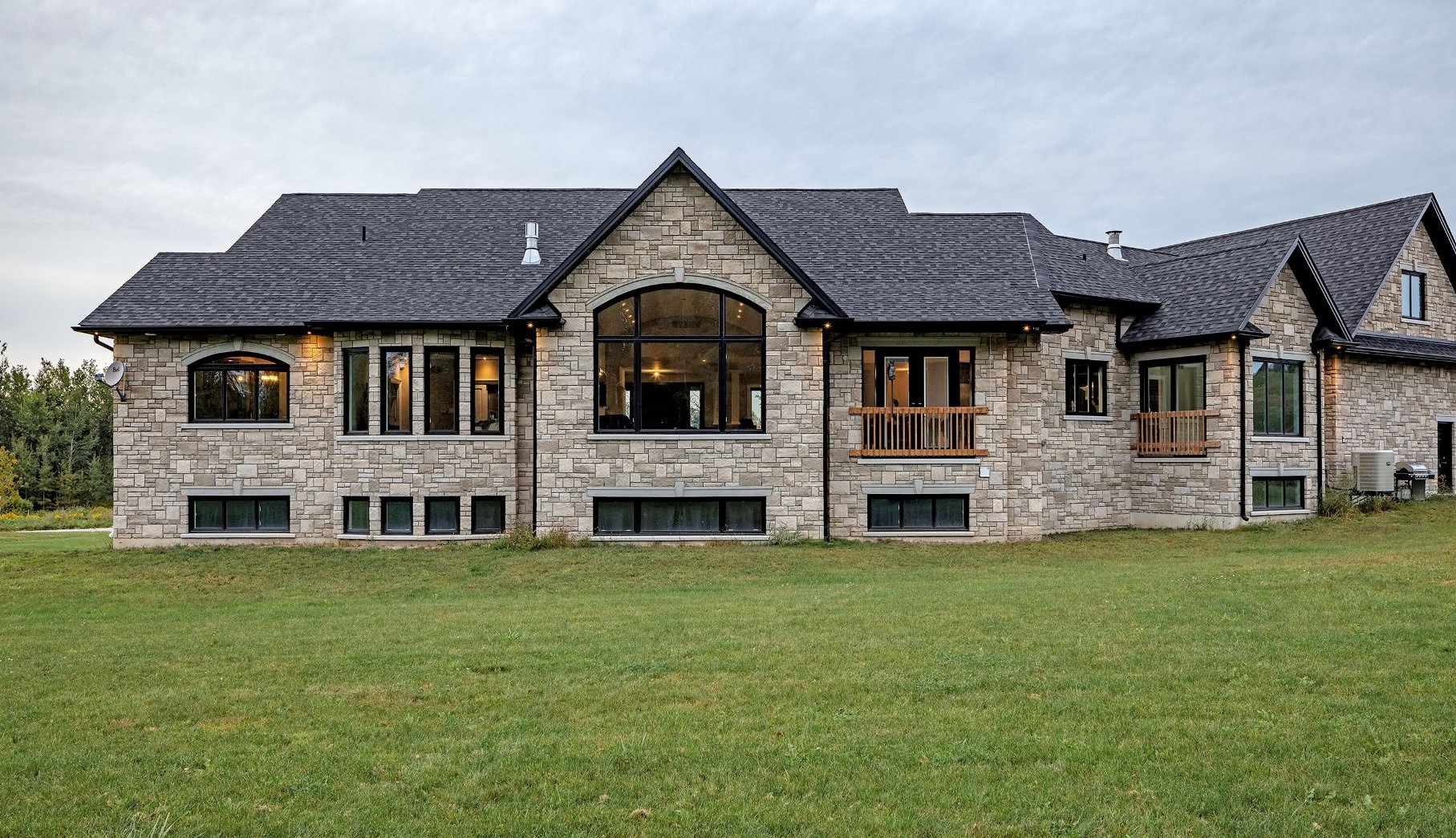
After choosing your basement window replacement type, the next decision is frame material.
The material of your window frame does more than just hold the glass in place. It determines how well your basement handles the -30°C during Canadian winters and the overly hot summers. Since basements tend to be more humid, you need a material that can withstand moisture and UV exposure without deteriorating.
1. Vinyl (PVC)
Vinyl is a preferred material for basement window frames due to its durability and low maintenance.
It provides excellent thermal insulation because the frames are often hollow and multi-chambered, trapping air to prevent heat loss. It is also completely waterproof, which is a major benefit in damp basement environments.
However, vinyl windows expand and contract with temperature fluctuations, so they may warp and crack sooner than other windows.
2. Fiberglass
Fiberglass is often considered the premium all-weather material. It offers one of the highest thermal performances and is incredibly strong. Unlike vinyl, it will not warp or crack even in the most extreme temperature fluctuations.
On the other hand, fiberglass carries a significantly higher upfront cost than vinyl or wood.
3. Wood
Wood is the traditional choice, often found in heritage Canadian homes. While it offers a beautiful aesthetic, it requires the most attention.
Wood is a natural insulator and doesn't conduct cold like metal does. However, because it is organic, it is highly susceptible to the moisture levels found in a basement, so it's also highly prone to mold growth and rot.
4. Aluminum
While aluminum windows are incredibly strong and allow for very slim frames, it carries the outside cold directly into your home. This often leads to heavy condensation and frost buildup on the inside.
5. Hybrid Materials

Hybrid materials are the best for basement windows because they provide energy efficiency, strength, and durability.
Magic's Hybrid Fusion Frame, for example, combines vinyl, aluminum, and steel to make the most of the advantages of each.
Magic windows are incredibly energy-efficient (thanks to the vinyl) and exceptionally strong and durable (thanks to the aluminum and the steel). Plus, they also have slim profiles thanks to the aluminum-steel skeleton.
Energy Efficiency Features to Look For
When shopping for new windows for your basement, look for the ENERGY STAR label. In Canada, windows are rated based on their U-Factor, SHGC (Solar Heat Gain Coefficient), VT (Visible Transmittance), and ER Rating (energy rating). You can read more about energy performance ratings in our comprehensive guide.
- Double or triple-pane glass: a single pane of glass offers almost no protection against the cold. Double-pane (two layers of glass) is the standard, but triple-pane is highly recommended for colder regions like Alberta, Saskatchewan, or Manitoba. The extra layer of glass and air provides a significant buffer against extreme frost.
- Low-E coating: Low-Emissivity coatings are microscopically thin, transparent layers applied to the glass. In the winter, they reflect the heat back into the basement rather than letting it escape through the window. In the summer, they reflect the sunlight back outside.
- Argon or krypton gas: instead of just regular air between the panes, manufacturers inject gases like argon or krypton, which act like an insulating layer, significantly reducing the amount of heat and cold that can travel through the window unit.
Basement Window Security and Safety
Basements can be entry points for intruders, so it's advisable to take proper security and safety measures. But, at the same time, security solutions must never compromise egress and emergency escape capabilities.
Common Measures for Improved Security in Basements
- Robust window locks: multi-point locking systems on casement windows are particularly effective
- Laminated or tempered glass: harder to break than standard glass, with tempered glass required near floor level in many jurisdictions
- Security film: applied to existing glass panes to hold shattered glass together
- Window well covers: clear polycarbonate covers that can be opened from inside without tools
Critical Safety Warnings
Don't install basement windows with permanent bars or grates if they serve as egress windows unless they are code-compliant and have a quick-release design. If you do install quick-release security bars:
- Test the release mechanism regularly (at least annually)
- Ensure all household members know how to operate the release without special knowledge
- Verify the mechanism works easily from inside without tools
How to Choose the Right Basement Window Type for Your Project
Here’s a decision framework to guide your choices.
Step 1: Determine Egress Requirements
- Is this a basement bedroom or a habitable room? If yes, you need at least one window meeting egress requirements.
- Is there a door providing direct exterior access? Walkouts may satisfy egress without windows.
- Check local building codes because requirements vary by jurisdiction.
Step 2: Evaluate Wall Exposure
- Fully below grade: egress casement or slider with window well; awning or hopper for additional ventilation
- Partial exposure (daylight basement): more flexibility; consider matching main floor window styles
- Walkout level: standard windows plus doors; double-hung windows work well here
Step 3: Prioritize Your Goals
- Maximum light: large windows, picture windows combined with operable units
- Better ventilation: casement (90% opening) or awning windows (can stay open when it rains)
- Privacy: frosted/textured glass, high-mounted awning units
- Budget: vinyl sliding or hopper windows cost less than casement or specialty units
Signs You Need to Install New Basement Windows

Since basement windows are close to the ground, they are often the first to fail. If you keep an eye on these signs, you can prevent expensive repairs in the future:
- If you see condensation between panes (fogging or water droplets trapped inside the two layers of glass), the factory seal is broken. The insulating gas is continuously escaping, and the window is no longer energy-efficient.
- If you feel a "whiff" of cold air when standing near the window, the frame may have warped, or the weatherstripping is no longer performing at its best. This is a major source of heat loss in Canadian homes.
- In old wood frames, look for soft spots or peeling paint. In old steel frames, look for rust that prevents the window from closing tightly. Mold on the frame is a clear sign that the window is not managing moisture correctly.
- If you have to fight with a window to get it open, it is no longer safe. In an emergency, every second counts, and a stuck window can be a life-threatening hazard.
Ready to Upgrade Your Basement Windows? Contact Magic!
Choosing the right type of basement window is only half the equation. The manufacturer and installer you work with will ultimately determine how well your windows perform over time. If you're in the Toronto area or anywhere across Southern Ontario, you can book a free consultation with Magic, one of the region's most established and technology-focused window companies.
What sets Magic apart is the engineering and proprietary innovations like the Parallex hardware, the Hybrid Fusion Frame, and top-quality glazing technologies. Moreover, since professional installation is very important for smooth operation and overall basement weatherproofing, Magic offers high-quality installation services for both windows and doors.
So, if you're planning a basement renovation, want to upgrade to egress-compliant windows, or are simply looking to improve energy efficiency and natural light, contact Magic today to get a free estimate for the best basement windows for your home!
FAQs
What are the different types of basement windows?
Different types of basement windows include awning windows, hopper windows, casement windows, sliding windows, double-hung windows, fixed windows, and glass block windows.
What is the best style of window for a basement?
Usually, the best style of a window for a basement is the casement window, as it is the easiest to configure to meet egress requirements.
What are the most energy-efficient basement windows?
The most energy-efficient window for your basement is the casement window, as it seals tightly when closed.