
Front Doors
Disadvantages of Fiberglass Doors: Here's What You Should Know!
Finding a new door sounds easy-peasy at first thought, right? How hard can it be? The door must be strong, durable, burglar-proof, and weather-resistant! Sounds simple... until you realize how many materials, price points, and performance claims are competing for your attention.
Fiberglass doors, in particular, tend to spark a lot of debate: many homeowners swear by them, while others find fiberglass doors not worth the hype. If you've been caught in that back-and-forth, keep reading!
In this guide, we'll discuss the advantages and disadvantages of fiberglass doors, compare them to other materials, and help you make an informed decision!
Key Takeaways
- Fiberglass doors look great on paper, but the fine print matters. They can cost a lot upfront, and despite their durability, they don’t always deliver top-tier security or authentic curb appeal.
- Your climate, lifestyle, and priorities change everything. In a humid area? Fiberglass may shine. Need serious impact resistance or maximum security? You might want to look elsewhere.
- There are good reasons to pick fiberglass, but also plenty of reasons people don’t. The trick is knowing where they fall short, where they excel, and whether that fits your home better than steel or wood.
Disadvantages of Fiberglass Doors

Can't decide if fiberglass exterior doors are a good choice? Check out the potential drawbacks mentioned below to see if they can help you understand whether fiberglass could work for your front doors.
And don't worry - we've also listed the advantages of fiberglass front doors, as well as compared this material to other door materials!
Higher Initial Cost
Fiberglass doors come with a hefty price tag, being among the most expensive on the market. This is one of the reasons most homeowners prefer steel entry doors above fiberglass doors.
Steel doors, for example, range from $300 to $1,300. Fiberglass doors, on the other hand, can reach $3,000 or even more, depending on their size and customization options.
Also, fiberglass entry doors usually have a lower resale value compared to steel or solid wood doors. This can be an important factor if you plan to sell your home in the future.
However, don't forget that a higher door price also comes with benefits that can help you save money in the long run. Fiberglass is a good insulating material, for example, which is why most people choose it for their front doors. It can improve your home's energy efficiency and, therefore, lower your energy bills.
Moreover, fiberglass exterior doors are quite long-lasting, so you likely won't have to spend too much on repairs. In short, weigh all the pros and cons of fiberglass entry doors before making a decision.
Limited Design Options
Fiberglass entry doors are designed to mimic the texture of natural wood or steel doors, and they often look quite realistic, without the associated maintenance requirements. But if you're looking for a true wooden aesthetic, you should probably go for wooden doors. They have high maintenance needs, but if curb appeal is an important factor for you, the effort is absolutely worth it!
Moreover, fiberglass doors often have fewer customization options than steel entry doors, for example. Fiberglass doors are usually mass-produced only in standard sizes and are difficult to manufacture or trim for non-standard openings. Therefore, make sure to check with the manufacturer if they can match the design you have in mind.
Potential for Cracking
Fiberglass doors are quite durable because they're made of compression-molded fiberglass. But they won't withstand extreme impact as well as steel doors.
If you live in an area with strong winds, for example, it's best to go for a thick steel door, as it will likely last longer and withstand hard impacts better.
Furthermore, it can be difficult or even impossible to repair significant damage to fiberglass doors. This often requires a full door replacement.
Reduced Security
Fiberglass entry doors offer less protection compared to steel doors, for example. While fiberglass is durable and highly resistant against warping and cracking under extreme weather conditions, it does not have such a high impact resistance as other materials. Therefore, if you live in an area with high burglary rates, consider installing a reinforced steel door like those manufactured by Magic, which can withstand up to 1,600 lbs of force.
Inconsistent Quality Across Manufacturers
Like any other product on the market, not all fiberglass doors are of the same quality. And if the quality is low, you won't be able to enjoy the advantages of fiberglass. For instance:
- Lower-end models may have thin skins that crack more easily. They may also warp over time.
- Inexpensive wood-grain patterns may look artificial or low-quality.
- Cheap fiberglass can fade faster under UV exposure.
Susceptibility to Fading
Fiberglass doors have the potential to fade over time. This is especially true when they are exposed to direct sunlight for extended periods. This fading can significantly impact the aesthetic appeal of the door, making it look worn and aged.
However, you can apply UV-resistant coatings to prevent damage and clean the door with mild soap when needed.
Sound Insulation Isn't Always Strong
While fiberglass entry doors do have soundproofing properties, they usually don't perform as well at blocking outside noise as other door materials.
If you live near a busy street or in a high-noise environment, consider installing steel doors or solid wood doors instead.
What About the Advantages of Fiberglass Doors?

We've only discussed the disadvantages of fiberglass doors so far. Are there any pros, though?
Here are some significant advantages that might make fiberglass doors a good option for your home:
- They're resistant to warping, rotting, and swelling, since they're moisture-resistant.
- Unlike wood doors or some composite doors, fiberglass doors are low-maintenance; they just need regular cleaning with a damp cloth.
- Fiberglass doors provide superior insulation compared to steel or wood doors, especially if they feature foam cores, and can help maintain stable indoor temperatures and thus lower heating and cooling costs.
- They're resistant to rust.
- They're more resistant to scratches than other door types.
Fiberglass vs. Steel. vs Wood Doors
When Fiberglass Doors Do Make Sense
So, should you get fiberglass doors or should you go for another door material?
Here's when a fiberglass door might be a good idea:
- You want a low-maintenance door.
- Your region has a humid climate and often experiences heavy rains.
- You prefer a door with good energy efficiency but a lightweight feel.
- You don't mind the higher price point.
- You want a door that mimics wood without the upkeep.
If you still can't decide, ask yourself these questions:
- Is long-term security a top priority? -> If yes, compare fiberglass with reinforced steel options (see below).
- Does the door support the hardware you want? -> Some heavy-duty lock systems require reinforced support.
- Is sunlight exposure a concern? -> If your home facade faces direct sun, ask about fade-resistant coatings and how often they should be reapplied.
Looking for an Alternative to Fiberglass Entry Doors? Get Magic!

Designed and manufactured in Ontario, Magic's Ultimate Entry Door is built specifically for your Canadian home to withstand the extreme temperature changes and the harsh weather conditions common in the region. Rather than relying on conventional door styles and technologies, Magic focuses on performance-first engineering to address issues that traditional systems can't.
Built for Exceptional Strength
Our door's steel construction incorporates 30% more steel and 40% more insulation than what you'll usually find in a standard entry door. This enhanced build results in outstanding rigidity and improved energy efficiency.
Thanks to its reinforced J-bend structure, the door can resist over 1,600 lbs of force without bending or warping!
Advanced Weather Protection
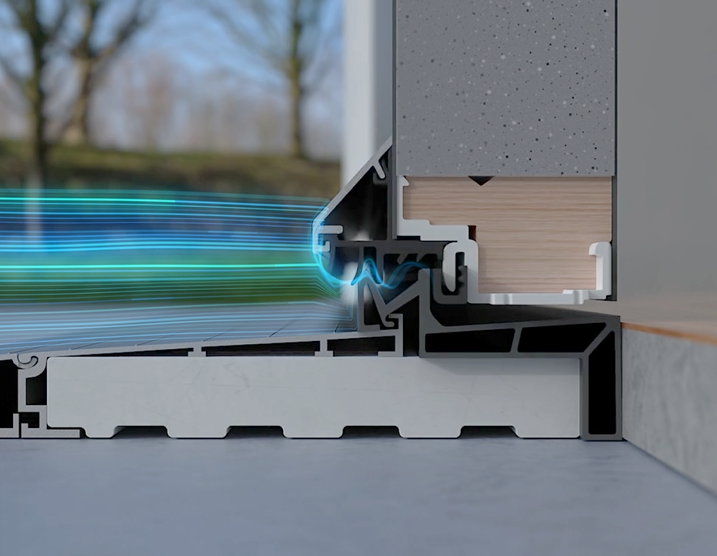
Weather resistance is a priority for Magic. Because of this, our doors feature:
- An integrated aluminum rain deflector that channels water away from your home.
- A proprietary sealing system that doubles the air tightness of a standard door.
- An automatic trigger mechanism that activates a tight seal when you close the door.
All of these can help you lower energy costs year-round.
Customization and Expert Installation
You can personalize our entry door with numerous design choices: decorative glass, sidelights and transoms for more natural light, custom colours, unique hardware, and more!
Magic also ensures that the installation matches the quality of the product itself. Our certified team performs full door replacements and guarantees a precise fit and optimal performance from day one!
So, if you think fiberglass exterior doors are not a good match for your home, give Magic a call and get the strongest, most durable, and most weather-resistant steel doors in Ontario, with numerous benefits that outperform both fiberglass and standard steel entry doors!
Frequently Asked Questions
What is the problem with fiberglass doors?
Fiberglass doors are more expensive, can crack under heavy impact, fade in strong sunlight, and vary widely in quality depending on the manufacturer. They also tend to offer lower security performance than reinforced steel alternatives.
How long do fiberglass doors last?
On average, fiberglass exterior doors can last 20–30 years, especially when properly maintained and protected from direct, prolonged exposure to sunlight. Higher-quality models with better skins and coatings tend to last longer than budget versions.
Are fiberglass doors burglar-proof?
No, fiberglass doors are not burglar-proof. While durable, they don’t match the impact resistance of steel, which is why security experts often recommend reinforced steel doors for high-risk areas.
What type of door is best for an exterior door?
For security and durability, steel doors are the best choice for an exterior door, while fiberglass front doors are more durable (they resist well against the elements and don't warp, rot, and rust) and energy efficient.
Are fiberglass doors more expensive than steel doors?
Fiberglass doors typically have a higher initial cost than steel doors, reaching $3,000 or more, while steel doors cost between $300 and $1,300.
Do fiberglass doors look like real wood?
Fiberglass doors can mimic the appearance of wood, but they may not fully replicate the texture and intricate design of authentic wood.
How can I prevent my fiberglass door from fading?
To prevent your fiberglass door from fading, apply UV-resistant coatings and maintain it regularly.
Are fiberglass doors secure?
Fiberglass doors typically provide less security than steel doors, so they're not the best for high-crime areas where stronger resistance to break-ins is necessary. If security is a top priority, consider opting for steel doors for enhanced protection.
What is the average lifespan of a fiberglass door?
The average lifespan of a fiberglass door is between 20 and 40 years, but it really depends whether the door is properly maintained.