
Front Doors
Door Lock Parts: A Comprehensive Guide
Your door lock is one of the most important parts of your home’s security. If it's broken, you need to understand what exactly is broken, so you can find out if it can be repaired or if you need to replace it.
This guide breaks down all the door lock parts in simple terms. We'll also briefly discuss the most common lock types and offer some tips for selecting and maintaining your door locks.
Key Takeaways
- The main door lock parts are the lock body, latch or bolt, cylinder, spindle, strike plate, and faceplate.
- There are many types of door locks, from deadbolts to multi-point locks, and the best choice depends on the door's purpose and your security needs.
- Regular cleaning, yearly lubrication, tightening screws, and checking alignment help prevent problems.
Key Components of a Door Lock
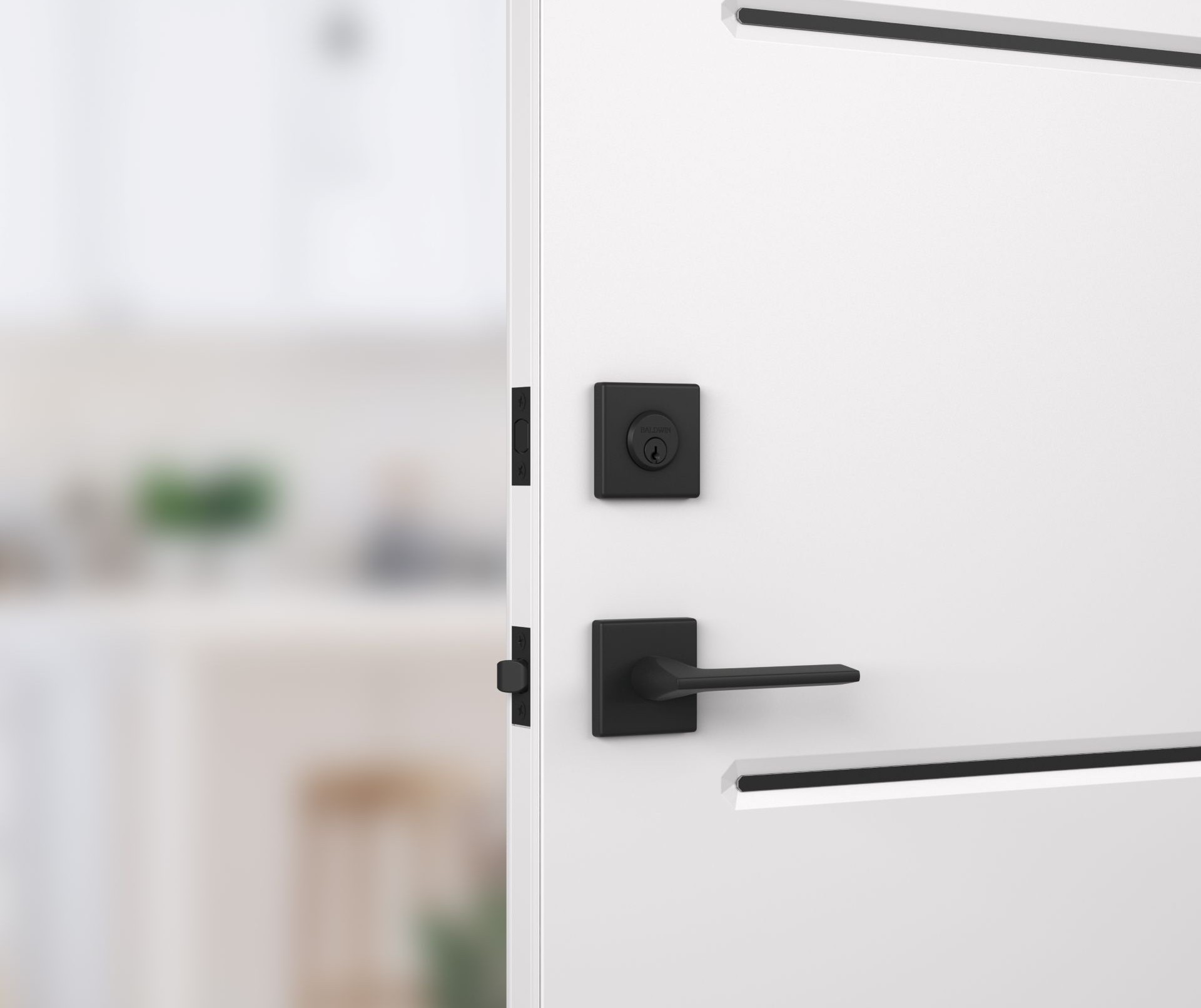
The door hardware universe can feel a bit overwhelming if you've never repaired or replaced such components. That's why we'll explain everything in simple terms - to understand what's what and how all the components function together.
As such, here are the most important door lock parts!
Lock Body
The lock body, also known as the lock case, is the main box of the lock. It is the part that is hidden inside the door, holding all the working pieces that make the lock functional.
For basic residential locks (knob locks, lever locks, or deadbolts), the lock body is usually compact and sits inside a round or rectangular hole drilled in the door.
Latch or Bolt
This is the piece that sticks out of the door edge and goes into the frame to keep the door closed.
There are two common types:
- Latch (used in knobs/levers): angled and spring-loaded; it pops in and out automatically when you turn the handle.
- Deadbolt (used in deadbolt locks): a solid metal bar that moves only when you turn a key or thumbturn; it is more secure because it doesn't retract on its own.
In short, the latch and the bolt are what actually keep the door shut.
Cylinder
The cylinder, often referred to as the lock cylinder, is where you insert the key. It holds the key slot and the internal parts that recognize the correct key. When the correct key is inserted, the cylinder allows the lock to turn and move the bolt.
Most residential cylinders house the following components:
- The plug - the part that rotates when the correct key is inserted
- Key pins - small metal pieces that align with the cuts on the key
- Driver pins - small metal pieces pushed by the springs
- Spring - tiny coils that push driver pins into position
Door Handle, Knob, or Lever
This is the door lock part you grab to open the door; it can be a handle, a knob, or a lever. Turning it retracts the latch so you can open the door.
In most deadbolt locks, the handle is separate from the locking mechanism. In knob or lever locks, the handle and latch are connected.
Thumbturn (for Deadbolts)
Many locks have a small turning piece instead of requiring a key - it is called a thumbturn. It lets you lock or unlock the door from the inside quickly.
Thumbturns are great for convenience and safety.
Strike Plate
The strike plate is a metal plate fixed to the door frame, designed to reinforce the latch or bolt and secure the door when locked. It has a hole where the latch or bolt fits when the door closes. The strike plate offers a sturdy contact point for the bolt or latch, helping prevent forced entry and enhancing the overall security of your door. It also protects the frame from wear and tear.
Faceplate
The faceplate is the small metal plate on the edge of the door surrounding the latch or bolt. It helps hold the latch/bolt in place and makes the edge of the lock installation appear finished.
You see the faceplate when the door is open - it's the part with the cutout for the latch/bolt.
Spindle
The spindle is a rod that passes through the door and connects the knobs or levers to the lock mechanism. When you turn the handle or the knob, the spindle rotates, engaging the lock mechanism to either secure or release the door.
Rosette
A rosette is usually a round decorative plate behind a knob or lever. It hides the hole and adds style.
Rosettes can be plain or very decorative (e.g., featuring old-fashioned floral designs).
Escutcheon
The escutcheon is a type of decorative and protective plate, usually larger than a rosette. It surrounds the cylinder, keyhole, and thumbturn, and helps protect the lock from scratches or minor damage.
Backplate
The backplate is a tall, vertical plate that sits behind the handle or knob. It is often rectangular and covers more surface area than a rose or escutcheon.
Bore Holes
The bore holes are the holes drilled into the door to fit the lock. The number, size, and shape of the bore holes depend on the type of lock that is installed on the door.
Types of Door Locks

There are numerous door locks to choose from. Here are the most common ones:
- Cylinder lock – a lock with a key-operated cylinder commonly used on exterior doors.
- Deadbolt – a strong lock that uses a solid metal bolt for added protection.
- Mortise lock – a durable lock set into a pocket inside the door.
- Knob lock – a lock built into a round doorknob, usually for interior doors.
- Lever handle lock – a lock with a push-down lever, often used for accessibility.
- Magnetic lock – a lock mainly used in commercial or high-security spaces.
- Padlock – a portable lock that attaches externally with a shackle; often used on gates, sheds, and lockers.
- Chain lock – a partial-opening security chain used on entry doors.
- Multi-point lock – a lock that secures the door at several points with one motion.
- Cam lock – a small L-shaped lock used for cabinets and enclosures.
- Rim lock – a surface-mounted lock found in older homes.
- Electronic lock – a keyless lock that opens with a code, card, or sensor.
- Smart lock – a remote access lock you can control with a phone or smart system.
- Privacy lock – a simple, keyless lock for bathrooms and bedrooms.
Choosing the Right Door Lock for Your Needs
Still not sure which door lock is the best for your door? Here are some tips that can help you!
1. Match the Lock to the Door’s Purpose
- Front doors: choose a high-security deadbolt or multi-point lock
- Interior doors: knob or lever locks with privacy functions are usually enough
- Back or side doors: combine a deadbolt with a handle lock for added security
2. Look for Certified Security Ratings
Choose locks that have been independently tested. Higher grades mean better durability and resistance to tampering.
3. Consider Convenience and Accessibility
- Lever handles are easier for children, older adults, and anyone with mobility issues.
- Keypads and smart locks eliminate the need to carry keys.
- Thumbturn deadbolts are easier to lock from the inside.
4. Think About Your Climate
In very cold climates, choose hardware made from materials that resist freezing and corrosion. Stainless steel, brass, and high-quality alloys usually last longer outdoors.
5. Make Sure It Fits Your Door
Measure:
- Backset (distance from door edge to hole center)
- Door thickness
- Bore hole size
Always make sure that the door lock parts and accessories match the specifications of your lock system.
If you're unsure how to install the door lock, it's best to contact a professional locksmith, who can install all the parts of a door lock assembly for superior functionality.
Door Lock Maintenance
It goes without saying that maintaining door locks is a must. Here's what you should do:
- Clean the hardware regularly. Use a soft cloth and mild soap to remove dirt and grime.
- Lubricate the lock annually.
- Check the screws and the strike plate. Tighten them if needed.
- Keep the keys in good condition. If they're bent or worn, they can damage the cylinder.
- Protect outdoor locks from the weather. You can install a small overhang, for example.
- Test your lock periodically.
- If the internal mechanism seems broken or if the lock spins freely, you might have to replace the lock.
- Contact a professional locksmith, who can provide maintenance services, especially if you have a high-end door lock.
Contact Magic to Get the Most Secure Doors in the GTA!
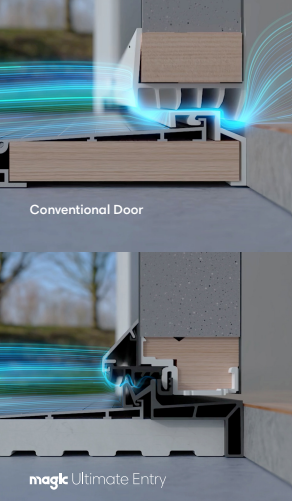
If you’re ready to upgrade your home’s entry or patio area, whether for greater security, better insulation, longevity, or style, Magic offers door systems that stand out in every respect.
What makes Magic a strong choice:
- Built for strength and security. Magic’s entry doors are manufactured with significantly more steel and insulation than typical doors. Our doors contain 30% more steel and 40% more insulation than conventional doors, giving a very high level of structural strength and durability. They also feature a J-bend design that enables our doors to withstand up to 1,600 lbs of force.
- Resistance to weather and the elements. Magic's design includes a robust rain deflector, multi-point compression seals, and an auto-trigger lock system that seals out air, water, drafts and leaks: ideal for harsh winters or hot summers.
- Customization & design flexibility. You can choose from multiple options to customize the colours, glazing area, sidelights or transoms to match your aesthetic without sacrificing performance.
- High-performance windows and patio doors, too. Magic doesn’t just do entry doors. We also offer windows and patio/sliding-door systems engineered with steel-reinforced frames, durable tracks and rollers, multipoint locking systems, and options like built-in, fully retractable insect screens, solar shades, or thermal blinds for better energy efficiency and comfort.
- Durability and long-term value. We manufacture our own doors right here in Ontario. Our products come with a 40-year warranty.
Curious to learn more about our products and services? Book a free, no-hassle consultation today!
Frequently Asked Questions
What are the door lock parts called?
The main door lock parts are the lock body, cylinder, latch assembly, deadbolt, handle, strike plate, and trim. External doors often use extra components for additional security, such as reinforced plates or multi-point locking parts.
Can you repair a broken door lock?
Yes, many broken door locks can be repaired by replacing worn parts, such as cylinders or handles. However, if the lock on your internal or external door is severely damaged or missing key replacement parts, it may be safer to install a new lock.
What is the most secure type of door lock?
Deadbolts are generally the most secure type of door lock, as their design necessitates a key or thumbturn for operation, significantly enhancing resistance to unauthorized entry.
Can smart locks be hacked?
Yes, smart locks can be hacked, but you can reduce this risk by securing your home network and choosing reputable brands.
What are the components of a door lock system?
A typical door lock system includes a latch assembly, bolt, lock cylinder, strike plate, handle or lever, and the interior thumbturn.
How often should I maintain my door locks?
You should maintain your door locks annually by lubricating moving parts, tightening screws, and replacing any worn components to ensure they function reliably.
Are knob locks suitable for exterior doors?
Knob locks are not suitable for exterior doors as they are more vulnerable to forced entry. For better security, pair them with deadbolts.
What is the moving part of a door lock called?
The moving part of the door lock is called the latch or the bolt. The handle is also a moving part of the door lock.
How much does it cost to replace a door lock actuator?
Replacing a car door lock actuator typically costs between $150 and $350, depending on the model and labour.