Front Doors
Solid Core vs Hollow Core Doors: Which One Do You Actually Need?
Are you planning a renovation? Or perhaps you’re building a new home in Ontario? If so, door shopping probably isn't the part you're most excited about, especially when it comes to choosing solid-core vs hollow-core doors. While it’s not the most thrilling choice you’ll make for your home design (compared to choosing a front door colour, for instance, right?), it will affect your day-to-day life… How much noise travels between rooms, how your doors feel when you close them, how long they last before needing to be replaced.
So, which one's right for you? Let's find out.
Solid-Core vs Hollow-Core: The Short Answer
- Hollow-core doors are suitable for low-traffic spaces where sound and security aren't concerns. They are lightweight and affordable. You can choose hollow core doors for closets, pantries, and low-traffic areas.
- Solid-core doors offer noticeably better sound insulation, durability, and security, ideal for bedrooms, bathrooms, and home offices. They are worth the extra cost basically anywhere you want privacy, better sound control, or a more durable door. They’re also more suitable for humid spaces like bathrooms or kitchens.
- Solid wood doors are the premium option. They’re beautiful, heavy, and long-lasting, but they need more care in our climate and cost significantly more.
What Are Hollow-Core Doors?
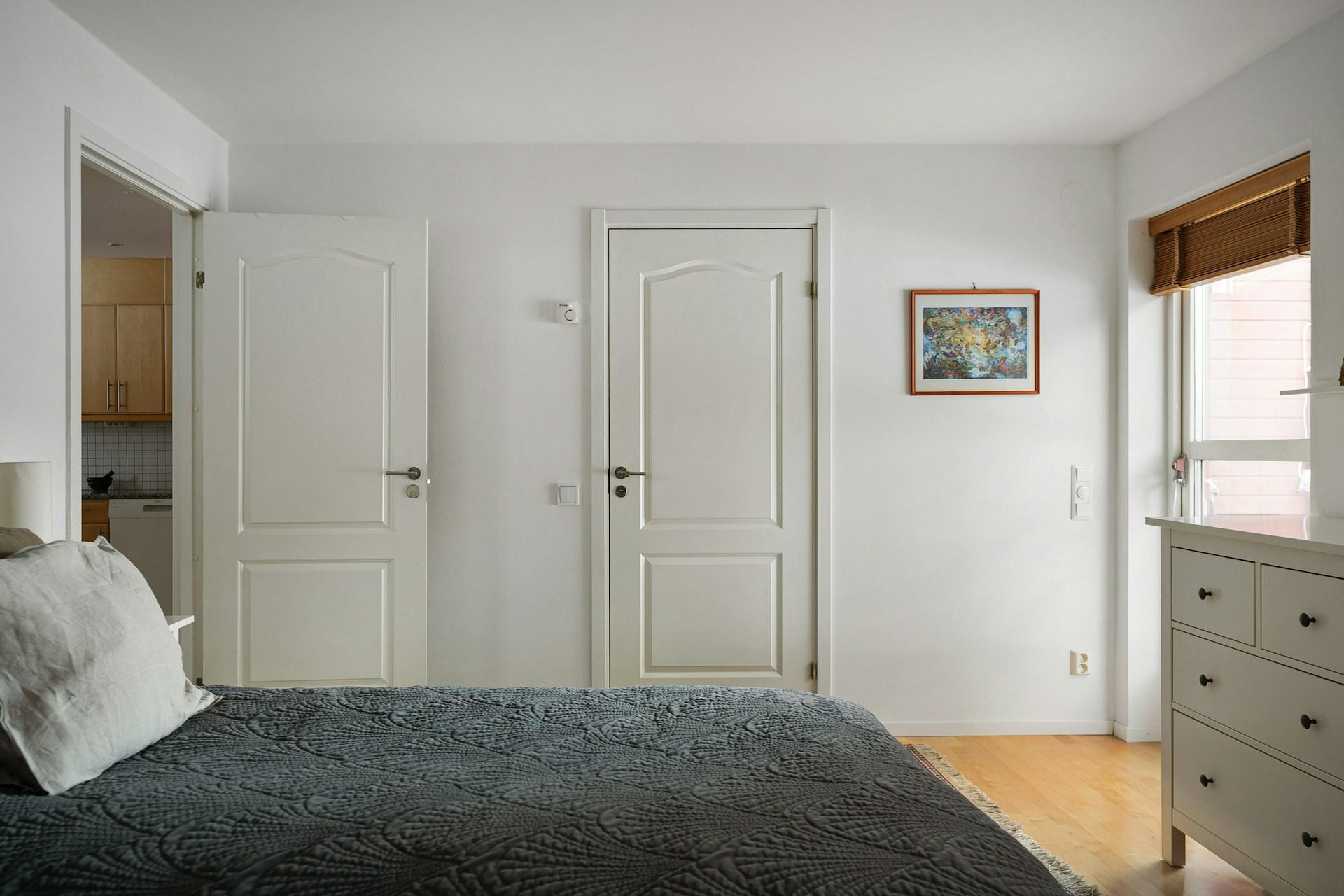
Hollow-core doors are lightweight doors with thin outer skins and a honeycomb inner core. They’re not truly empty, as their name suggests, but the honeycomb inner core serves mostly for shaping the door, not insulating it.
A standard hollow-core door has a thin wood, fiberboard, or MDF surface that covers a lightweight core generally made of cardboard, paper honeycomb, or a similar filler material.
Hollow-core doors are installed only on the interior. They can work in bedrooms, closets, and other spaces where you don’t need much insulation and heavy-duty performance. Hollow-core interior doors are not suitable for exterior doors, especially in Ontario, because they provide less security and insulation.
Benefits of Hollow-Core Doors
- Lighter weight. One person can carry, hang, and install a hollow-core door without help.
- They're cost-effective. Hollow-core doors typically cost between $50 and $150 per door. They're an affordable alternative to solid-core doors if you need to install multiple door units.
- They come in a wide range of styles, so you're not giving up design options.
Disadvantages of Hollow-Core Doors
- Hollow-core doors offer no sound insulation. If you close a hollow-core door and have a conversation on the other side, you'll hear most of it.
- They dent and puncture easily.
- They offer minimal insulation. In Ontario's cold winters, hollow doors installed near temperature-variable spaces like garages or laundry rooms can feel drafty, although in other rooms, that shouldn’t be a problem.
- Security is basically zero. A hollow-core door won't stop a determined entry attempt.
What Are Solid-Core Doors?
Solid-core doors have a dense interior, typically made of engineered wood, particleboard, or medium-density fiberboard (MDF). That core is then covered in a wood veneer or a paint-grade MDF face. The door looks similar to a hollow-core door from the outside, but it weighs significantly more and performs very differently.
Solid-core interior doors are the go-to choice for any room where you want privacy, better sound control, or a more premium feel.
Solid-Core Doors vs Insulated Exterior Doors
Insulated exterior doors also have a core, which is usually polyurethane or polystyrene foam, but they are not categorized as solid-core doors, which is a term reserved for interior doors only. Their primary performance characteristic is thermal insulation and security provided by the shell (which can be steel or fiberglass, for example). The term solid-core doors is often used to refer only to interior doors with soundproofing capabilities.
Advantages of Solid-Core Doors
- Noise reduction properties. The dense core absorbs vibration and significantly reduces how much noise passes through. You'll notice the difference in a bedroom or home office right away.
- Durability. Solid-core doors resist dents, scratches, and daily wear much better than hollow-core doors. They're a good choice in homes with kids, pets, or high-traffic hallways.
- They are a premium option. There's a noticeable difference in the way a solid-core wood door closes: it's quieter, more controlled, and feels like a quality product.
- Better thermal performance. Less air passes through a dense door, which matters in Ontario's winters.
- Fire resistance. Solid-core doors offer better fire resistance than hollow-core doors, and fire-rated versions are available for applications that require them under the Ontario Building Code.
Disadvantages of Solid Core Doors
- Cost. Solid doors run between $200 and $400+ per door. Installation is also more complex. You'll likely want two people on the job. Also, stronger hinges are usually needed. If you're looking for budget-friendly options, hollow-core doors might be the right choice for you.
- Weight. Moving them around is more difficult. It’s also harder to hang solid-core doors perfectly if you're doing it yourself.
- Repair complexity. If a solid-core door gets badly damaged, repair is often as expensive as replacement.
Solid-Core vs Hollow-Core Doors: Key Differences
What Are Solid Wood Doors?
Solid wood doors are the third option and the most premium. They are made entirely of natural wood species like oak, maple, pine, or cherry. They usually don't have one solid slab of wood but multiple smaller pieces of wood pieced together.
Solid wood core doors can offer:
- Real grain patterns that give each door a unique character
- Excellent weather and sound reduction properties, similar to solid core
- A weight and presence that feels premium
But solid wood doors do have a few disadvantages that are especially relevant for Ontario homeowners. Wood doors expand and contract with changes in humidity and temperature, and Ontario's climate gives them plenty to react to. Summers here are humid. Winters are cold and dry. This puts stress on solid wood, which can lead to warping, sticking, or cracking if the doors aren't properly maintained.
Which Rooms Should Get Which Door?
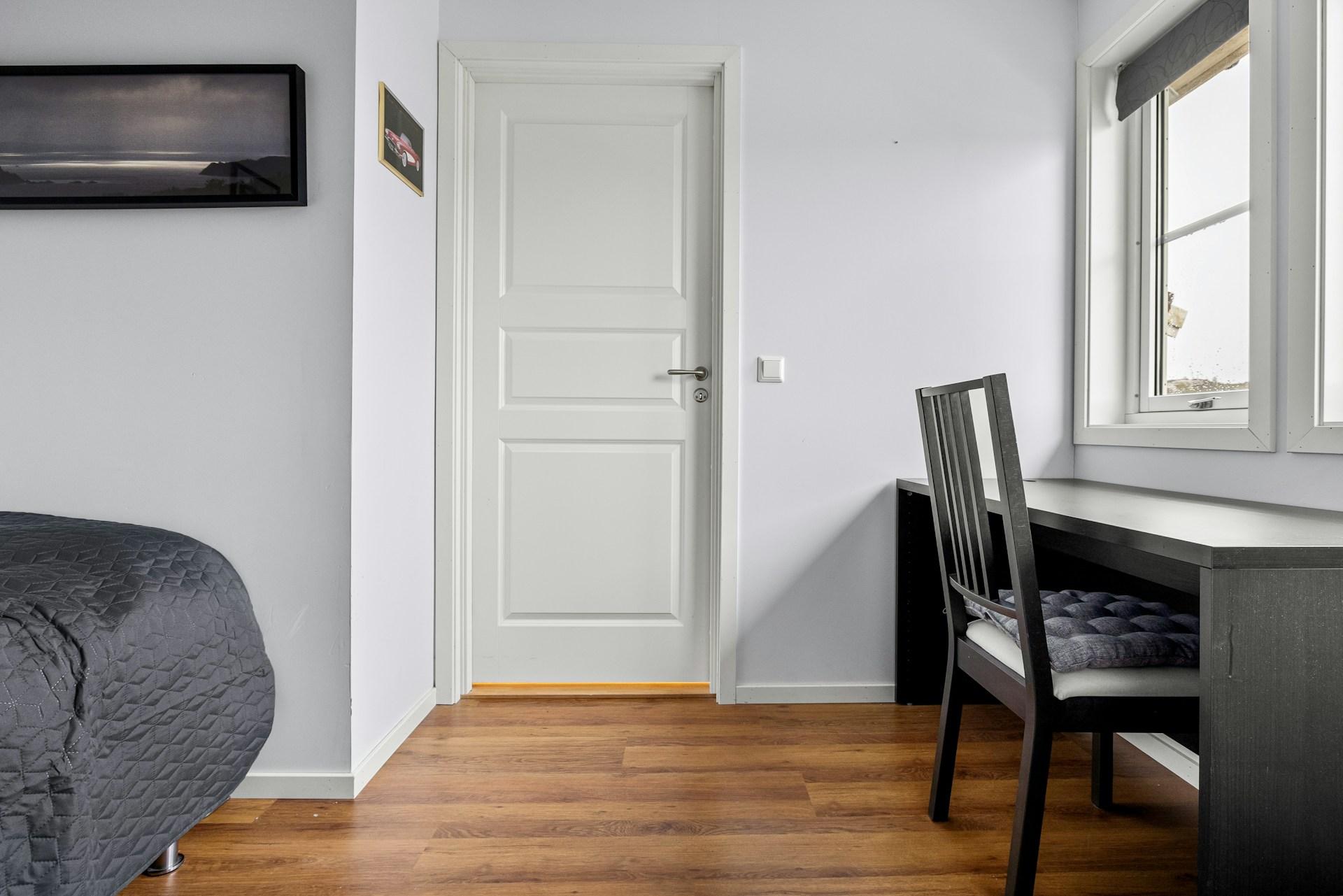
You don't need to install the same type of door in your entire home. Most homeowners install both solid-core and hollow-core doors.
Use solid-core doors for:
- Bedrooms, especially if you have a busy household, light sleepers, or kids who have different schedules
- Bathrooms, for privacy and sound control
- Home offices, especially if you're on calls or need to concentrate
- Between the garage and the house (check your local fire code, as some jurisdictions require fire-rated doors here)
- Master suites or any room where you want a quieter, more private feel
Hollow core doors are fine for:
- Closets
- Pantries
- Laundry rooms
- Utility spaces
- Guest rooms where noise isn't a major concern
Does Ontario's Climate Affect Your Door Choice?
Ontario winters regularly hit -4°F (-20°C) or colder. Summers can be hot and humid. Naturally, the temperatures inside the house don't reach these extremes, but humidity can be high, and there might be temperature differences between rooms. This can put stress on any material that expands and contracts with temperature and moisture, including wood.
Hollow-core doors have a thin veneer surface. In areas with significant humidity changes, such as near exterior walls, over unheated spaces, or in bathrooms without good ventilation, that veneer can lift, bubble, or crack over time.
On the other hand, solid-core doors can withstand variable conditions much better, as they stay stable. So, if you're replacing interior doors in a home with older construction, poor insulation, or rooms that experience temperature swings, solid-core doors are usually a better choice.
A Note on Fire-Rated Doors
If you're adding a basement apartment, converting a garage, or doing any work that requires a building permit in Ontario, check the Ontario Building Code before you spec your doors. Certain applications, such as between living spaces and attached garages, stairwells in multi-unit buildings, and some basement suite separations, require doors with a specific fire-resistance rating. Hollow-core doors won't meet those requirements.
When in doubt, ask your contractor or building inspector before you buy.
Exterior Doors: A Different Type of Engineering
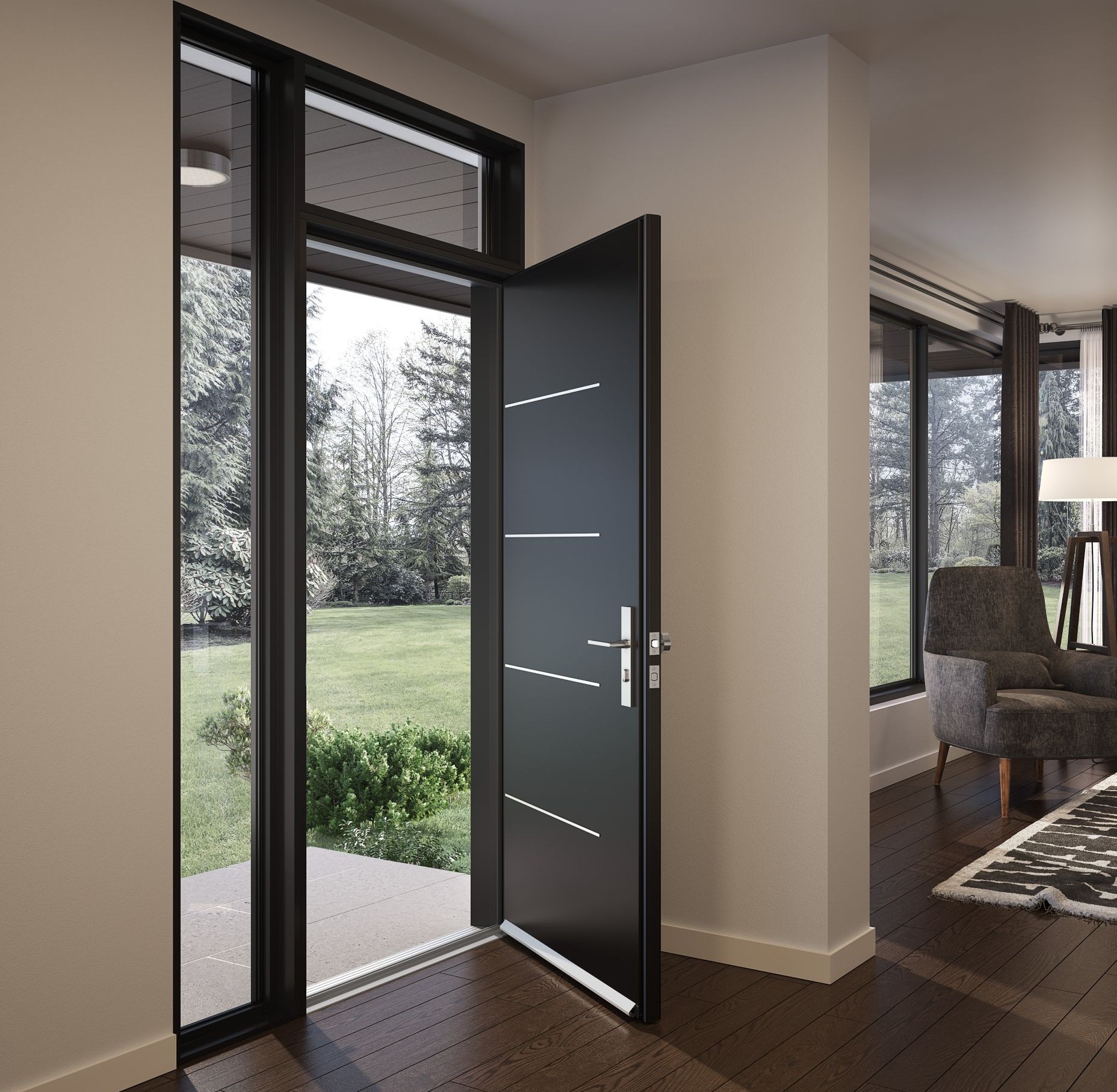
While interior door shopping revolves around sound privacy and budget, choosing an exterior door is entirely about performance against the elements. You should never use interior-rated doors, whether hollow- or solid-core, for an exterior entrance.
Exterior doors require specific engineering to handle three critical challenges:
- Thermal efficiency. Unlike interior doors, exterior doors must provide a thermal break. This is typically achieved with a high-density insulating core, such as polyurethane or polystyrene foam, which prevents heat loss during Ontario’s freezing winters and heat gain in the summer.
- Security. Exterior doors are reinforced with durable materials like steel or fiberglass skins that provide significantly more protection against forced entry than the thin wood or MDF skins used on interior hollow-core doors.
- Weather resistance. The exterior walls of your home must withstand extreme temperature fluctuations and moisture exposure. Exterior doors are constructed with materials that are specifically engineered to resist warping, rotting, or fading when exposed to rain, snow, and direct sunlight, conditions that would quickly ruin a standard interior door.
In short, while an interior door is meant to divide a room, an exterior door is meant to protect your entire home. Always ensure your front, back, and side entrance doors are labeled and rated specifically for exterior use.
Looking for Exterior Doors? Contact Magic!
If you’re looking for exterior doors alongside hollow-core or solid-core interior doors, book a free consultation with Magic to learn about our technologically advanced systems!
At Magic, we build front doors engineered for Canadian weather conditions. 40% more steel. 30% more insulation. Highly advanced weatherproofing technologies. And incredible security and durability: our doors can withstand up to 1,600 lbs of force. We also offer patio doors made of equally technologically advanced systems like the Hybrid Fusion Frame and the Parallex Hardware.
If you want to discover more about what makes Magic entry doors unique, contact us today for a free consultation. Our team will walk you through your options, answer your questions, and make sure you get a new door that is 100% tailored to your preferences, needs, design, and region’s climate.
FAQs
Are hollow or solid doors better?
Solid-core doors are objectively better for durability, sound control, and overall quality, providing a premium feel that hollow core doors cannot match. However, hollow-core doors are the better choice for tight budgets or low-traffic areas like closets and pantries where high performance is unnecessary.
What are the disadvantages of solid-core doors?
The primary disadvantages of solid core doors are their higher cost and significant weight, which make them more expensive to purchase and more difficult to hang. Additionally, they are heavy and require stronger hardware, and any damage is often more complex and costly to repair than with simpler door types.
What is the new trend for interior doors?
Current trends for interior doors focus on sleek minimalism, such as frameless doors that blend seamlessly into walls and the use of bold, rich colors like navy blue, forest green, or matte black. There is also a strong movement toward sustainable, eco-friendly materials and incorporating unique textures, such as embossed wood or brushed metal, to add depth and dimension to modern spaces.
What is the quietest type of door?
For interior spaces, solid-core doors are the quietest option, as their dense, heavy composition effectively absorbs sound vibrations and minimizes noise transmission between rooms. For exterior applications, insulated steel doors are the most effective at blocking exterior noise due to their combined metal-and-foam construction.