
Front Doors
How to Choose the Best Exterior Doors for Your Home
If you can't find the best exterior doors or don't know what exactly to look for in exterior doors, we're here to help!
In the following sections, we'll explain everything in detail: how to choose among different materials, what glazing options to go for, how to pick a good door colour, and more!
Key Takeaways
- Exterior doors should prioritize durability, energy efficiency, and security to enhance performance and reduce maintenance needs.
- Materials like fiberglass and steel offer excellent insulation and durability, while wood doors provide aesthetic appeal but require more maintenance.
- Proper installation and regular maintenance are essential for maximizing the lifespan and functionality of exterior doors.
What Should You Look for in Exterior Doors?
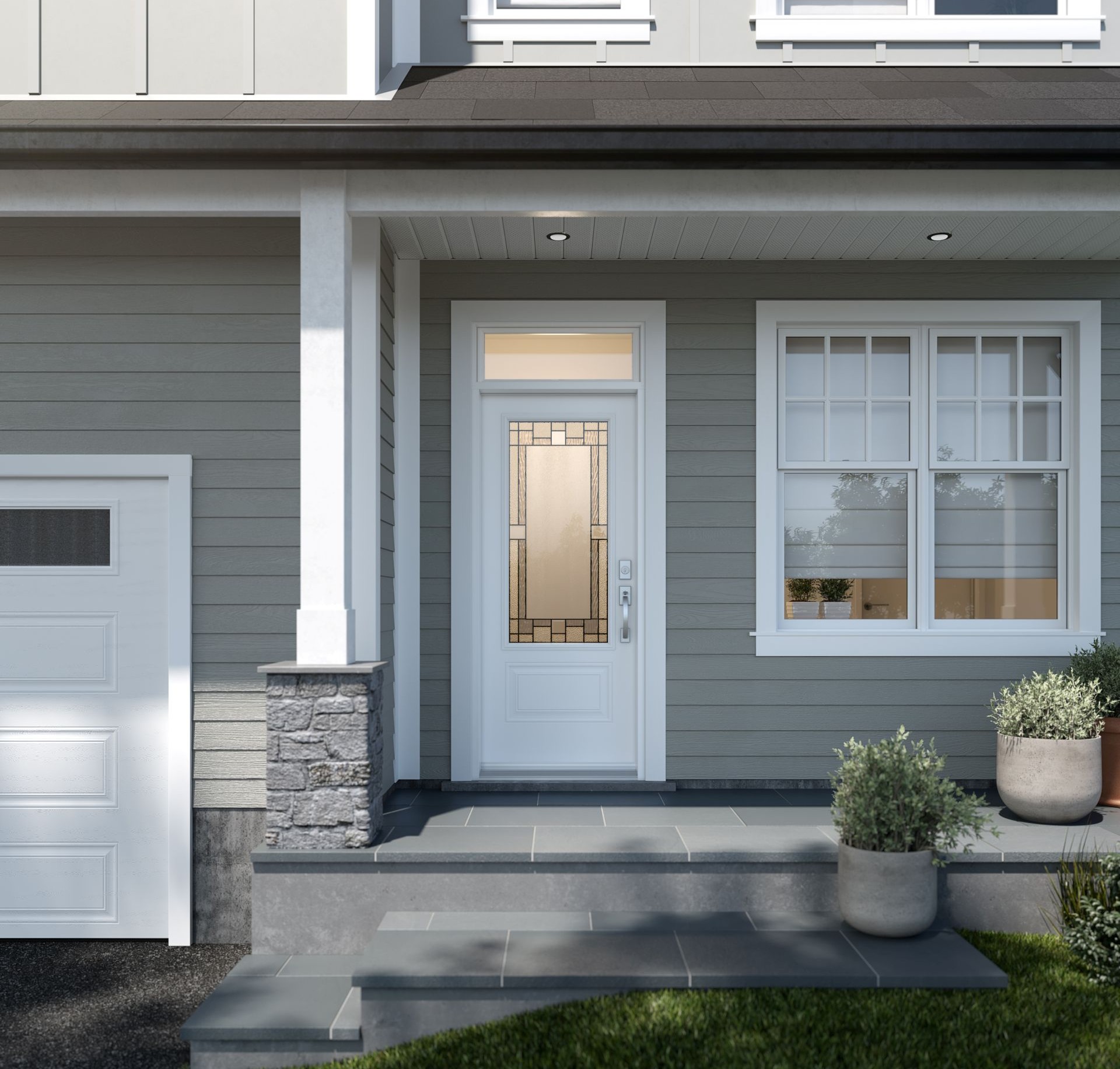
To find the best exterior doors for your home, you should first learn what exactly makes a door the best. Here's a quick checklist with factors to consider while shopping for exterior doors (we'll discuss them in detail below):
- Material: fiberglass doors or insulated steel doors (top picks for most Canadians) or properly sealed solid wood.
- Insulation target: aim for doors with R-5+ (R-5 to R-6) for slab doors; check the U-value as well if the door has a glazing area
- Certification: go for ENERGY STAR-rated doors for your climate zone when available.
- Locking: deadbolt or multipoint locking system (multipoint adds security + tighter sealing).
- Weatherproofing: full perimeter weatherstripping, threshold with proper seal, drip cap/flashing, and caulking.
- Configuration: prehung unit (frame + door) recommended unless your jamb is perfectly square and plumb.
- Glass: double-glazed, low-E coatings, insulated glass panes for sidelights or transoms to improve heat retention in winter and reduce heat transfer in summer.
- Warranty & installation: factory warranty + pro installation; get a written quote including removal, flashing, trim, hardware, and disposal.
- Budget: entry-level $1,200–$2,000; mid $2,000–$4,500; high-end/custom $4,500+ (varies by type, glazing, hardware, installation).
Door Materials

Fiberglass and insulated steel doors are the best for Canadian homes.
Fiberglass entry doors resist rot and moisture, are energy-efficient, and can also mimic wood grain. They are among the best doors for cold climates and wet areas.
Insulated steel, on the other hand, provides excellent security, better insulation, and long-lasting durability. Many modern steel doors have foam cores, giving them a value of R-5 or R-6. Steel doors are also more budget-friendly than fiberglass.
Solid wood doors are also an option. Many homeowners prefer natural wood doors for their beauty, which no other door can equal. Plus, wood is a good insulating material, so energy efficiency is also guaranteed. However, wood requires a lot of maintenance, especially in humid climates. You can definitely go for it if you're ready to maintain it properly.
Energy Performance: What to Look for
When it comes to the energy performance of a door, you have to look for R-values. The R-value represents the thermal resistance of a material, meaning it points to the material's ability to insulate against heat flow. The higher the R-value, the better the insulation.
For example, glass has an R-value of R-1 to R-3, which is very low and not suitable for energy-efficient units. Aluminum has a value of R-2 to R-3, wood can reach R-4, steel can reach R-6, while some fiberglass doors can have a value of R-7.
For most Canadian homes, an exterior door with an R-value of R-5 or R-6 is enough. But if your door also has a glazing area, make sure to check the U-value of the glass, which measures the rate of heat transfer: the lower the U-value, the better.
Furthermore, look for ENERGY STAR-certified doors. According to Natural Resources Canada, ENERGY STAR-certified doors are about 15% more efficient than standard doors. If you're looking for sliding glass doors, you can even get ENERGY STAR Most Efficient models, which are 55% more energy-efficient than average models (some of Magic's exterior doors qualify for this certification!) and can help reduce heat transfer and thus lower energy bills.
Security and Hardware
Security is a top priority when it comes to exterior doors. Nowadays, most homeowners go for multi-point locking systems. Besides providing additional security, these locks also enhance insulation and support the structural integrity of the door.
Furthermore, don't forget about the hardware quality. If you live in a humid climate, make sure to get corrosion-resistant materials. It is also recommended to get heavy-duty hinges for additional security.
Weatherproofing and Installation
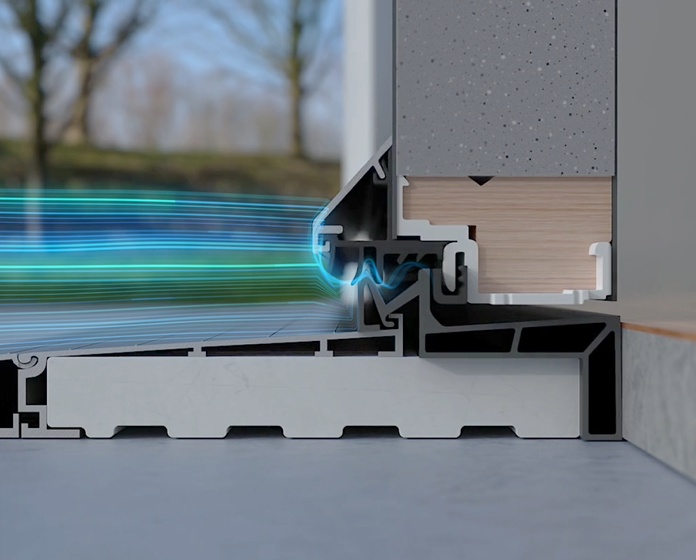
We always recommend installing prehung doors if possible. They come with factory-square frames and more precise fits, which means that your doors will be better insulated and perform exceptionally well. It is also possible to retrofit a new slab into an old frame, but only if the frame is in perfect condition. Otherwise, your new door will perform poorly.
Here's what to invest in to ensure that your new exterior door is properly sealed:
- Well installed sill
- High-quality threshold with a proper seal
- Well installed flashing/drip cap above the door
- Full perimeter weatherstripping
- Caulking on exterior joints
In other words, it's recommended to seek professional help to install your new door, especially since it's quite a big investment, and it's generally not worth it to install it yourself unless you've done this before.
Glass Options
We've already mentioned some tips for the glazing area above, but here's a recap:
- If you get glass inserts, sidelights, or transoms, go for double-glazed units (even triple-glazed units if you live in Northern Canada) filled with argon gas. Magic units, for example, have significantly more argon gas than standard units, which makes them more energy-efficient.
- Add low-E coatings too, as they can also help improve energy efficiency by reducing heat loss in winter.
- Check the U-value as well - the lower, the better.
- Install tempered glass or laminated glass for security and safety.
Warranty, Support, and Insurance Considerations
When choosing a door, make sure you understand the manufacturer’s warranty for both the slab and the finish. Most quality doors offer at least five to ten years of structural coverage, while finish warranties vary more widely.
Always get the warranty details in writing so you know exactly what’s covered. It’s also worth checking with your home insurance provider to see whether certain features, such as a multipoint locking system, can qualify you for a discount on your premiums.
Practical Steps for Buying an Exterior Door
- Start by measuring your doorway, including width, height, and jamb depth, or have a professional confirm the measurements for you.
- Decide whether you want a prehung unit or just a slab.
- From there, choose the material and style that fit your needs, along with any glazing options.
- When you gather quotes, request written confirmation of key performance details such as the door’s R-value or U-factor, the type of lock, and the warranty.
- Obtain at least three detailed quotes that list everything included in the job, from the removal of your old door to flashing, trim, threshold, hardware, and disposal.
- Before installation, confirm that the installer will properly flash the opening and tie it into the house wrap.
- Once the door is installed, check that it sits square and plumb, that the caulking is clean and continuous, and that the threshold seals properly before you finalize payment.
Useful Extras and Good-to-Know Options
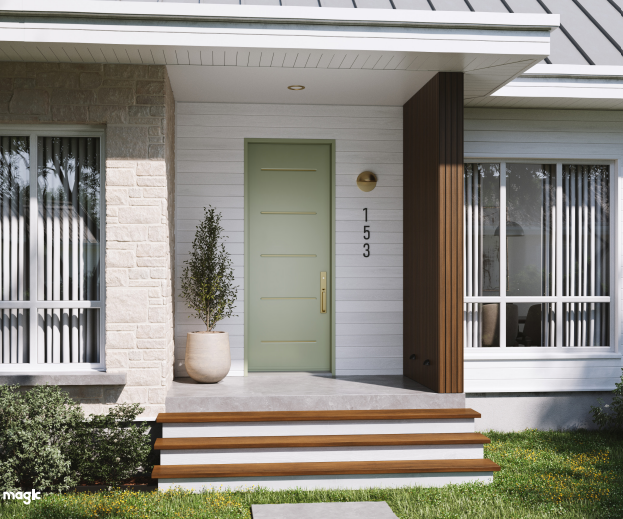
A storm door or screen door can extend the life of your main door’s finish and provide extra ventilation. Just be sure to choose an energy-efficient frame if the door receives a lot of sun.
For steel doors and wood doors, maintain a strong protective finish: wood needs periodic refinishing, while steel benefits from rust-resistant paint and occasional touchups.
If accessibility is a priority, look for lever-style handles and low thresholds that accommodate mobility devices. And if you want a quieter interior, consider doors with thicker, foam-insulated cores, which can noticeably reduce outside noise.
Types of Exterior Doors
Another thing you need to decide is the type of exterior door you actually want. Now, it depends on whether you want entry doors or patio doors. For entry doors, you have the following options:
- Single hinged doors
- Double hinged doors
- Single/double hinged doors with sidelights and/or transoms
- Arched single/double doors
- Pivot doors (though they're way more expensive)
For patio doors, you have the following options:
- Sliding glass doors (with two or more panels)
- French doors
- Bi-fold doors
- Multi-slide doors
Then, you can also install storm, screen, and security doors.
So, which exterior door is best for your house? Here's a quick rule of thumb:
- For durability + low maintenance: fibreglass doors or steel entry doors
- For beauty and character: solid wood doors or custom wood doors with an arched design if it suits your home's architectural style
- For a bright, open entry: glass entry doors
- For patios with limited space: sliding patio doors
- For traditional or classic design: French doors or natural wood doors
- For the best indoor-outdoor connection: multi-slide or bi-fold systems
How to Choose the Right Entry Door Colour?
First things first: do you want your new entry door to match the other elements on the facade, or do you want a contrast colour for a focal point?
Blending works best when:
- Your home has a clean, modern facade.
- You want a minimalist look.
- Materials (stone, brick, siding) already create enough texture.
Common blend colours: charcoal, greige, black, deep brown, muted green.
Contrasting works best when:
- Your entry feels flat or lacks personality.
- You want curb appeal and a welcoming focal point.
- Your home has strong symmetry or classic lines.
Common contrast colours: red, navy, teal, mustard, bold green, glossy black.
Also, don't forget about lighting temperature. Warm lighting makes wood and bold colours look richer, while cool lighting makes modern black/grey pop sharply. And don't ignore the trim!
Popular Design Styles & What They’re Good For

- Traditional raised-panel doors
- Best for: colonial, craftsman, farmhouse, heritage homes.
- Features: paneling, sometimes decorative glass, or sidelights for maximum light.
- Modern flush or minimalist doors
- Best for: contemporary, modern, mid-century.
- Features: clean lines, horizontal grooves, oversized pulls, pivot designs.
- Designer tip: pair matte black, anodized aluminum, or rich wood tones for a luxury feel.
- Glass-inset entry doors
- Best for: homes that feel dark, modern, or transitional styles.
- Options include full-lite, half-lite, frosted, or decorative patterns.
- Designer tip: use frosted or reeded glass if you want privacy without losing light.
- Natural wood or wood-look designs
- Best for: craftsman, Scandinavian, modern, and warm contemporary homes.
- Designer tip: choose stains that complement other exterior materials (stone, cedar, metal).
- Arched or custom doors
- Best for: custom homes, Mediterranean, heritage, or statement entrances.
- These instantly elevate curb appeal and look more expensive.
Get the Best Exterior Doors with Magic!
If you're looking for the best exterior doors in Canada, it is undoubtedly worth it to schedule a free consultation with Magic. We manufacture our units right here in Ontario, which gives us the possibility to oversee the entire process and incorporate the best-performing materials.
Front Doors Built for Ontario's Climate

- Magic’s Ultimate Entry Door slab contains 40% more insulation and 30% more steel than a typical conventional door, giving extra structural strength, better thermal performance, and greater resistance to bending or forced entry.
- To help prevent drafts or moisture entry, the door features multi-point gaskets and an auto-trigger lock, which improves air and water tightness compared to standard doors.
- Magic also includes an integrated rain deflector (anodized aluminum) on the door, designed to direct rain and snow away from the door surface, improving durability.
- Our patio door systems are built specifically with the Canadian climate in mind. Thanks to our revolutionary Parallex Hardware, our units seal tightly, insulate well year-round, and ensure long-lasting performance.
Security Is Our Priority
- Magic’s front exterior door features a door slab built with significantly more reinforcement than a typical door. The door contains 30% more steel and a thicker slab core than conventional doors.
- The slab also uses a J-bend design meant to resist bending or buckling under pressure. That means more resistance to break-ins (kicking, prying, heavy impact) compared to a standard hollow or weak-core door.
- Our front doors have been tested to withstand over 1,600 lbs of force.
- If you go with Magic’s sliding or patio door systems, they are just as secure. The frames consist of galvanized steel, anodized aluminum, and vinyl for strength. The doors also feature multipoint locking systems with the highest security rating available for residential sliding doors.
Countless Customizable Options
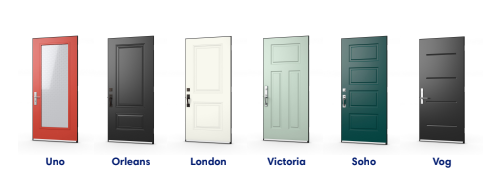
- Magic lets you design your door however you want. You can choose the door style, colour, glass inserts/sidelights/transoms, hardware, and finish details to match your house’s style and preferences.
- For door types with glass or panels, you can get options that maximize natural light in your entryway, useful if you want a front door that makes a strong visual statement or improves interior lighting.
- Our patio door and sliding door products also use features like retractable screens, which help maximize views and bring in more light (because fixed screens often block a significant portion of window/door glass).
Multiple Exterior Door Options: Traditional Exterior Doors, Doors with Glass, Patio Doors

- Magic offers multiple door systems: from classic front entry doors to glass doors, sliding patio doors, and even large-opening door-wall systems (like our award-winning Magic Window Wall).
- Our products aim to combine style, functionality, and security, meaning you don’t have to sacrifice aesthetics for strength or thermal performance.
- Because everything is designed and manufactured in Ontario, our doors are tailored for Canadian weather and building standards, which gives a practical advantage over doors made for milder climates.
Long-Term Support and Proven Experience
We've been manufacturing and selling our windows and doors for more than 40 years and have thousands of happy customers! Because we handle manufacturing and installation ourselves, we also have better control over quality, fit, and long-term performance, which is important to minimize issues like air leaks, mis-alignment, or functionality problems.
If you want to learn more about what exactly makes Magic units stand out in the industry, book your free consultation today!
Frequently Asked Questions
What type of door is best for the exterior?
Fiberglass and insulated steel doors hinged on one side are usually the best doors for the exterior. They're energy-efficient, durable, and stylish.
What is the best material for an exterior front door?
Fiberglass and insulated steel are the best materials for an exterior front door. Fiberglass performs better in humid climates, while steel is incredibly strong and durable.
What is the most energy-efficient exterior door?
The most energy-efficient exterior door is Magic's Ultimate Entry Door, as it features 40% more insulation, 30% more steel, a rain deflector, multi-point gaskets, and an auto-trigger lock, all of which ensure a complete moisture management system that achieves the highest industry ratings for air and water performance.
What are the most durable materials for exterior doors?
Fiberglass and steel are the most durable materials for exterior doors, providing excellent weather resistance and longevity.
How do I choose an energy-efficient exterior door?
To choose an energy-efficient exterior door, select options that feature foam-filled cores, insulated glass panels, and durable materials suited to your local climate, ensuring to check the R-value for optimal insulation performance.
What are the benefits of professional door installation?
Professional installation guarantees proper sealing and alignment, which significantly enhances the door's performance and security while minimizing the risk of installation errors.