Front Doors
What Is a Mortise Lock? Parts, Installation, and Applications
A mortise lock is a door lock installed inside a recessed pocket cut into the edge of a door. Unlike a cylindrical lock, which uses relatively small holes drilled through the door, a mortise lock has a larger lock case fitted inside the door itself.
If you know how a mortise lock works, you'll find it easier to identify the hardware on your door, choose a suitable replacement, and determine whether it is appropriate for your security, access control, or installation needs.
As such, what is a mortise lock exactly, how does it work, what are its components, and how does it compare with other lock types? Let's find out.
What Is A Mortise Lock?
A mortise lock is a door lock installed inside a recessed pocket cut into the edge of a door. Compared to a cylindrical lock, which fits into relatively small holes drilled through the door, a mortise lock uses a larger lock case that is fitted into the door itself.
This design allows for multiple components, such as a latch, deadbolt, and cylinder, to be housed in one rectangular lock body. While mortise locks are most widely used in commercial applications, they can also be found in residential buildings.
The main difference between a mortise lock and other common door locks is the way the lock is installed. That difference affects the door preparation, installation process, available functions, and where the lock is typically used.
What Are the Parts of a Mortise Lock?

A standard mortise lock has several major components:
What Does "Mortise" Mean?
A mortise is a recessed cavity or pocket cut into a material to house another component. In door hardware, the mortise is the pocket cut into the edge of the door to accommodate the lock case. Mortise locks get their name from this installation method.
How Does a Mortise Lock Work?
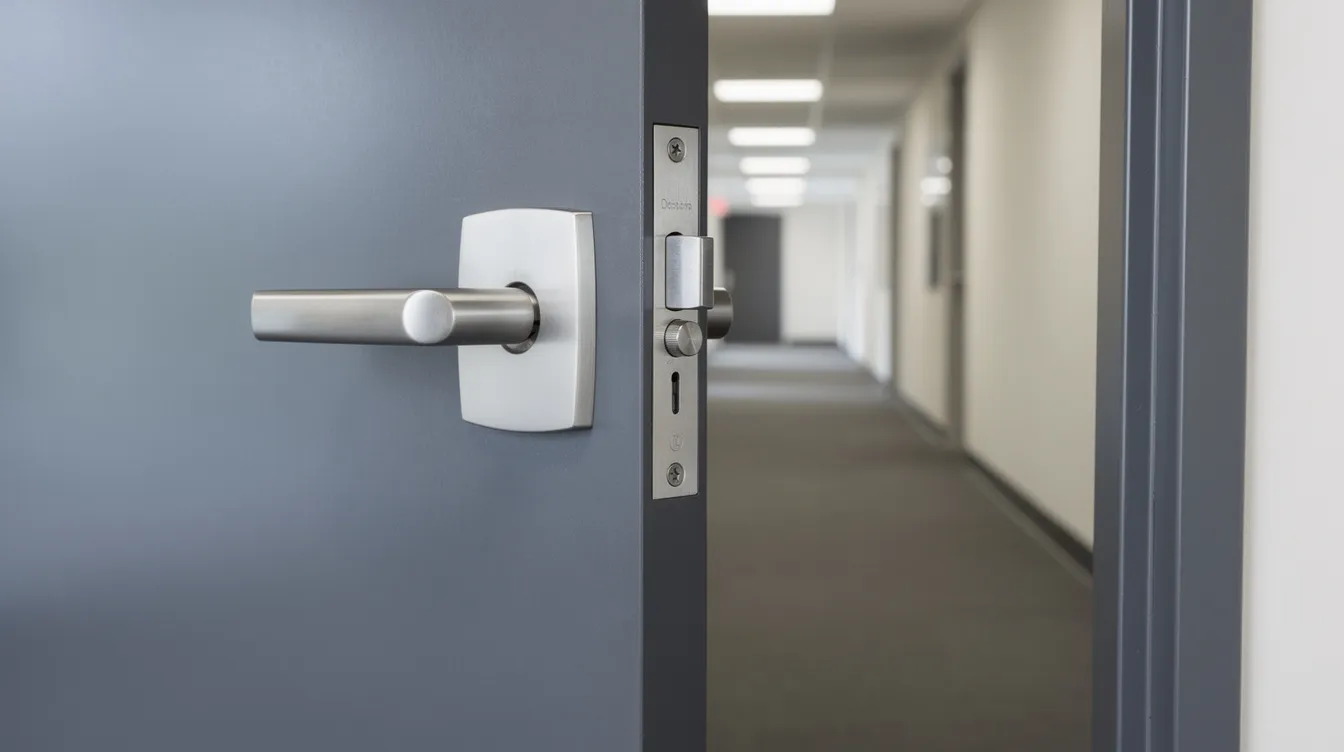
A mortise lock works through a lock case installed inside a pocket in the door. The mortise pocket is usually 3-5 inches deep, although the required mortise depth varies by lock model and door construction. The case contains the components that control the door's locking and latching functions.
When the door is closed, the latch extends into an opening in the strike plate mounted to the door frame.
Turning the lever or knob normally retracts the latchbolt. When the lever or knob is released, the spring-loaded latchbolt projects again. If the lock includes a deadbolt, it is generally projected and retracted using a key, thumbturn, or another authorized control.
The exact operation depends on the lock’s function. On some models, operating the inside lever retracts both the latchbolt and deadbolt in one movement to allow immediate egress. Other functions use separate controls for the latchbolt and deadbolt.
Types of Mortise Locks
Mortise locks can be classified by their mechanical function or by how they are controlled. Here are some common configurations.
Mortise Locks with a Latch and Deadbolt
Mortise locks with a deadbolt, sometimes called mortise sash locks, have the latch and the deadbolt in the same case. They are often used where the door needs both a normal latching function and a separate locking function.
Mortise Latch Locks
A mortise latchset contains a latch but no separate deadbolt. Depending on its function, it may be used as passage, privacy, office, classroom, or storeroom hardware. Some functions lock the lever or prevent the latch from being operated from one side even though they do not include a deadbolt.
Electrified Mortise Locks
Electrified mortise locks incorporate electronic functions besides the mechanical hardware. Depending on the product, they can be connected to an access control system and used with credentials such as cards, fobs, or other electronic devices.
Are Mortise Locks More Secure than Other Locks?
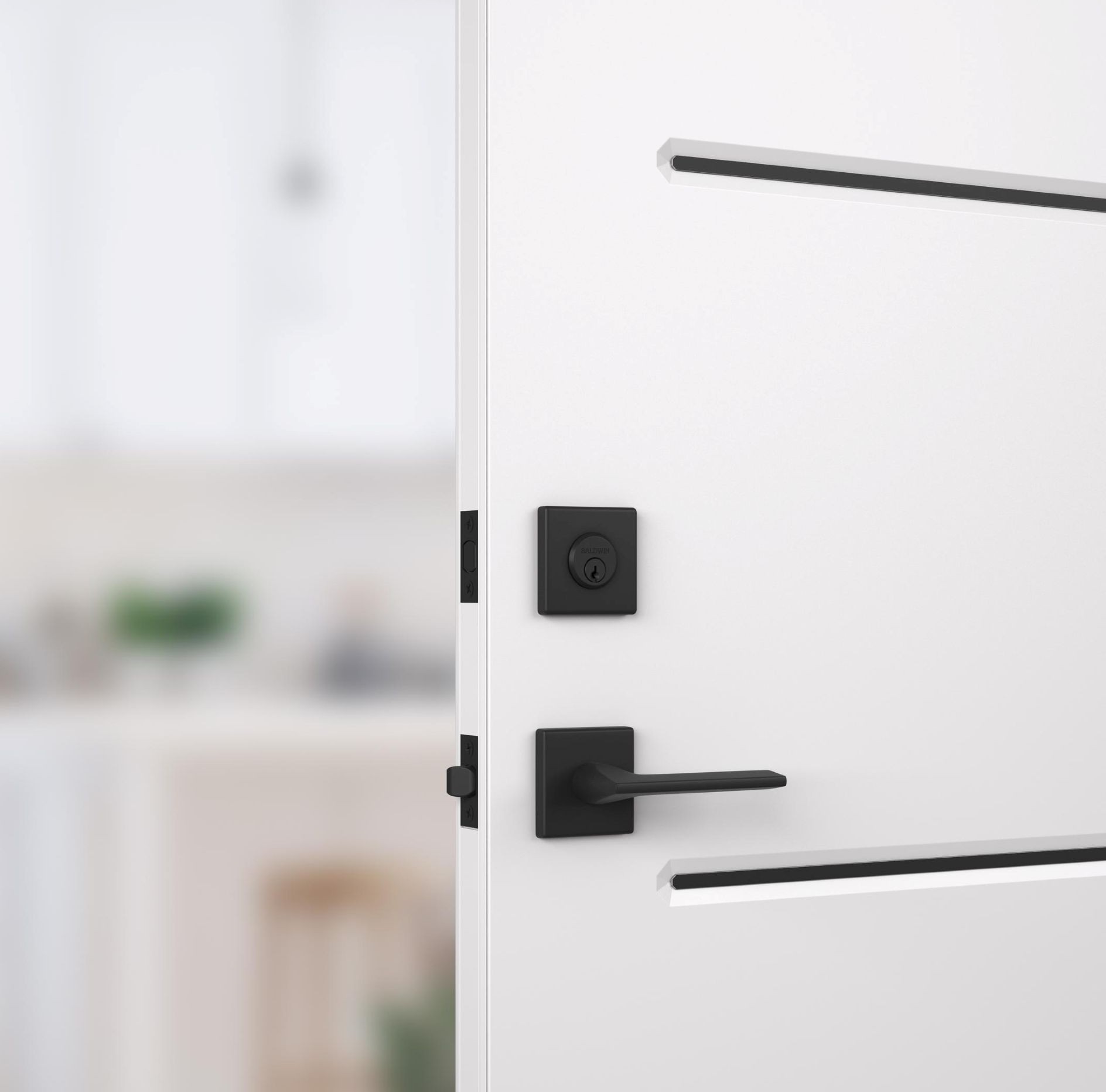
Mortise locks can offer enhanced security and durability advantages in some applications, but the mortise design alone does not determine how secure a door is. A door’s security depends on multiple factors, including:
- The quality and design of the lock
- The cylinder and key system
- The strike and its installation
- The strength of the door frame
- The construction of the door
- The quality of the installation
- Additional security hardware
A strong mortise lock installed in a weak frame, for example, can be less efficient than a cylindrical lock installed in a strong frame from a security standpoint.
Where Are Mortise Locks Used?
Mortise locks are particularly common on doors that are frequently used. They're found in:
- Office buildings
- Hotels
- Schools and universities
- Healthcare facilities
- Retail and commercial buildings
- Apartment and multi-unit buildings
- Institutional applications
- Government facilities
Mortise locks are also available for residential doors, especially where the homeowner wants multiple functions in one lockset or the hardware characteristics of a mortise system.
The door itself matters, too. Mortise locks are available for different door constructions, including wood and some hollow metal doors, but compatibility needs to be checked before installation.
Mortise vs Cylindrical Locks
With a mortise lock, the lock case is installed inside a relatively large pocket cut into the door edge. With a cylindrical lock, the lock mechanism is installed through holes bored into the door. Here are other differences between mortise locks and cylindrical locks:
Is a Mortise Lock the Same as a Deadbolt?
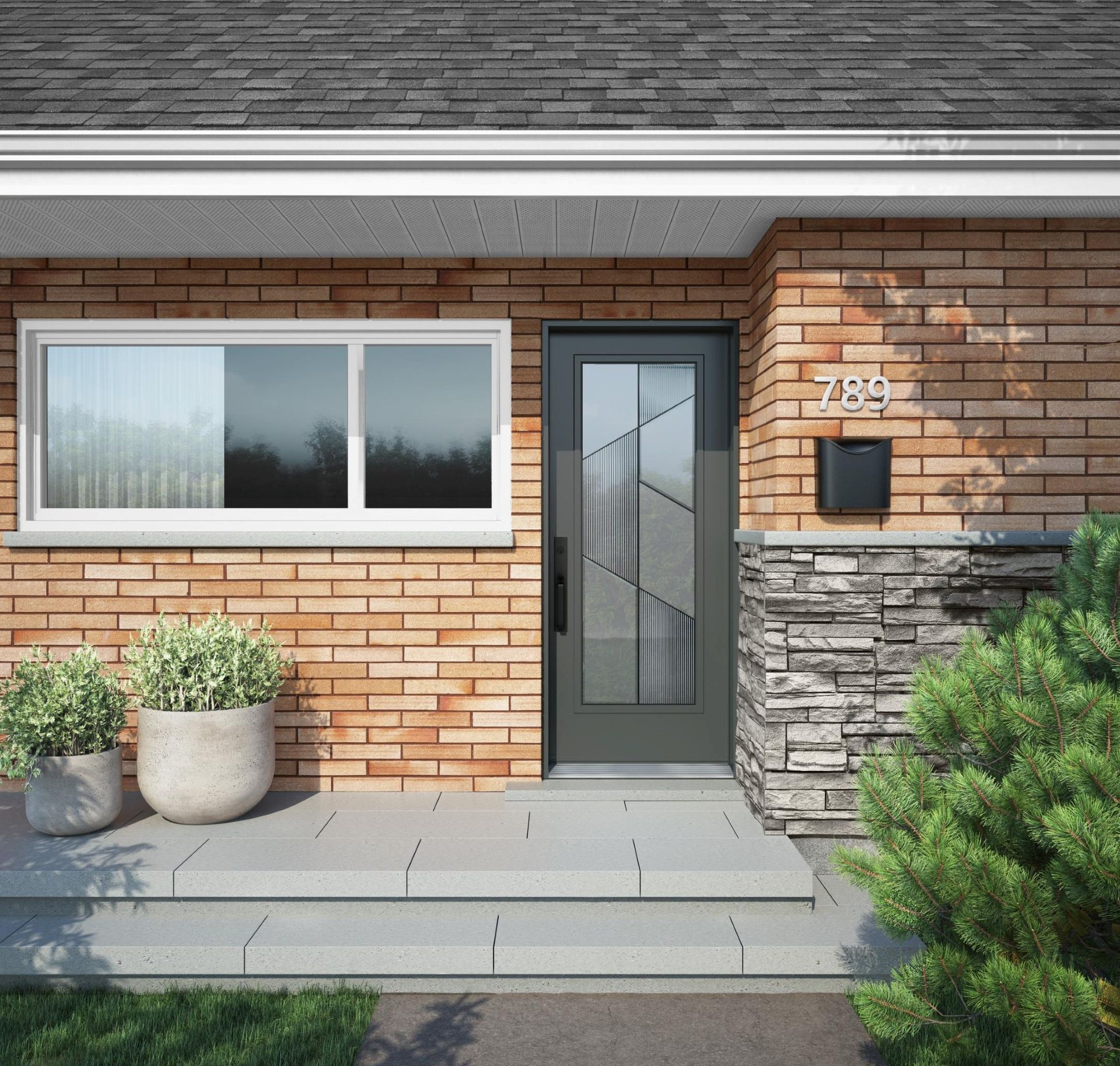
A mortise lock is a type of door lock, while a deadbolt is a locking component. A mortise lock can contain a deadbolt, but a deadbolt can also be installed separately as its own piece of hardware.
For example, a residential entry door might have a cylindrical lever lock and a separate deadbolt. A mortise lock can combine both the latch and deadbolt.
What Are the Advantages of a Mortise Lock?
Multiple Functions in One Lockset
One of the biggest advantages of a mortise lock is that several functions can be incorporated into the same case. A mortise lock can combine a latch, deadbolt, cylinder, and other mechanisms without requiring separate lock bodies for each function.
Durable Construction
Many mortise locksets are built for frequent use, are available in heavy-duty commercial configurations, and are thus more durable than standard residential locks. Their substantial lock cases make them particularly suitable for doors that are used repeatedly throughout the day.
Wide Range of Configurations
Mortise hardware is available with different levers, knobs, cylinders, keying options, functions, and electronic features. This gives architects, builders, and facility managers considerable flexibility when specifying door hardware.
Doors prepared for older mortise locks can sometimes be adapted to modern security systems using a compatible electrified mortise case, electrified trim, electric strike, or another retrofit product. Compatibility must be verified because an existing mechanical mortise lock cannot necessarily connect directly to an access-control system.
Access Control Integration
Electrified mortise locks can be incorporated into modern access control systems, allowing a building to use electronic credentials and centralized control alongside the physical lock mechanism.
What Are the Disadvantages of a Mortise Lock?
More Complicated Installation
Installing a mortise lock requires a substantial pocket to be cut into the door edge. The installer must also create the openings required for the trim, cylinder, spindle, and other components.
By comparison, many cylindrical locks can be installed using relatively straightforward bored holes in the door face.
Because installation involves more preparation and typically requires greater precision, labour costs can be higher than for simpler lock types.
More Difficult to Retrofit or Replace
Replacing an existing cylindrical lock with a mortise lock isn't normally a simple hardware swap. The door may need significant modification to create the required lock pocket.
Moreover, when replacing an existing lock, the replacement needs to match the door preparation and hardware configuration. A replacement isn't necessarily compatible simply because it is also a mortise lock.
How Is a Mortise Lock Installed?
Although the steps are adjusted slightly based on product type, installation generally involves preparing both the door and frame for the new hardware.
Because mortise installation involves precise cutting and modifying the door itself and requires professional carpentry skills, professional installation is recommended.
Here are the typical installation steps for mortise locks.
1. Measuring the Door and Hardware
The installer first checks the door thickness, lock dimensions, backset, handing, and the location of the existing hardware.
2. Marking the Lock Pocket
The position of the mortise is marked on the edge of the door using the manufacturer's measurements or template.
3. Cutting the Pocket
A pocket is cut into the door to accommodate the lock case. Because the case needs to fit accurately and sit at the correct depth, this step requires careful measurement and suitable tools.
4. Drilling or Routing the Remaining Openings
Additional openings may be required for the cylinder, spindle, lever, thumbturn, or other components.
5. Installing the Lock Case and Trim
The lock case is fitted into the pocket and secured. The exterior and interior trim are then installed and connected to the lock mechanism.
6. Install the Strike
The strike is fitted into the door frame and aligned with the latch and deadbolt.
7. Testing the Lock
The completed door should be checked to make sure it closes properly and that the latch, deadbolt, key, and operating hardware all function smoothly.
Can a Mortise Lock Be Installed on Any Door Type?
No, mortise locks can't be installed on any door. The door needs to be compatible with the dimensions and installation requirements of the specific lock.
Here are some things that need to be considered:
- Door thickness
- Door construction
- Available space inside the door
- Existing hardware preparation
- Lock case dimensions
- External trim configurations
- Frame and strike compatibility
Can Mortise Locks Be Used with Smart or Electronic Access Control?
Yes, modern mortise locks can be used with smart or electronic access systems. Electrified versions can work with access-control systems, allowing a door to be operated using electronic credentials and controlled by a centralized system. Depending on the specific hardware, this may include card readers, keypads, or other electronic access technologies.
The advantage is that the physical mortise lock and the electronic access system can be part of the same door hardware solution.
How Long Do Mortise Locks Last?
How long a mortise lock lasts depends on factors like the quality of the hardware, frequency of use, door alignment, installation quality, environmental exposure, and maintenance.
For instance, commercial mortise locks on a high-traffic entrance are used much more often than a mortise lock installed on a residential door, and thus it may show signs of wear and tear sooner.
ASSA ABLOY, for example, lists a mechanical life of 200,000 cycles for some of its electric mortise locks. That said, this is a product-specific specification, not a universal lifespan that applies to every product. Therefore, when purchasing a mortise lock, check the manufacturer's details regarding its lifespan.
Can You Replace a Mortise Lock With a Different Lock Type?
Sometimes you can replace a mortise lock with a different lock type, but it might be complicated.
If you try to replace a mortise lock with a cylindrical lock, you may end up with a much larger opening in the door than the new lock requires. The door may therefore need to be repaired or modified before a different lock type can be installed.
Likewise, replacing a cylindrical lock with a mortise lock requires creating a new pocket for the larger lock case.
Do Mortise Locks Have to Meet Building Code Requirements?

Mortise locks used in commercial and institutional environments may need to comply with building, fire, and accessibility standards, depending on the location and function of the door. These requirements can apply to the complete door assembly and directly to its locking, latching, and release hardware.
Doors that form part of an exit route may need to be openable from the egress side without a key, special device, or specialized knowledge. Requirements can also apply to the way the door hardware operates and the force needed to release and open the door.
For accessible designs, according to Canada Mortgage and Housing Corporation, exterior door locks should be accessible from a sitting position, being positioned approximately 915 mm (36 in) from the floor, and should be easy to operate. CMHC also recommended choosing locks that allow the user to remove the key from the lock before opening the door. These are accessibility recommendations rather than universal Canadian building-code requirements.
Keep in mind that requirements vary depending on where you're located, so make sure to check them before installing or replacing a door lock, especially on a commercial door.
What Measurements Do You Need When Replacing a Mortise Lock?
Here are the measurements you need to consider when replacing a mortise lock:
FAQs
Is a mortise lock better than a cylindrical lock?
Neither is universally better. Mortise locks are often selected for commercial and high-use applications because of their construction and range of functions, while cylindrical locks are generally simpler to install and replace.
Are mortise locks more difficult to pick than traditional locks?
Mortise locks are not automatically more resistant to picking than other lock types. Pick resistance depends primarily on the cylinder and its security features. Some mortise locksets also incorporate features such as anti-saw bolts and reinforced strikes, which address other forms of physical attack.
Does every mortise lock have a deadbolt?
No. Some mortise locks have a deadbolt and latch, while others have different configurations and functions.
Are mortise locks only for commercial doors?
No, mortise locks are also used in residential applications, although because of their more complex installation, they're less common than cylindrical or tubular locks in many homes.
Are mortise locks more secure than standard locks?
A mortise lock can be part of a highly secure door assembly, but security depends on the complete opening rather than the lock format alone. The lock, cylinder, strike, door, frame, and installation all matter.
Are mortise locks difficult to install?
Mortise locks are more difficult to install because they require more door preparation compared to cylindrical or tubular locks. A pocket must be cut into the door edge for the lock case.
What are the differences between a mortise lock and a standard lock?
A mortise lock is installed inside a pocket that is cut into the edge of the door. On the other hand, a "standard" lock is usually a cylindrical or tubular lock that is installed through drilled holes in the door. Mortise locks generally have a larger lock case and can combine several functions, such as a latch and deadbolt, in one unit. Standard cylindrical locks are usually simpler and quicker to install, making them common on residential doors.
How do I know if I have a mortise lock?
Look at the edge of your door with it open. A mortise lock sits entirely within the door's slab, so if you can see a relatively large rectangular faceplate, you likely have a mortise lock. You may also have separate latch and deadbolt functions within the same case. The lock case itself is concealed inside the door, so you generally cannot see how far it extends without removing the hardware.