
Front Doors
What Is a Prehung Door? Prehung vs Slab Doors Explained
If you're replacing a door in your Ontario home or installing one from scratch, you've probably stumbled upon two terms: prehung door and slab door. And if you're not sure what either one means, you're not alone. Most homeowners become confused in this regard.
So, what is a prehung door, exactly? And how can you choose the right door for your project?
We'll walk you through everything: what prehung doors are, how they differ from slab doors, when to use one over the other, and how Ontario's climate influences your decision on exterior doors.
Quick Answer: What Is a Prehung Door?
- A prehung door is a complete unit that includes the door slab, frame, and hinges. All components are pre-assembled before the prehung door arrives at your home.
- A slab door is just the door itself, with no frame or hinges included.
- Prehung doors are the right choice for new construction or when your existing door frame is damaged.
- Slab doors work well when your existing frame is in good condition and when you're on a tighter budget.
- In Ontario's climate, exterior prehung doors need to be properly sealed and ENERGY STAR® certified to handle temperature swings from -30°C winters to humid summers
- Magic front doors are built specifically for Canadian weather conditions, outperforming many others on the market.
What Is a Prehung Door?
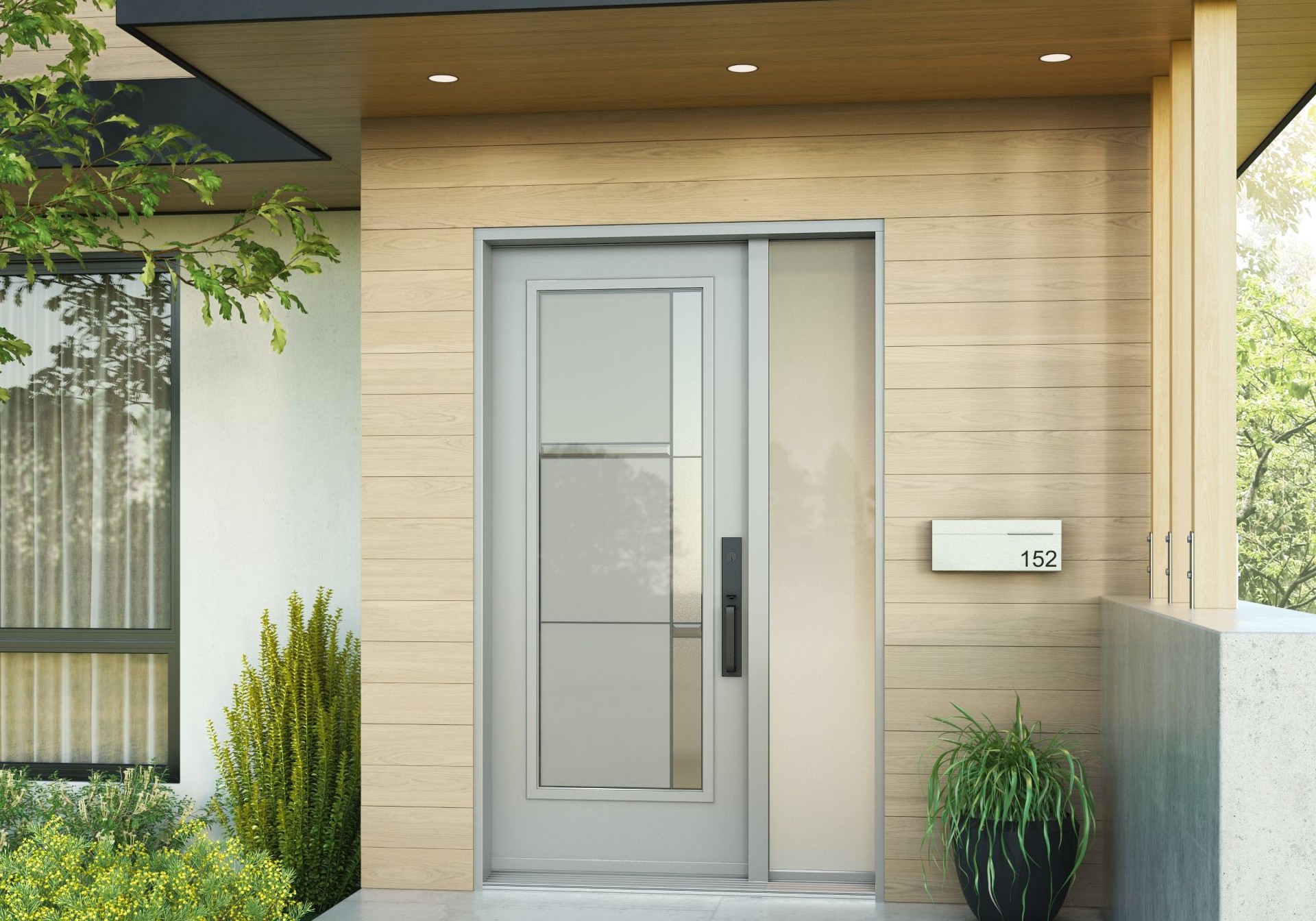
A prehung door is a door that comes as a complete unit, with the slab, the frame, and the hinges. The door slab sits inside a frame, with the hinges pre-attached. The whole door unit is ready to be installed into your rough opening.
Most prehung doors also come with the doorknob hole pre-bored and the strike plate cutout already done on the frame. Some include weatherstripping for exterior applications. Once it's in your opening and levelled with shims, it's ready for the door hardware and trim.
Prehung doors are quite heavy and bulky, and there must be at least two people handling their installation. And while their installation might seem simple, it can actually be very difficult to get it correctly positioned. Plus, it requires finishing (drywall, trim, painting).
What's Included in a Prehung Door Unit
What Is a Slab Door?
A slab door includes just the door, meaning the slab; no frame, no hinges. You get a flat rectangular panel of wood, steel, or fibreglass. Pre-hung doors are more expensive than slab doors, but slab doors provide more design flexibility.
Installing slab doors is quite difficult. You either fit it into your existing door frame or build a new frame around it. You'll also need to source and install your own hinges, install them into both the door and frame, bore the holes for the lockset, and cut the strike plate recess into the frame yourself.
Slab doors may or may not come with pre-drilled holes for the doorknob. If they don't, you'll need a hole saw kit and a steady hand.
Prehung vs Slab Doors
So, which one should you choose? It really comes down to the condition of your existing frame and how much work you want to take on. Here are the key differences between prehung and slab doors to help you decide:
When to Choose a Prehung Door
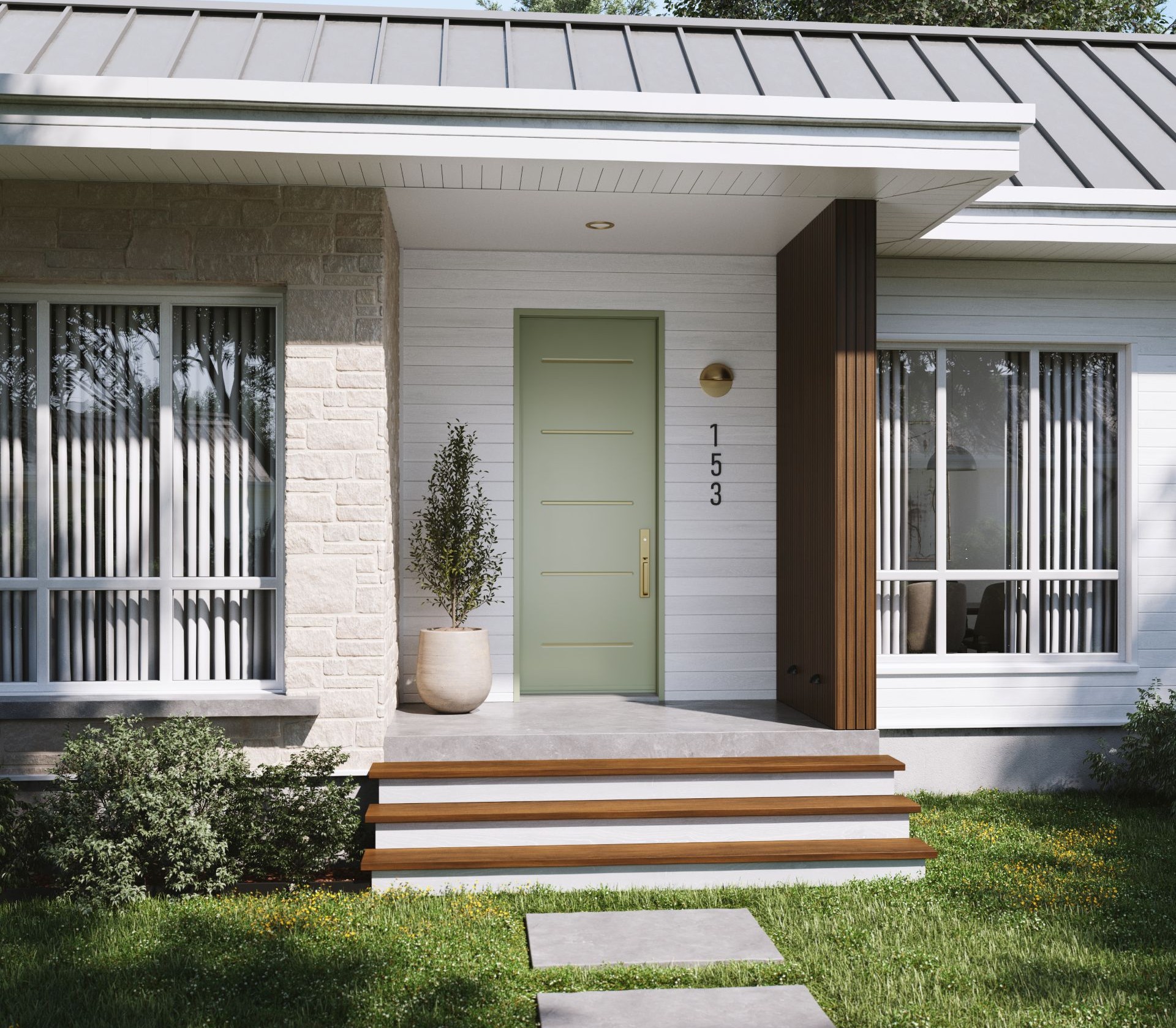
Here’s when we recommend choosing a pre-hung door:
- New construction. If there's no existing frame at all, a prehung door is the practical choice, as you'll also get an entirely new door frame. You (or the installers) place the entire unit into the rough opening, level it, shim it, and fasten it to the framing. Much faster than building a frame on-site.
- When the frame is damaged. If your old door frame is rotted, warped, or structurally compromised, installing a slab door into it won't give you a proper fit. You'd need to rebuild the frame anyway. In that case, a prehung door saves you from doing two separate jobs.
- When the existing frame is out of square. Older Ontario homes, especially those built before the 1980s, sometimes have frames that have shifted with the house over the decades. If your existing frame is no longer plumb or square, getting a slab door to hang properly in it is difficult. A new prehung door gives you a fresh, factory-aligned starting point.
- When you want a weathertight exterior door. Exterior prehung entry doors come with the door, frame, and weatherstripping pre-fitted to each other at the factory. Some also have advanced weatherproofing technologies incorporated into the design. The components are designed to work together, which makes it easier to get a tight seal on installation day.
When to Choose a Slab Door
A slab door works well when:
- Your existing door frame is in good condition and square.
- You're simply refreshing the look of an interior door (e.g., swapping out an old hollow-core door for something more solid, for example).
- You’re on a budget.
That said, you'll save money on the door itself, but you may spend more time (or pay a carpenter more) to hang it properly.
It's a reasonable choice if you're replacing several doors throughout your home and if the frames are all in good shape.
Interior Doors vs. Exterior Doors
The pre-hung vs. slab decision applies to both interior doors and exterior doors, but the stakes are higher on the exterior.
Interior doors don't deal with weather, so you’re not risking much by choosing a slab door, as long as the frame is in good condition. Interior slab doors are widely used for bedroom and hallway doors, where the frame is intact. Hollow-core doors are especially common for interior applications because they're light and affordable.
If you want to replace an exterior door – that’s a different story. Your front door and back door face rain, wind, freezing temperatures, and humidity every single year. Even the tiniest gap between the door slab and the frame will cause drafts, which will compromise the unit’s energy efficiency.
This is why prehung entry doors are almost always better. The door and frame are factory-fitted to each other. The weatherstripping is already placed. You're starting with a complete, coordinated unit.
How Does the Climate in Ontario Affect Your Front Door?
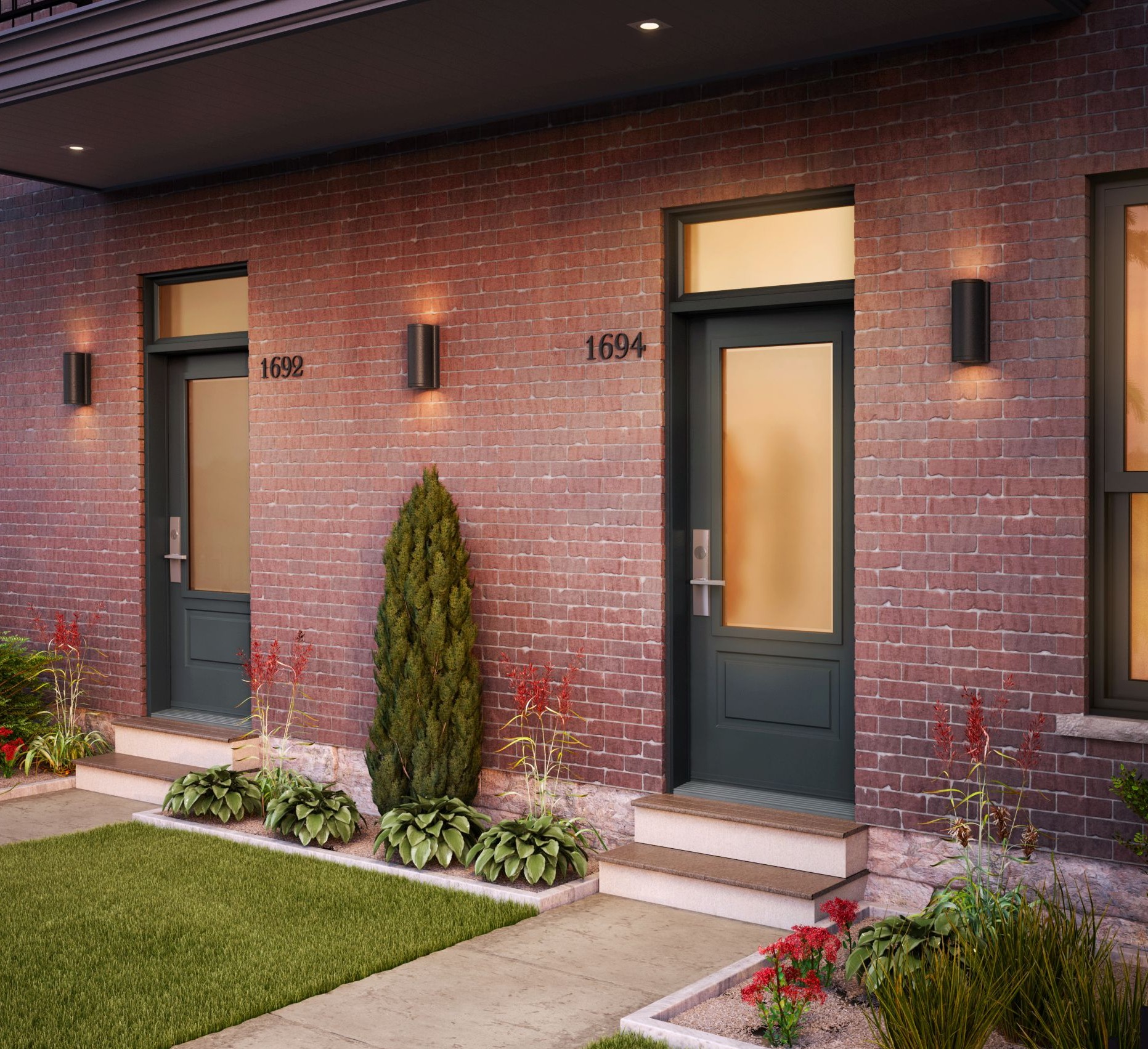
If you're in Ontario, you already know the winters are not gentle. Temperatures regularly drop to -4°F (-20°C) or lower, and the freeze-thaw cycle puts stress on building materials and door frames. Here’s exactly how the climate in Ontario affects your entry door and why a prehung unit is better:
- Thermal expansion and contraction. Extreme seasonal temperature changes can cause door frames and door slabs to expand and contract, while wood doors are also affected by humidity-driven swelling and shrinkage. If your door and frame aren't sized and installed correctly, your door may become misaligned and have gaps. It can also crack.
- Drafts and heat loss. Windows and doors account for significant heat loss in a Canadian home. A poorly fitted exterior door is a significant source of that loss. A well-installed prehung entry door with proper weatherstripping or other modern weatherproofing technologies addresses this from day one.
- Freeze-thaw damage. Ontario’s freeze-thaw cycles can be especially hard on exterior doors because repeated freezing and thawing can force materials to expand and contract in cycles. Over time, that can widen small installation gaps, put strain on caulking, and reduce the effectiveness of the weather seal. Prehung doors are generally easier to install correctly, which helps minimize these weak points.
- Snow buildup and wind exposure. In Ontario, snow can pile up against the bottom of an exterior door and trap moisture around the threshold. As the snow melts and refreezes, it can make seals, caulking, and trim wear down faster. Strong winds can also push cold air through weak spots, making any gaps, alignment issues, or poor weatherstripping much more noticeable.
Things to Consider
We recommend looking for exterior prehung doors that carry ENERGY STAR certification. ENERGY STAR-certified doors are tested rigorously so you can rest assured that they do their job well at keeping your home warm in winter.
And don’t forget that the door material matters enormously. We recommend steel doors with insulated cores, as they are much better than solid wood for Ontario homes. Solid wood absorbs moisture, swells, and can warp over repeated freeze-thaw cycles. Steel stays dimensionally stable and holds its seal year after year.
Last but not least, pay attention to the threshold, as it’s just as important as the frame material because it seals the weakest point of the door, where air and water can get in easily. A strong frame can still underperform if the sill is poorly built, badly sloped, or not properly sealed. This can cause drafts, heat loss, moisture intrusion, and long-term rot or subfloor damage.
Prehung Door Sizes: What to Know Before You Shop
Prehung doors come in standardized sizes, but that doesn't mean any door will fit any opening. Before you order, measure your rough opening carefully.
Standard door slab sizes:
- Width: 24", 28", 30", 32", 36" (single door); wider for double doors
- Height: 80" is standard; 84" and 96" are available
The frame adds width and height beyond the slab dimensions. Your rough opening needs to accommodate both the frame and the shim space around it.
For interior doors, matching your existing door opening is usually straightforward. For exterior prehung entry doors, measure the opening width, the opening height, and the wall thickness (so the jamb depth matches your wall).
Make sure to check local building code requirements or talk to your installer before choosing a door size and installing the door, as some of them must meet minimum width/clear opening requirements under the Ontario Building Code.
How Much Do Prehung Doors Cost in Canada?
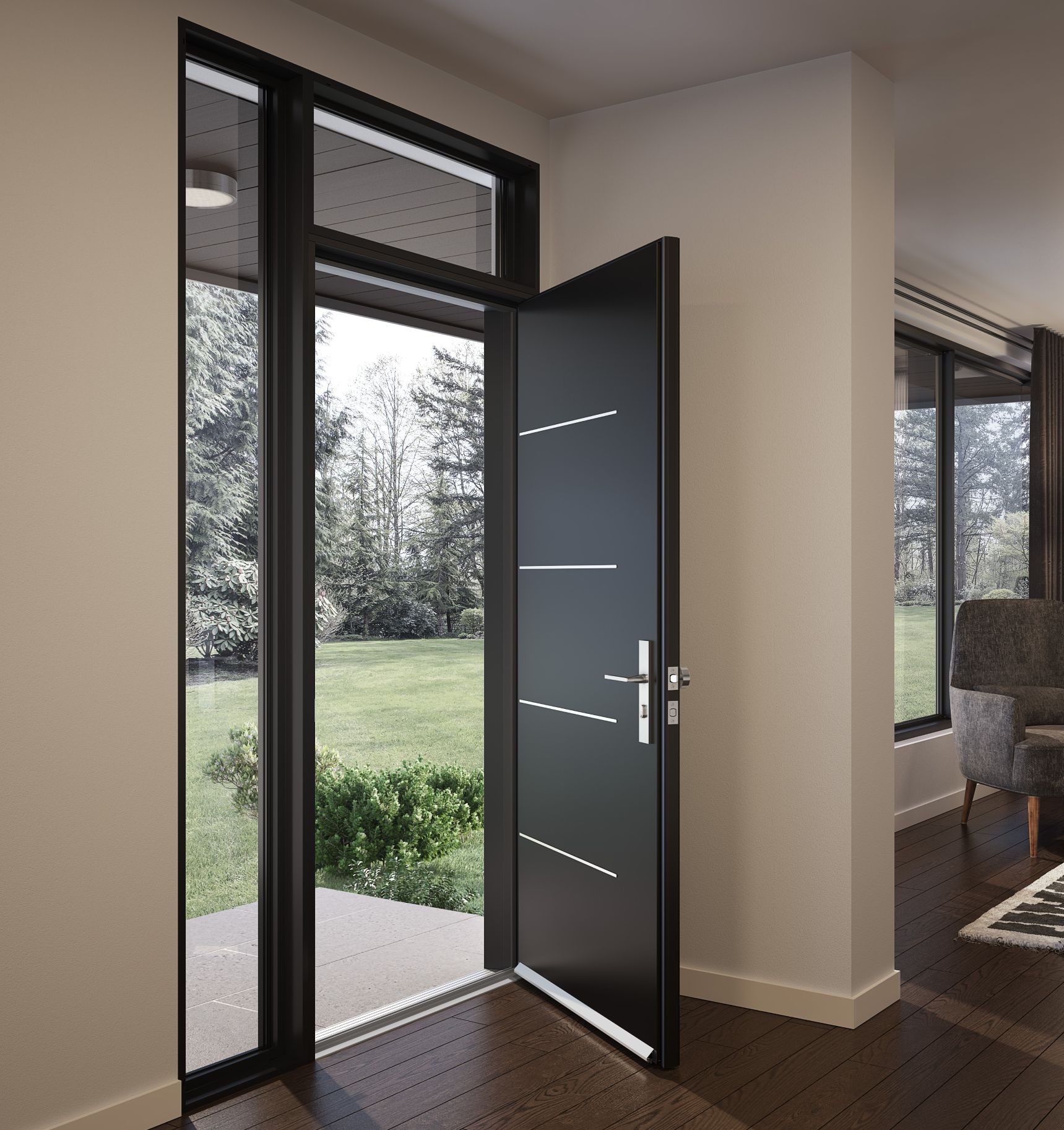
Prices vary depending on material, door style, and whether you're buying an interior or exterior door. Here are some average prices for prehung doors:
The final door cost will depend on your location in Ontario, the complexity of the installation process, and the quality of the door you choose. A custom-sized door or one with glass inserts will cost more.
One thing worth noting: the extra upfront cost of a prehung door over a slab door is often offset by lower labour costs, since there's less carpentry work involved in the installation.
Upgrade Your Front Door with Magic
If you're replacing an exterior door in Ontario, book a free consultation with Magic to learn more about our revolutionary entry doors! Here are some key features that might spark your curiosity:
- J-bend design that resists folding or buckling under force
- 40% more insulation and 30% more steel
- Magic front doors can withstand over 1,600 lbs of pressure, being incredibly sturdy and durable.
- Anodized aluminum rain deflector and auto-trigger lock that stop rain and snow at the door
Ready to see your options? Book a free consultation with Magic, and we'll help you find the right door for your home, your style, and your budget!
FAQs
Can I install a prehung door myself?
You can try to install a prehung door yourself, but it's a two-person job. The trickiest part is shimming the frame so it's perfectly plumb and level. If you rush this step, the door won't swing properly. For an exterior door, professional installation is worth the investment. If the door isn't sealed correctly, you will spend more on heating bills over time.
What is the difference between a prehung door and a regular door?
A prehung door comes as a complete package, as it's already mounted in a frame with hinges, making it a complete door system. A regular door, often called a slab door, is just the door panel itself and is typically used when the old frame is still in good condition.
What are the disadvantages of prehung doors?
Prehung doors cost more than slab doors and can be heavier and harder to transport or handle during installation. They may also require more wall or trim adjustments, especially in older Canadian homes where openings may not be perfectly square.
Are prehung doors easier to install?
Prehung doors are often easier to install when replacing both the door and the frame because the hinges and alignment are already set. However, a prehung door's installation still requires careful leveling and shimming to ensure proper operation.